
Switch to electric vehicles happening fast in UK with one million on the road
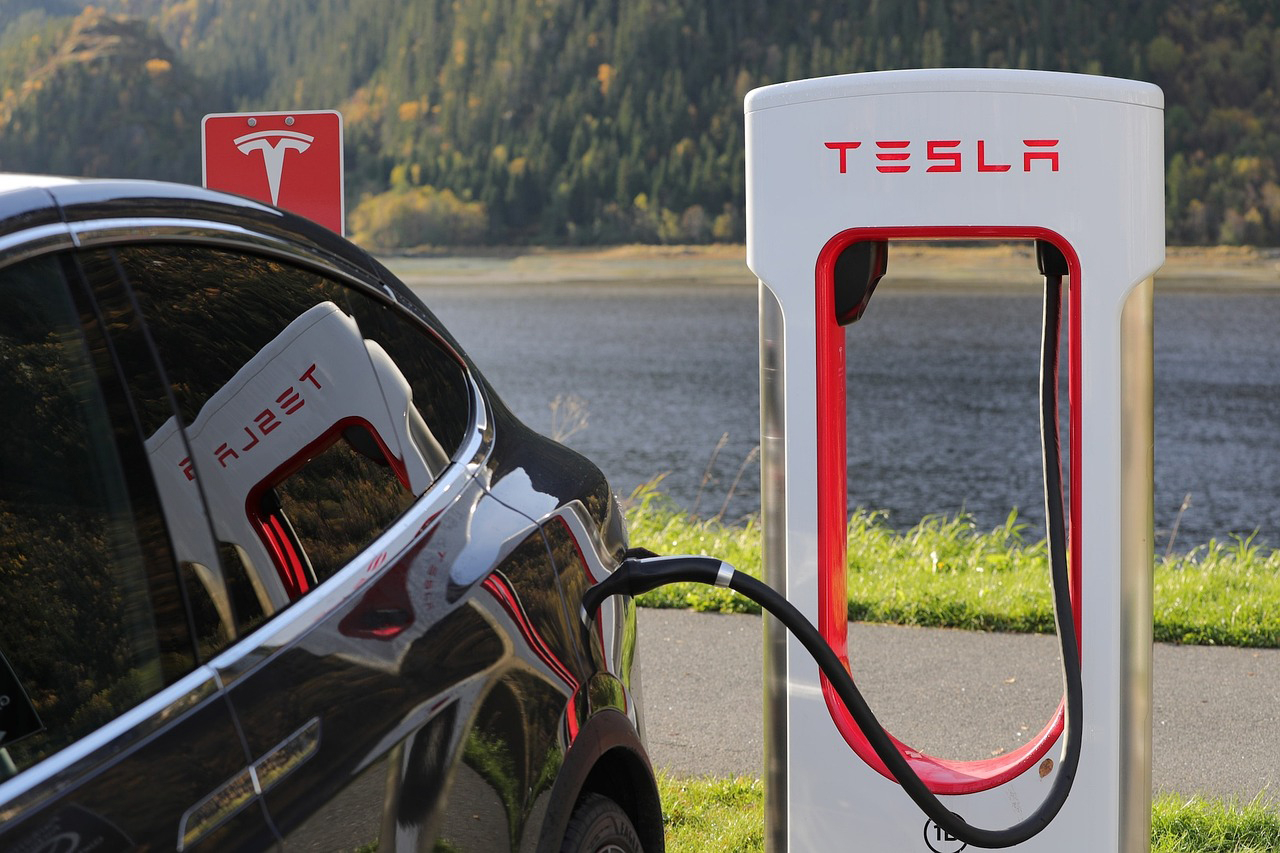

The United Kingdom is at the forefront of a monumental shift in the automotive landscape, with electric vehicle (EV) sales overtaking traditional ones at an unprecedented pace. This transformation marks a significant milestone in the global effort to mitigate the harmful effects of diesel emissions on the environment, reduce air pollution, and transition to sustainable mobility.
One of the key milestones signalling this change in the UK is the recent announcement that the country has surpassed the one million mark for electric vehicles on its roads. This isn’t just a number; it’s a powerful sign of a paradigm shift towards a cleaner, greener transport system. But what exactly does this shift mean for the UK and the world, and how can various stakeholders navigate the future of mobility?
The genesis of this transformation can be traced back to the infamous Dieselgate scandal of 2015. When Volkswagen admitted to using illegal software to manipulate emissions tests, it ignited a public outcry and regulatory scrutiny, resulting in a slew of diesel claims and policy reforms; revealing how diesel vehicles had been contributing disproportionately to air pollution. This scandal wasn’t just a blight on the automotive industry; it marked a turning point as consumers, policymakers, and manufacturers began to pivot away from diesel engines, with many turning their attention to electric propulsion.
The driving forces behind adoption
Several factors have accelerated the adoption of electric vehicles in the UK. Heightened awareness of environmental concerns, coupled with advancements in EV technology and infrastructure, has made electric transport an increasingly appealing choice for consumers, fleets, and businesses alike.
Climate consciousness and policy push
The desire to combat climate change has spearheaded a global push for sustainable alternatives to fossil fuel-powered vehicles. In the UK, ambitious policy initiatives have played a crucial role in fostering an environment where EV adoption can thrive. The government’s clean air strategies, stringent emission regulations, and financial incentives such as grants and tax rebates have incentivised the switch to electric. Furthermore, the commitment to banning the sale of new petrol and diesel cars by 2030 has been a rallying call for change, putting the momentum into overdrive.
Technological advancements and market maturation
The maturation of EV technology has seen tremendous improvements in battery capacity, charging speed, and vehicle range, making electric cars a more practical choice for daily use. Simultaneously, the market has responded with a greater variety of EV models, catering to different consumer needs and preferences. This convergence of technological progress and product availability has significantly reduced the barriers to entry for prospective EV owners.
The power of partnerships
Collaborations between automakers, energy providers, and public sector organisations have been instrumental in accelerating the development of EVs and charging infrastructure. By working together, these stakeholders are fostering an ecosystem that supports the entire EV life cycle, from manufacturing and retail to usage and end-of-life considerations. Partnerships have also been crucial in advancing research and development, driving down costs, and deploying a comprehensive network of charging stations across the UK.
Navigating challenges and fostering continued growth
Despite the significant progress, challenges remain in ensuring a smooth and fair transition to electric mobility. Infrastructure development, affordability, and energy sustainability are key areas where concerted efforts are needed to support the continued growth of electric vehicles in the UK.
Infrastructure investments
The availability and accessibility of charging infrastructure are critical determinants of EV adoption. To support the growing number of electric vehicles, substantial investments in charging networks are essential. Equally important is the need for a variety of charging solutions that cater to different scenarios and locations, whether it’s home charging, workplace charging, or public fast charging.
Addressing affordability and accessibility
While the cost of EVs has been declining, they still represent a significant investment for many consumers. Policymakers and industry leaders must continue to work towards making electric vehicles more affordable through financial incentives, innovative financing models, and the development of a robust second-hand EV market. Additionally, ensuring that the benefits of electric mobility are accessible to all requires the expansion of educational programs and support services for underserved communities.
Ensuring sustainable energy supply
The increased demand for electricity from a growing fleet of electric vehicles necessitates a transition to a sustainable and resilient energy system. This includes the expansion of renewable energy sources, grid modernisation, and the implementation of smart charging solutions that optimise energy consumption. It’s also important to consider the environmental and ethical implications of sourcing materials for EV batteries, as well as the management of end-of-life considerations for EV components.
For those who have yet to take the plunge, the time to consider an electric vehicle is now. And if you’re still driving a diesel vehicle, you might want to look at filing a diesel emissions claim over at Emissions.co.uk. With a thriving market, robust infrastructure, and a nation that champions sustainable transport, the transition is more convenient and compelling than ever.
The editorial unit



















Facebook
Twitter
Instagram
YouTube
RSS