
Devil and the Deep Blue Sea
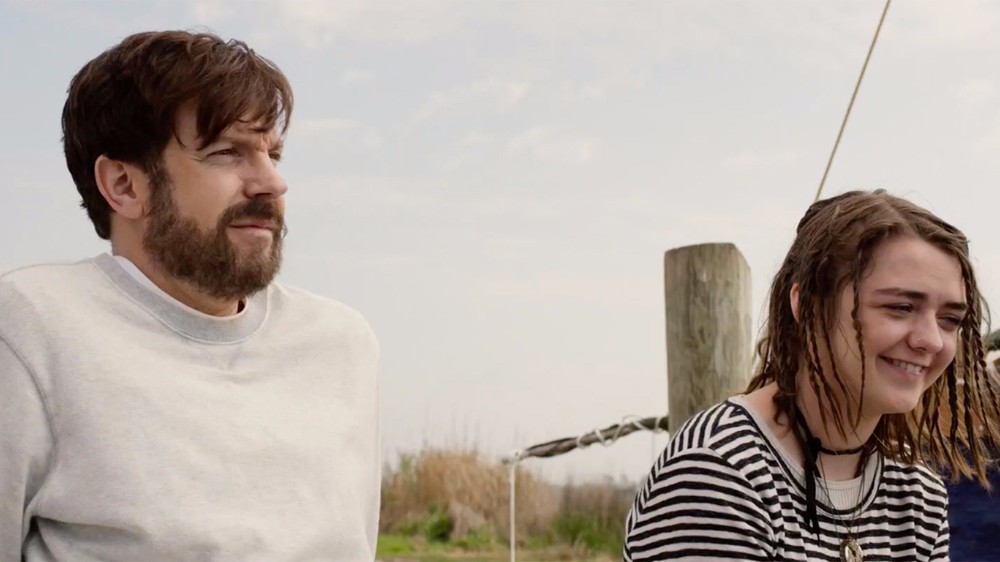


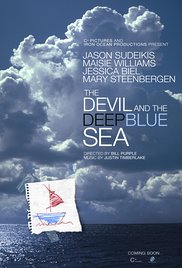
“A death in the family” is one of the oldest archetypes in the field of arts and entertainment. Countless works have discussed the myriad feelings and actions associated with the aftermath of a lost loved one. While it’s a well-established mainstream genre, death has not only been used as a medium by Hollywood – in Devil and the Deep Blue Sea, which chronicles two strangers’ grief after the loss of family members, independent film embraces the paradigm.
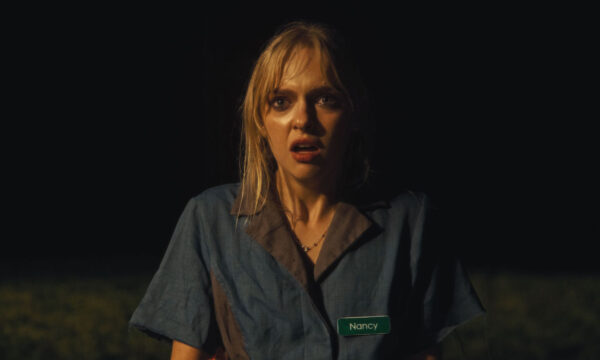
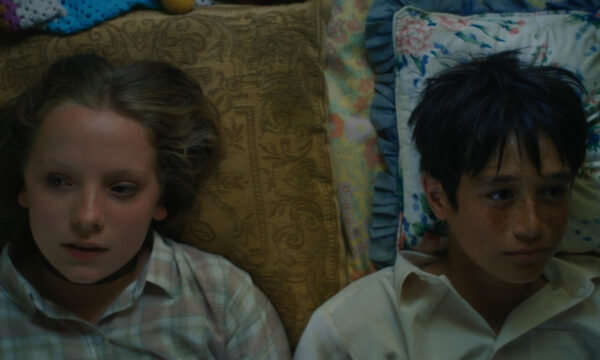
In post-Hurricane Katrina New Orleans, a pregnant woman is killed in a car crash. Her husband, Hank, is distraught and unable to cope with the death. As he flounders, “lost” in his life, wandering adolescent Millie enters the picture. Like Hank, she has experienced the death of a loved one and is similarly adrift. To escape from this reality, she is intent on building a raft to travel the seas. Never did she think that there might be someone else who needs a similar exodus from reality.
As the title suggests, Devil and the Deep Blue Sea is crafted with a poetic touch. The film relies on inspiring narrative interludes, literary allusions and New Orleans patois to convey this feeling, but of course these aspects are only as effective as the cast that presents them. The ensemble of Jason Sudeikis and Maisie Williams, alongside Mary Steenbergen, Jessica Biel, and Orlando Jones, ensure that the obvious motifs are not contrived.
Devil and the Deep Blue Sea is a funny, touching conventional independent film about loss. It fulfils everything the audience would expect without falling to laziness or unnecessary innovation. Entertaining and emotional, the result is even a crowd pleaser for those that prefer the esoteric.
Daniel Engelke
Devil and the Deep Blue Sea does not have a UK release date yet.
Read more of our reviews and interviews from the festival here.
For further information about Tribeca Film Festival 2016 visit here.













Facebook
Twitter
Instagram
YouTube
RSS