
London Jazz Festival: McCormack & Yarde and Michel Porter
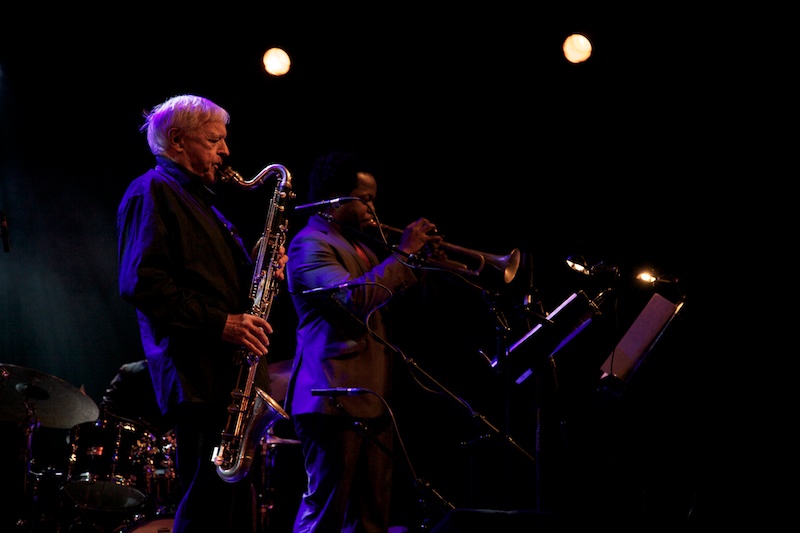

“The London Jazz Festival is actually the biggest music festival that London has,” states Jason Yarde, one of the key performers tonight. He believes that the London Jazz Festival introduces jazz to more people and develops a loyal and supportive fan base. It’s day four of the 2011 Festival and the Queen Elizabeth Hall awaits two upcoming and talented bands: McCormack & Yarde and Michel Porter. The lights dim down and the audience is greeted by a cheerful host who informs that the entire concert will be broadcasted live on BBC radio – a low hum of excitement and murmuring drift through the air.
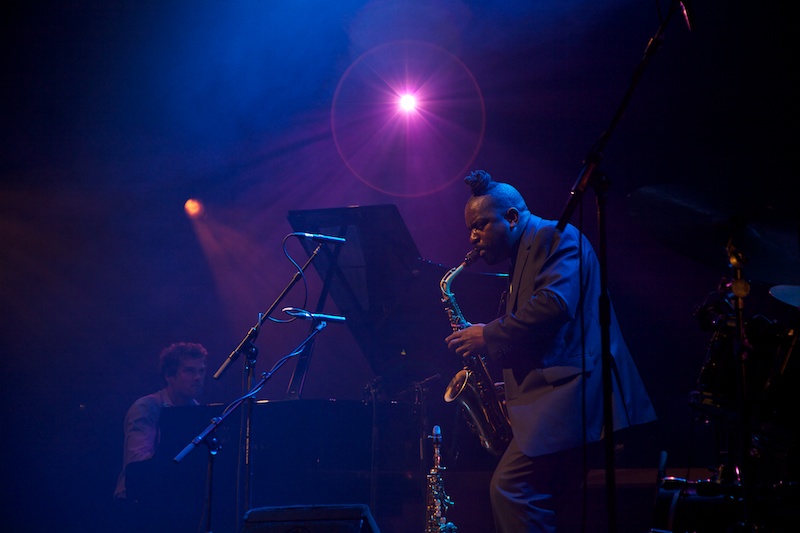
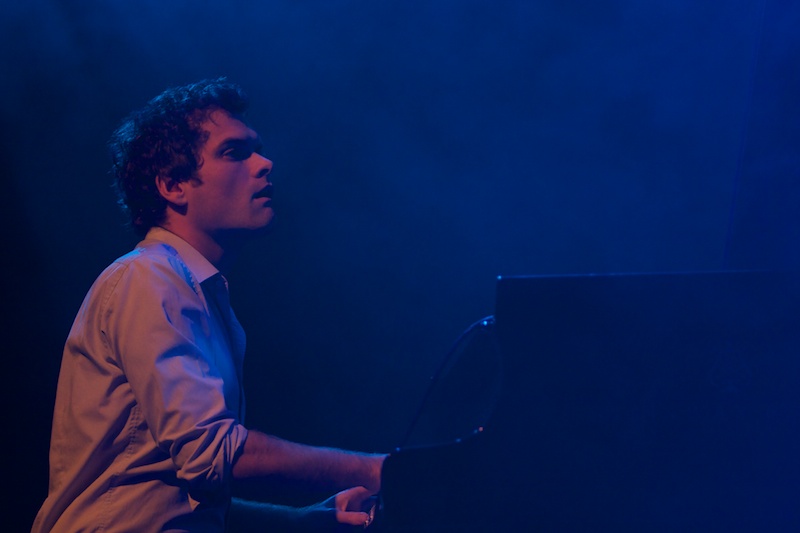
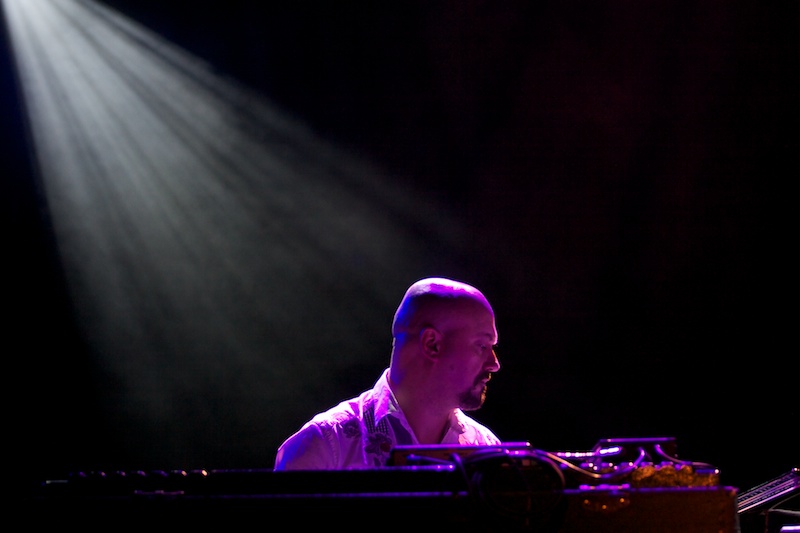
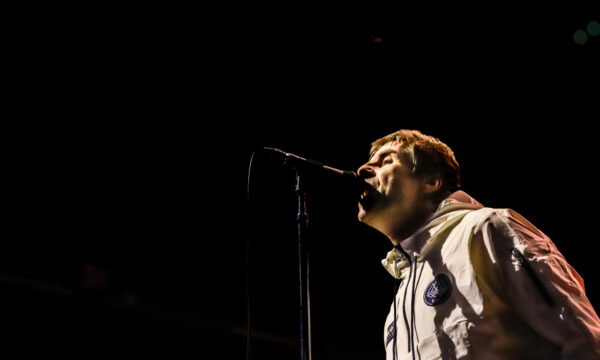
The first band of the evening is pianist Andrew McCormack and saxophonist Jason Yarde. Their opening number is titled Spanish Princess, from their second album Places and Other Spaces. The stage lights move across the audience and centre on the musicians to a slow but powerful chord accompanied by the subtle tones of the piano. As writers commissioned by the London Symphony Orchestra, the duo have been composing in-depth contemporary jazz and have gained widespread success from touring.
Even though the band played only two instruments on stage, it did not alter the symphony of the performance, which was almost like Vivaldi-meets-Chicago-Blues. Jason’s energetic and effortless change of pitch on the saxophone complimented Andrew’s light-bodied piano tones; however their following numbers – Antibe and Dark to Bright gave Andrew a chance to showcase his talent with an elegant and rhythmic piano solo which marked the end of their performance.
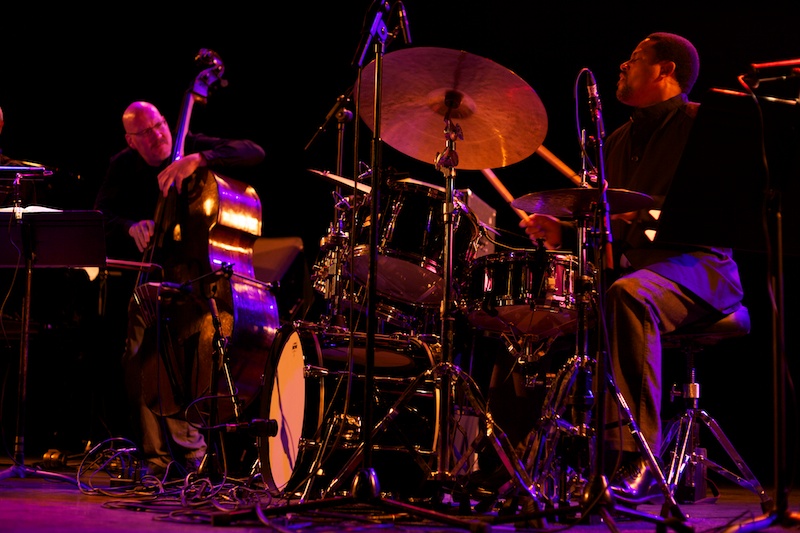
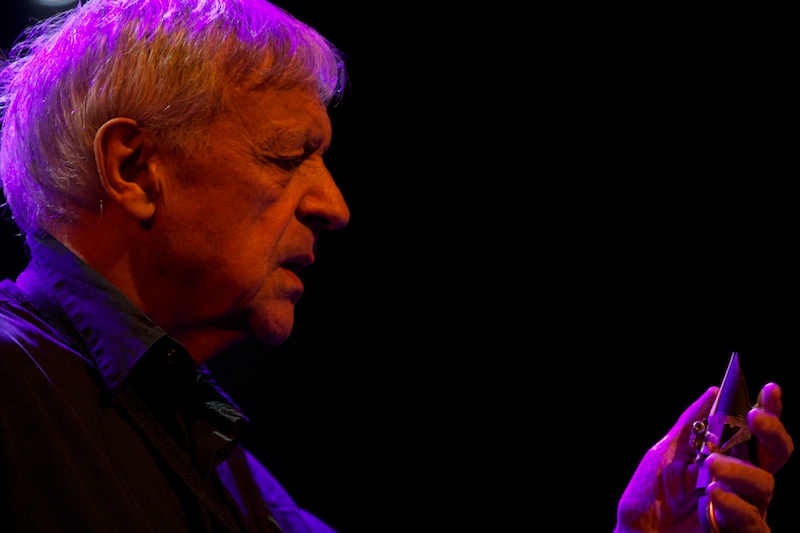
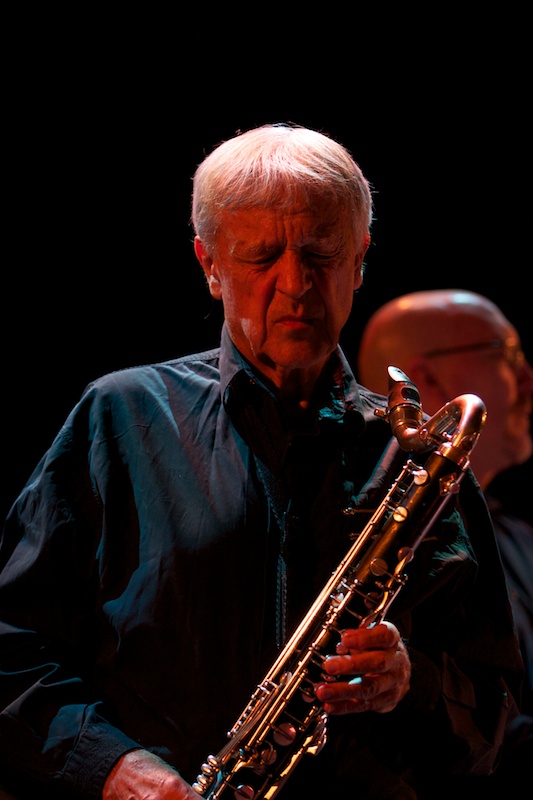
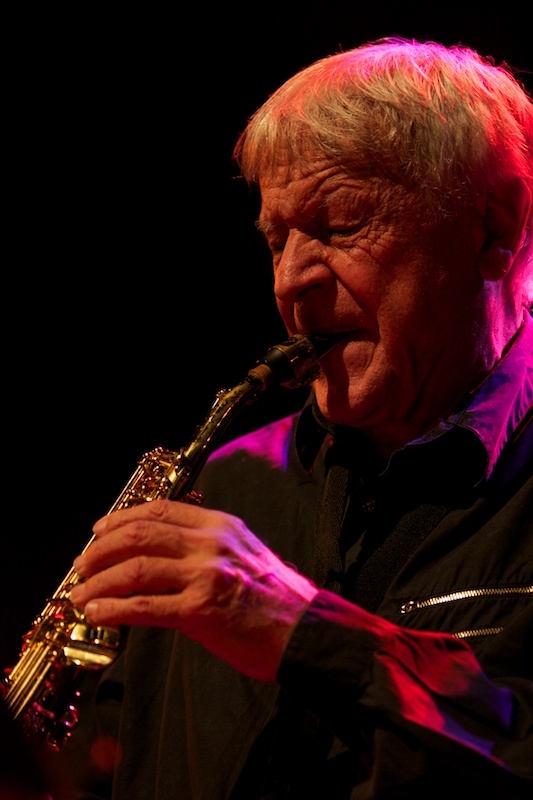
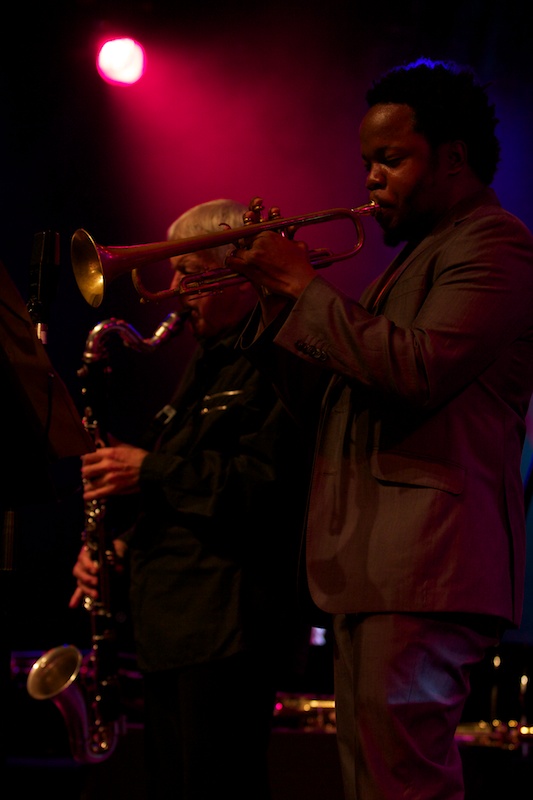
The second act for the evening was the much awaited Michel Porter. Known as the architect of European Jazz, his group consisted of an array of talented musicians. Guitarist Lionel Loueke, pianist Bojan Z, trumpeter Ambrose Akinmusire, drummer Nasheet Waits and bassist Scott Colley came together to present music from their album ‘Bailador’.
The opening piece was a fast paced number, joined midway by the clarinet and trumpet which added beat to the song. The rhythm of the performance managed to shift successfully between soft and aggressive tones without sounding out of tune, hence it is no wonder Michel Porter was awarded the first clarinet prize of the Conservatoire de Paris in 1959. The band members managed to merge as a rhythmic flow of soulful music while showcasing their individual talents in brief solos throughout the performance. The audience was so awed by the performance that they applauded midway, which can only be seen as a compliment. The stage chemistry of the band was similar to that of old friends rehearsing in the comfort their own space.
The performance on the whole was a musical treat showcasing original, raw and upbeat tunes influenced by classical Jazz with a contemporary twist.
Nirja Raju
Photos: Alessio Paratore





Facebook
Twitter
Instagram
YouTube
RSS