
A short guide to the French presidential election
 22 April 2012
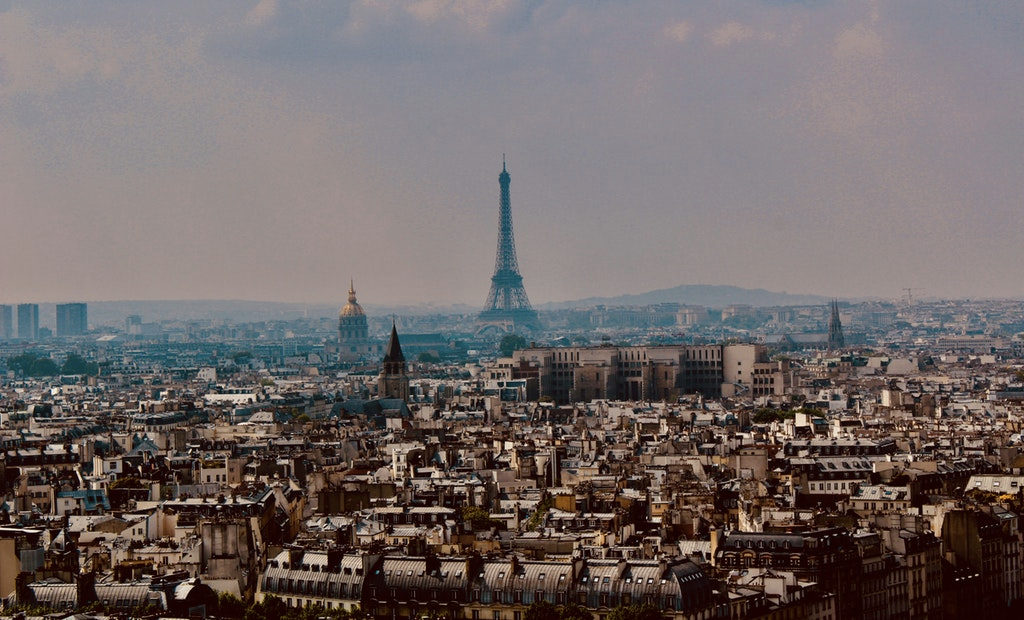
The French election this year is particularly significant. It has been 17 years since the country had a president from the left, but this might be about to change. Opinion polls show socialist candidate Francois Hollande to be a favourite, over centre-right Nicolas Sarkozy, to win the election.
Here are a few points to keep in mind:
1. In France a candidate must receive 50% of votes in order to win the election. If no one does, the top two runners advance to the second round. Although there are ten candidates, polls show that there are really only two major contenders. After today, eight candidates will be eliminated; two candidates with most votes will go into run-off on 6th May.
The rest which make up of far-left and far-right parties will still be influential to the outcome of the final result. For example, far-right candidate Marine Le Pen, who is polling behind Sarkozy and Hollande, could determine how her votes might have an inluence on Sarkozy’s strategy going into the run-off.
2. The issues concerning the French include unemployment and debt, but immigration is also a talking point. For both left and right, Europe is an issue that relates to the economic problems. Securing jobs has been difficult especially for young people and that is why Sarkozy is vulnerable, even though he has raised the retirement age to deal with the fiscal issues. Hollande however, is in favour of getting the government more involved to stimulate the economy by spending.
3. The election could affect the Eurozone – Sarkozy has worked closely with German Chancellor Angela Merkel for more austerity measures to tackle the European debt. Hollande has mentioned that he would like to “renegotiate” the terms that have been agreed to encourage growth.
4. France and US have things in common – Immigration, race and the assimilation of France’s large Muslim community have been major issues leading up to the election. Last year, Sarkozy and his government passed a law banning face-covering veil in public. In a recent television interview he said France has “too many foreigners” and the country is not integrating them properly.
5. French expatriates in London – Dubbed “Paris-on-Thames”, London counts more than 77,500 French Londoners allowed to vote at the gallic presidential election. There is little enthusiasm over the candidates: many viewing Sarkozy as having failed to deliver and many question Hollande’s credibility. Education is the number one issue, with Sarkozy promising to open more schools in the over-subscribed French schools in our capital. Hollande on the other hand will appeal to the expats who have experienced London’s diverse community.
Mily Ahmed
Current Affairs Editor





















Facebook
Twitter
Instagram
YouTube
RSS