
New interim Greek government sworn in

- 1
- 2
Duran Duran at the O2 Arena
Selina Begum
- 3
- 4
George Michael: The Faith Tour
Antonia Georgiou
- 5
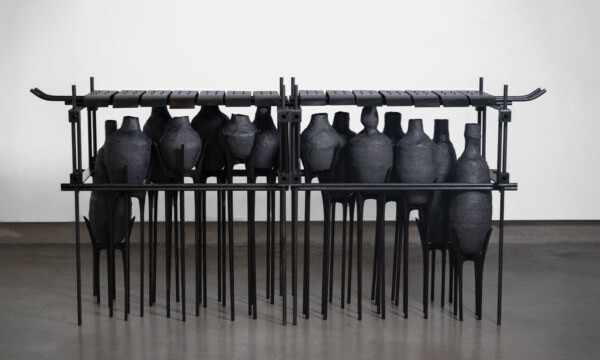




Meet Jessica Rosval, the world’s best female chef
Food & Travel Desk
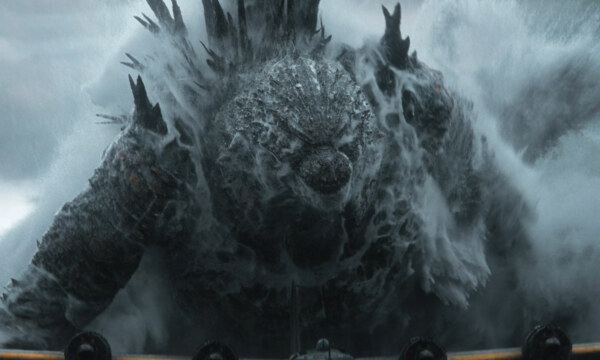
Godzilla Minus Zero
Christopher Connor
Players Social launches free challenge zone The Box in Spitalfields
Food & Travel Desk




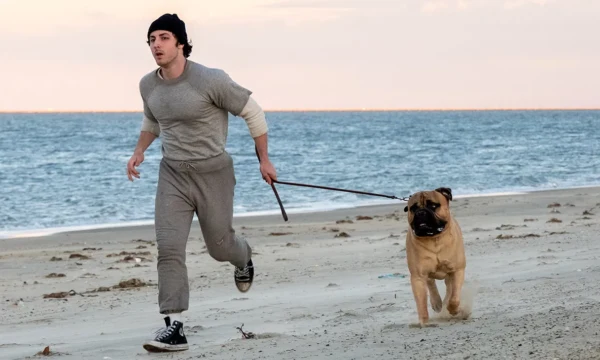
I Play Rocky
Umar Ali
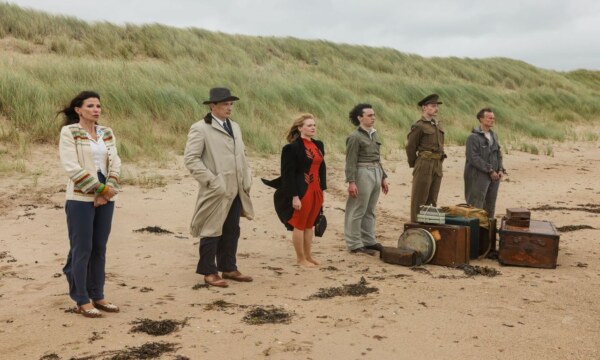
Think of England
Antonia Georgiou
Stereophonics celebrate 30 years with new greatest hits album Tune!
The editorial unit


Greece’s interim cabinet has been sworn in today, after its temporary head of state took office yesterday. The decision to create an interim government follows nine days of unsuccessful talks to create a coalition government, as the country tries to save its currency and prevent the collapse of the euro.
Voters ‘punished’ all of the major Greek parties at the polls for the cuts imposed on the country by international lenders, leaving no party with a majority and the country without a government. A set of elections has now been scheduled for the 17th June, and campaigning has begun again.
The inability of the parties to form a coalition has raised doubts about Greece’s ability to meet the terms of its bailout package and pay back its massive debts.
Greece’s new interim Prime minister is 67-year-old judge, Panagiotis Pikrammenos. He spoke about the decision to form an interim government, saying: “This is purely a caretaker government, but it escapes no one that our country is going through difficult times. We must safeguard its prestige and ensure a smooth transition.”
The current state of politics in Greece has led to fears that the country will be unable to make a vital set of payments next month. If Greece does default on the payments, its place in the Eurozone – the group of 17 countries using the euro – could be threatened, warned global economist Paul Donovan.
“If Greece exits the euro it won’t be alone. Others will exit…There would be bank runs across multiple countries”, he said.
Greece’s outgoing Finance Minister, Filippos Sachinidis, said on Wednesday that the stakes were the highest they had ever been for Greece, and that voters’ decisions at the next elections in June would determine whether or not Greece would be staying in the Eurozone.
He said: “It is our choice, our decision, but…we will go back decades. All our achievements will be wiped out and it will happen in such a violent way I don’t know if we will be able to continue functioning as a modern democracy.”
Abbie Cavendish