South Africa: The Art of a Nation at the British Museum
A journey from earliest man to contemporary culture


- 1
- 2
Duran Duran at the O2 Arena
Selina Begum
- 3
George Michael: The Faith Tour
Antonia Georgiou
- 4
- 5
Merry Christmas Aubrey Flint
Andrew Murray




Meet Jessica Rosval, the world’s best female chef
Food & Travel Desk
Godzilla Minus Zero
Christopher Connor
Players Social launches free challenge zone The Box in Spitalfields
Food & Travel Desk





I Play Rocky
Umar Ali
Think of England
Antonia Georgiou
Stereophonics celebrate 30 years with new greatest hits album Tune!
The editorial unit




South Africa: The Art of a Nation at the British Museum takes visitors on an extraordinary journey exploring the interactions between human beings and works of art. From the earliest known forms of human culture to the country’s intense struggle to heal after the apartheid movement, this exhibition offers an insight into a nation and into human nature itself.
One of the first objects on show is also one of the most extraordinary. At first glance, it doesn’t look like anything special: it’s just a rock, a smooth pebble with naturally occurring dents that make it resemble a human face. The incredible thing is that it was collected around three million years ago by one of our early human ancestors and kept for its aesthetically pleasing shape, marking one of the first known examples of an “artistic” sensibility in humans and pre-figuring the “found object” art popularised so much later by the Surrealists.
The exhibition is one that probably couldn’t be held by any other museum in the UK. Founded in 1753, much of the British Museum’s extensive collection was compiled at the height of Britain’s colonial power, and many of the items were undoubtedly gathered with colonial attitudes that would be entirely unacceptable today. In this striking display, the museum doesn’t shy away from this aspect of its own history, instead explaining how objects from African countries were often collected as illustrations of a “primitive” culture rather than as artworks in their own right.
In an admirable move, the show presents a beautiful South African headdress as it was originally gifted to the museum: in a bell jar, usually reserved for natural history specimens rather than works of art. To explain the relevance of its presentation means that this object item a dual insight both into the culture that produced it and the culture that collected it.
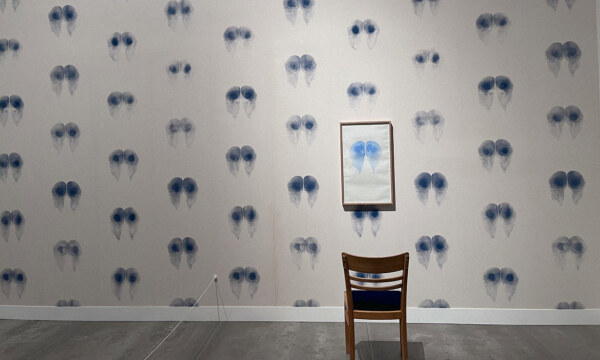
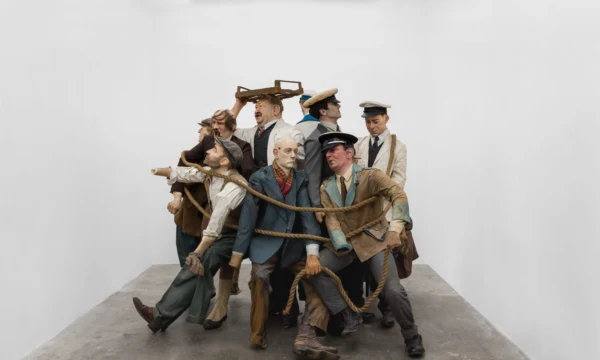
Throughout the show, articles from South Africa’s history are accompanied by contemporary artworks that speak to the nation’s complex history. The apartheid government attempted to erase any knowledge of pre-colonial history and art objects, and many artists working from South Africa today are trying to reinstate that lost element of their national identity. The effect of this unique approach to the exhibition is one of a dynamic continuing story, a journey from earliest man to contemporary culture.
Anna Souter
South Africa: The Art of a Nation is at the British Museum from 27th October 2016 until 26th February 2017, for further information or to book visit here.