
The Cockroach by Ian McEwan


- 1
- 2
Duran Duran at the O2 Arena
Selina Begum
- 3
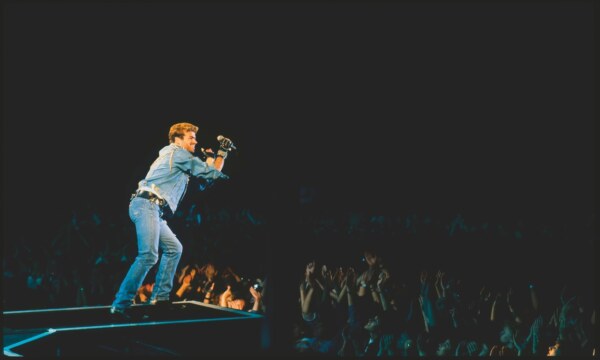
George Michael: The Faith Tour
Antonia Georgiou
- 4
- 5
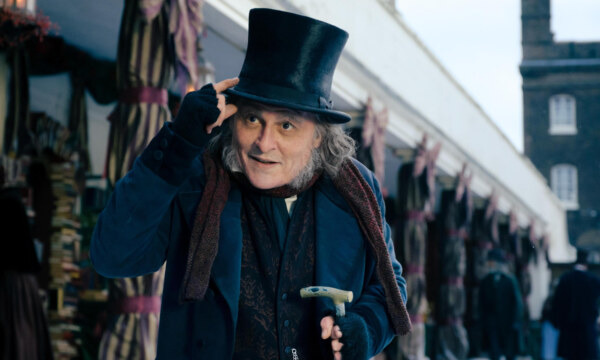
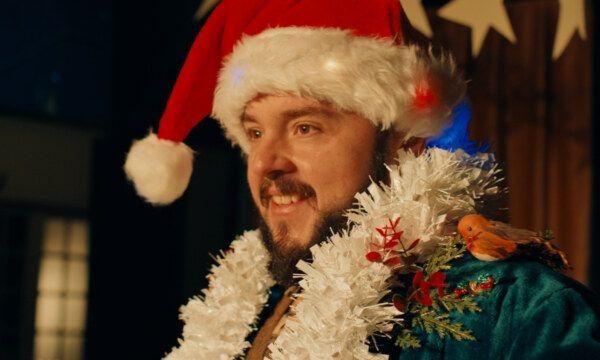
Merry Christmas Aubrey Flint
Andrew Murray


Meet Jessica Rosval, the world’s best female chef
Food & Travel Desk
Godzilla Minus Zero
Christopher Connor
Players Social launches free challenge zone The Box in Spitalfields
Food & Travel Desk

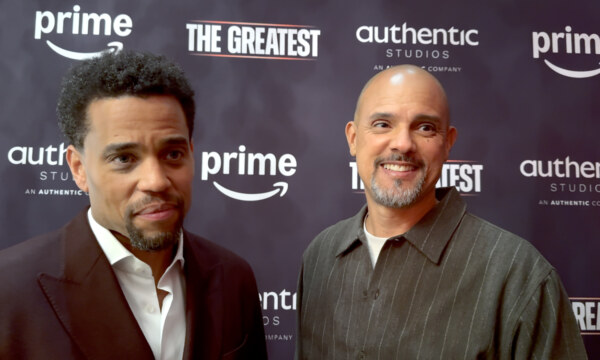


I Play Rocky
Umar Ali
Think of England
Antonia Georgiou
Stereophonics celebrate 30 years with new greatest hits album Tune!
The editorial unit



Ian McEwan’s The Cockroach opens echoing one of the most enticing first lines in modern literature. “That morning, Jim Sams, clever but by no means profound, woke from uneasy dreams to find himself transformed into a gigantic creature.” But whereas Kafka’s Gregor Samsa wakes to find himself the creature, McEwan’s creature (a cockroach) wakes to find himself a human – indeed, Prime Minister.
The setting is post-Brexit Britain — except that in McEwan’s universe, the inciting incident isn’t Brexit but the adoption of an economic system he calls “Reversalism”. Under Reversalism the flow of money within an economy is put into reverse, so that employees pay their employers for the right to work, and shops compensate consumers for taking home their wares. Of course, it’s a disaster. The idea is amusing, even if the point it is used to make is a rather tired one. The logic reminds one of Heller’s Catch-22, the fake origin story a little of Borges. Unfortunately, despite its merits, it’s not enough to save the book.
The Cockroach’s central defect is the indelicacy of its central image: opponent as cockroach. Even under the best of circumstances, following the lead set by Hutu leaders and Hong Kong police officers isn’t a good look – on anyone. But here it is the fact that a writer of McEwan’s ability felt the need to rely so heavily on such a tired cliché that is so baffling.
By beginning the work with a nod to The Metamorphosis, McEwan invites a number of unflattering comparisons. Here I’ll mention just one. Part of the reason Kafka’s story is so effective is the relatability of its central character. Gregor Samsa may evoke disgust in the fictional world of the story but this contrasts with the sympathy he generates in us. But while Kafka plays with this tension and forces us to evaluate and re-evaluate, McEwan simply invites us to relish in our prejudices. This is not what good literature does, and the reference to Kafka only serves to remind us of this.
A pamphlet would have better served McEwan’s purposes, though even then this reviewer would have been disappointed with such stale and nasty images. A little subtlety goes a long way.
Ben Craik
Featured image: Penguin Random House/Ursula Soltys
The Cockroach is published by Penguin Books at the paperback price of £7.99. For more information visit here.