
Gaming in Japan: A countrywide craze
 1 July 2022
It was during the 80s that Japan began to stand out as the ultimate video game haven – first with the release of Namco’s Pacman, then with Nintendo’s Mario Bros and finally, in the early 90s, with Sega’s Sonic the Hedgehog.
40 years later, Japan is still at the forefront of gaming, with the third largest market in the world after USA and China. Consoles are still the go-to platforms for real gamers but recent surveys report that 50% of Japanese Internet users play games with their smartphones. Augmented reality games such as Pokemon Go and Dragon Quest Walk are tipped to be the future, opening up unique opportunities for commercial placements on top of offering unique gaming scenarios.
Gaming, once considered an activity for “loners”, has proven it can unite people and offer precious social value: players can connect and feel part of a community, which was especially important during the lockdowns.
The Japanese video gaming industry is rich with developers including Nintendo, Capcom, Sony Interactive Entertainment, Bandai Namco, Square Enix and Sega, to name a few. But, aside the big names, there are thousands and thousands of micro companies publishing new titles every day. The selection ranges from sports to RPG, arcade to first-person shooter.
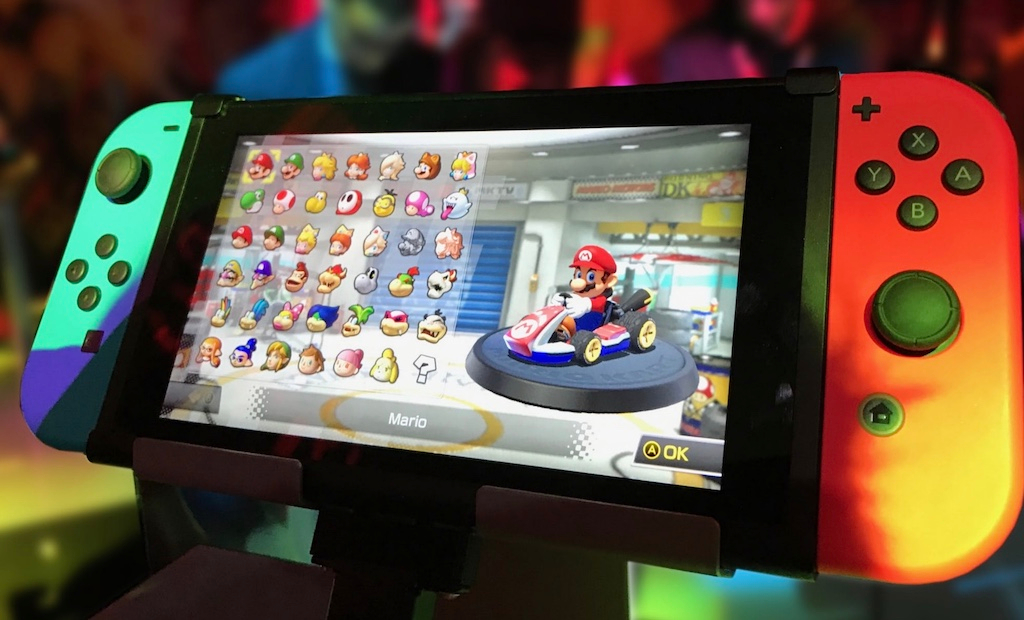
Gaming in Japan is not just part of the economy, it’s a cultural phenomenon, and people spend more time and more money on their entertainment. It’s no coincidence that the most successful consoles – Playstation, Nintendo Switch, Nintendo DS, Nintendo Wii – were all born in Japan, with Microsoft’s Xbox being an exception.
One of the more interesting stats regarding the Japanese market is that the majority of habitual players are women, and nearly 30% of all the players are over 65.
The eSports industry is on the rise too, and the Ministry of Economy has plans to expand this new business by supporting companies and developers who plan and organise major national and international tournaments.
The editorial unit
























Facebook
Twitter
Instagram
YouTube
RSS