
HULALA HOME: Adaptive design for effortless living
 6 December 2025
Most adults only build things when a delivery driver drops off a box that rattles in a way that predicts emotional damage. So when modular furniture hands people a method for stacking, shaping, and rearranging their home without hunting for a screwdriver, something sparks.
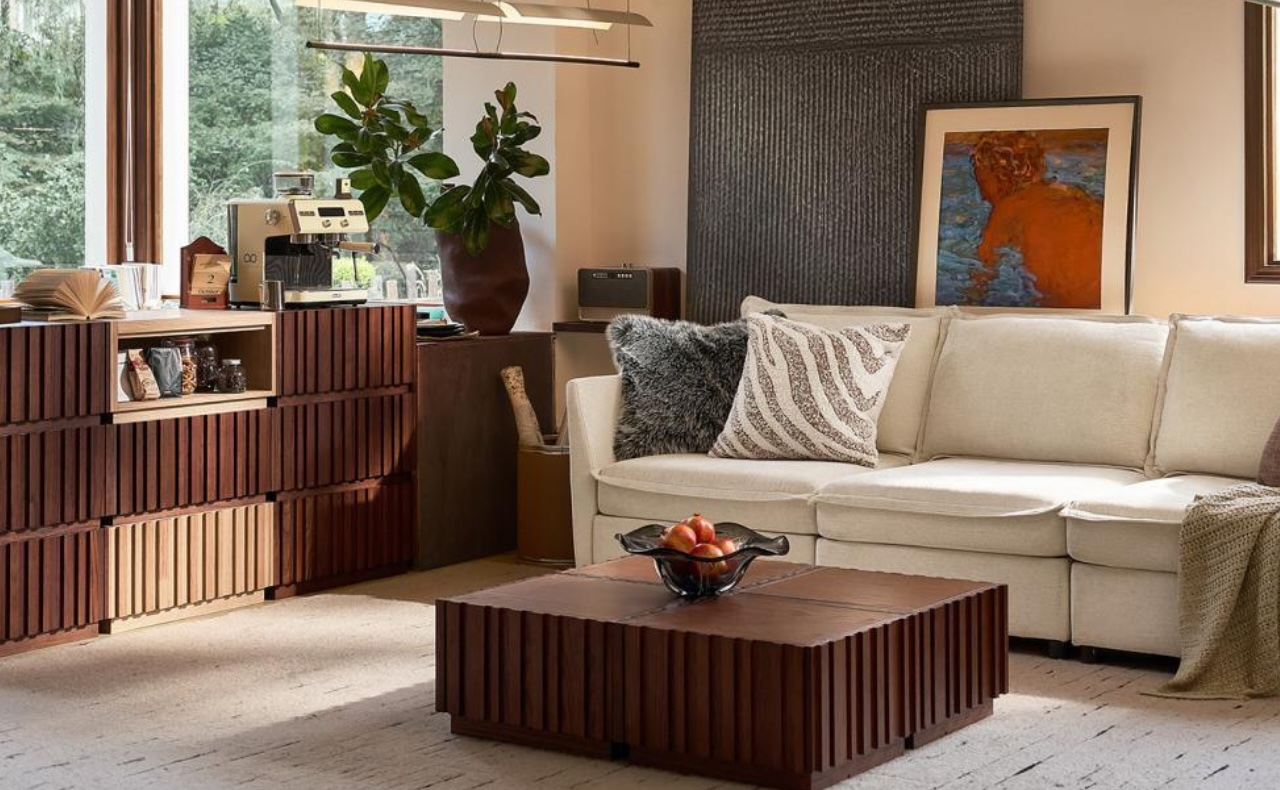
It feels a little like childhood, but with pieces that actually match the floors. That’s the spirit behind the modular cabinet concept from HULALA HOME, built around simple construction and the pleasure of shaping a room piece by piece.
The joy behind everyday building
Rearranging a space often happens during a life shift. A new job, a new roommate, or a “let’s start over” weekend. Modular pieces sit comfortably in those moments because they can move, rotate, and line up without drama. Each cabinet works like a grown-up building block that can stand alone or link with others into whatever formation the room demands.
That kind of flexibility may give people a small sense of control in a home that keeps changing. Slide a unit under the window, add another beside the sofa, or build upward when floor space suddenly feels limited. One simple shape becomes several possible layouts, which brings that small thrill of making something useful with the hands.
How adaptable furniture supports real life
As life changes, so does the home. A space that worked last year may feel completely wrong next month. HULALA HOME leans into that truth with a system designed to shift as easily as habits do. Their philosophy of adaptive design and effortless living comes through in the way each module connects and reconnects without tools, extra hardware, or silent prayers.
Scene adaptability plays a major role. A single cabinet can work as a nightstand in a cramped bedroom, then join two others to become a TV stand in a wider living room. Direct positioning, clear labels, and simple assembly may help people skip the frustration and get straight to the part where the room starts cooperating.
The design also supports life-stage changes. Families grow, belongings multiply, and storage needs rise without warning. Instead of replacing an entire setup, users can add pieces with matching hole spacing, interchangeable panels, or varied finishes. The system expands the way a family might, step by step.
What makes the modular cabinet work
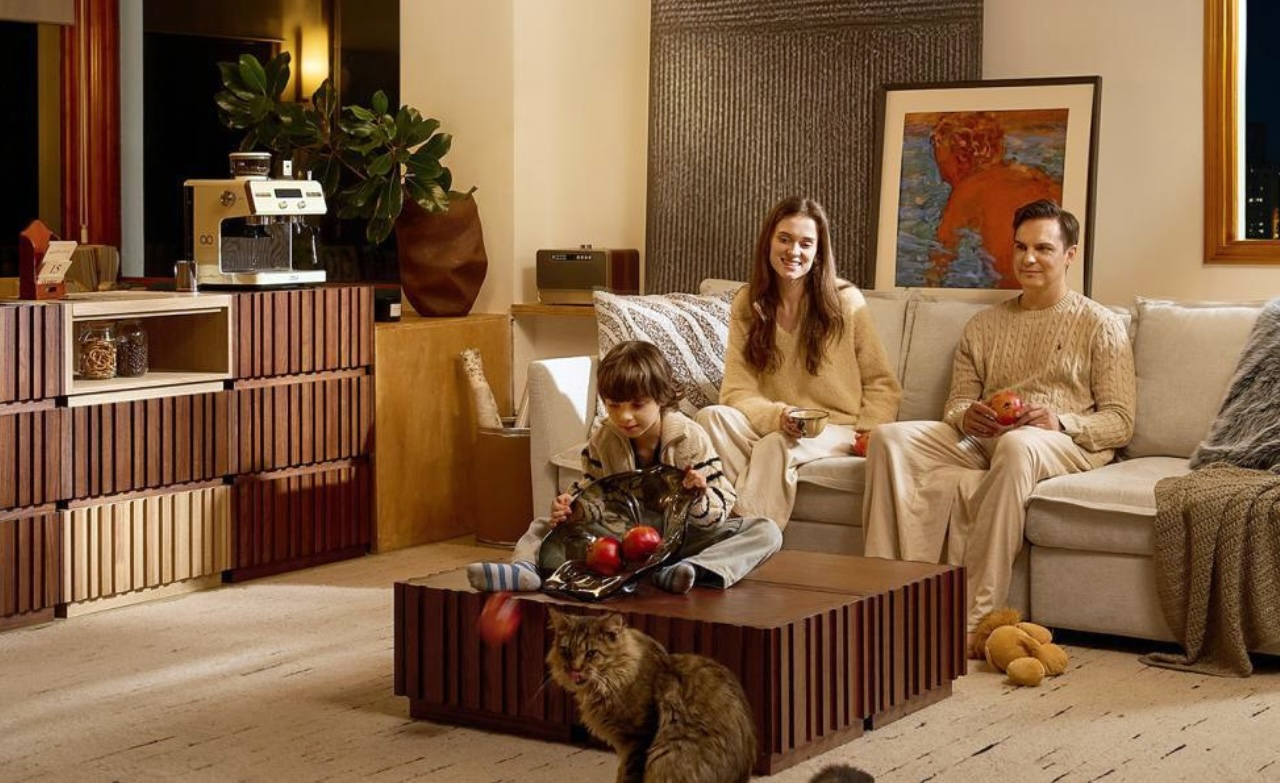
A smart layout starts with uncomplicated parts. Each component uses the same unified structure, so building feels more like stacking than construction. Shelves and drawers can be traded out depending on what a room needs at the moment, and back panels swap in without disrupting the whole piece.
The flexibility shows up visibly, too. Users choose colors that match their existing space or go bold when they want a refresh. A living room that feels crowded can open up with a few layout tweaks, and a bedroom with limited storage may gain usable corners simply by moving pieces around. Nothing locks the experience into a single approach, as the system is designed to evolve over time.
Playful design without the stress
A room often feels different once it’s rebuilt, even if the furniture itself hasn’t changed. That small emotional shift matters. Modular pieces bring a sense of play into grown-up spaces without feeling childish. They support creativity, especially for people who want a home that responds to them instead of staying rigid.
Stacking modules into a tall column may make a narrow hallway more functional. Lining them side by side may calm a room that always felt cluttered. Even choosing colors can feel satisfying in a way that breaks up the monotony of adult decision-making. The system gives shape to that feeling of “I want something new” without forcing a full makeover.
Making space feel more personal
A home usually adapts long before someone admits they’re ready for a change. Modular cabinets meet that moment by offering a structure that turns those shifts into small, manageable choices. Add here, subtract there, and the space answers back with a layout that makes more sense.
The furniture supports creativity, reduces the mental load of major rearranging, and treats each room like something that can evolve slowly instead of all at once. Shape your home, block by block, and let every change feel lighter than the last.
The editorial unit






















Facebook
Twitter
Instagram
YouTube
RSS