
To Kill a Mockingbird at Wyndham’s Theatre
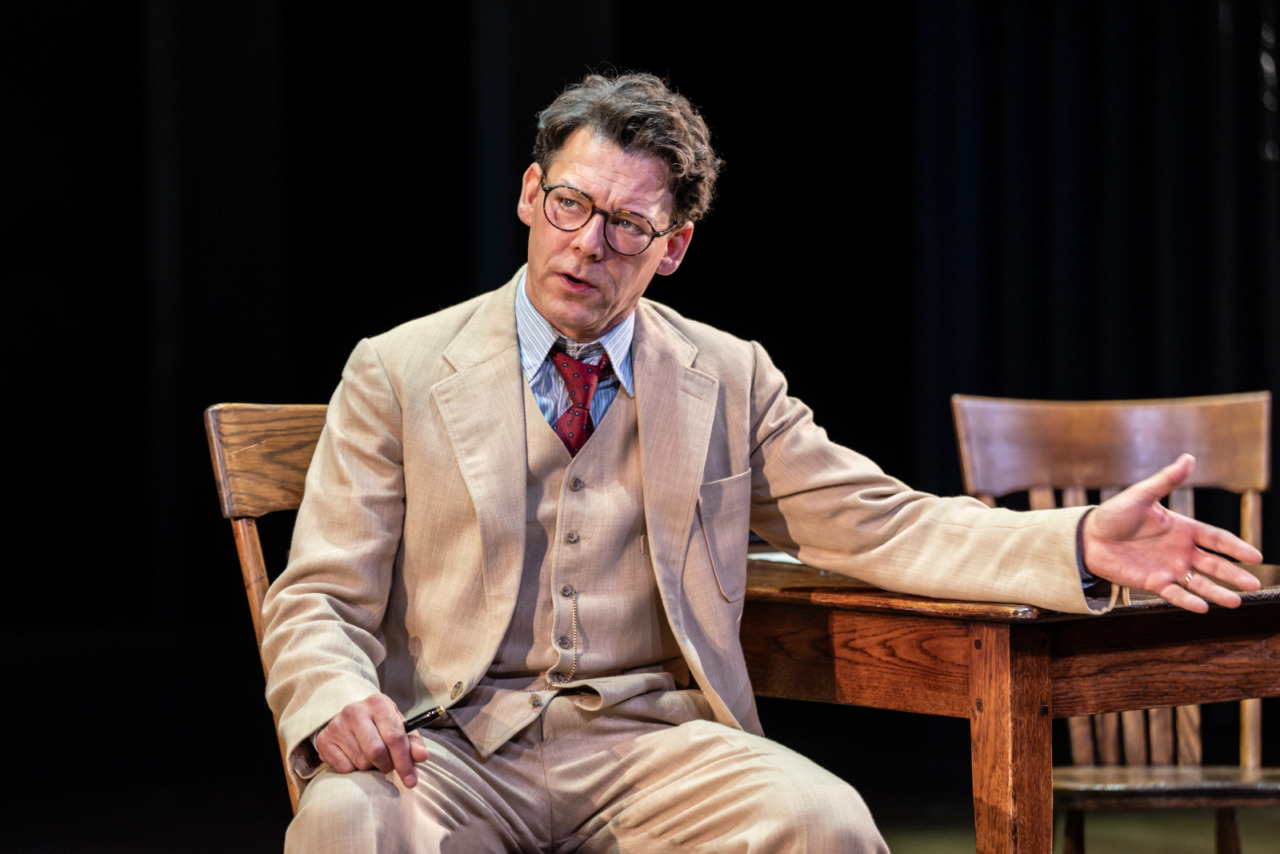


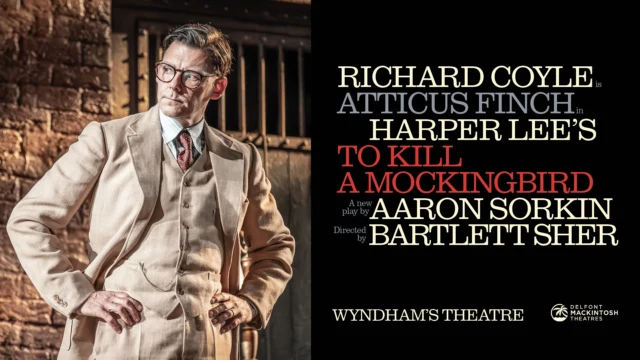
Great literature speaks across time, and great theatre ardently brings stories to life. In a country bleeding from internal divisions, Harper Lee’s To Kill a Mockingbird has, with finesse and clarity, laid bare the irrationality of prejudice and the desperate need to come together as a community. In a 21st century still bleeding from division and arrogance, Aaron Sorkin brings to the stage a reimagining of that same story with wit, passion and remarkable wordsmanship that moves and speaks to today’s audience in a powerful call for empathy.
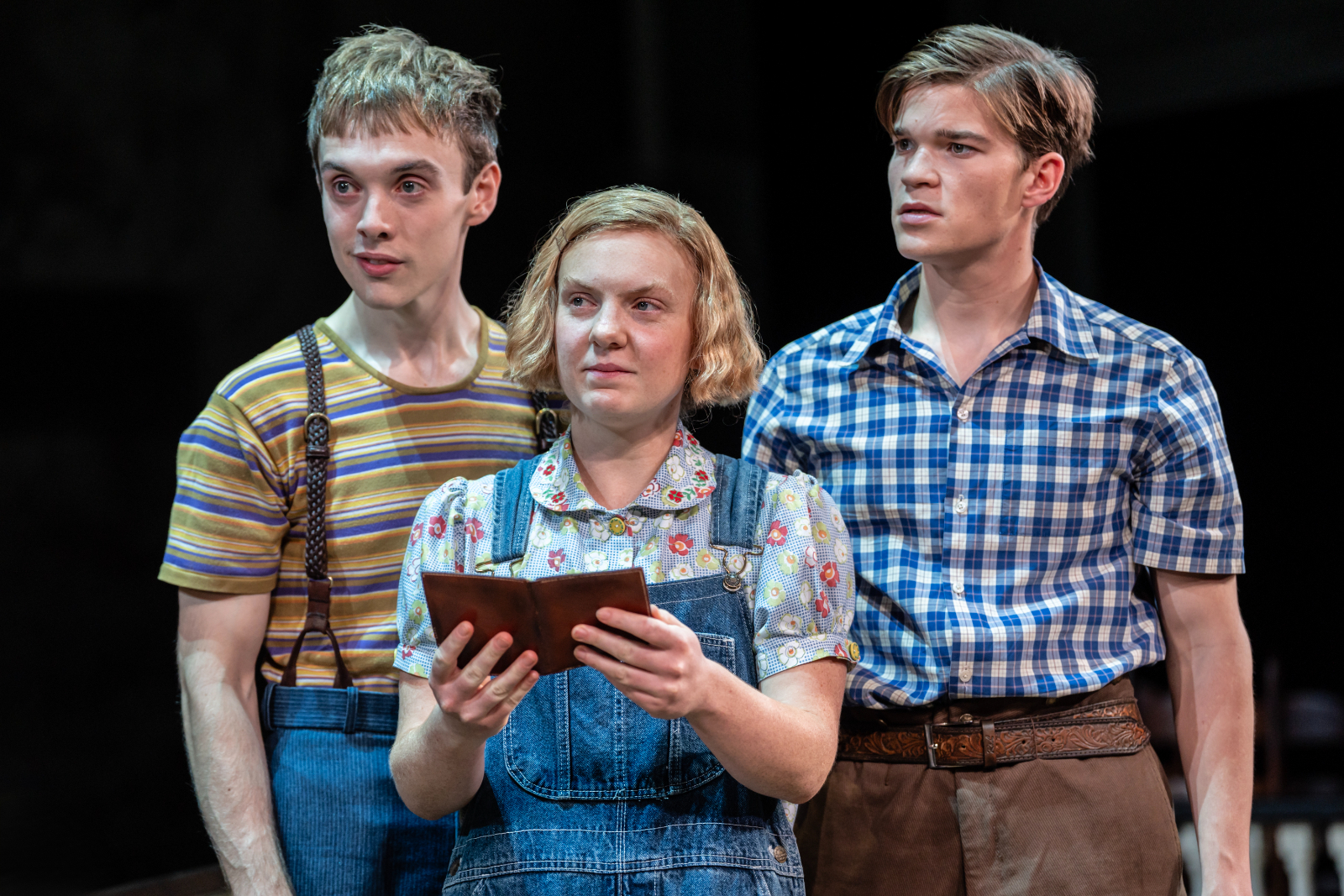
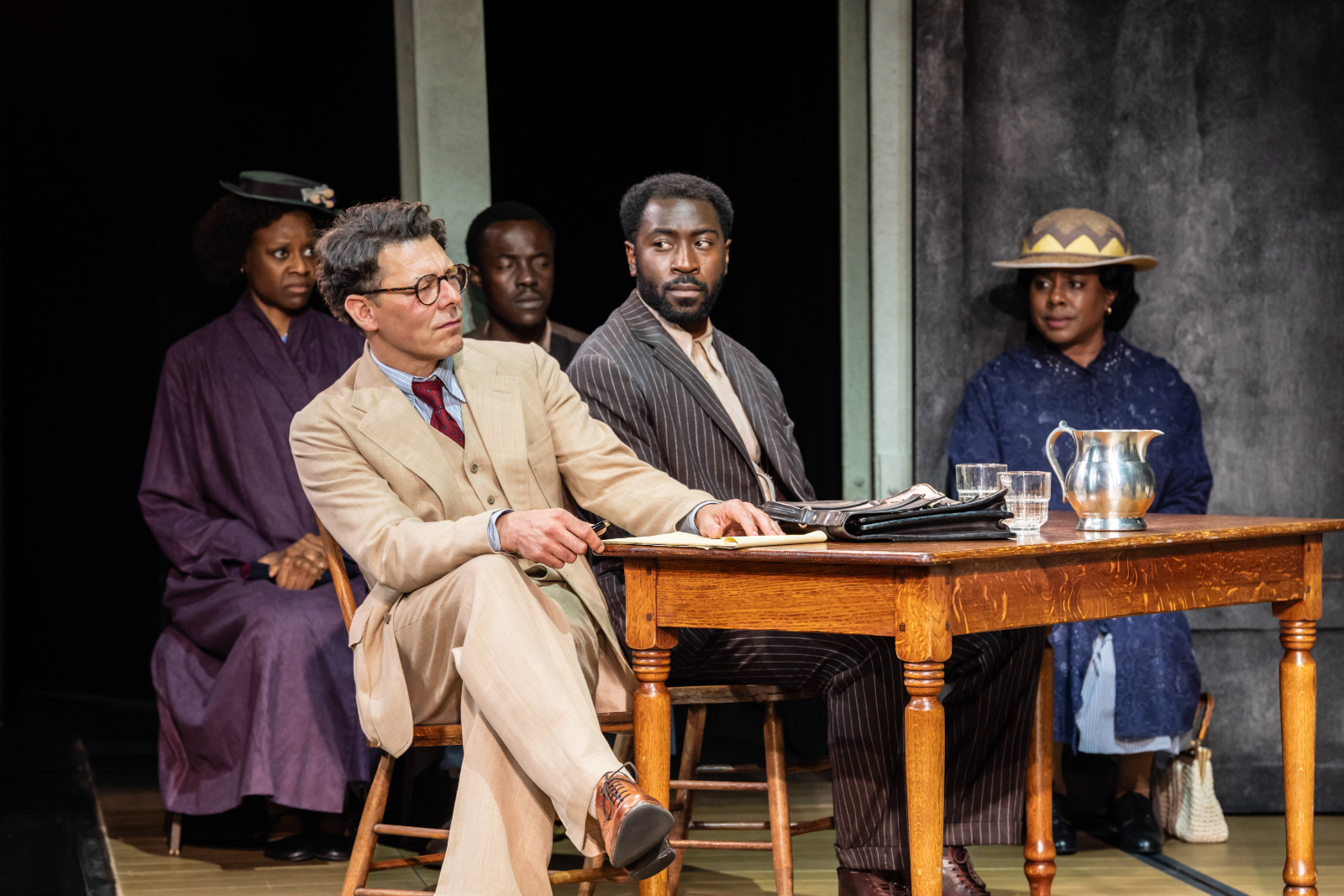
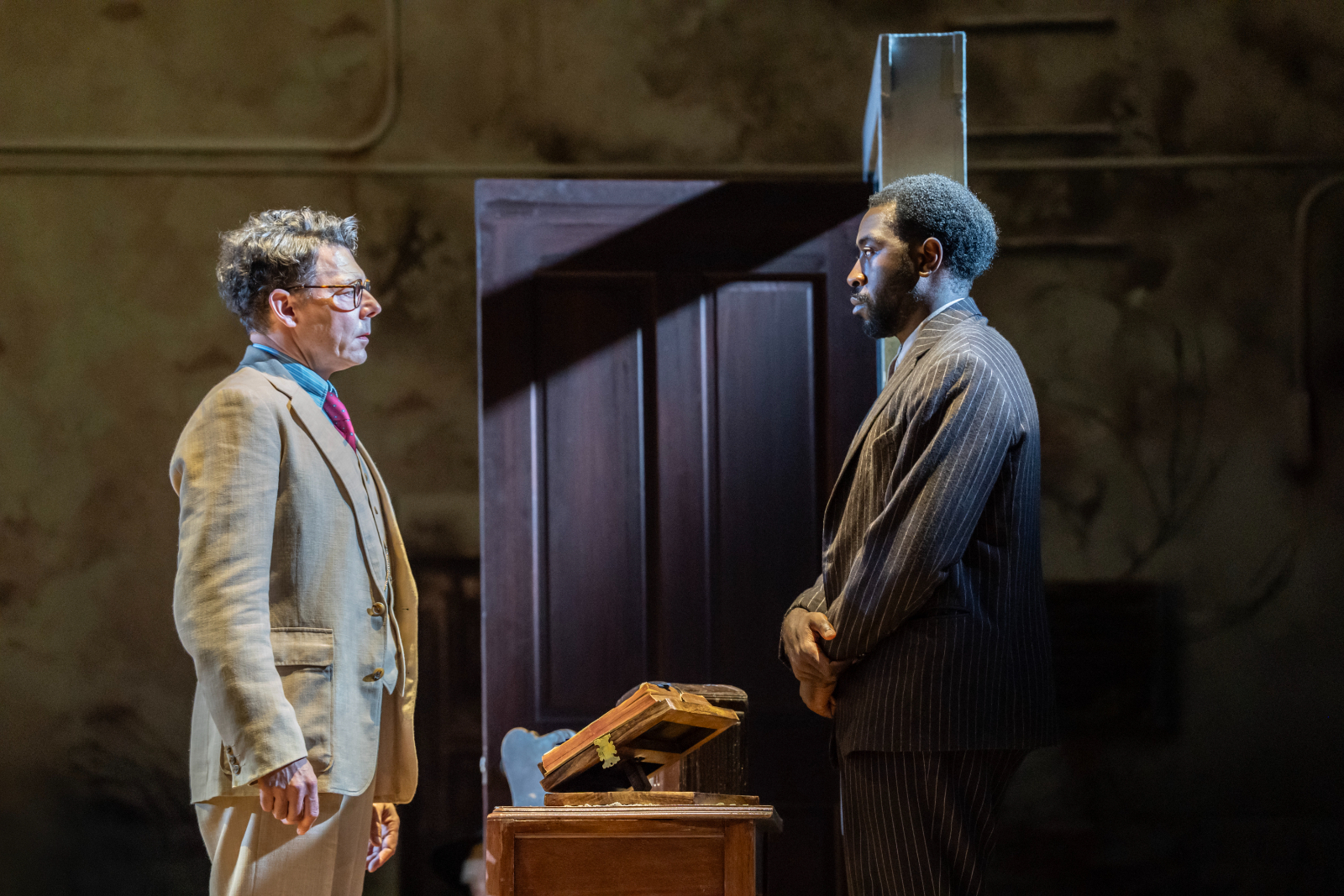
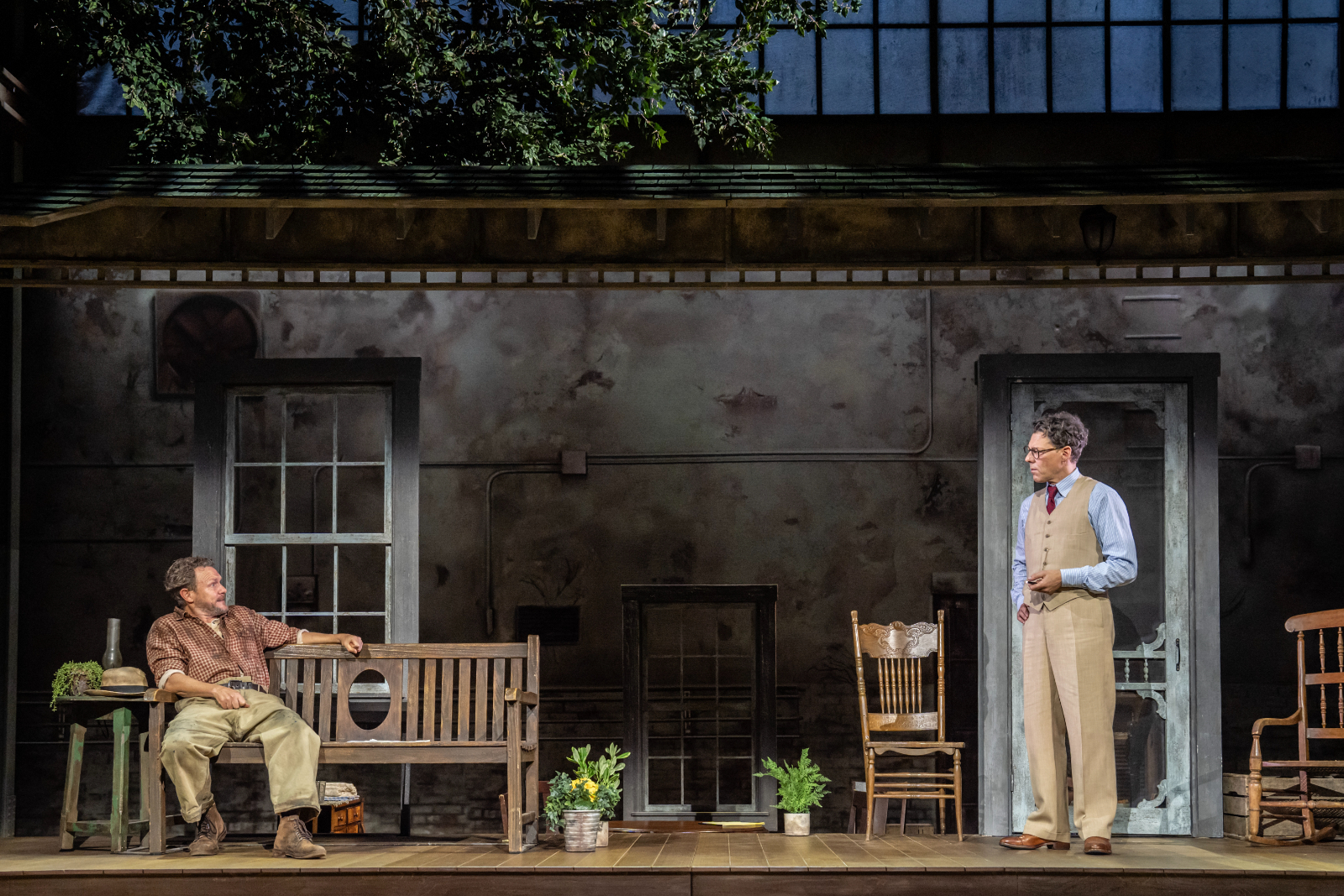
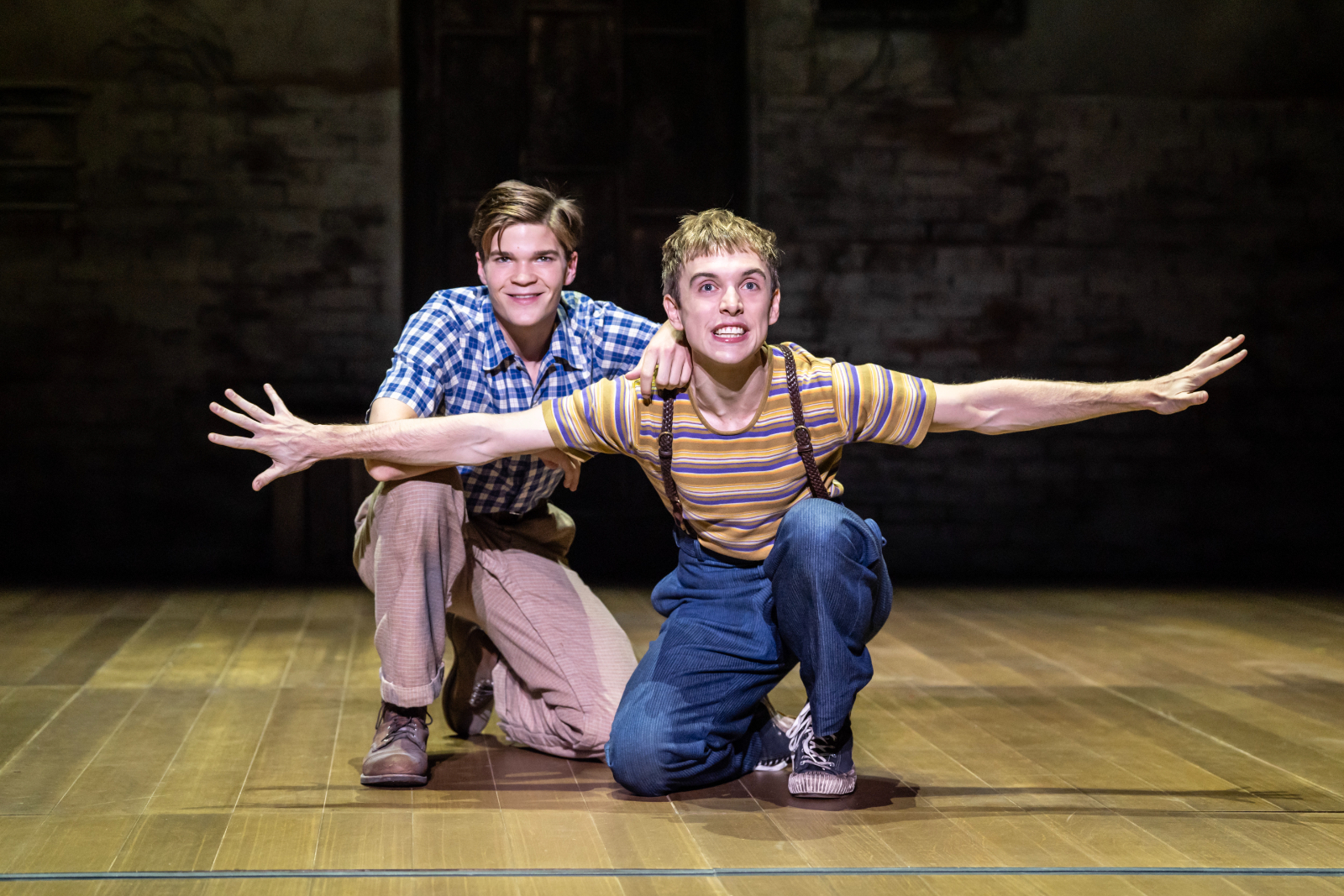
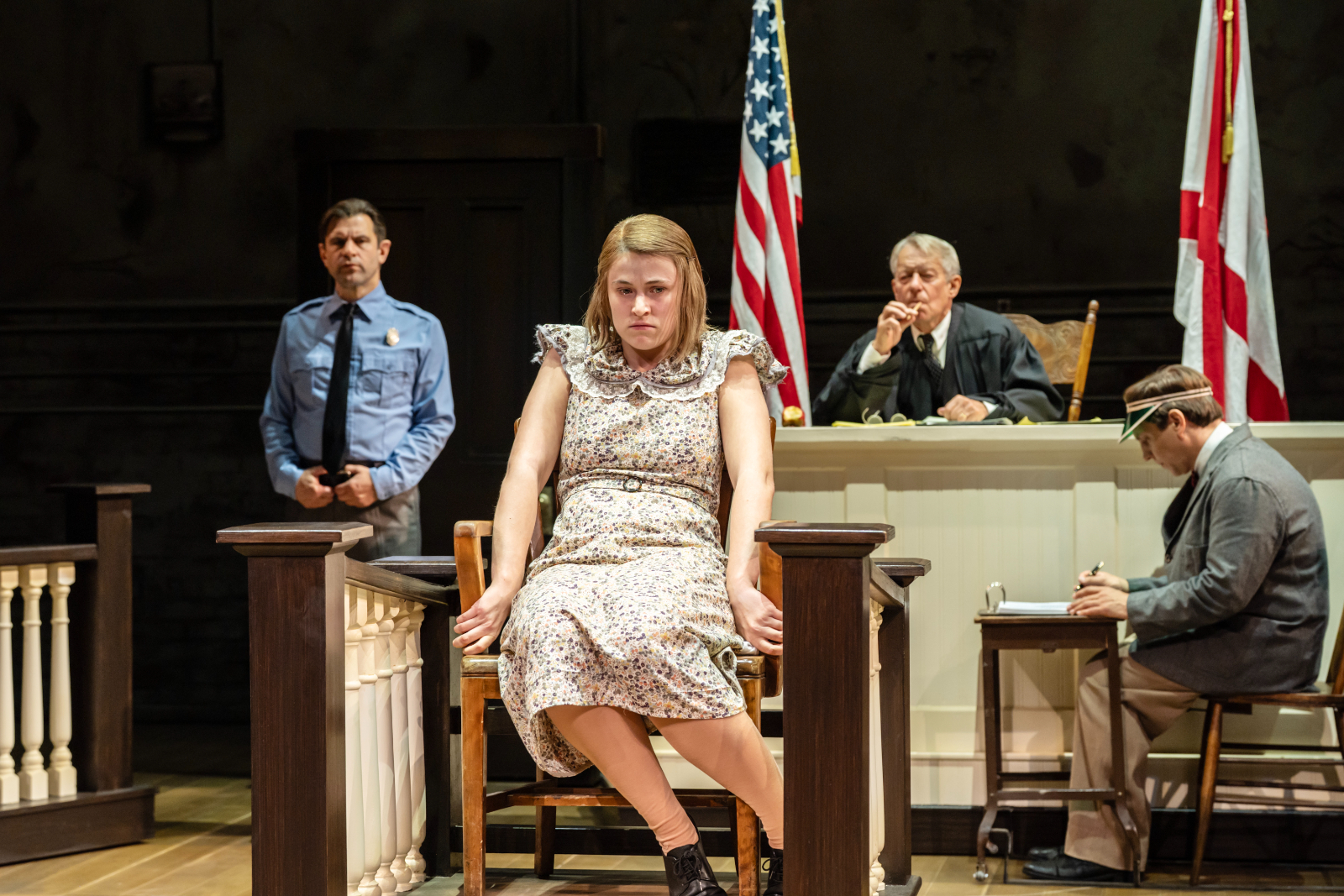
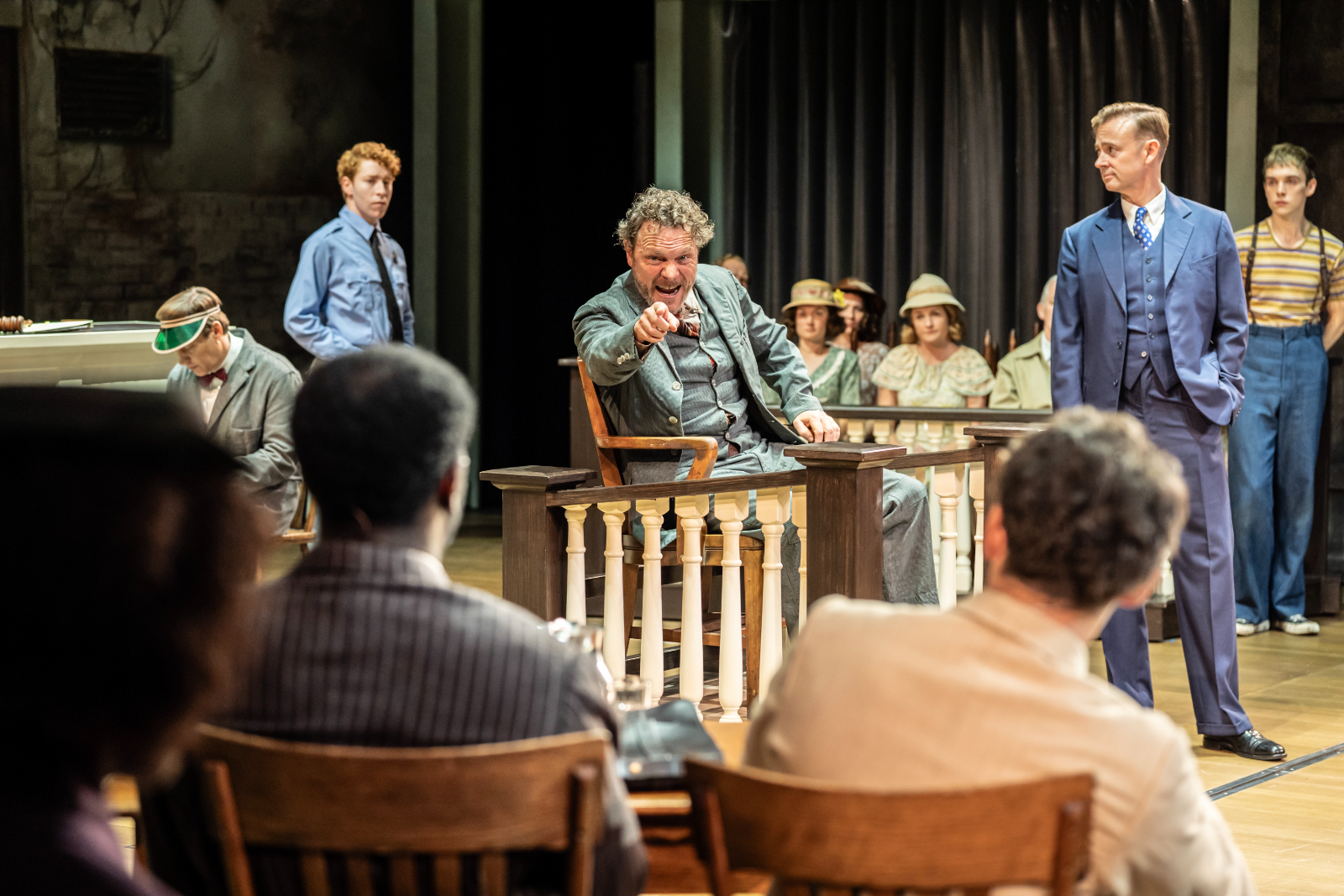
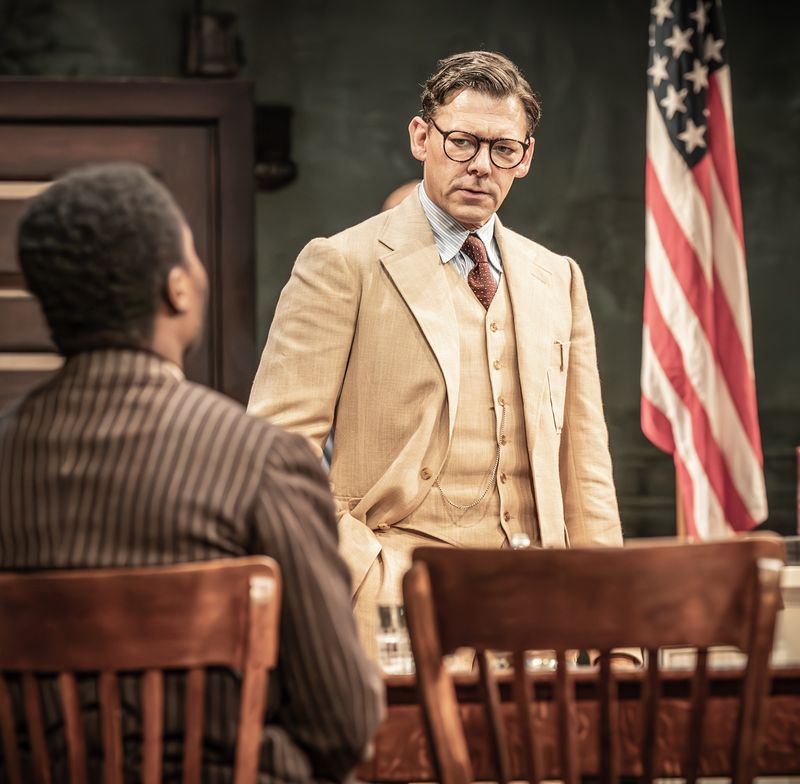
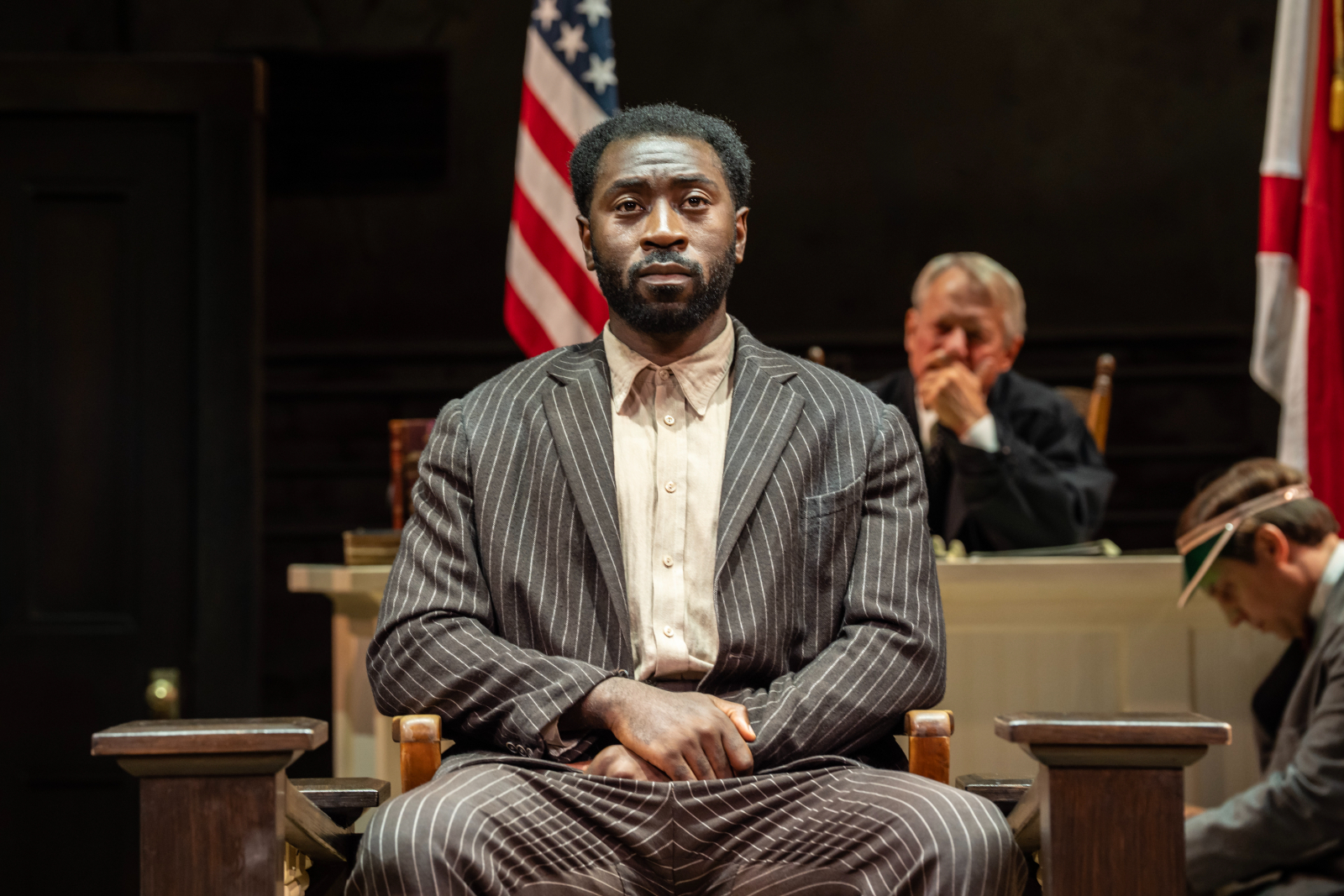
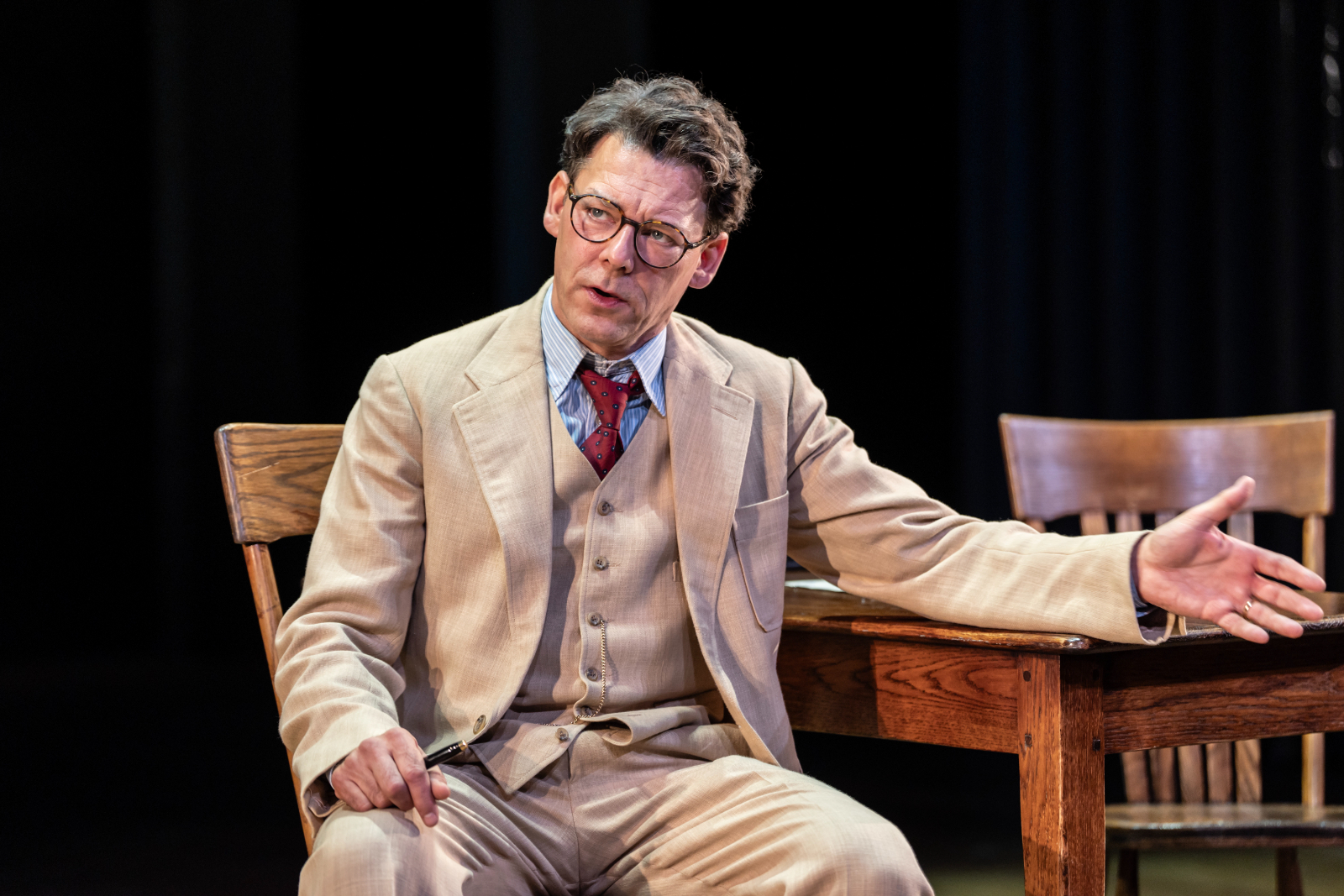
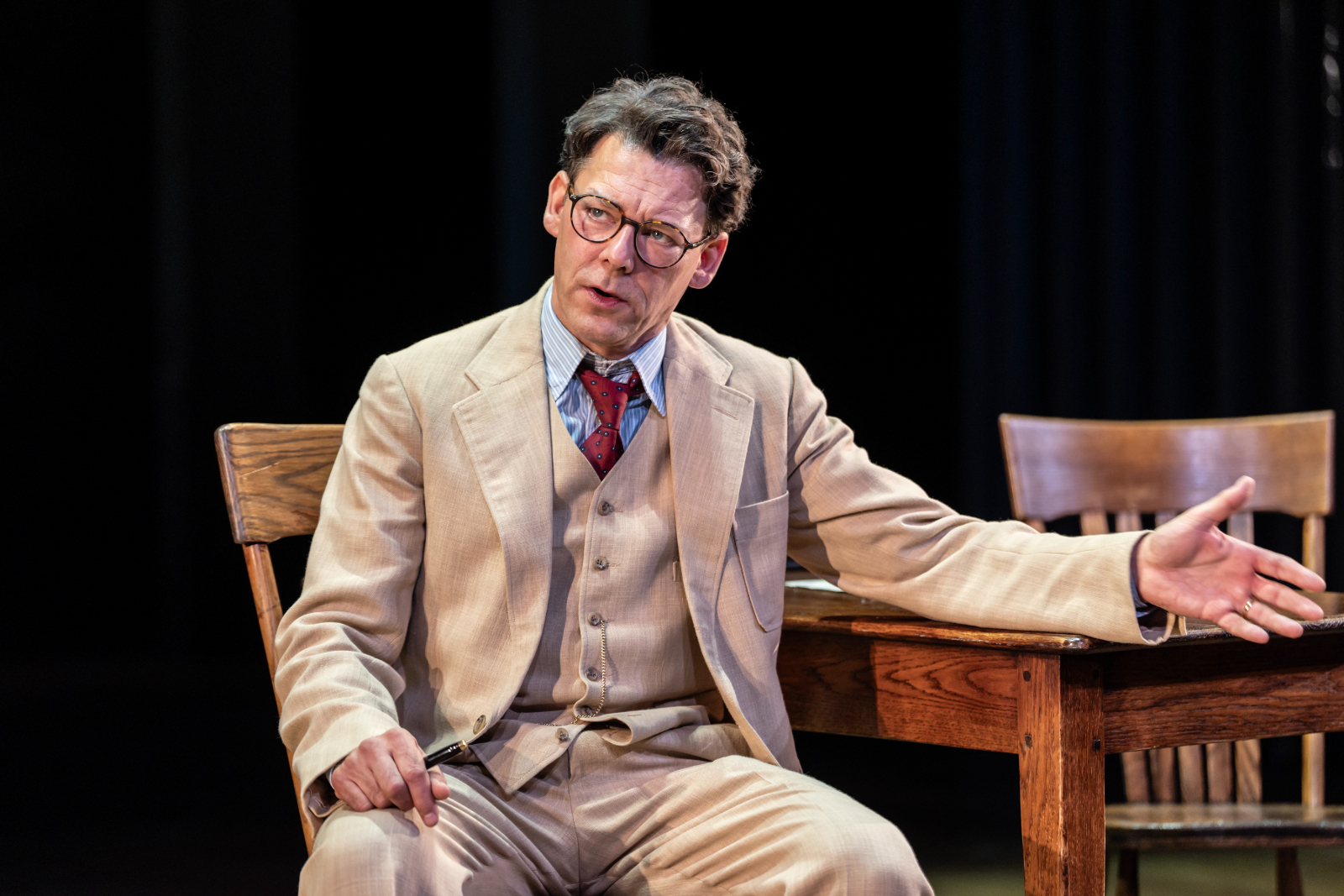
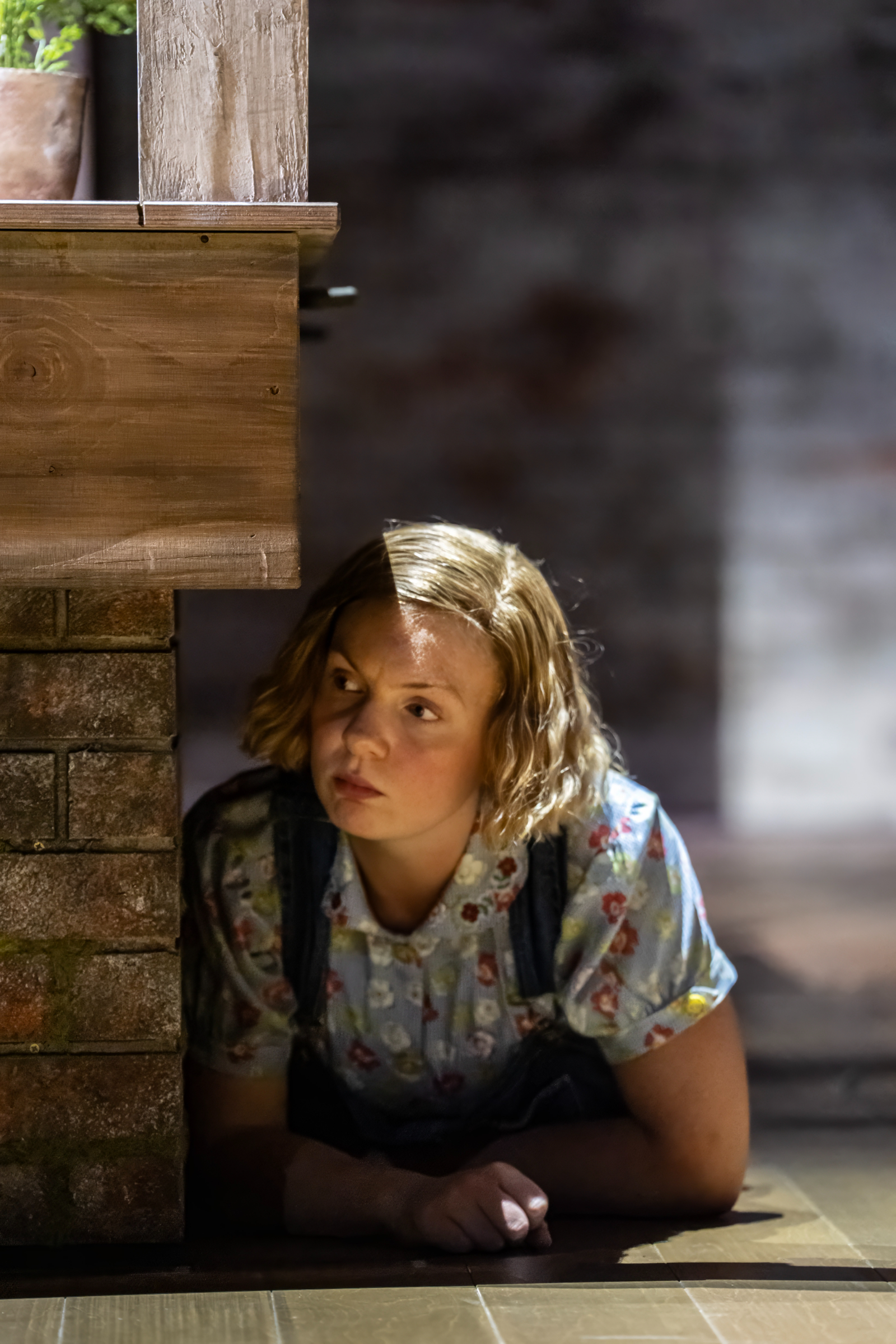
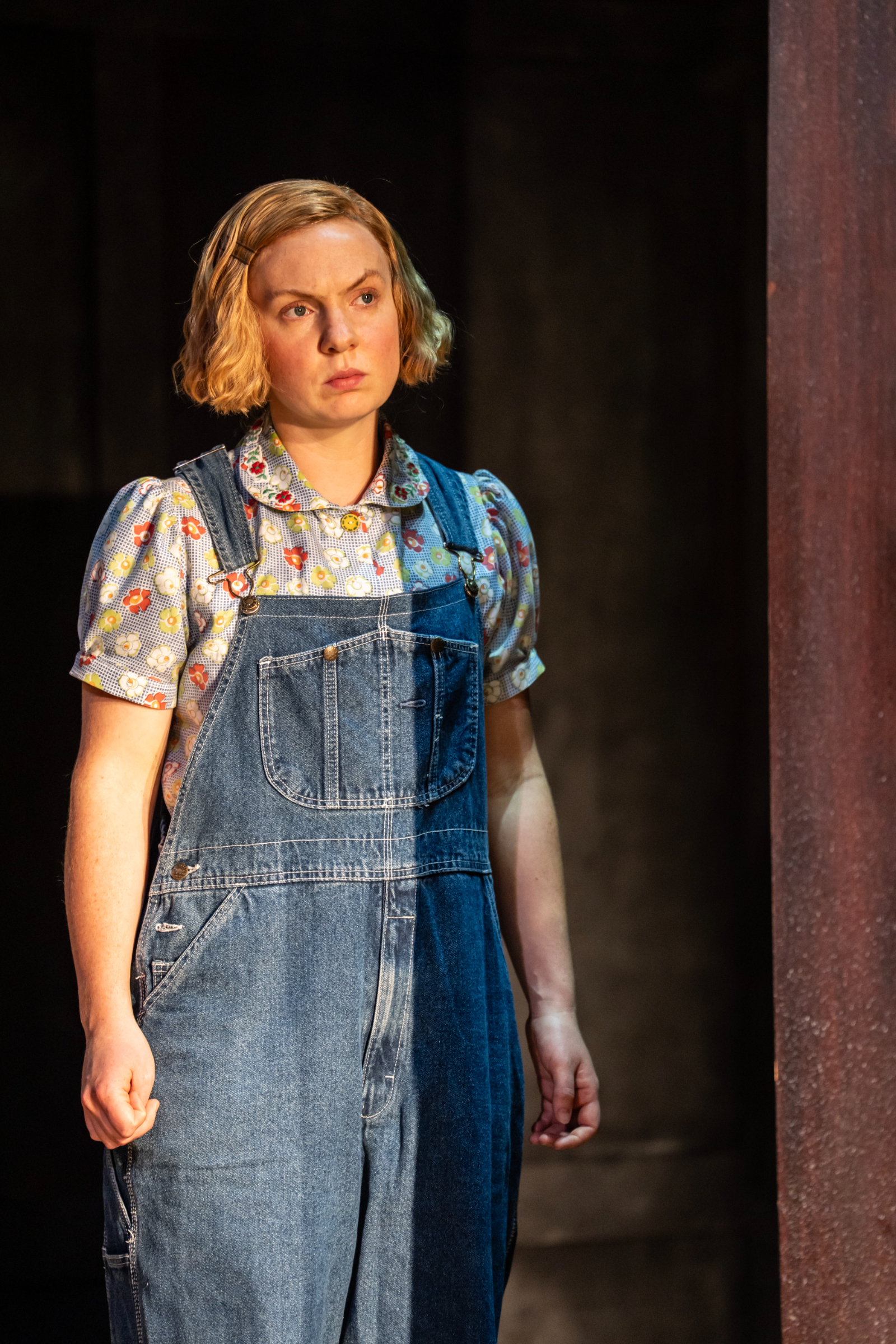
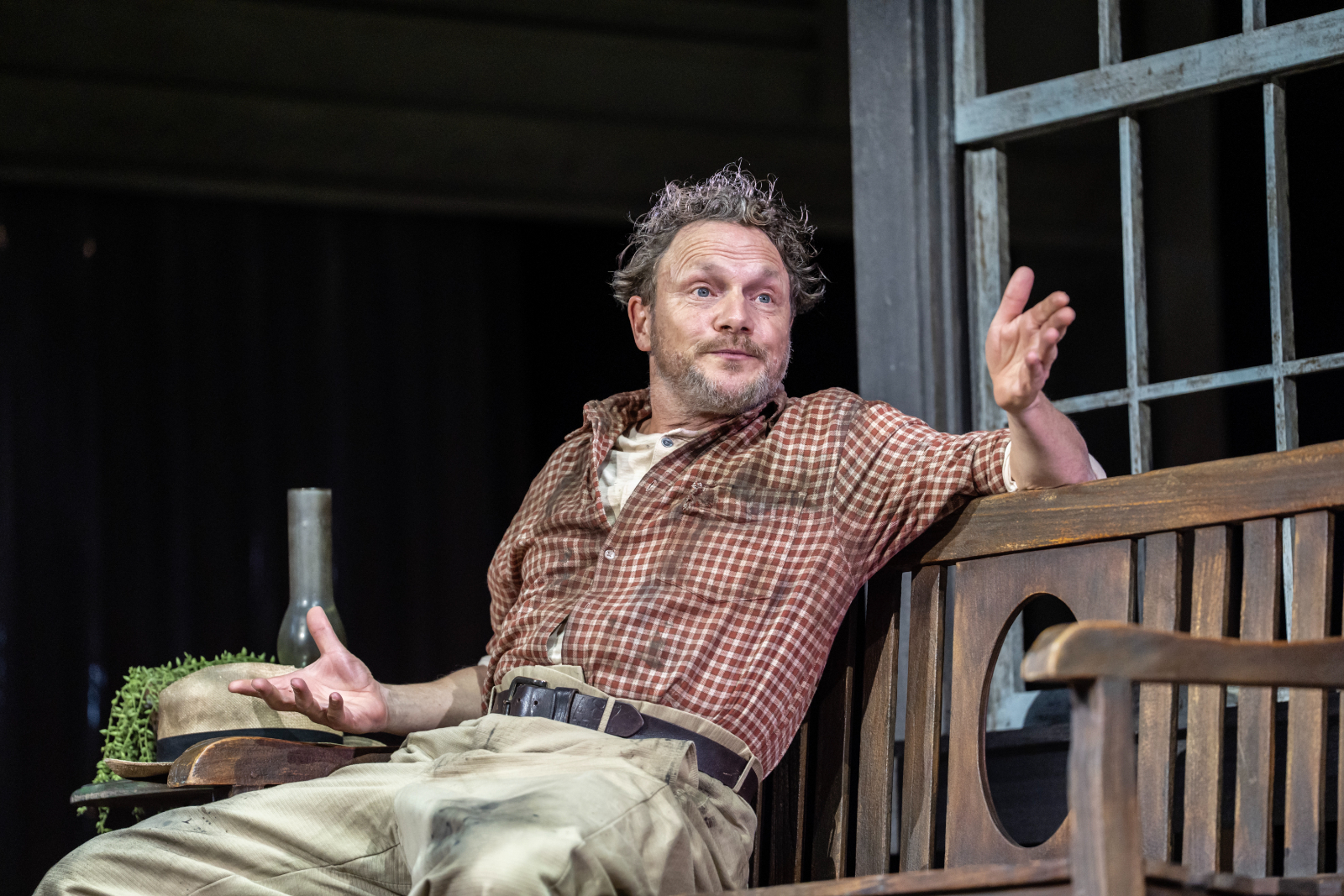
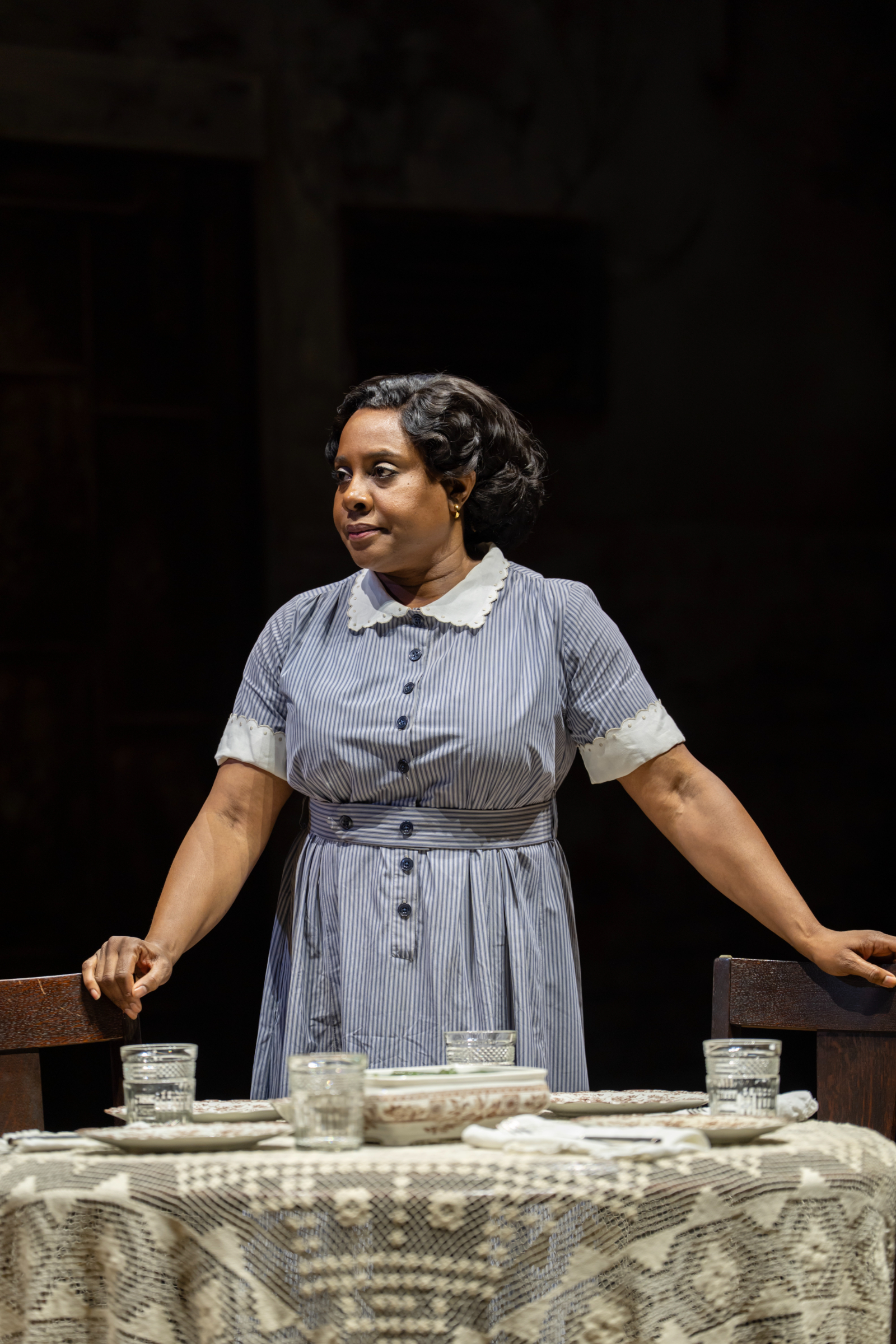
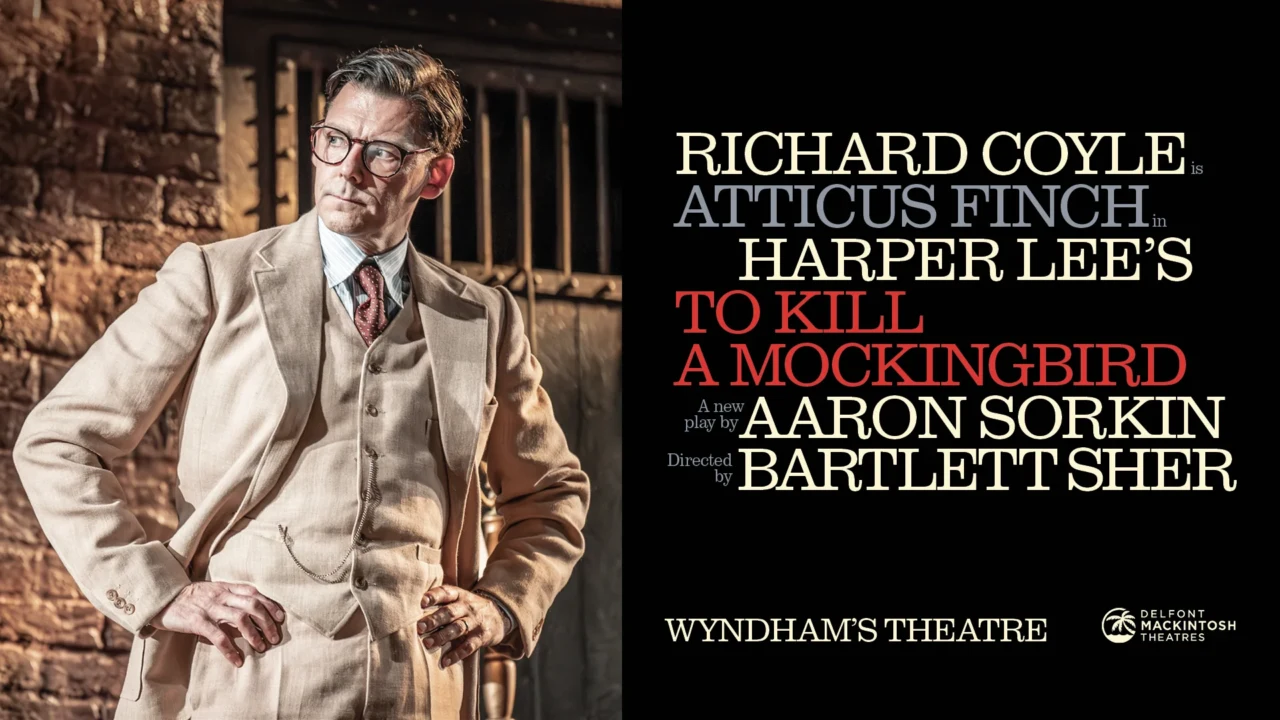
Alabama, early 30s. Tom Robinson (Aaron Shosanya) is accused of raping Mayella Ewell (Evie Hargreaves). The Judge assigns his defence to Atticus Finch (Richard Coyle), a lawyer driven by a profound respect for both friend and foe, and an unwavering commitment to justice for those at the margins of society. A widower, he is helped by his housekeeper and nanny, Calpurnia (Andrea Davy), in raising his children, Jem (Gabriel Scott) and Scout (Anna Munden). The two, together with their new friend Dill (Dylan Malyn), witness the unfolding of the trial while trying to come to terms with the world of adults – demanding they refrain from reacting to insults, grapple with complicated ideas, and navigate the uneasy coexistence of people who strongly disagree.
As soon as the fire curtain rises, the set slides into place: first the courtroom, then the Finch family’s porch. With the same smoothness, freestanding doors and massive tree branches appear to outline the different landscapes, and smoothly repeat the alternance between the family space and the legal arena. Miriam Buether’s set design shifts between locations with agility and a striking sense of solidity.
The script follows the original novel, with some thoughtful weighting in emphasis points. These are not made in pursuit of reckless modernisation, but through subtle acts of rebalancing. Much of Bob Ewell’s racist rhetoric is inspired by the contemporary far-right website Breitbart, while Calpurnia’s character is expanded to stress the absurdity of the gratitude that Black people are expected to show for being treated with basic fairness – an attempt to address the white saviour trope that Lee’s depiction could hardly avoid at the time. The story is told through the trio of children who, through their contrasting personalities, offer an engaging dynamic and a candid perspective.
Malyn gives an endearing and utterly moving portrayal of Dill Harris, the boy who, despite his own family drama, proves to be the kindest of them all. He also delivers some of the play’s funniest moments. These are key, lending the production a lighter touch: they are the theatrical translation of the innocence and sense of discovery through which Scout experiences the world in Lee’s text. Munden storms through the role of the headstrong and boisterous Scout Finch. Davy’s Calpurnia is an imposing presence, despite her relatively few appearances. Coyle is undeniably a soaring Atticus Finch, determined yet also shaky – his line in one of the opening scenes, “Absolutely, yes, maybe,” reveals a lead who is not flawless but deeply human, and all the more relatable for it.
Against racism, intolerance and the marginalisation of the vulnerable, To Kill a Mockingbird forces a confrontation with difficult truths through the clarity of its remarkable storytelling. A drama for our fractured times, it resonates as urgently today as ever.
Cristiana Ferrauti
Photos: Johan Persson
To Kill A Mockingbird is at Wyndham’s Theatre from 25th June until 12th September 2026. For further information or to book, visit the theatre’s website here.
Watch the trailer for To Kill a Mockingbird at Wyndham’s Theatre here:















Facebook
Twitter
Instagram
YouTube
RSS