
Ink
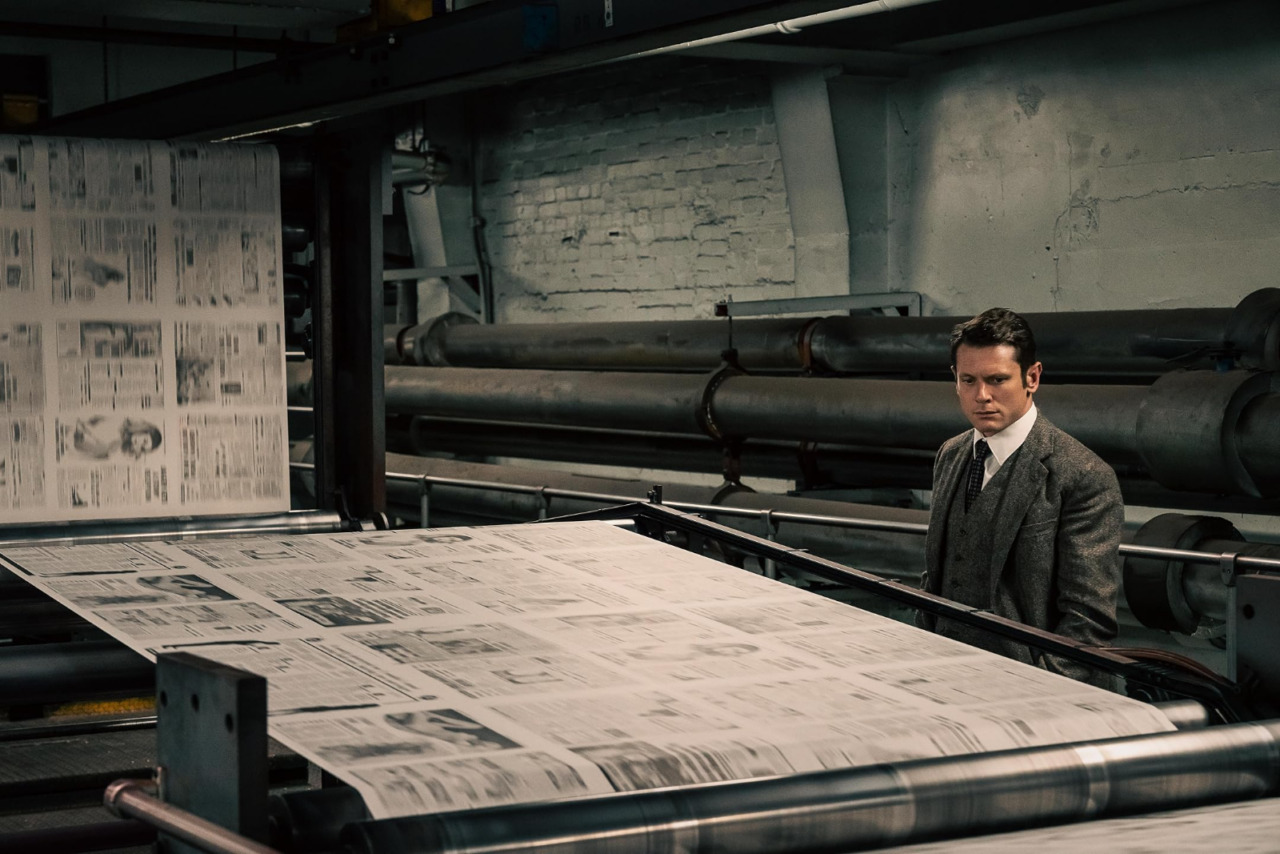


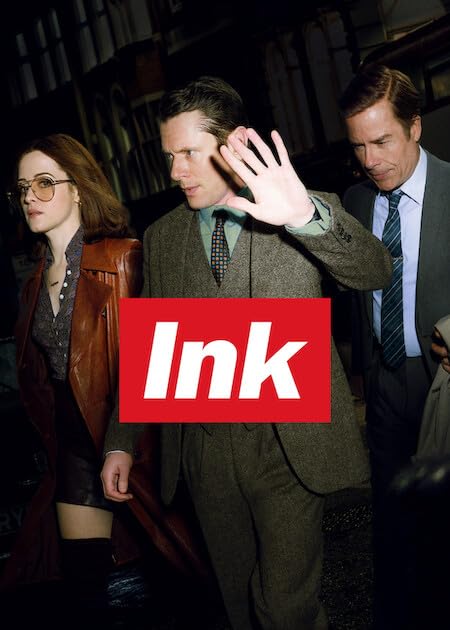
The Venice Film Festival may have made fewer headlines this year for a star-studded lineup than for entertaining the possibility of scrapping its opening press conference (following last year’s political questions, which were not well received by the jury), but the selection of Danny Boyle’s Ink as its opening film pulls absolutely no punches. Screening in the main competition, the Oscar-winning filmmaker’s adaptation of the play (penned by James Graham) imbues the rise of the British tabloid The Sun from the late 1960s onwards with Boyle’s signature high-powered energy.
The opening scene shows Australian business tycoon Rupert Murdoch (Guy Pearce) at a secretive dinner with Larry Lamb (Jack O’Connell), whose frustration with his current employment as the Northern editor of The Mirror is fertile ground for a potential career shift. After being wined and dined, Lamb agrees to work for Murdoch’s newly purchased tabloid The Sun, even though he has a less optimistic outlook on being able to turn around the UK’s reading habits. Throughout the next 116 minutes, the viewer comes to realise that this ordinary meeting was, in fact, the moment a Faustian bargain was struck, setting in motion consequences that still reverberate around the world.
Ink counters any expectations of dull office life at a newspaper with vivid, raucous punk rock music and staccato editing, playing with the frames inside of its clips. The images are often slanted, mirroring the italics of the outlet’s masthead. A symbolic picture the feature keeps coming back to is that of Murdoch and Lamb on an underground train: they are excited for it to leave the station, but as it picks up speed, the first signs of unease start to seep in, until finally the momentum turns into that of a runaway train.
While the piece boasts an impressive ensemble cast (including Claire Foy and Brian Gleeson), it is largely a two-man show for Pearce and O’Connell, who are both operating at the top of their game. The latter’s fleeting glimpses of vulnerability make Lamb such an unsettling protagonist, as they elucidate his hunger for power. Once he’s had a taste of it, he will never surrender, no matter how much of his humanity he sacrifices in the process.
A kinetic force of filmmaking, Ink turns a history lesson into a thrilling collision of politics, morals and the recklessness of human ambition. It is easily Danny Boyle’s best film since Slumdog Millionaire, and despite its eventual Netflix release, needs to be experienced at full velocity in cinemas.
Selina Sondermann
Read more reviews from our Venice Film Festival 2026 coverage here.
For further information about the event, visit the Venice Film Festival website here.














Facebook
Twitter
Instagram
YouTube
RSS