
The Standard of Living at Theatre Royal Haymarket

 30 September 2026
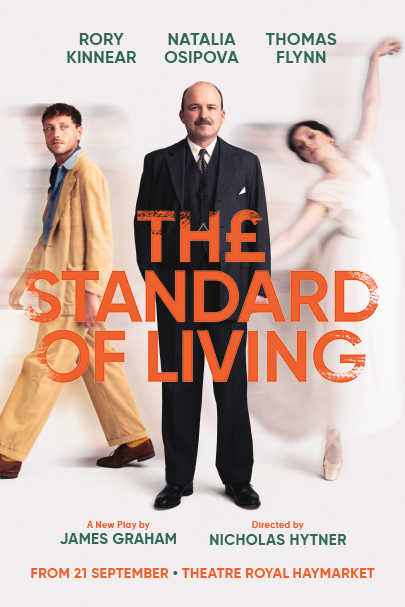
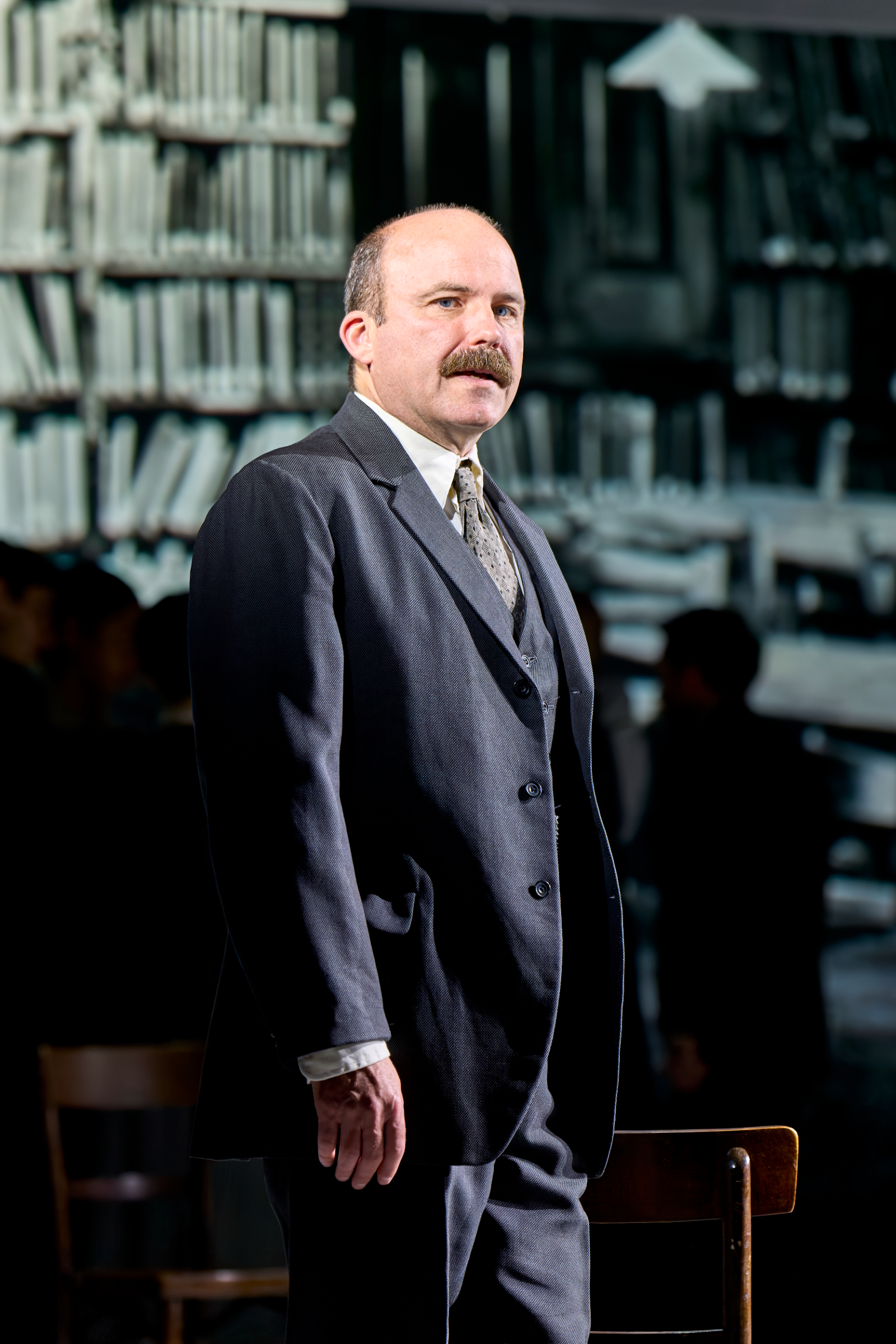
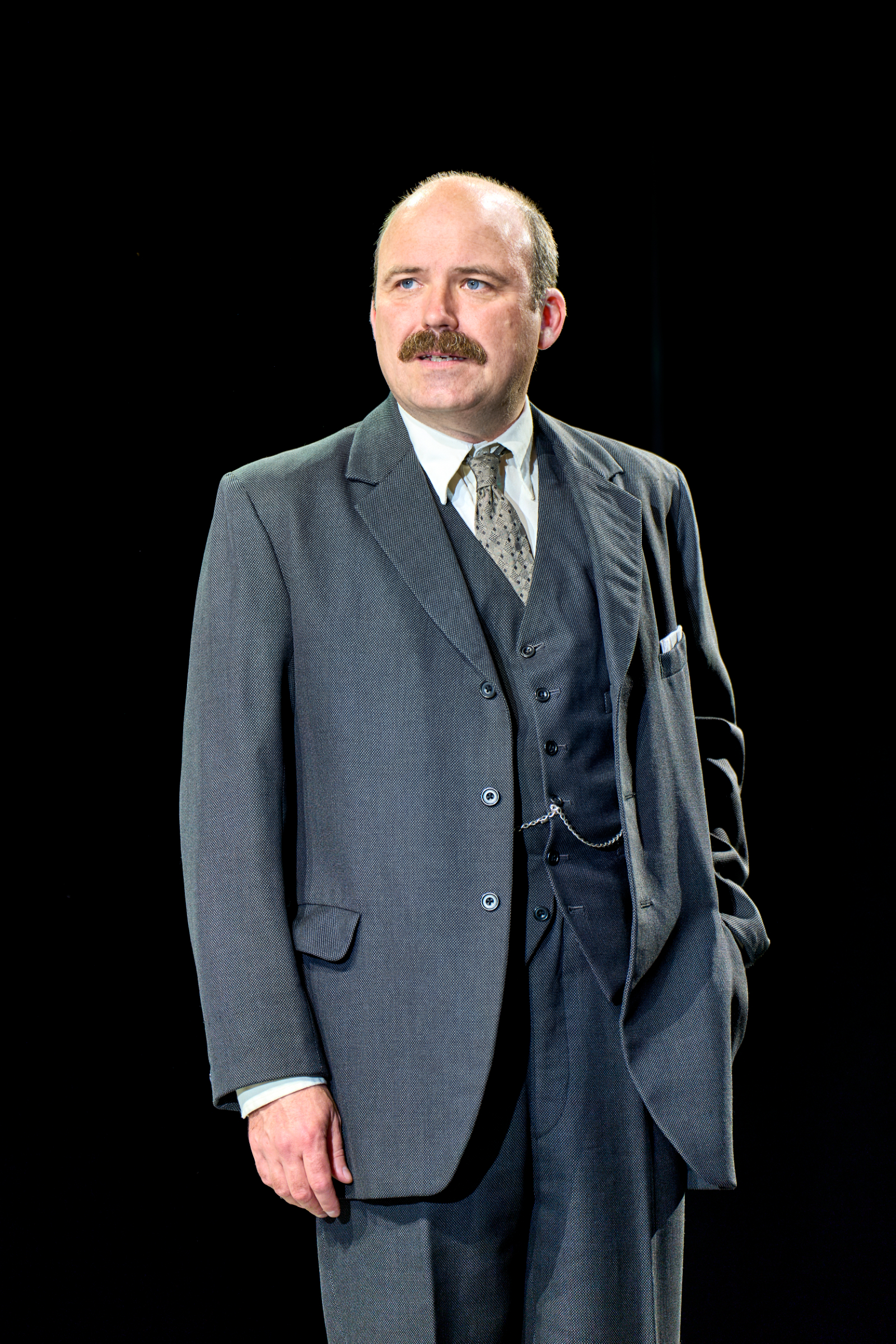
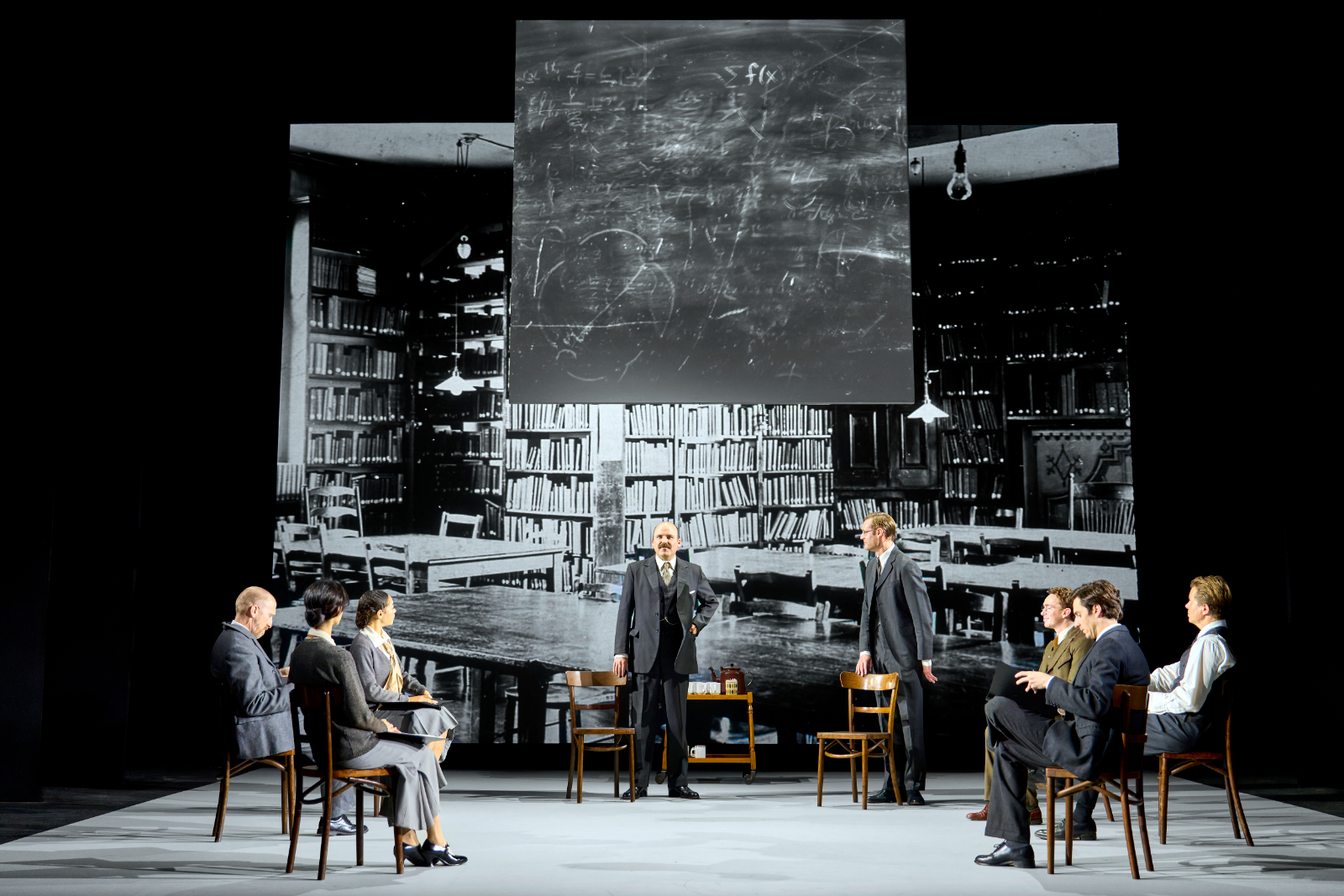
Even for those acquainted with the subject, the notion of macroeconomics as the foundation of theatrical drama is a tough sell. Playwright James Graham knows it, beginning his new play by having Rory Kinnear appear to address the crowd’s doubts directly. This subject matter may be daunting, but fear not, he tells the audience. The core of the school of thought he intends to go mainstream with ultimately aligns with a question anyone could resonate with: “What is it to live a good life?” The question – daunting in its own right – is posed earnestly, before a second figure (Thomas Flynn) promptly punctures Kinnear’s sincerity with some good-natured ribbing. As a tone-setter for the warm, witty show to come, it’s effective. As a statement of intent and an alignment with the ethos of the play’s subject, it works even better. The man he’s playing – influential economist John Maynard Keynes – is as much a showman as a numbers man, and being listened to by those with the power to heed his advice depends upon wooing them. The same goes for the audience, who will likely have their guard up even against the charm offensive Kinnear is laying on. How can they be sure The Standard of Living is more set on entertaining than on getting people to eat their greens and study up?
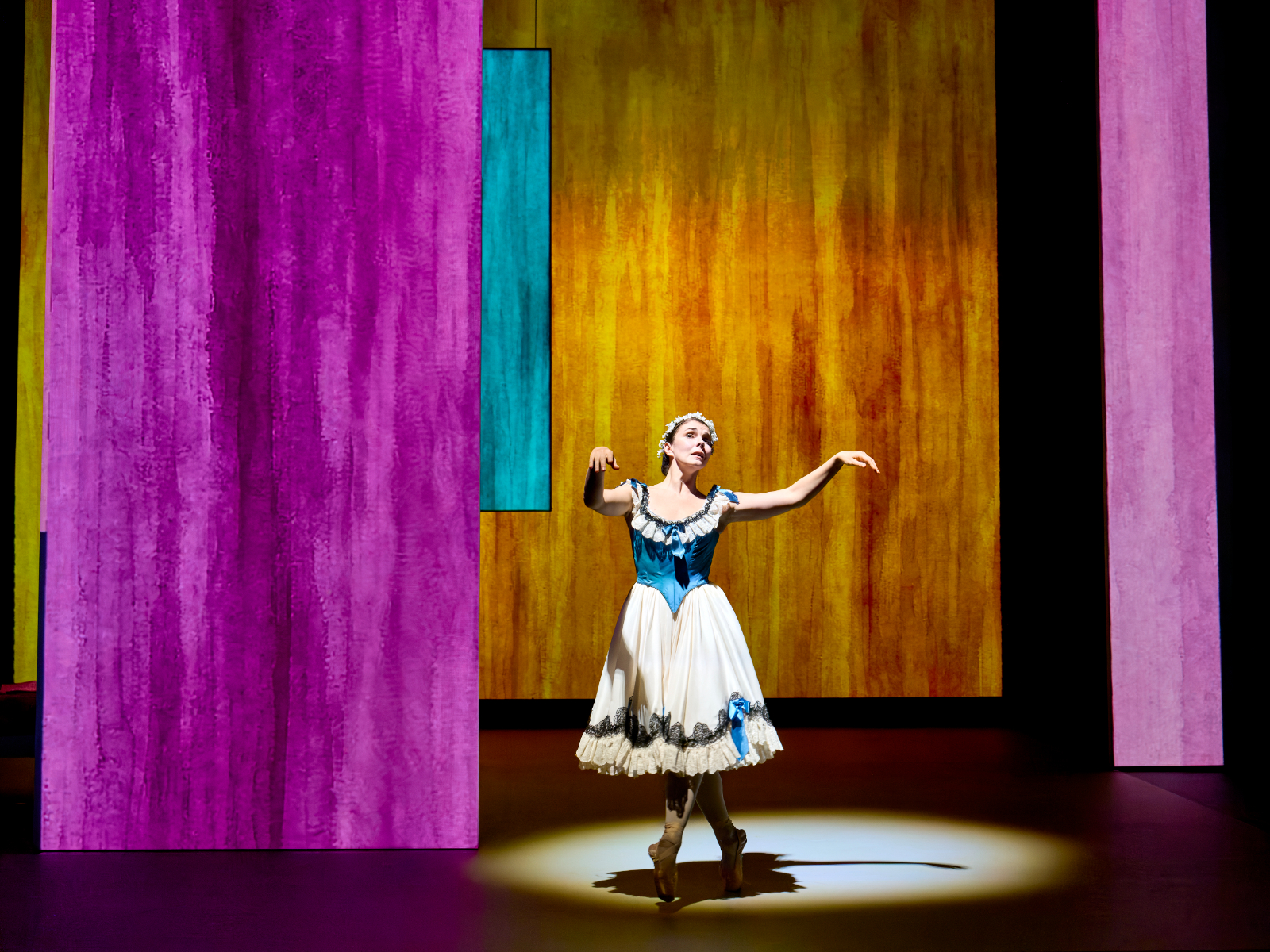
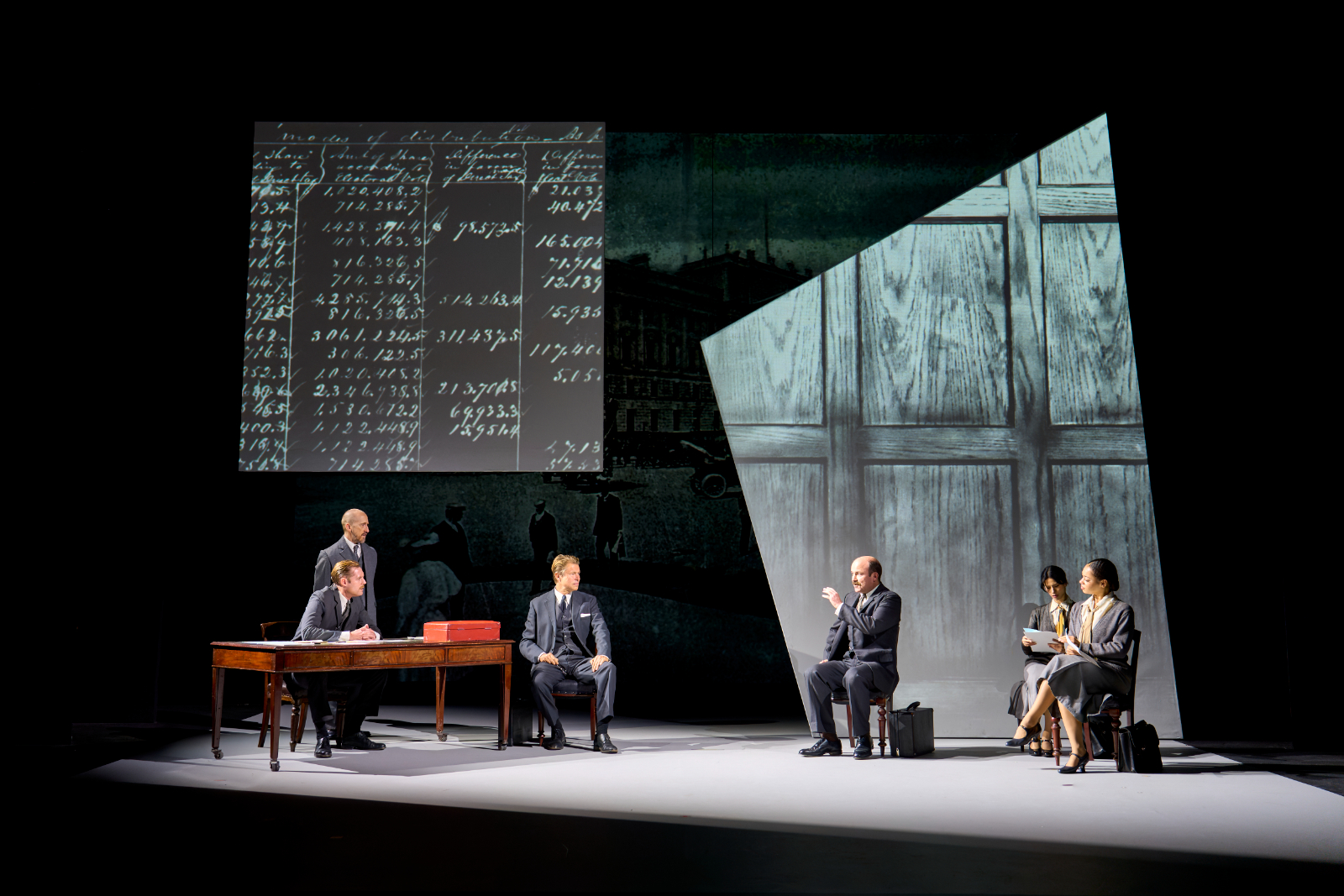
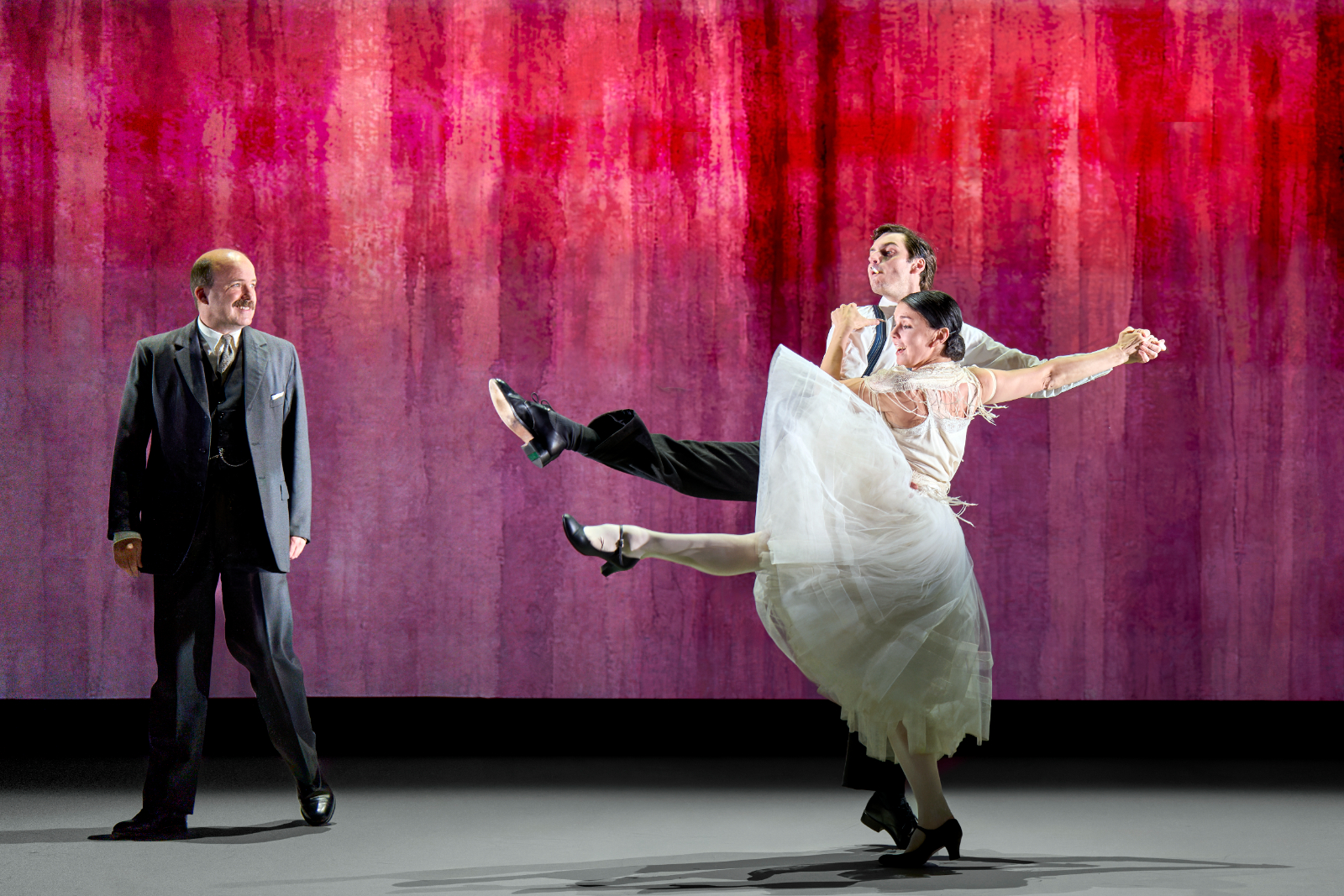
After this disarming opener, there remains some doubt that the show really can. Intermittent ballet interludes are pleasingly dynamic, but also risk feeling like bells and whistles hung on all the heady talk. In time, Keynes is given the floor to propose recession-era state spending as a means of creating economic growth (not socialism, he counters the stuffy higher-ups accusing him of such, but “socialised capital”). However, with so much focus given to his investment in the arts (Keynes was first chair of the Arts Council and funded the Cambridge Arts Theatre), the more cynically inclined may question if Graham and director Nicholas Hytner’s main interest in their material is as a means of extolling the virtues of the theatre, and by association, administering a comforting back pat to all those present for having contributed to a cause of great importance through their attendance (perhaps especially the ones who paid the most extortionate ticket fees). After all, Keynes’s philosophy holds up the arts as Britain’s highest return on emotional reward in exchange for financial expenditure, a sentiment both lovely (and who wants more to agree than a theatre critic?) and, for whatever reason, a little annoying.
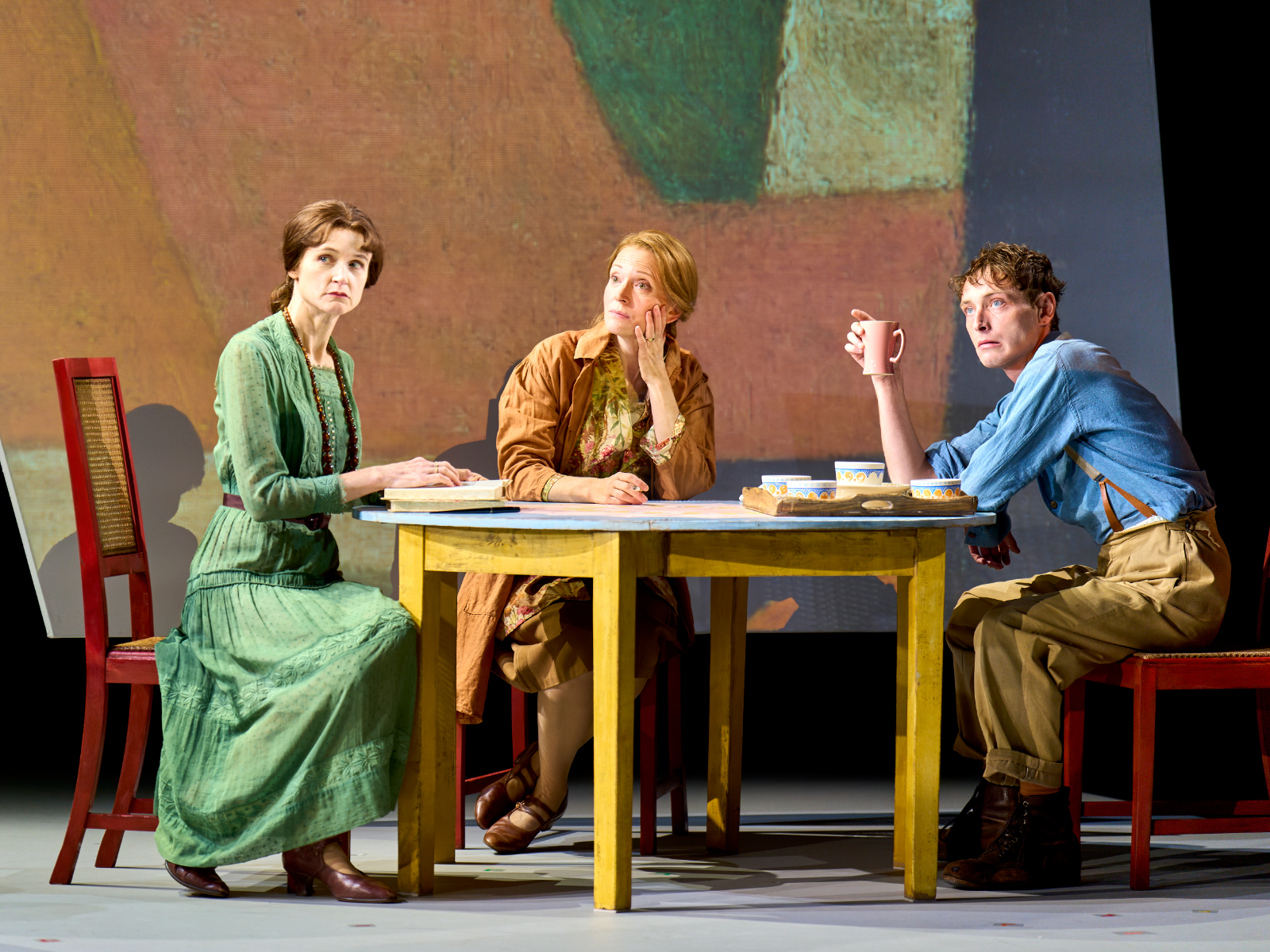
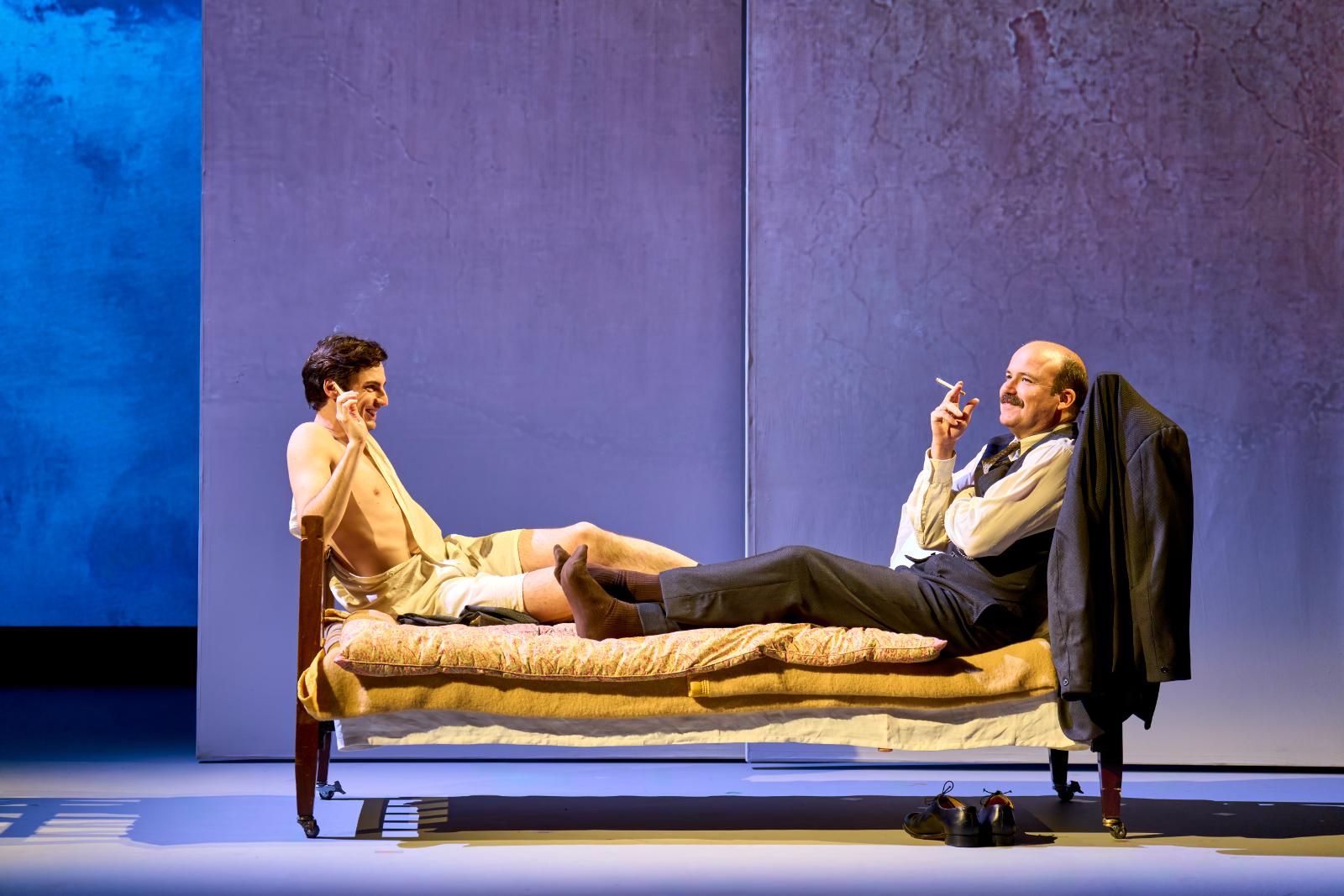
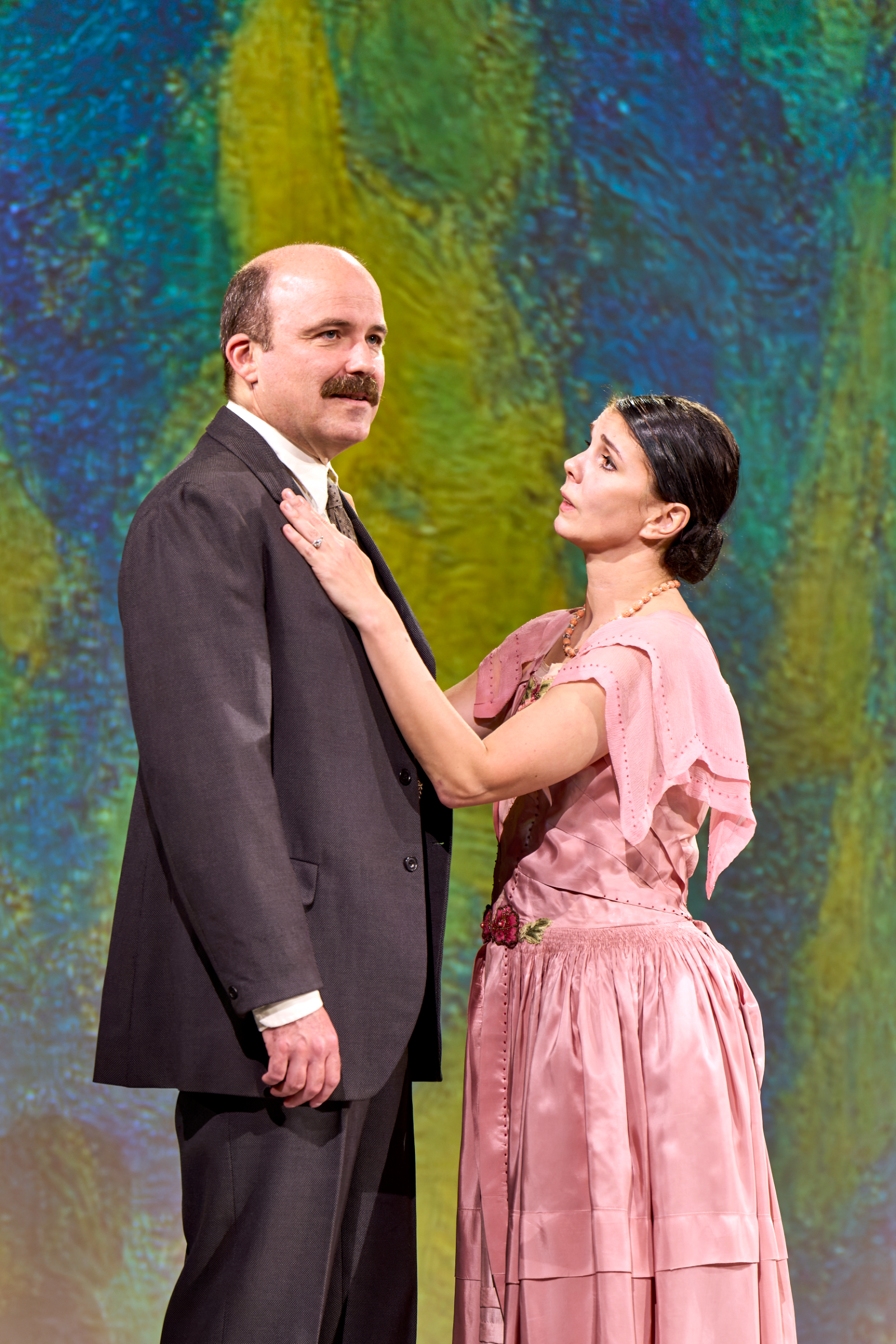
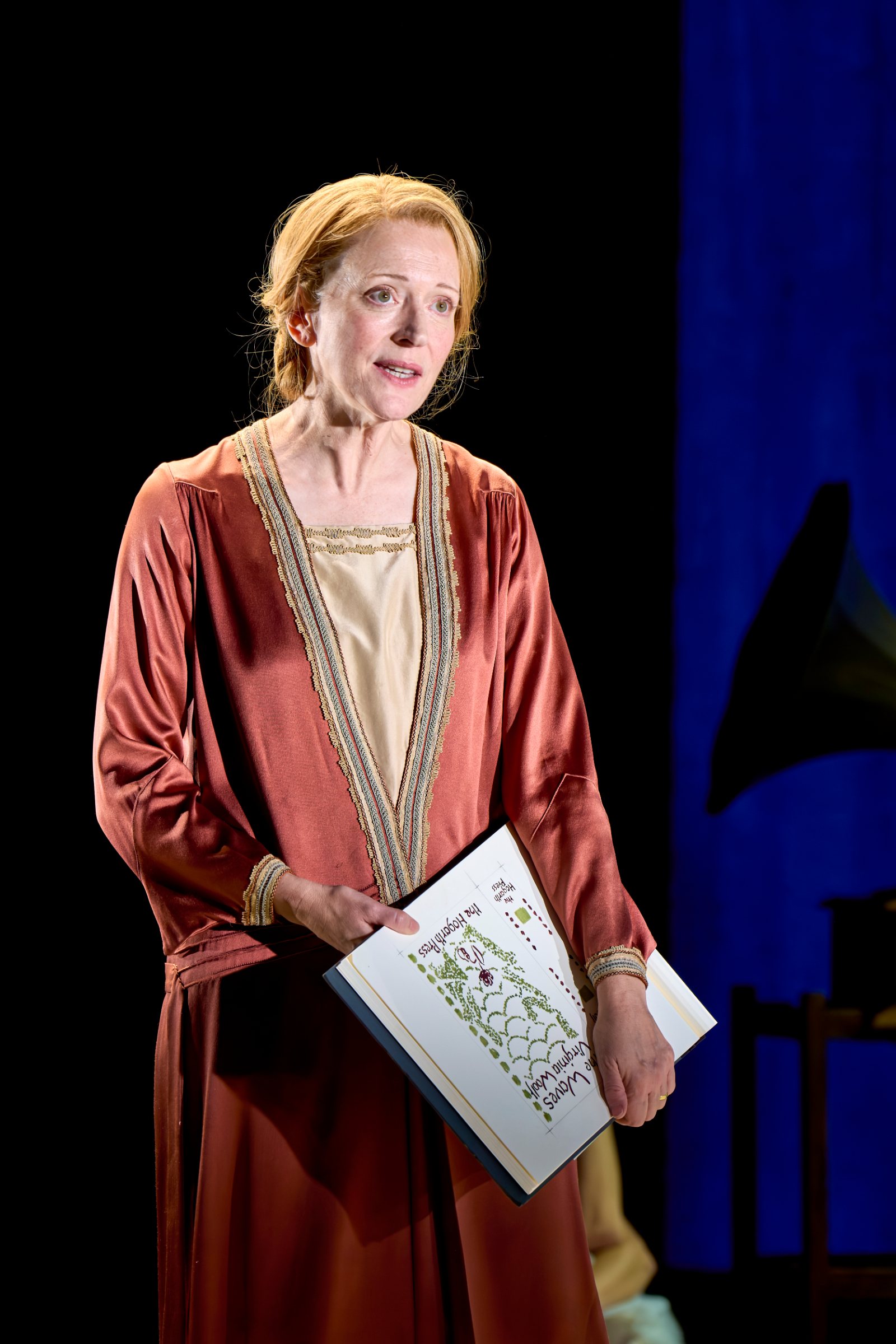
That may be partially down to how it coincides with Keynes’s elevation of his own friendship circle, the snobbish artist crowd known as the Bloomsbury Group, whose members include a dryly acerbic Virginia Woolf (Naomi Frederick). This crowd is happy to both make persistent cracks at the expense of Keynes while also freely accepting his financial support, leaving the question of whether these self-aggrandising figures are the ones most benefited by his ideas. Still, it is also in these sparring matches with Keynes’s contemporaries that The Standard of Living finds its most consistently engaging register: gentle character comedy. Another of the group, Lytton Strachey (Pip Carter) is a competitor and former flame of Keynes, responding to his new writings and romantic conquests with equal parts admiration and jealousy. Carter and Kinnear enjoyably foreground the mutual delight the two still find in their chats, and there’s also likeable rapport in Keynes’s relationship with the Russian ballerina Lydia Lopokova (played by real ballerina Natalia Osipova, in a winning acting debut).
The Standard of Living is never less than briskly watchable, but it’s never urgent either. Graham and Hytner’s pacing is as breezily relaxed as their protagonist often is, and it raises the question of whether – enjoyable as it is – The Standard of Living ultimately goes down too easy, its depiction of Keynes too much of a Santa Claus figure in a feel-good parable of his own making. Dreadful as the thought of it is, perhaps more focus on the particulars of Keynes’s economic viewpoint wouldn’t have gone amiss, though it may also have made for a different, less cosy play.
Ultimately, this portrait of a life seemingly ill-suited for broad-brush theatre makes easy work of the task against the odds. The pacing is swift, the dialogue crisply engaging and the performances are appealing. Whether its protagonist is too thinly sketched, too shorn of rough edges in favour of fable-like whimsy, may be in the eye of the beholder.
Thomas Messner
Photos: Manual Harlan
The Standard of Living is at Theatre Royal Haymarket from 21st September until 12th December 2026. For further information or to book, visit the theatre’s website here.










































Facebook
Twitter
Instagram
YouTube
RSS