
The Master Builder at Arcola Theatre
 23 October 2026
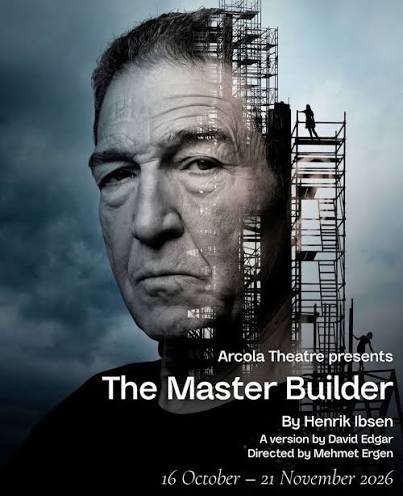
Ambition is a psychological prison in The Master Builder, a play written in 1892 by Henrik Ibsen, often known as “the father of modern drama” for exploring societal hypocrisy. This production, adapted by David Edgar and directed by Mehmet Ergen, portrays the insecurities and corruption underlying human nature at Arcola Theatre.
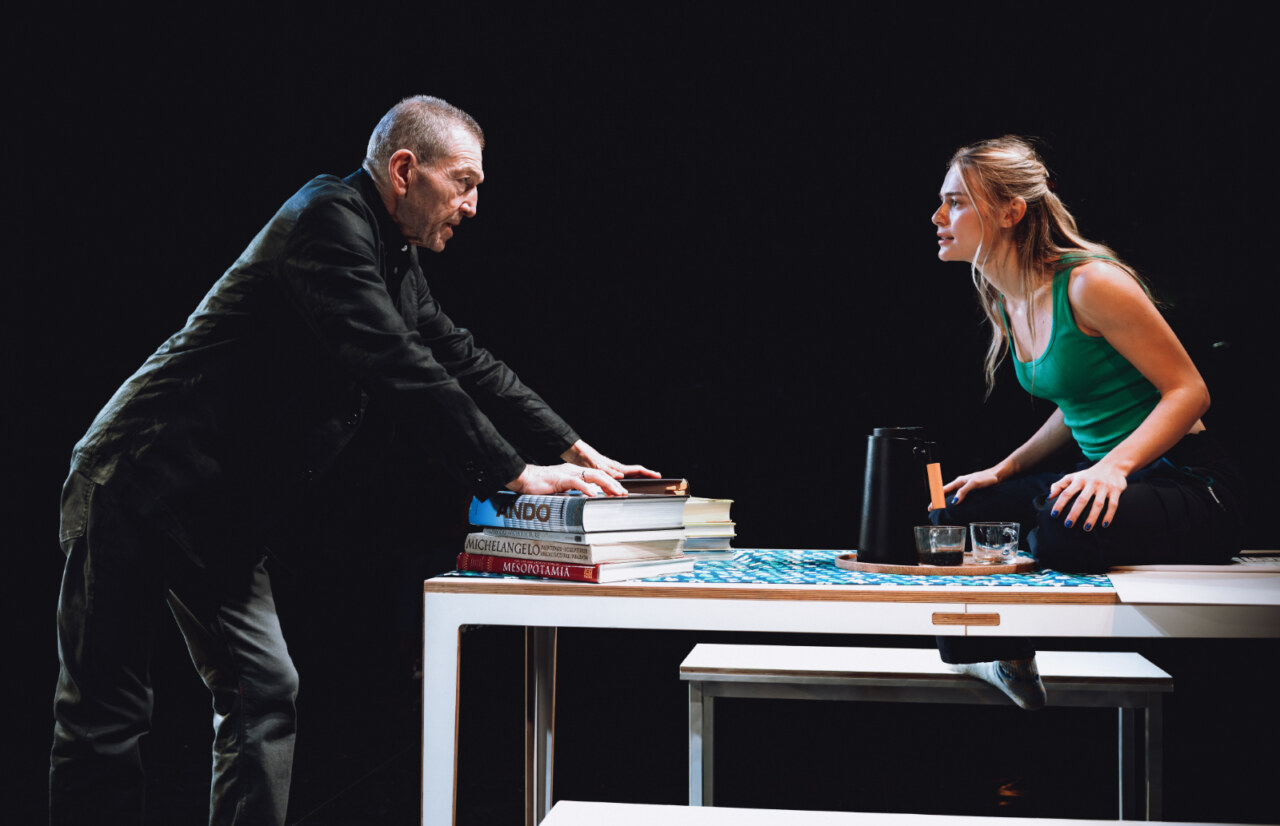
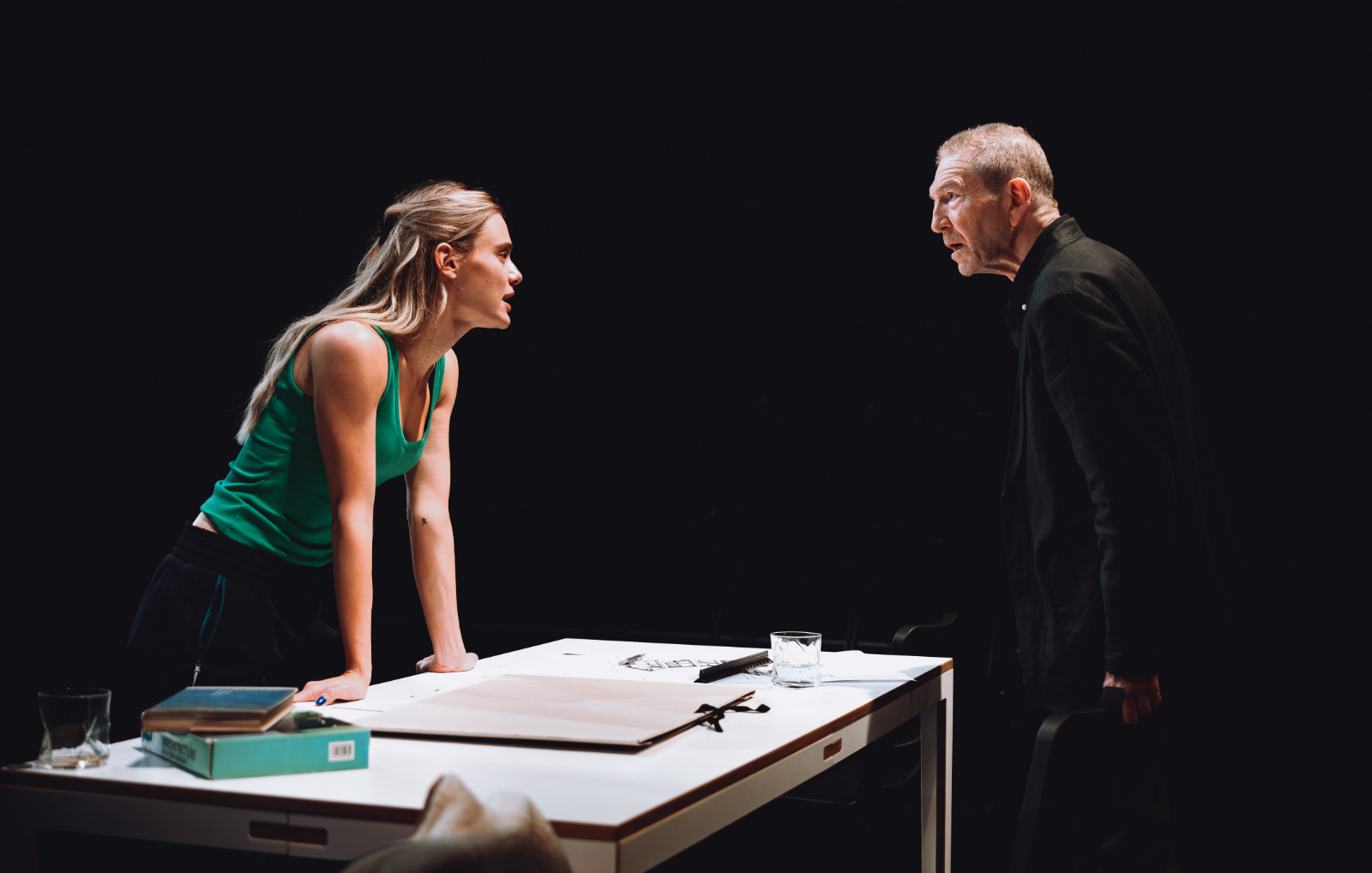
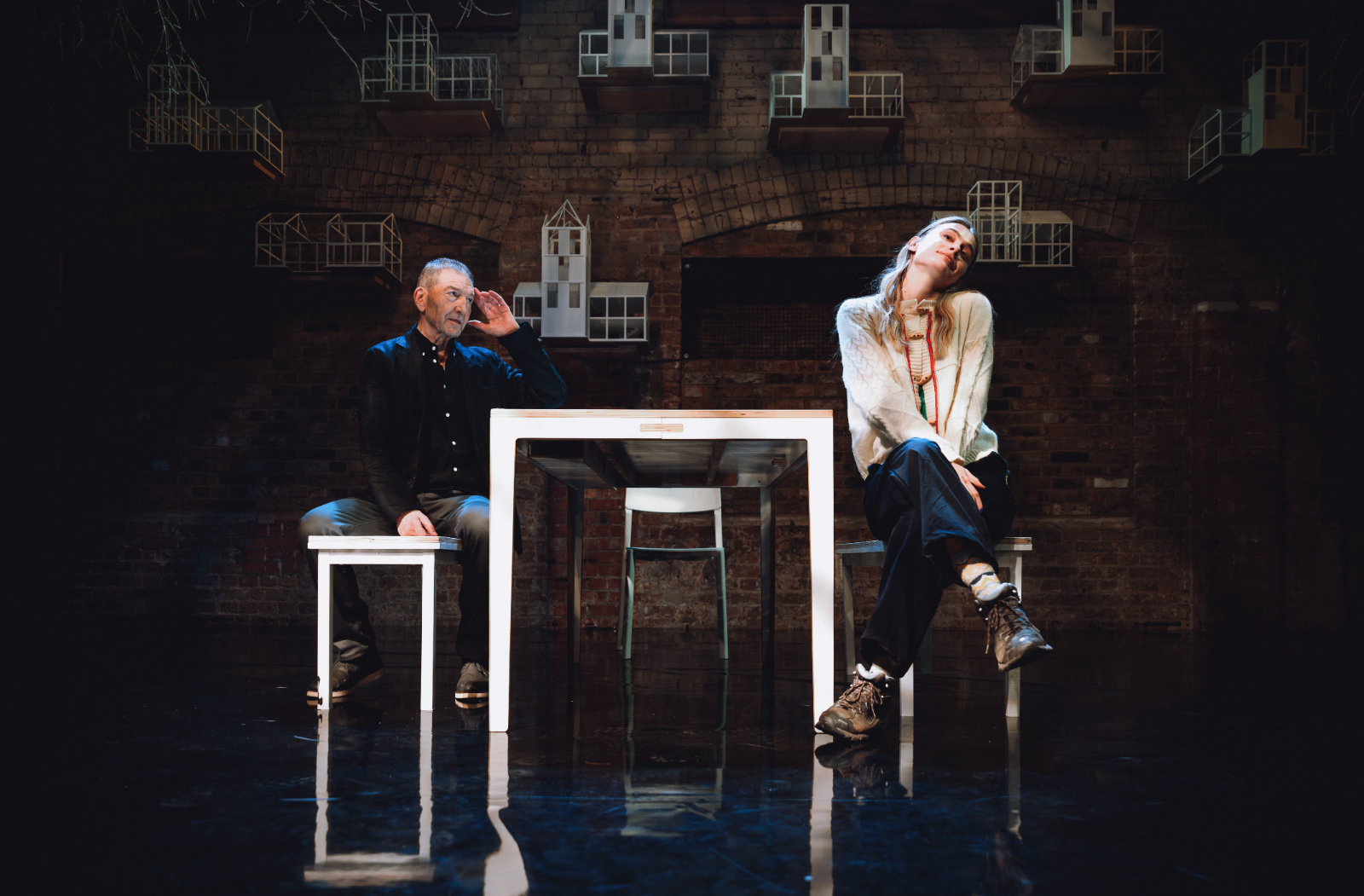
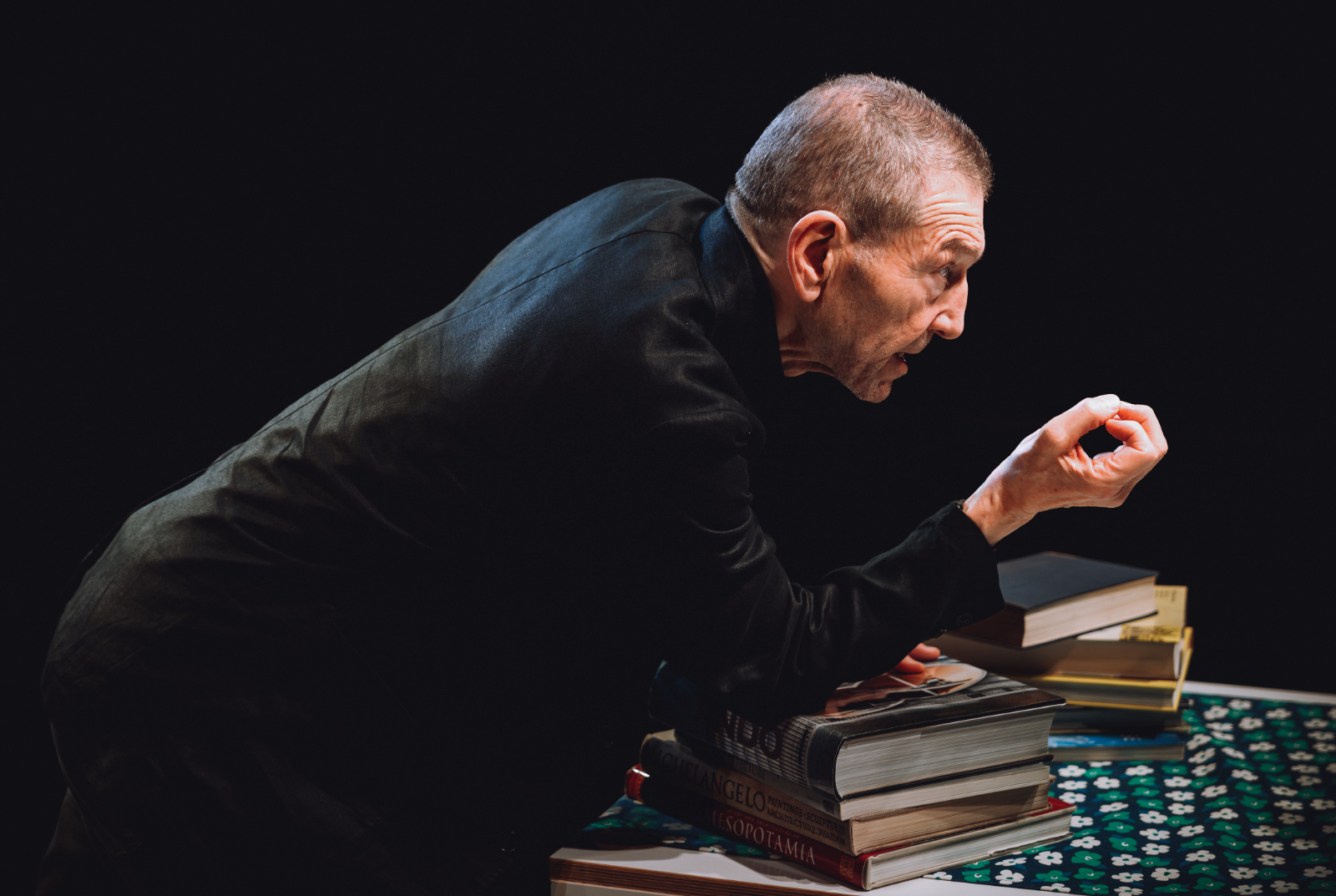
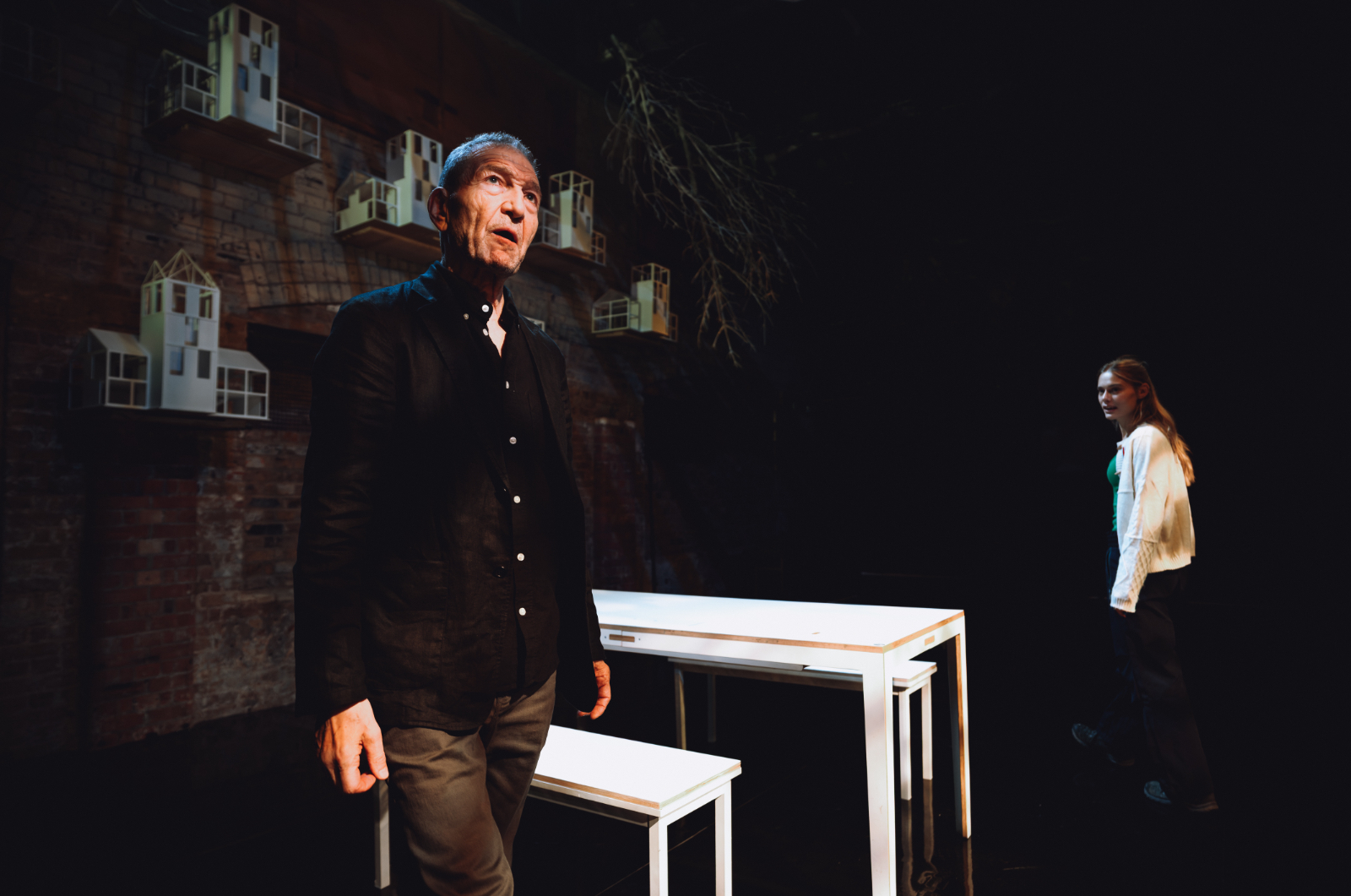
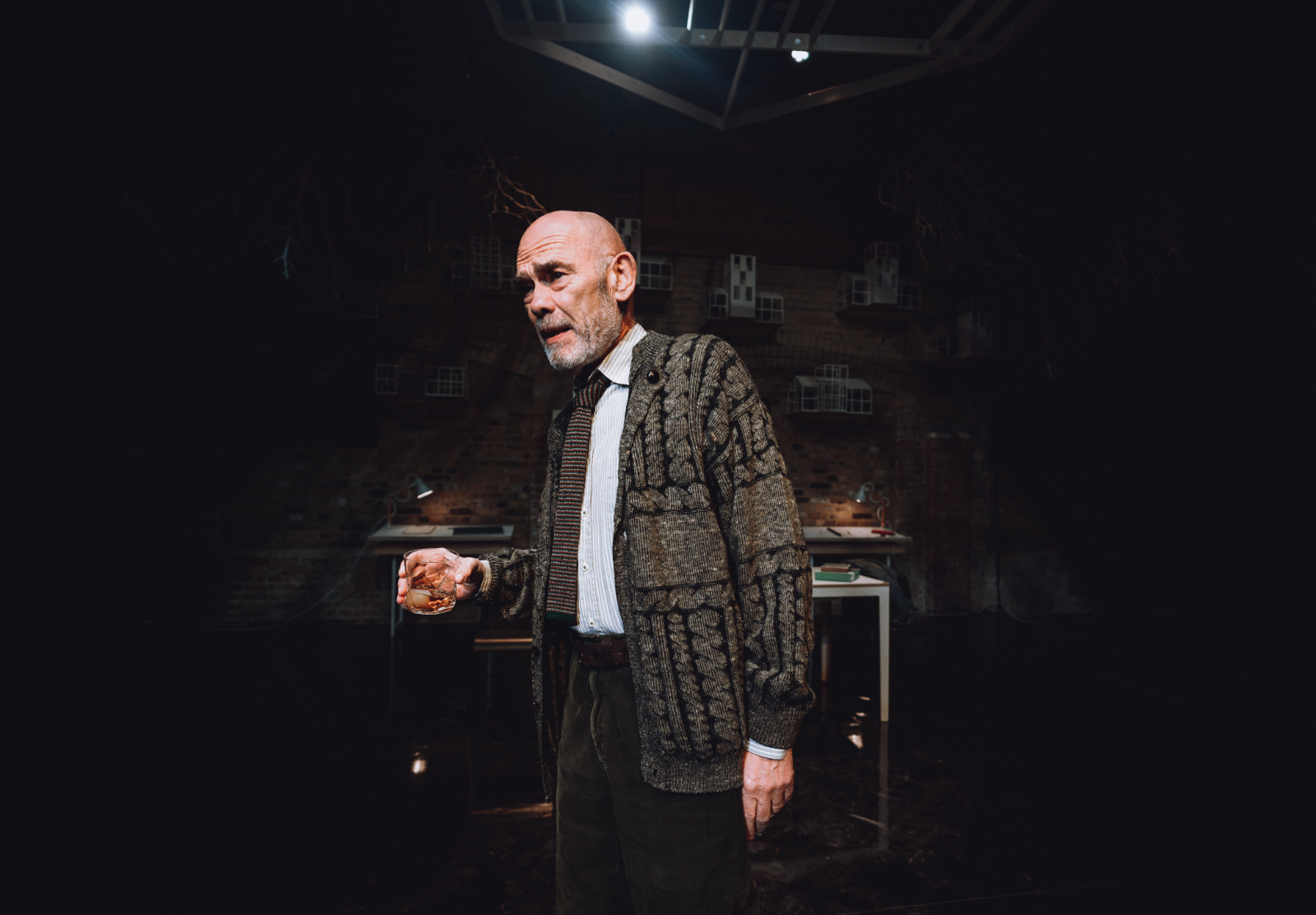
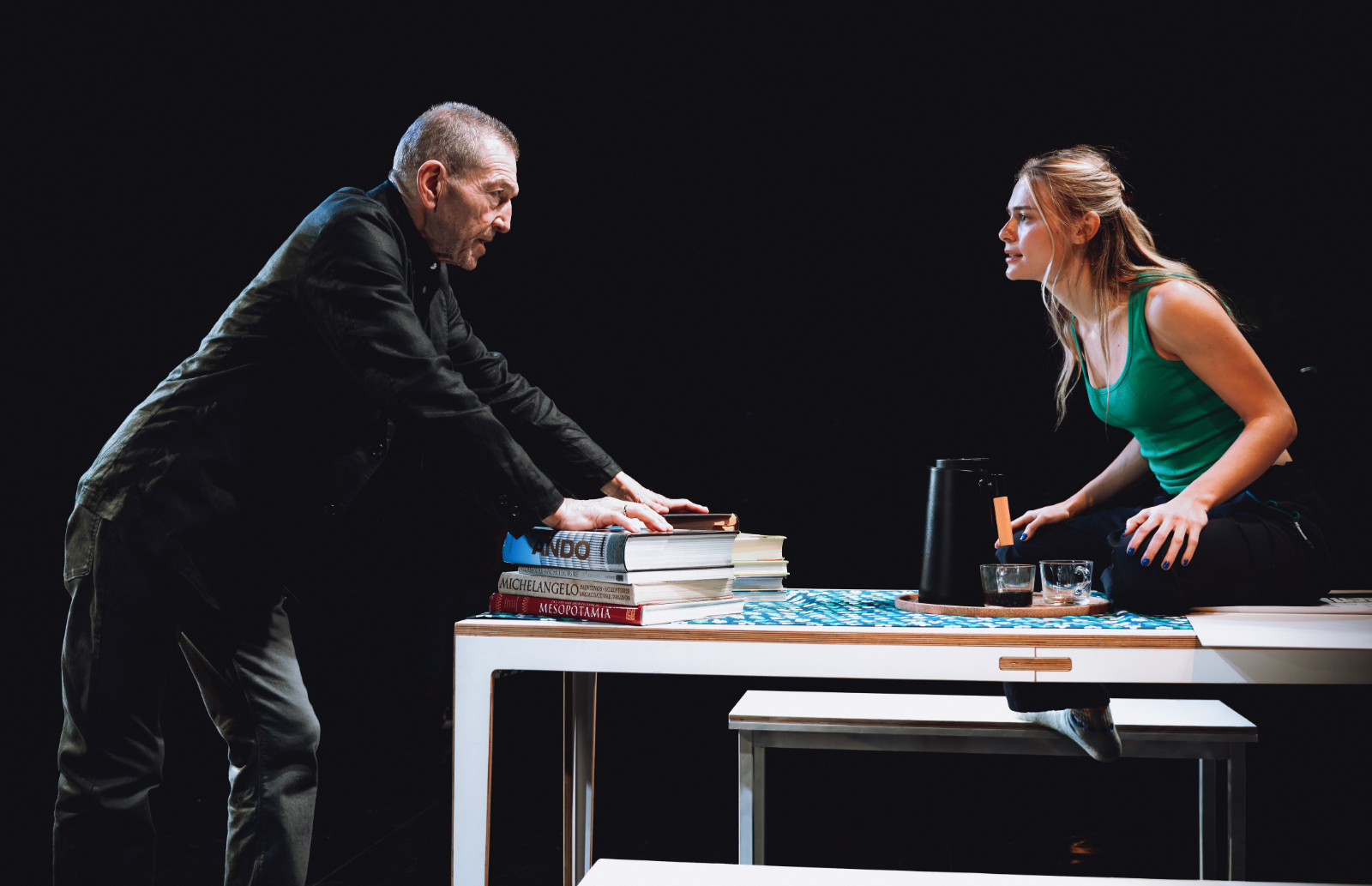
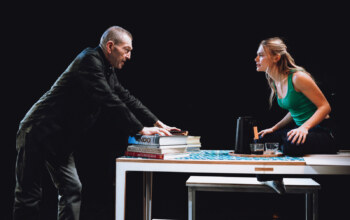
Halvard Solness (Greg Hicks), a successful architect, is increasingly unravelled by his fear that younger talent will soon demand his place. When Hilde Wangel (Louisa Binder) returns from his past, claiming he promised her a “kingdom” when she was a child, she reignites his desire to feel extraordinary once more.
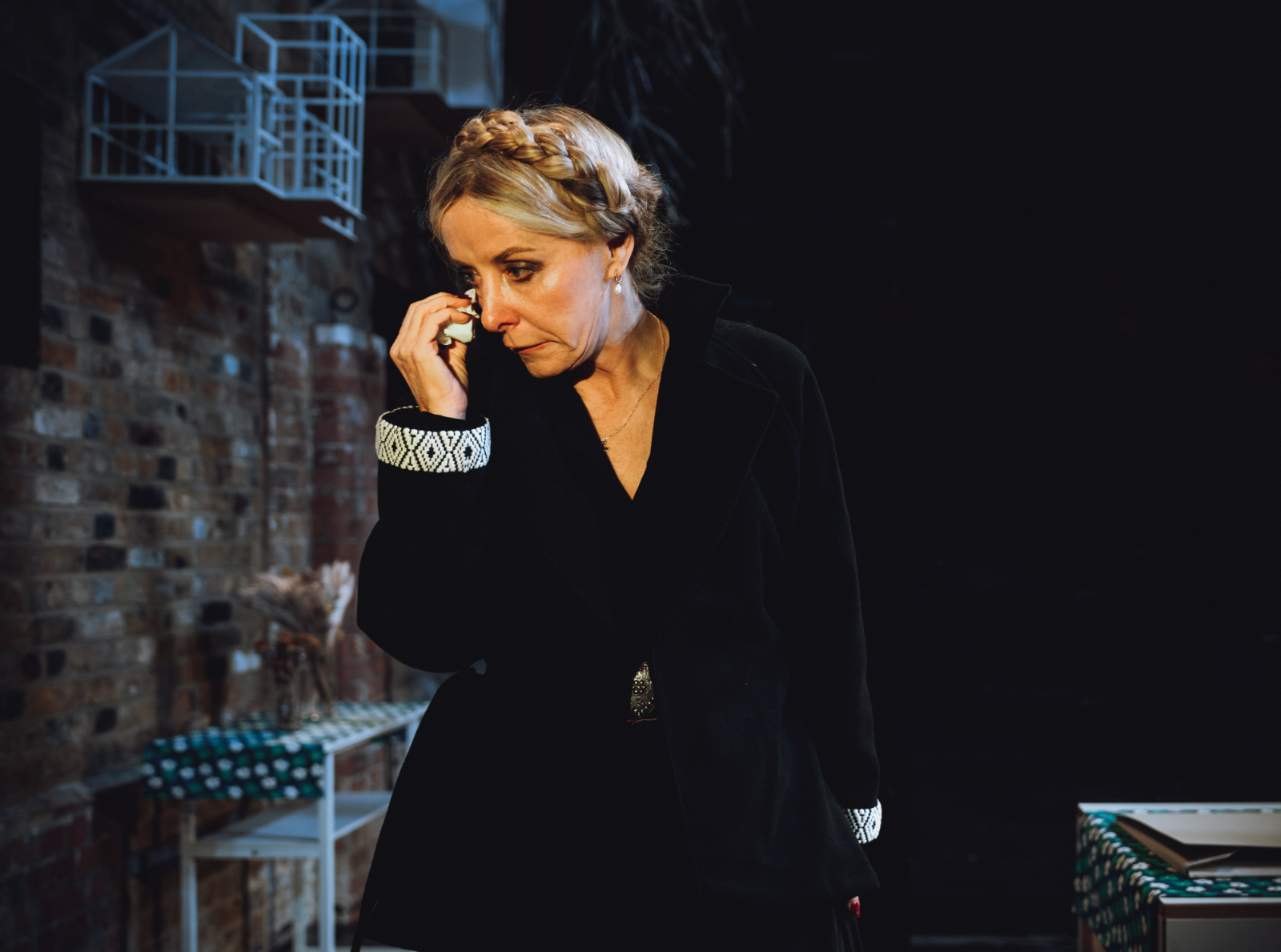
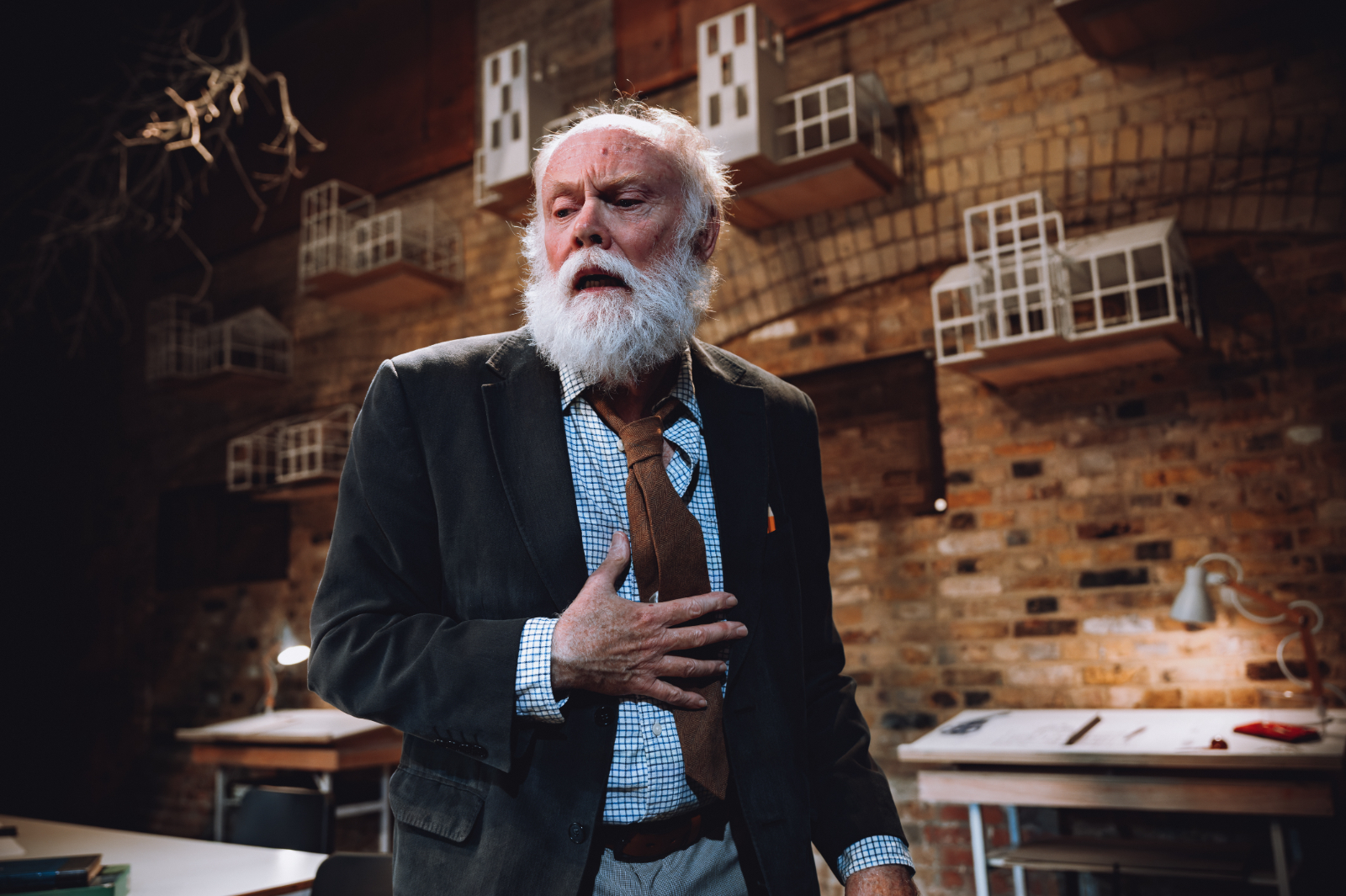
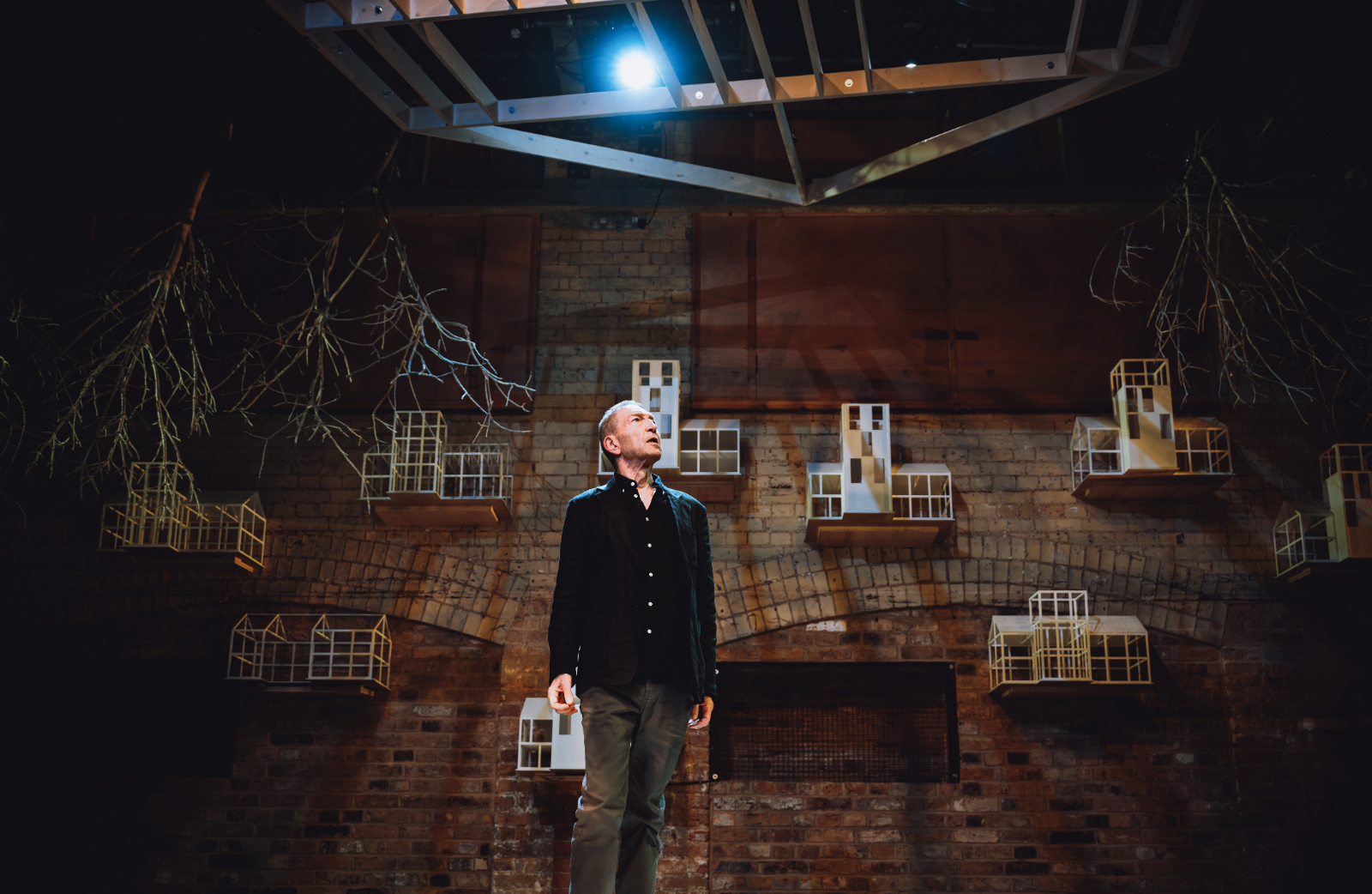
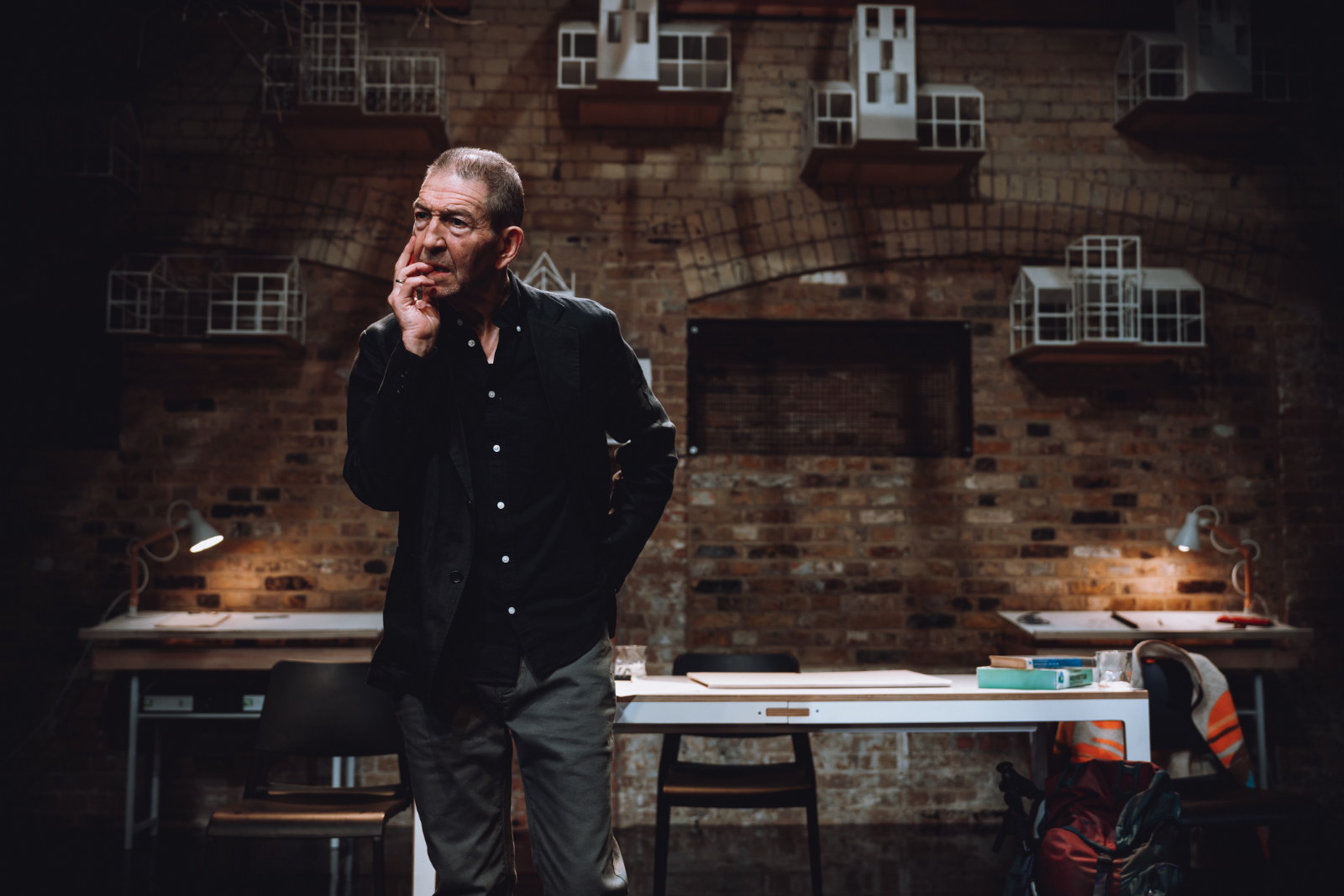
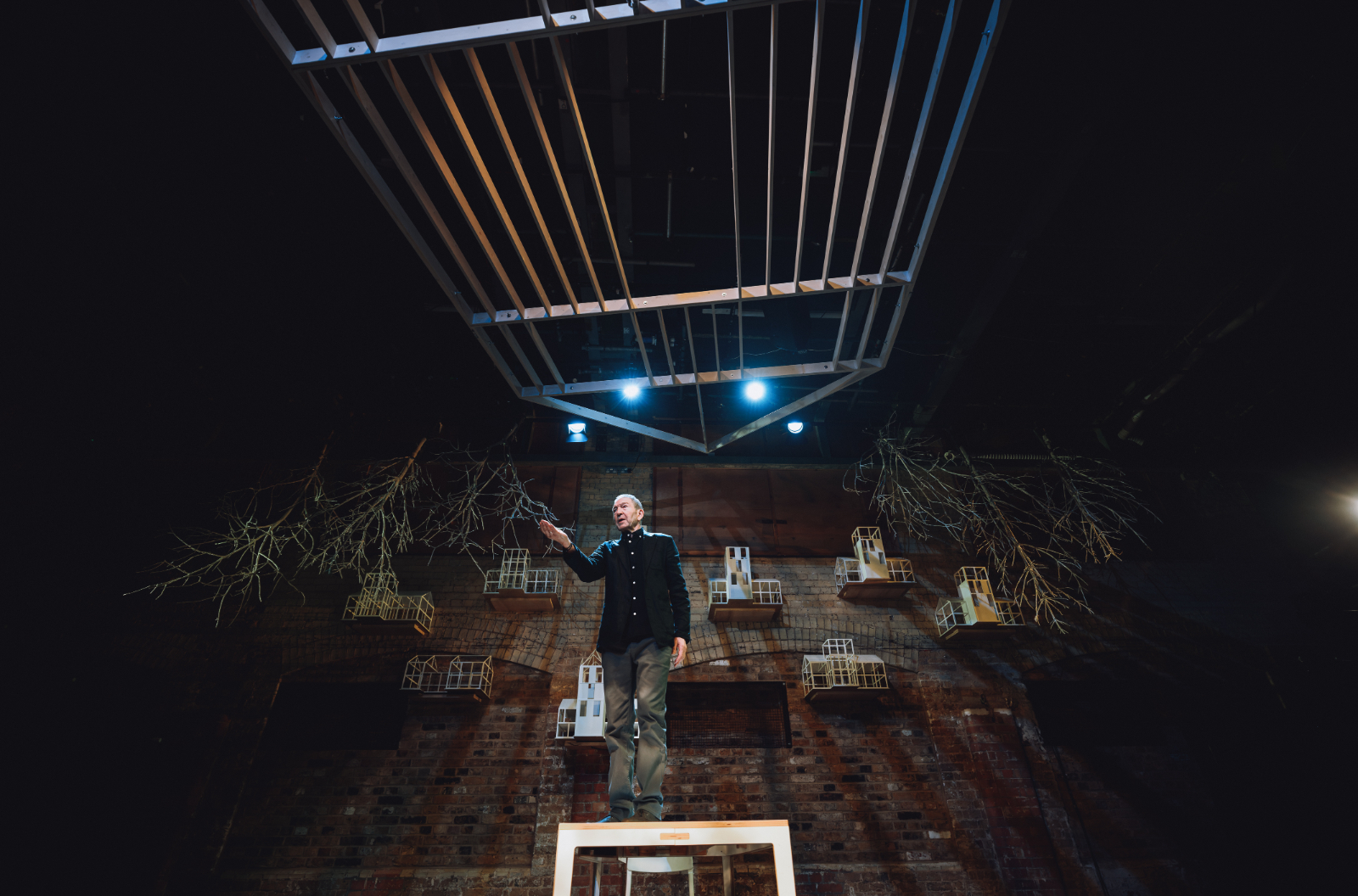
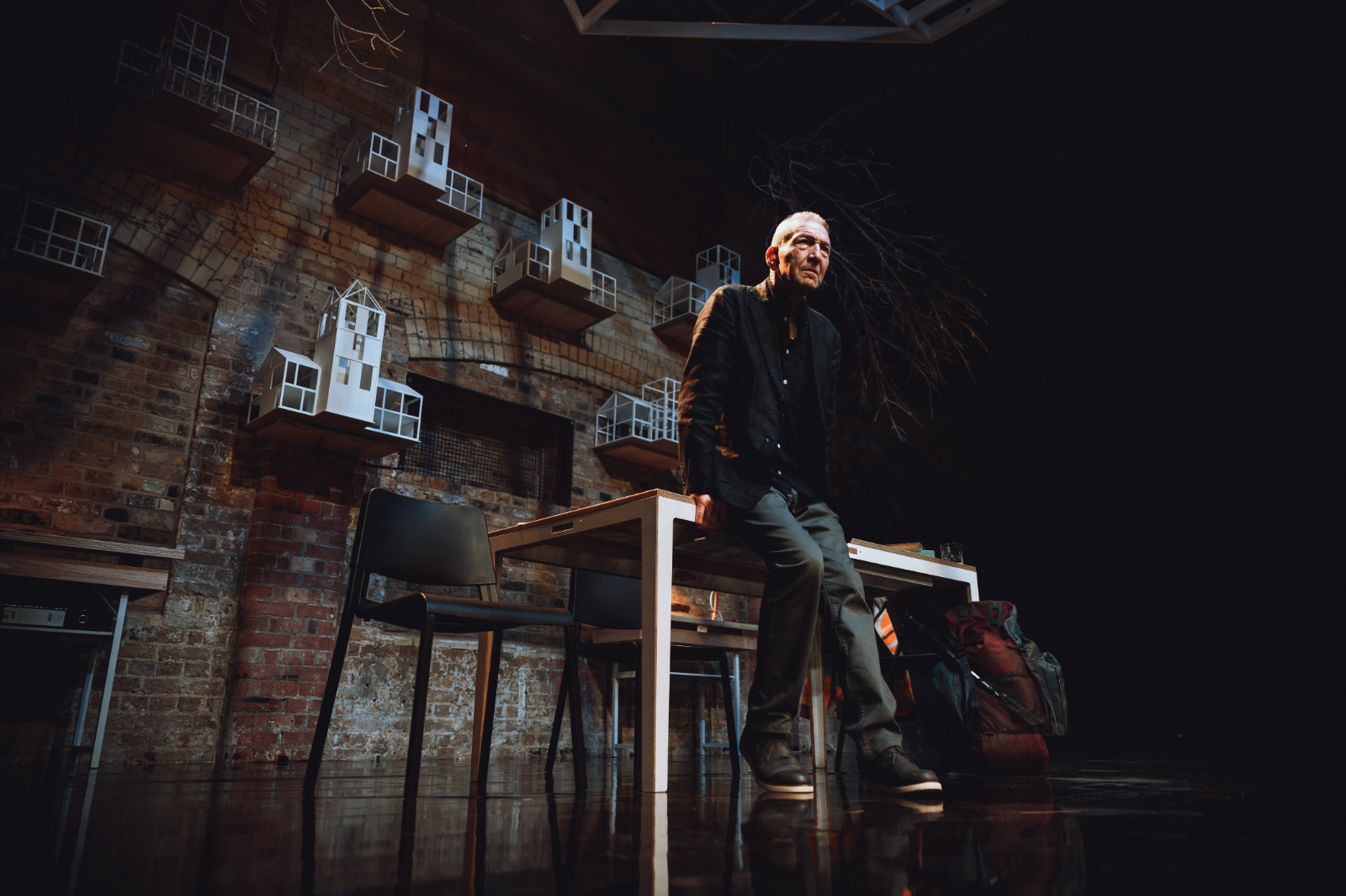
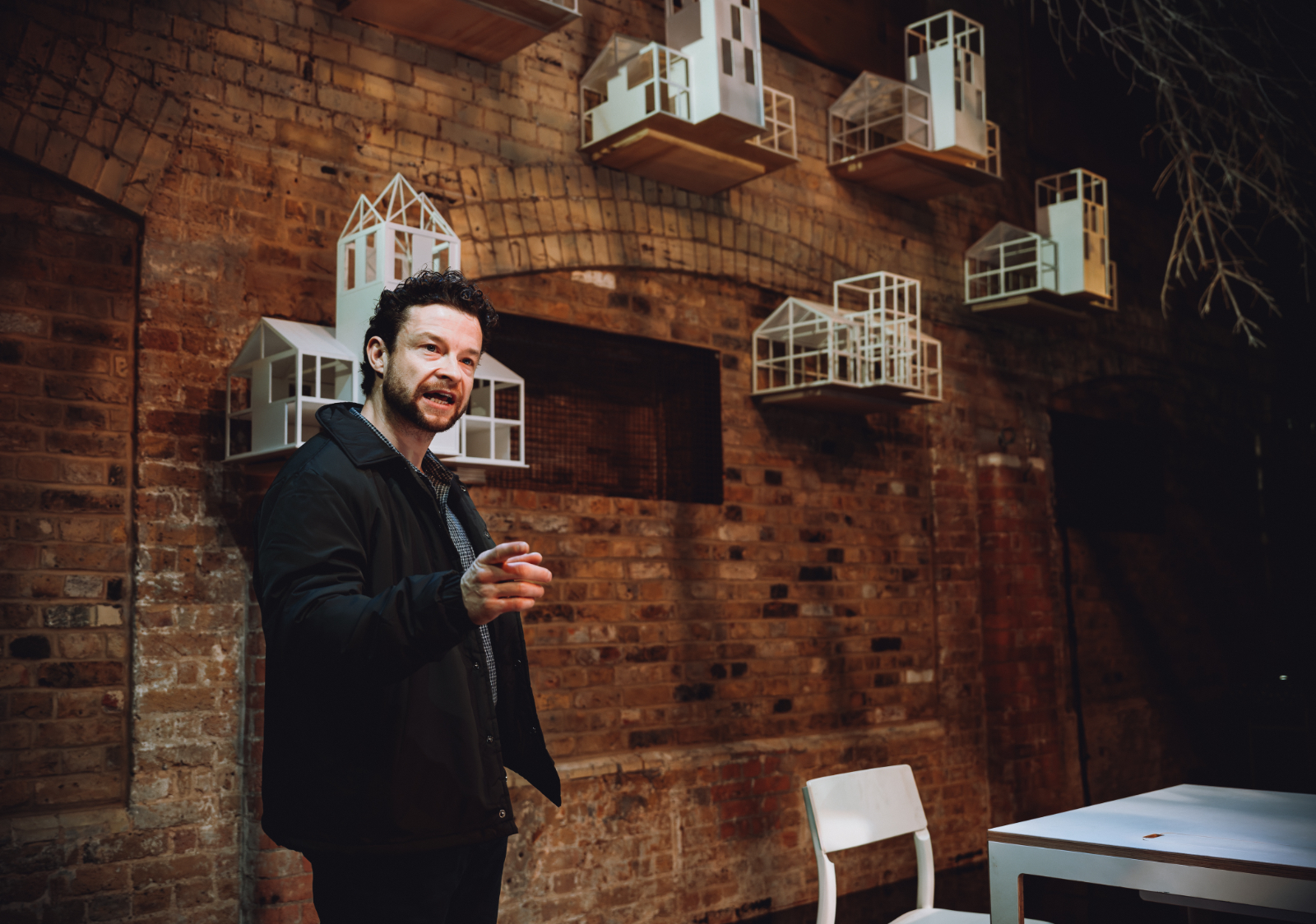
Artificial tree branches and miniature white architectural structures arranged across the walls, alongside the wooden house-like framework looming above the set, establish the production’s world of inescapable insecurity, guilt and fear of displacement. The restrained colours and enclosed space present Solness’s reality as emotionally sterile, with work desks and models of his creations consuming his everyday life. His success has become confinement.
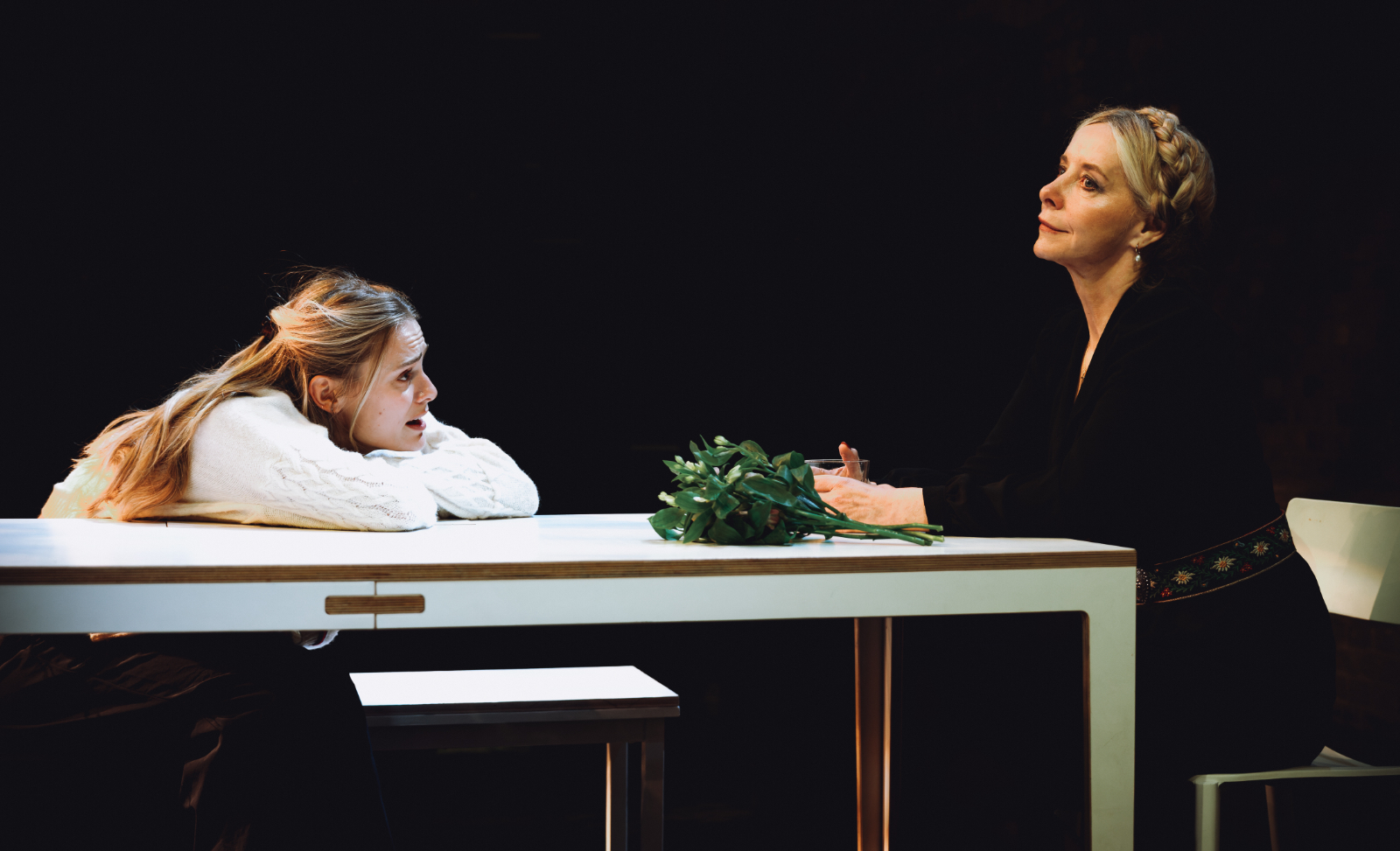
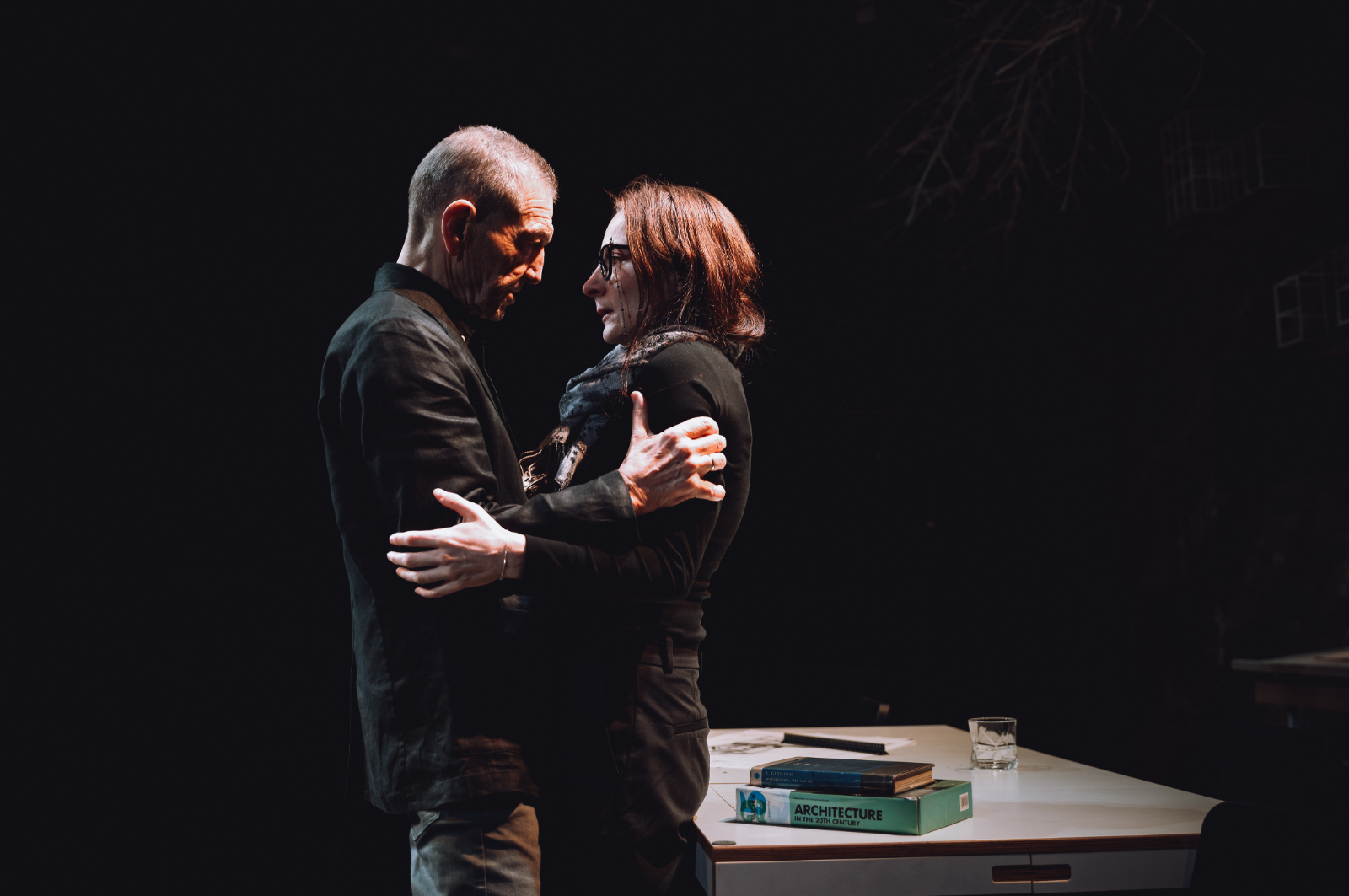
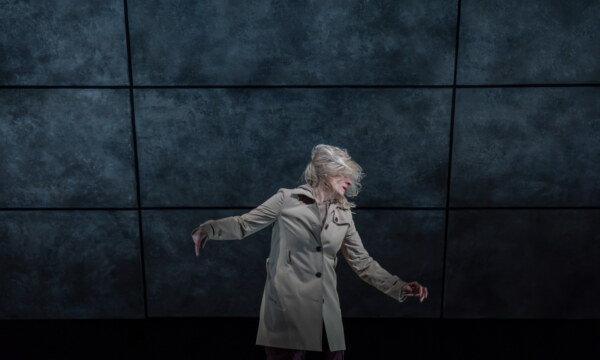
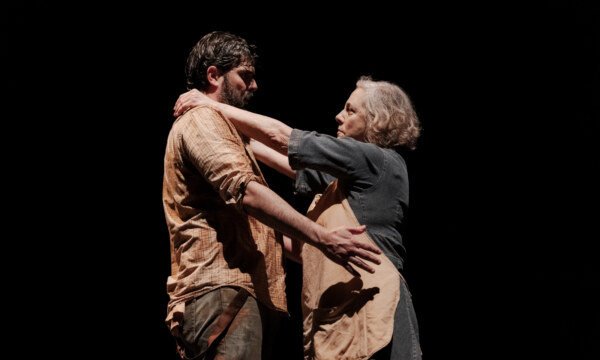
The cast’s performances are detailed and expressive, with power dynamics communicated through physicality and body language. Hilde’s commanding movements contrast with Kaja’s (Jade Williams) submissiveness as Solness’s secretary, whom he keeps close partly to prevent her partner Ragnar Brovik (Ryan Wichert) from surpassing him. Hicks’s shifts from patronising Kaja to becoming visibly flustered around Hilde, whose confidence and physical presence gradually unsettle him through her proximity, suggestive looks and willingness to occupy furniture and make herself at home. The shifting influence between them is compelling, although the age gap and their childhood encounter make the relationship discomforting, to say the least.
With only two set changes, the production is far from elaborate, relying heavily on the cast’s performances and audience imagination. After the interval, work desks are replaced with dull flowers that almost look dead, tended by Aline (Sally George), Solness’s wife. They evoke her grief over losing her childhood home in the fire and the deaths of their infant twins. Solness believes he somehow willed the fire into existence, revealing his grandiose, even God-like, sense of power alongside his guilt. The increasingly forceful wind effects and changing lighting build tension, while the recurring imagery of towers, heights and tombstones foreshadows his eventual fall, both from his position of greatness and literally to his death.
The final climb is the play’s most striking sequence. Solness disappears from view as the cast stand on chairs and tables, gazing upwards beyond the audience. The lighting dims completely as the wind intensifies. The climb makes theatregoers participate in constructing the climactic image, echoing Solness’s own preoccupation with building. By imagining his ascent, the audience becomes part of the collective anticipation before his fall. Aline collapses in despair, while Hilde’s gaze remains fixed on the light, delivering the final words: “My Master Builder.” As the light fades, a black-and-white image of a young blonde girl is projected onto the wall, leaving Hilde’s motives and memories unresolved.
Although the dialogue-heavy production relies on restraint and a deliberately bland setting to convey its themes, its focus on conversations, relationships and power dynamics can make the plot feel slow at times and lacking in action. However, its visual symbolism, character contrasts and haunting final scene effectively expose the cost of unchecked pride and soulless ambition.
Jennifer Hensey
Photos: Alex Brenner
The Master Builder is at Arcola Theatre from 16th October until 21st November 2026. For further information or to book, visit the theatre’s website here.


Watch the trailer for The Master Builder at Arcola Theatre here:





Facebook
Twitter
Instagram
YouTube
RSS