
Egypt voting for new government today
 24 May 2012
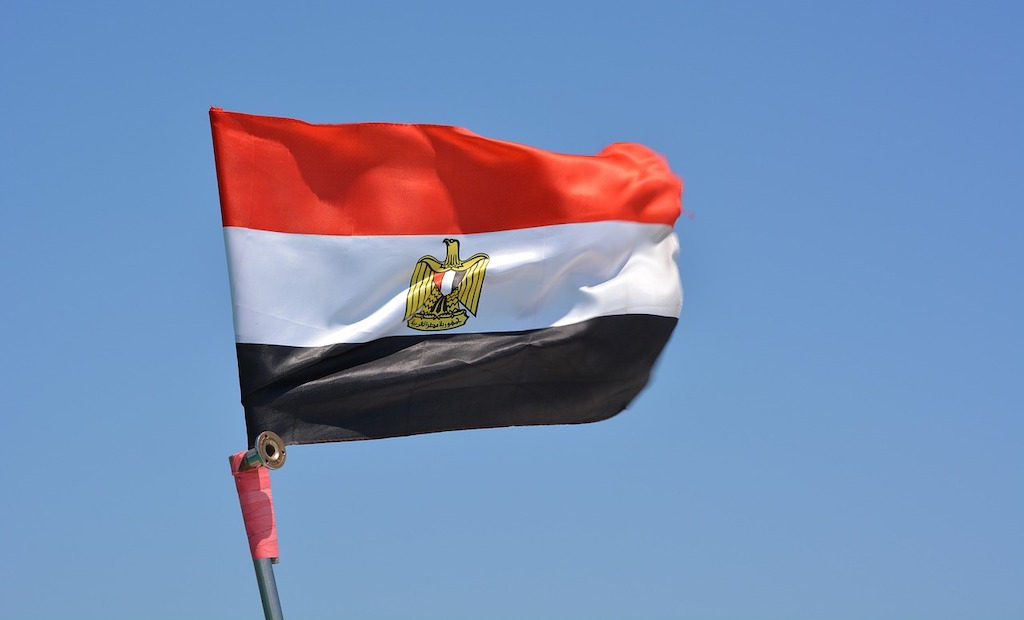
The people of Egypt are voting for a new government today and with the first round already underway, Tahrir Square revolutionaries are hoping their candidate is put into power.
There has already been a backlash against ex-PM Ahmed Shafiq as he went to place his vote today, with people throwing stones and shoes at the unpopular Muslim brotherhood politician.
Analysts have already predicted a tight vote and latest results indicate a large vote for Mohamed Morsi but this evening will form a clearer picture as the cooler temperatures will bring more people to polling stations.
Various incidents have already been recorded, including people being bribed to vote for certain candidates and generational differences regarding voting being observed.
Though, on the whole, elections are being deemed fair by foreign observers, there have been problems drawing an accurate assessment of the outcome as Ashraf Khalil wrote in Foreign Policy: “The infant Egyptian electoral polling industry isn’t just contending with obstacles of technical sophistication and voter schizophrenia; it’s also partially constrained by government interference. One of the under-reported aspects of Egypt’s new polling craze is the quiet but crucial role played in the process by a relatively obscure government agency: The Central Agency for Public Mobilisation and Statistics, or Capmas – a wing of the Ministry of Planning, run by an Army general – vets all potential polling questions and has the right to ban prospective pollsters from asking certain questions .”
“None of the pollsters interviewed for this article would comment formally on Capmas’s role for fear of jeopardizing a crucial relationship. But the red lines seem to involve sensitive questions regarding perception of religion, the army, or the security services. Examples of questions banned by the Capma censors include asking how many times per day a respondent prayed, whether they had ever had any dealings with the police, and what they thought of US aid to the Egyptian military.All in all, it’s easy to feel a twinge of sympathy for those tasked with gauging the political winds in Egypt. This promises to be one of the most intensely scrutinized and dissected national votes in Egyptian history. And it’s still an absolute black box,” he said.
Nobel laureate and reform campaigner Mohamed ElBaradei told the Associated Press that who wins the election is less important than establishing national unity.
“Whether Egyptians choose a reformist, an Islamist or a pragmatic leader, the key is to agree ‘on the basic common values that they’re going to live under’ – and for that to happen, basic needs such as food and health care in Egypt have to be met,” said ElBaradei.
The editorial unit















Facebook
Twitter
Instagram
YouTube
RSS