
Renaissance Impressions: Chiaroscuro at Royal Academy
 12 March 2014
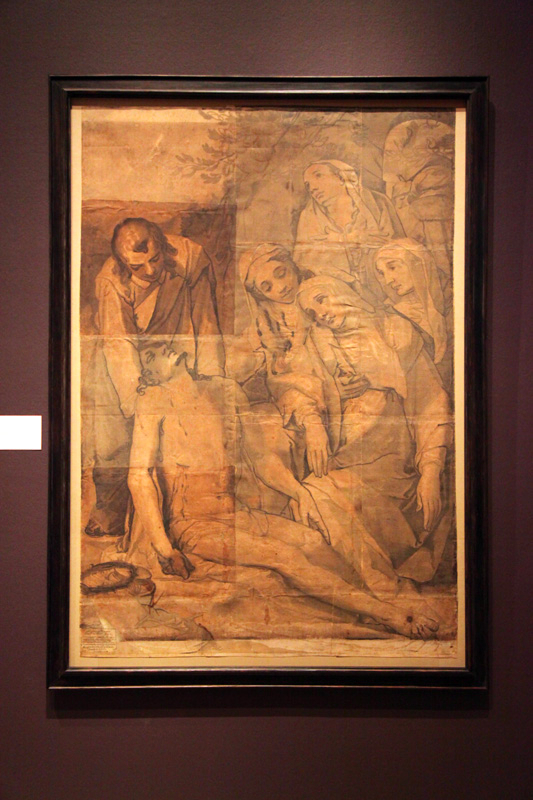
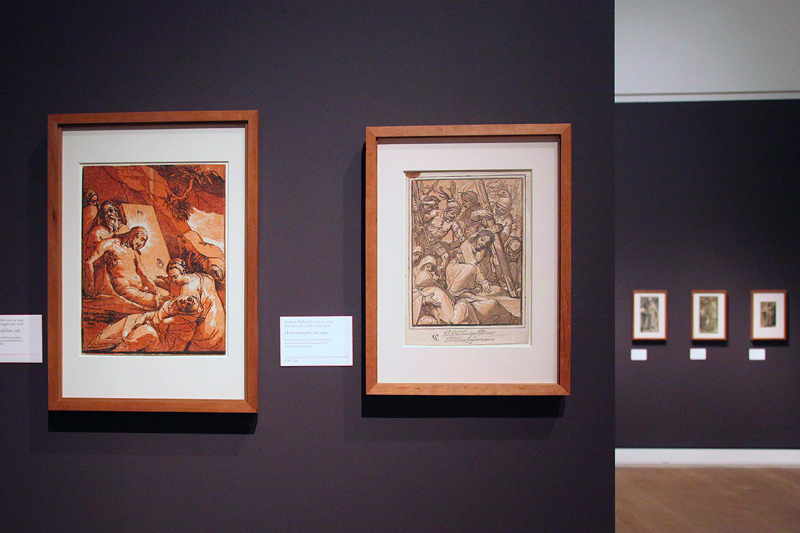
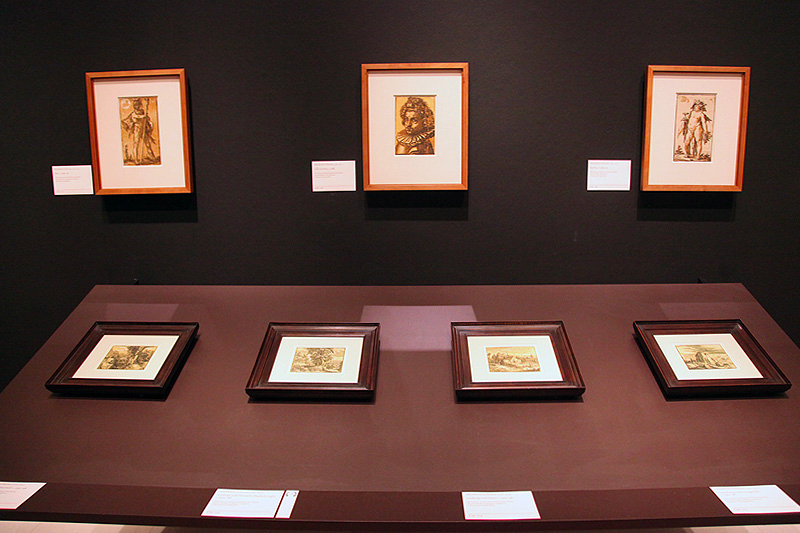
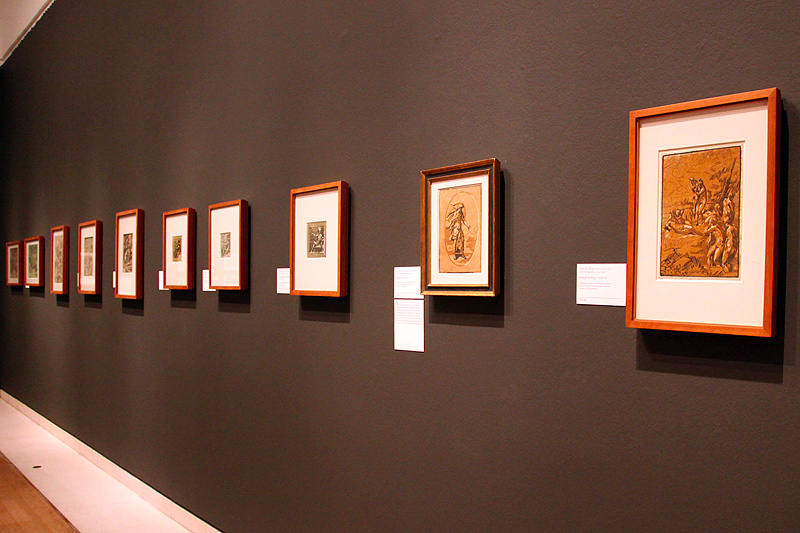
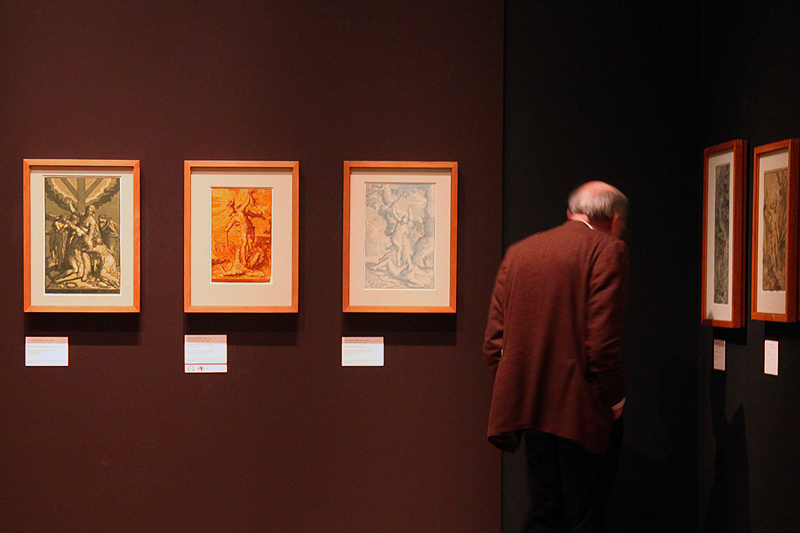
Featuring over 150 chiaroscuro woodcuts from the Albertina Museum in Vienna and Georg Baselitz’s personal collection, Renaissance Impressions charts the development of a once revolutionary printing technique during the 16th century.
Although pioneered by German artists Hans Burgkmair and Lucas Cranach, woodblock printing was also used in Italy and the Netherlands, something that is emphasised in the various different rooms of the exhibition. Conceived as independent works, or based on the designs of revered Renaissance artists such as Parmigianino, Raphael, and Titian. These woodblocks were then created through the use of a black line block and several colour tone blocks in order to create a intense contrast between light and shadow, which, in turn, imbues the print with a sense of heightened drama.
The first room, which features works by Cranach and Burgkmair, are by far the most interesting, purely because they were pioneers of the technique. The painstaking skill with which even the minutest detail has been rendered is fascinating. Furthermore, the fact that these prints are still in existence is illuminating; it suggests the importance placed on such works, these mementos of individual artists, both at time in which they were made, and ever since.
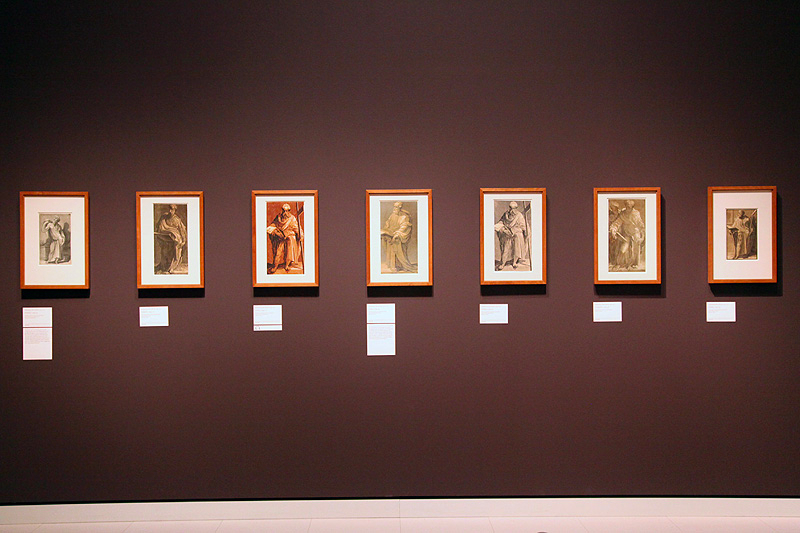
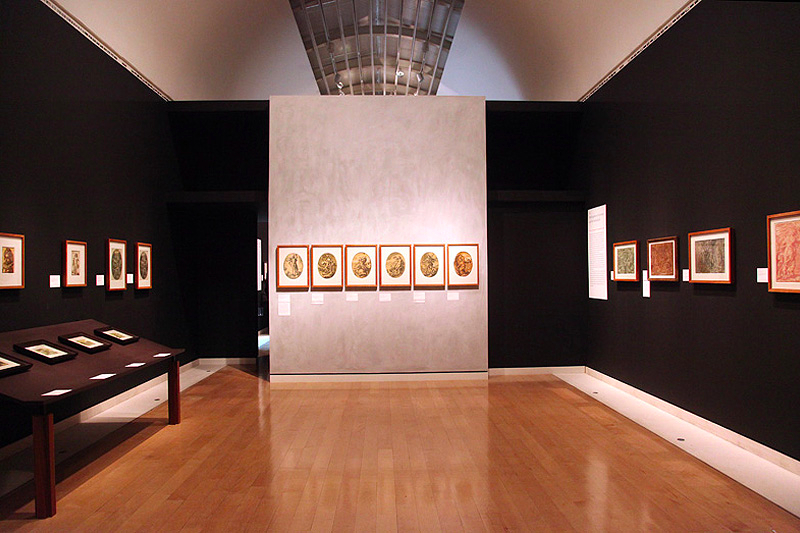
By the third room of practically identical, yet granted individually impressive, woodcuts, one starts to feel a little bored. Endless repetitions of style, subject matter and technique, prohibit the viewer from gauging any real sense of development – something which the exhibition has be predicated on. Furthermore, this very notion of development, coupled with the RA’s emphasis on the artist-as-genius, is problematic as it assumes, without any real basis, that art gets better over time.
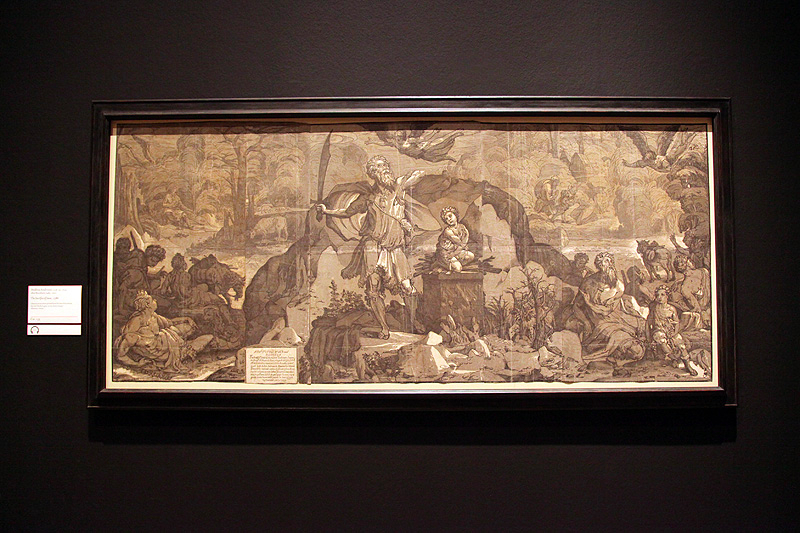
Standing out from the sea of repetition is Andrea Andreani’s Woman Contemplating a Skull, c.1591, the only real work to focus on a woman, which, in turn, brings our attention to the distinct lack of female artists represented, or indeed, an explanation as to why they are absent. Domenico Beccafumi’s Group of Men and Women c. 1545-47 and the two prints by Erasmus Loy are also notable, the former for its unique painterly quality, and the latter for their emphasis on geometry, and the fact that they were intended as cheap wallpaper, and so never meant as a collectors item.
Aside from tedious repetition and the lack of critical engagement with the works, there is something very enchanting about seeing these painstakingly detailed and exceptionally rare works.
The editorial unit
Photos: Rosie Yang
Renaissance Impressions: Chiaroscuro Woodcuts from the Collections of Georg Baselitz and the Albertina, Vienna is at the Royal Academy of Arts from 15th March until 8th June 2014. For further information or to book visit the gallery’s website here.













Facebook
Twitter
Instagram
YouTube
RSS