
Make-up: The everlasting trend
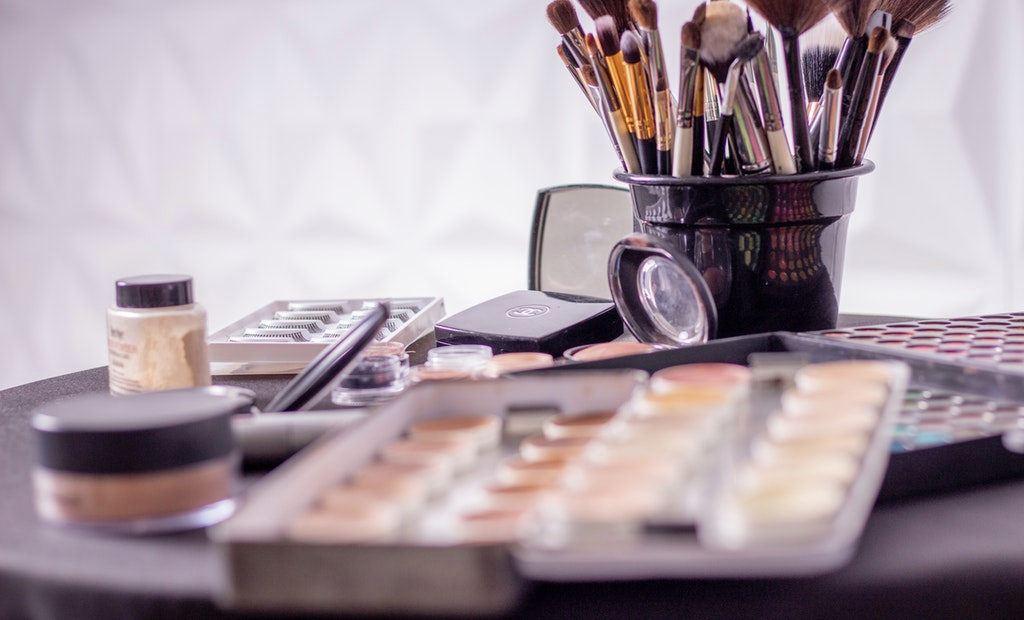


How does make-up make you feel? A US study conducted in 2012 revealed that almost half the female respondents reported being significantly happier when wearing make-up than not. In 2013, make-up alone contributed 20 per cent of worldwide cosmetics sales, translating into over $85 billion, with Sephora alone taking in $636 million.
Western countries are the greatest consumers of cosmetic products, with Asia and Africa steadily increasing in their spending and interest in this area. 2014 figures show the US as taking a revenue of $58.79 billion, and forecasting expects that number to grow to $62.46 billion in 2016.
For many women, make-up is an essential part of everyday life. However, this hasn’t been a recent phenomenon: the use of make-up can be traced historically across thousands of years, with virtually every recorded civilization using appearance-altering materials and techniques for symbolic, social and ritual purposes. One of the most famous examples of cosmetics and make-up being used is in ancient Egypt, with Pharaohs recorded as being painstakingly decorated in vivid colours both in life and death. It is in some of the artefacts discovered in the early twentieth century that we can locate make-up trends which have guaranteed lasting appeal – for example, winged eyeliner is derived from Egyptian make-up styles.
Oils and fragrant herbs, flowers and spices were used to protect, soften and scent skin exposed to heat and dry desert winds. However, the improvisation of products based on misconceptions about the ingredients used meant that women put their health and wellbeing at risk in seeking beauty. Toxic chemicals employed in face and body applications, such as those used by Elizabeth I and subsequent devotees of pale skin, included lead and arsenic. Later, in the 1800s, zinc oxide replaced the more dangerous mixes of copper and lead.
Even with modern scientific developments, make-up can still be harmful. In 2013 The Huffington Post reported that of the 1000 carcinogens banned in cosmetic products, the US had only banned nine, with those products still available through unregulated channels. The article also referred to misleading product descriptions and the ingredients added to products to extend their shelf life, comparing the practice to food processing. In order to prevent the negative effects of harmful make-up, one should research all products. Removing make-up before going to bed, drinking water and tailoring your make-up collection to what works for you are all sensible pointers to maintaining healthy skin.
However, sometimes going without make-up can be more beneficial than not. In September 2013, cosmetics retailer Escentual.com launched its DareToBare campaign to fundraise and draw attention to the work of the Breast Cancer Care charity. The campaign then morphed into the No Make-Up Selfie movement across social media, with millions of women posting their bare-faced selfies online, raising £8 million in six days for cancer charities.
Emma Pugh












Facebook
Twitter
Instagram
YouTube
RSS