
Life in a Cup: Coffee Culture in the Islamic World at the British Museum
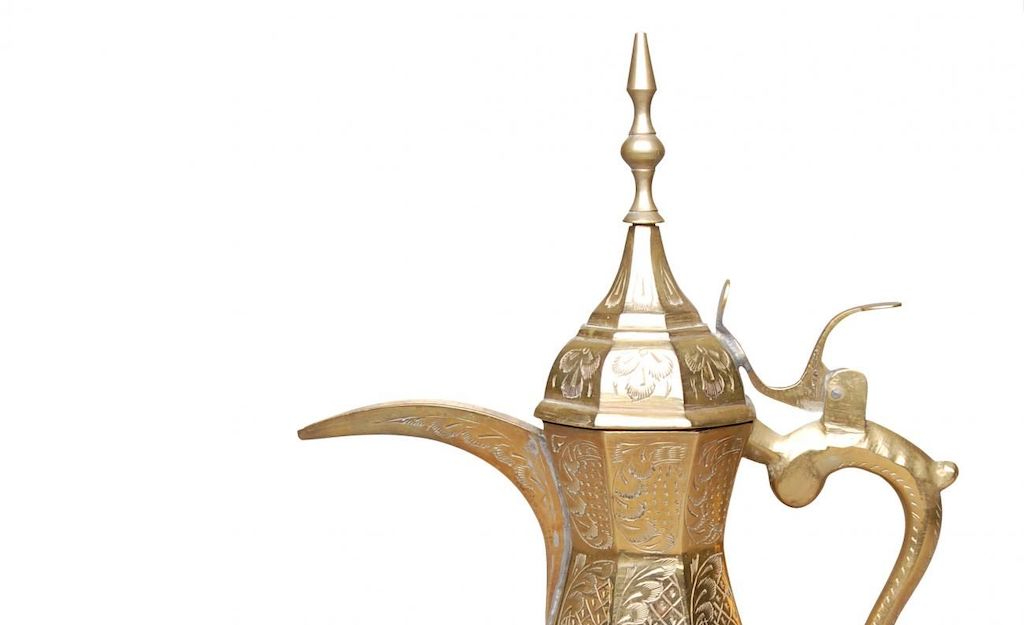


The British Museum is currently holding a free exhibition retracing the rise and spread of coffee in the Islamic world. Tucked away in one of the rooms dedicated to Islamic art, the collection is rather small and unassuming, but it nevertheless offers a fascinating glimpse into a crucial stage in the history of coffee: the era that saw the drink elevated from mere stimulant to protagonist of widespread social rituals and gatherings.
At the exhibition, visitors can admire coffee-making artefacts dating as far back as the 18th century and discover many interesting historical facts. Initially used to ward off sleep and stimulate the mind (as early as the 1300s) by members of the Shadhiliyya Sufi order in Al-Mokha, Yemen, the coffee brew rapidly spread along trade and pilgrimage routes. The very existence of some of the equipment on display is proof that coffee was already deemed indispensable by many. There are, for instance, special bags for carrying green (raw) coffee beans, and a number of portable roasters, including one that can be folded (which was used by shepherds) and another featuring wheels that was carried by bedouins so they could easily remove the roasted beans from a ground fire.
The importance of coffee can be further ascertained through pieces such as the painting of a kahveci basi, or Sultan’s coffee maker – an 18th century Ottoman figure, whose position at Court entailed the overseeing of the coffee-making process as well as taking care of the palace’s coffee equipment. Enjoying the addictive coffee brew soon became a daily ritual, and different coffee pots designed for home use were manufactured across the Islamic world. A selection of these can be admired at the exhibition, including the dalla, ibriq and jamana.
The founding of coffeehouses in subsequent years transformed coffee-drinking into something more: it became a precious opportunity for social interaction, business transactions, the exchange of information and even the resolution of conflict. All these activities could take place within an establishment where all patrons interacted on an equal footing – an unprecedented opportunity. A selection of early 20th century postcards depicting coffeehouses suggests that the café had also become a fashionable place literally worth writing home about.
In spite of its modest size, Life in a Cup is not only a delightful leap into coffee history, but it awakens a sense of awe for the evolution of a humble drink into a product of unmatched prominence and magnetism.
Mersa Auda
Life in a Cup: Coffee Culture in the Islamic World is on at the British Museum from 27th October 2021 until 18th September 2022. For further information visit the exhibition’s website here.













Facebook
Twitter
Instagram
YouTube
RSS