
Gen Z’s cultural consumption: How TikTok is reshaping art appreciation
 30 July 2025
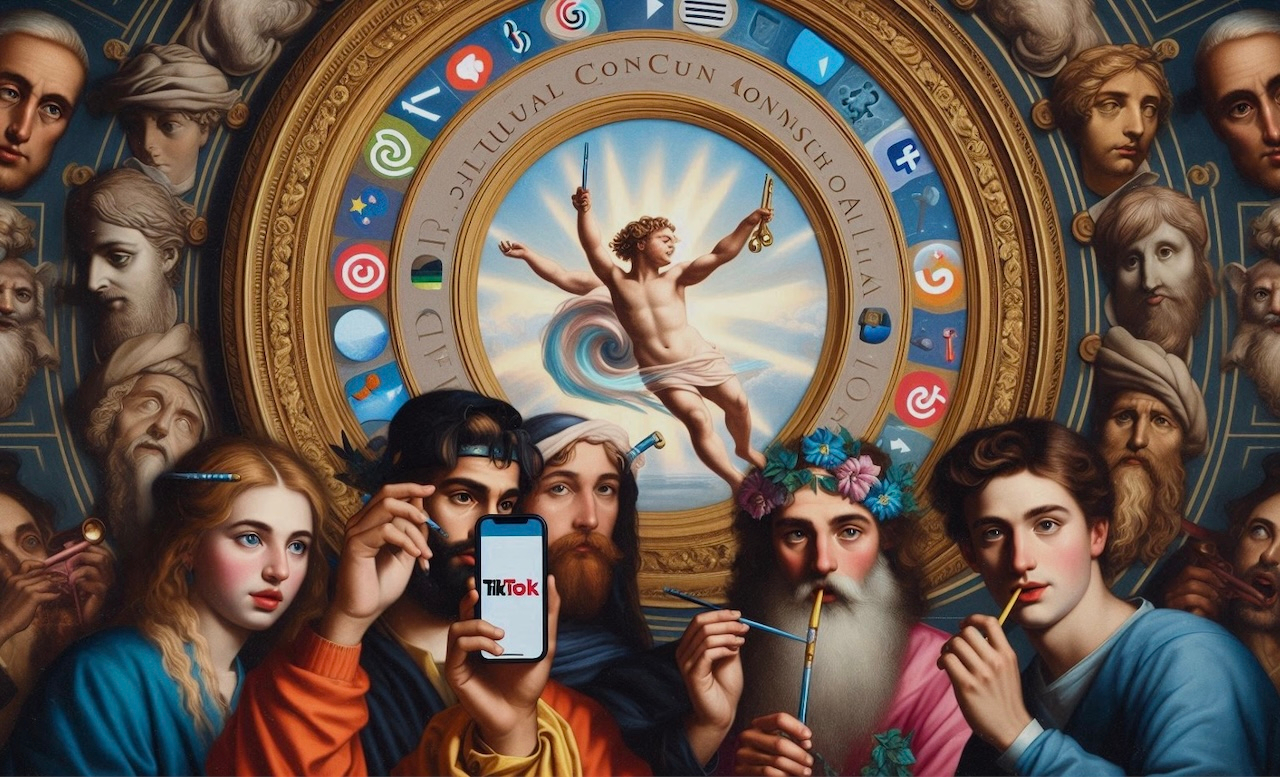
TikTok has revolutionised how Gen Z engages with culture, turning art appreciation into a viral phenomenon. Short-form videos now dictate trends in music, fashion, and even classical art, with museums and galleries adapting to this shift. Platforms like WS casino Canada highlight how digital spaces influence entertainment, but TikTok uniquely democratises high culture. This article explores how the app is rewriting the rules of art consumption.
The viral renaissance: TikTok’s art revolution
Art institutions once relied on physical attendance, but Gen Z prefers digital discovery. TikTok’s algorithm surfaces niche creators, forgotten masterpieces, and art challenges, making culture accessible. The Louvre’s Mona Lisa, for instance, gained 2.3 billion views under #MonaLisa, surpassing its annual visitor count. This shift isn’t just about reach – it’s changing how art is valued.
Key facts: TikTok’s impact on art engagement
TikTok has blurred the line between highbrow and popular culture, with Gen Z leading the charge. Over 60% of younger users now encounter art via the app, often before stepping into a museum. The platform’s short-form format aligns with reduced attention spans, yet strengthens engagement through narrative content. Here’s how the numbers break down:
- 5 billion art-related videos were posted in 2023, up 320% from 2020
- 78% of Gen Z users prefer TikTok over traditional galleries for art discovery
- The #ArtHistory hashtag has 4.7 billion views, with Baroque art surging 210% in interest
- 62% of museums now use TikTok, up from 12% in 2019
- Digital art sales linked to TikTok trends rose by $600 million in 2022
How memes are making masterpieces mainstream
TikTok meme culture turns old art into familiar material. Caravaggio’s dramatic lighting is developed into make-up tutorials, and Klimt’s gold leaf is seen in DIY decor. This remix impulse parallels art history – Warhol’s pop art, but with an algorithm…. The British Museum says it is down to TikTok for a 40% boost in under-30 visitors after the viral sharing of its artefacts.
The dark side: Authenticity vs algorithm
The remaining trends raise concerns about the quality of art appreciation. Context is often diluted by the speed-watching of museum tours or surface-level commentary. A 2023 survey revealed that 53 percent of TikTok users could not identify the artist behind viral artworks. Yet the counterbalance – a democratised, global audience – has prompted institutions like the Met to develop TikTok-first exhibitions. The underlying challenge remains the trade-off between virality and depth.
Tik Tok has clearly made art an interactive activity that can be shared. As purists argue over its effect, the app has introduced centuries old works to millions of people who may never step inside a gallery. With the platforms changing, our definition and valuation of cultural literacy will also change. The new era of art appreciation is digital, collaborative and as Gen Z as it can get.
The editorial unit

















Facebook
Twitter
Instagram
YouTube
RSS