
Silent Friend


There is an urban legend in the world of film journalism stating that Terrence Malick will finally fulfil his promise and show his latest title during one of the three main festivals: Cannes, Venice or Berlin. No one is sure if it’s going to happen, but this year – during the Biennale – the Hungarian director Ildikó Enyedi presented Silent Friend, a feature film that gets as close as anything to a new Mallickesque tale.
Silent Friend gives us a triptych in the form of one film, as it simultaneously follows three characters. Such a patchwork composition requires tremendous focus – it takes a while to put all those puzzles together, but it’s intellectual fun, ready to be unpacked by the audience. There is no linear order, so the lack of structure is reminiscent of Mario Vargas Llosa’s writing style. It is up to the viewers how much they will unscramble during the first watch.
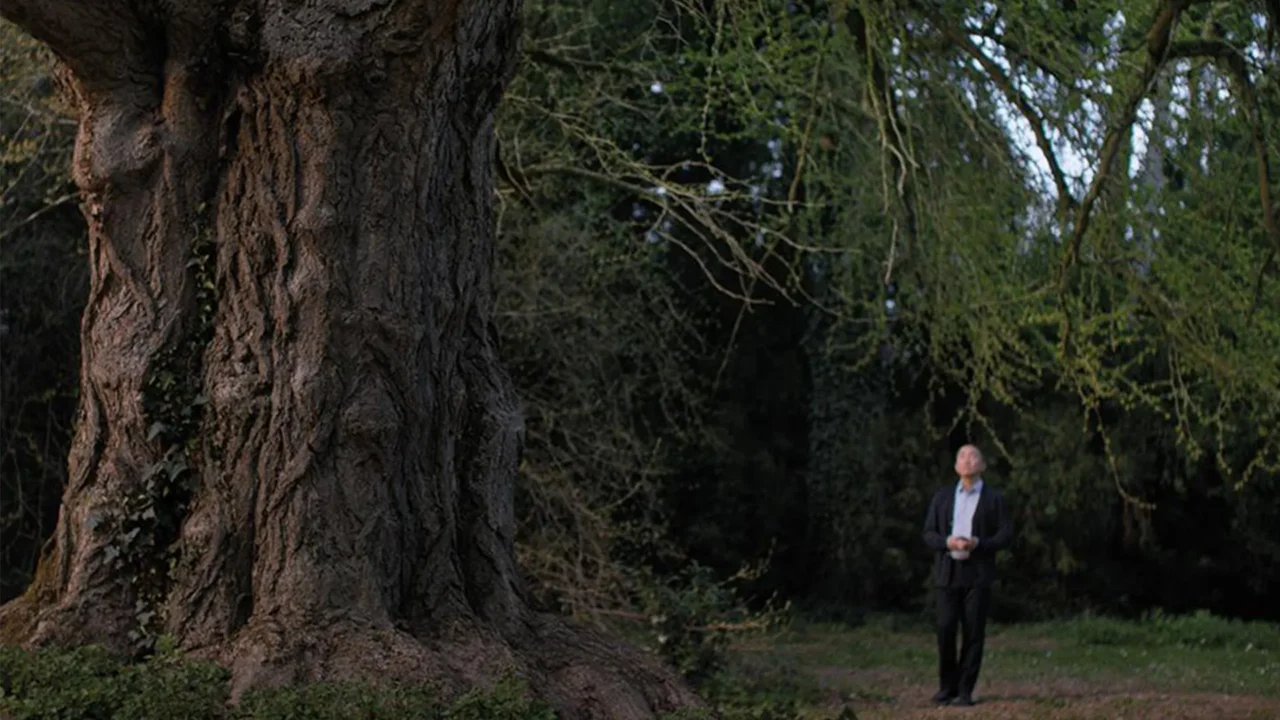
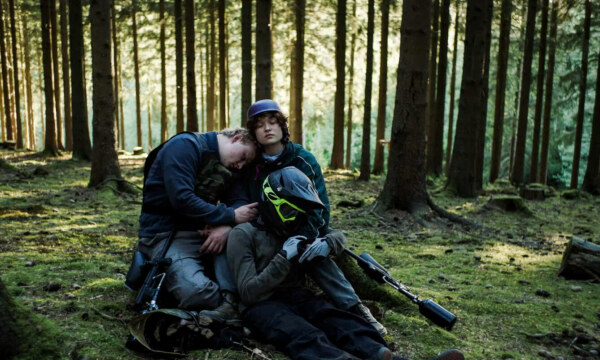
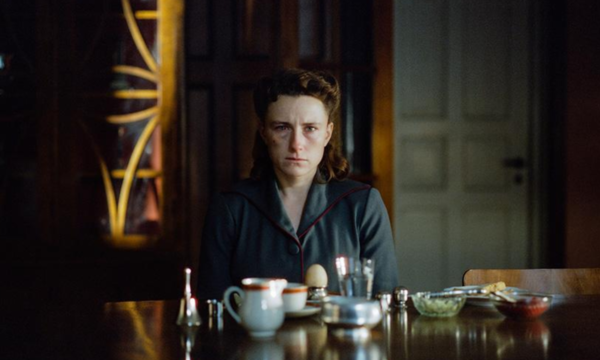
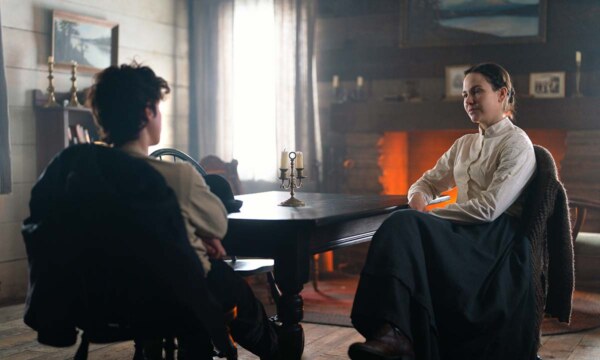
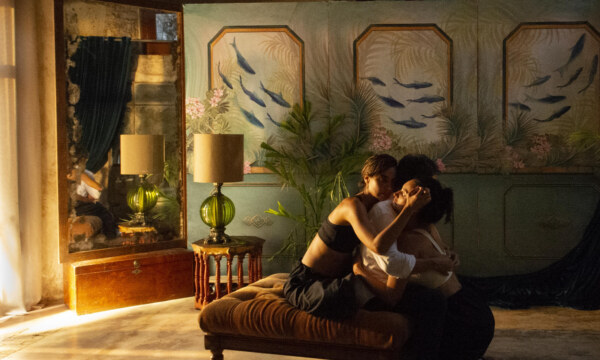
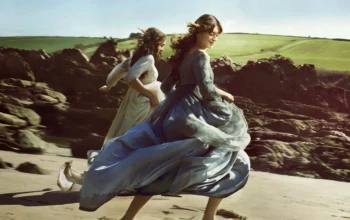
Firstly, we are acquainted with a neuroscientist (played by the irreplaceable Tony Leung), who arrives at a German university right before the COVID outbreak to work on his project exploring the minds of babies. It will only be a matter of time before he exchanges babies for trees. Secondly, Silent Friend starts following a young man (in an amusing performance from Enzo Brumm), who, after becoming enamoured by a girl while beginning his studies in 1972, starts watching over her geranium. Thirdly, in 1908, we meet the university’s first female student (charismatic Luna Wedler), who embarks on her studies by intertwining photography with botany.
Those three study/work in the same university building, which has developed over the years, and experiment in the same botanical garden. This place is left rather unchanged during the course of the film’s events. Our three protagonists are connected by the aspirational nature of their personalities. All of them – rather unexpectedly – become invested in searching the invisible interconnections between humans and nature. By experimenting, all of them start finding solace in the enduring power of trees and plants, which become their eponymous silent friends. To some extent, such storytelling echoes David Mitchell’s Cloud Atlas (also adapted as a film), where protagonists from various eras and places were reincarnations of the previous narrators.
The greatest sin of Silent Friend is how it abruptly cuts two out of three storylines (only Leung’s timeline is somewhat concluded). One can defend such a decision by arguing that all three stories are actual projections of the Gingko tree’s memories. It has been able to observe each character’s misadventures. Once they left, the tree lost “sight” of them. It’s an immersive project, but despite its immense length (two hours and 30 minutes), one feels it is unfinished, hurried and unpolished. It’s an uncut gem, but still a gem.
Jan Tracz
Silent Friend does not have a release date yet.
Read more reviews from our Venice Film Festival coverage here.
For further information about the event visit the Venice Film Festival website here.
Watch a clip from Silent Friend here:











Facebook
Twitter
Instagram
YouTube
RSS