
The changing nature of home working and why ergonomics can no longer be an afterthought
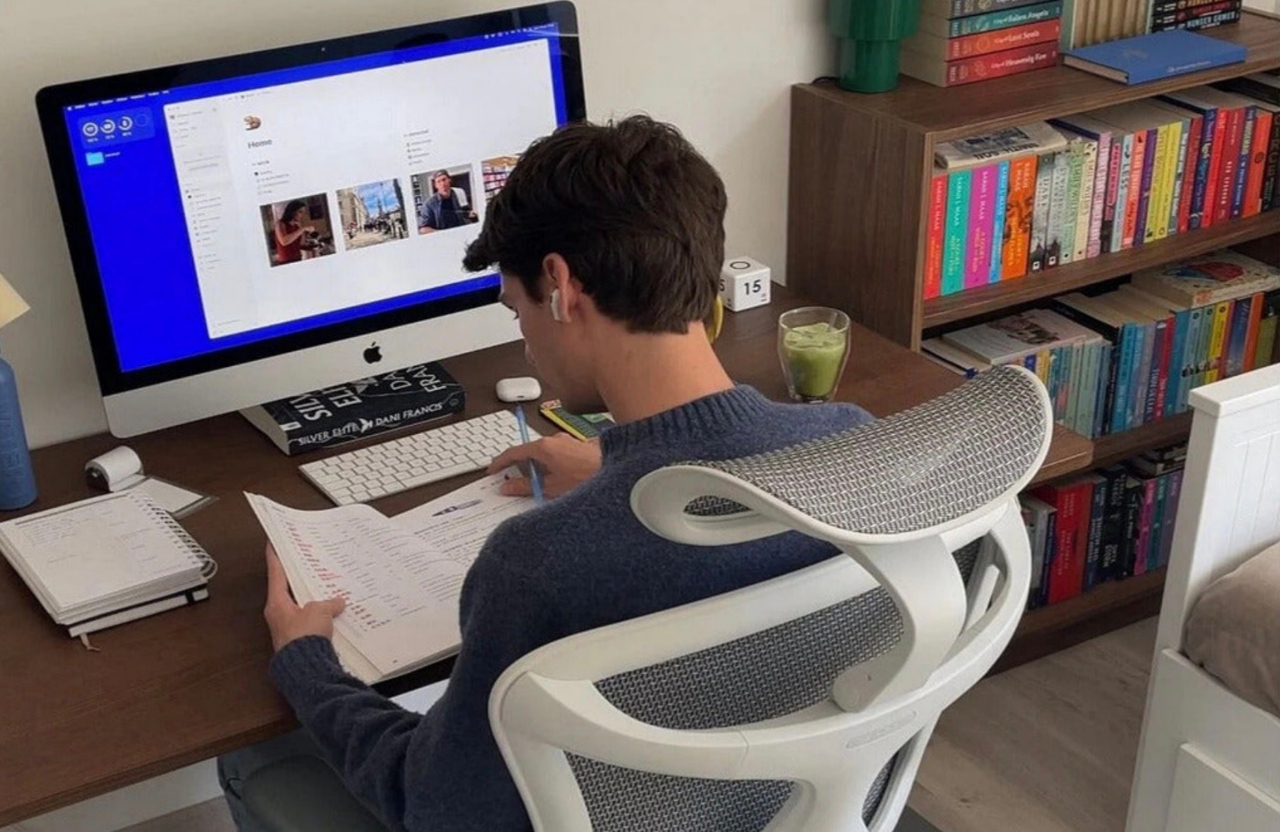

Changes in working habits shifted to home working have changed everyday life understatedly. The changes which previously were temporary accommodations, now were turned into permanent practices of millions of people, where kitchen tables turned into desks and living-rooms turned into temporary-lying offices. Although the convenience factor is irrefutable, the physical effect of this new working culture is largely overlooked. Working practices that have exposed many people to stresses that cause a lot of uneasiness to the body have been taken unconsciously by many people which accumulate over months or years to cause continuous discomfort.
It is simple to put the blame on the aches and stiffness to stress, age or workload, however, the reality is much more basic: most home-working arrangements are not made to accommodate extended sitting. It is in the human body to move, but modern day work usually calls on the extreme opposite. The initial step to a healthier and more sustainable working routine is to understand why this discrepancy leads to issues in the first place.
The hidden cost of sitting: Why so many home workers feel uncomfortable
Physical pain does not manifest itself abruptly. It sneaks up gradually, a few weeks here and there one we stiffen, or there another we ache, a feeling of soreness in the lower back at the end of a long day. With time these are accepted as the new normal and individuals silently adapt instead of investigating the reason. Nevertheless, the cause of this is not at all secret.
The majority of domestic chairs, dining seats, bar chairs and small office seats have no necessary aspects of ergonomic support. They do not contribute to healthy spinal position, they do not promote good movement and they do not evenly distribute body pressure.
The issues that have been observed in the home-working arrangements include some of the following:
- Weak lumbar support whereby the lower back folds into a stoop.
- Chairs with a fixed height which cause the shoulders to curl or the neck to be bent.
- Minimum movement which decreases the circulation and hastens the fatigue of the muscles.
- Monitors improvised to result in the forward-head position and tightening of the cervical muscles.
- Minor accumulation of pressure on hips and thighs and which causes discomfort when the sessions are lengthy.
These problems are developed, and it is not always those aware that they sit in the wrong place. That is why ergonomics has become not a specialist issue, but a daily need of a person who spends several hours at a desk.
What good ergonomics actually looks like
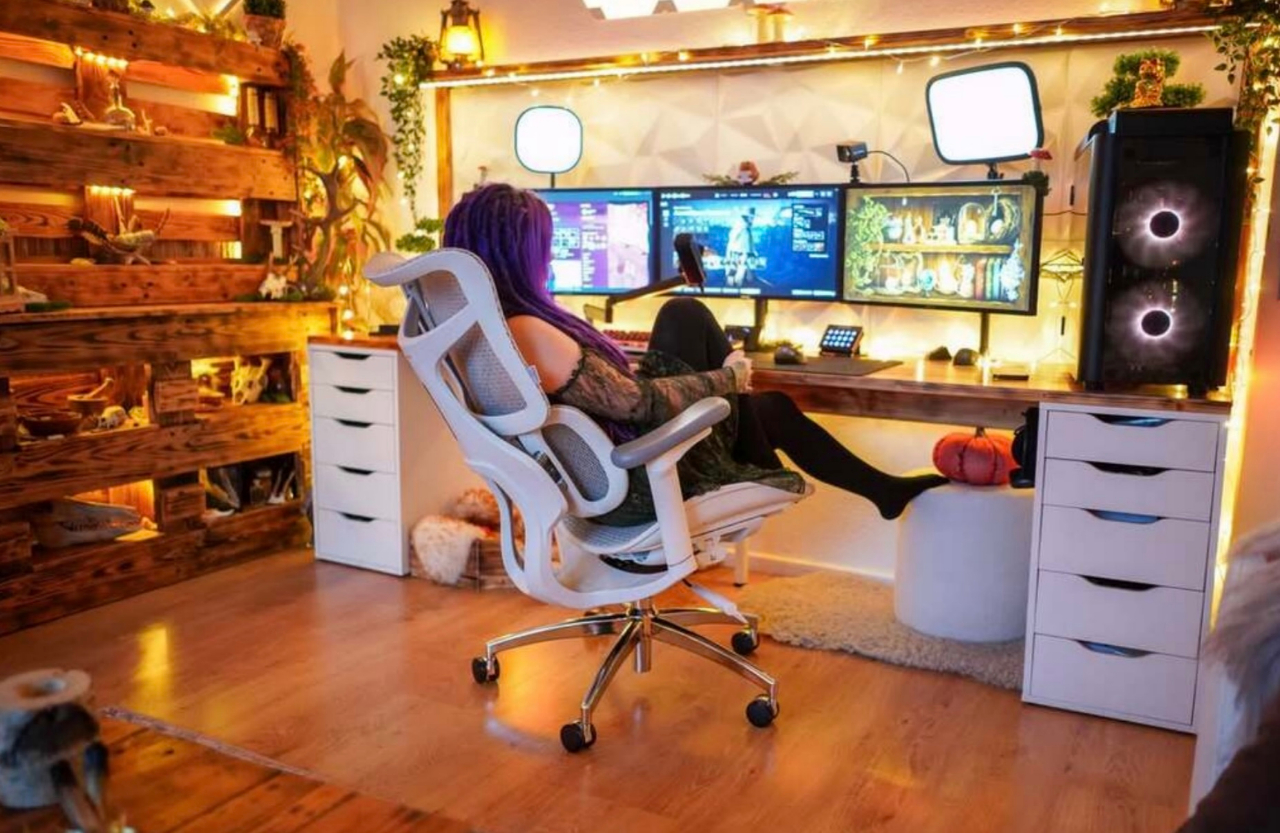
Ergonomics does not consist of a well-stylized workspace and a nice collection of costly furniture. Ergonomics at its simplest is all about taking the strain off the body and letting the body move and rest at its own pace. An ergonomically designed work station must be compatible with the body rather than subjecting it to unnatural postures.
Good ergonomics in practice refers to:
- An ergonomic office chair with a natural curve of the spine as opposed to an office chair with a straight back.
- Armrests that hold the shoulders in a relaxed position as opposed to raised.
- A chair with even distribution of weight to prevent areas of pressure.
- A chair system that promotes frequent movement rather than sitting.
- A porous surface avoids the accumulation of heat thus ensuring comfort in the long run.
These factors combined mean that it is not exhausting to spend hours sitting. Rather the body is in support and the mind is kept centered.
How modern ergonomic chairs support today’s working habits
Ergonomic seating has gained momentum within the recent years. The current seating arrangements in chairs have shifted to dynamic support- that is, in response to the natural motions of the body instead of providing the support adjustment in one direction. This is especially so when dealing with individuals who do their work at the house, as their sitting habits are more diverse when compared to a traditional work set-up.
The Doro C300 and Doro S300 chairs by Sihoo are two examples of chairs designed based on these principles. They show how a chair can be engineered with consideration and thus feel more of a part of the working environment than merely a furniture object.
The Doro C300: Support that adapts throughout the day
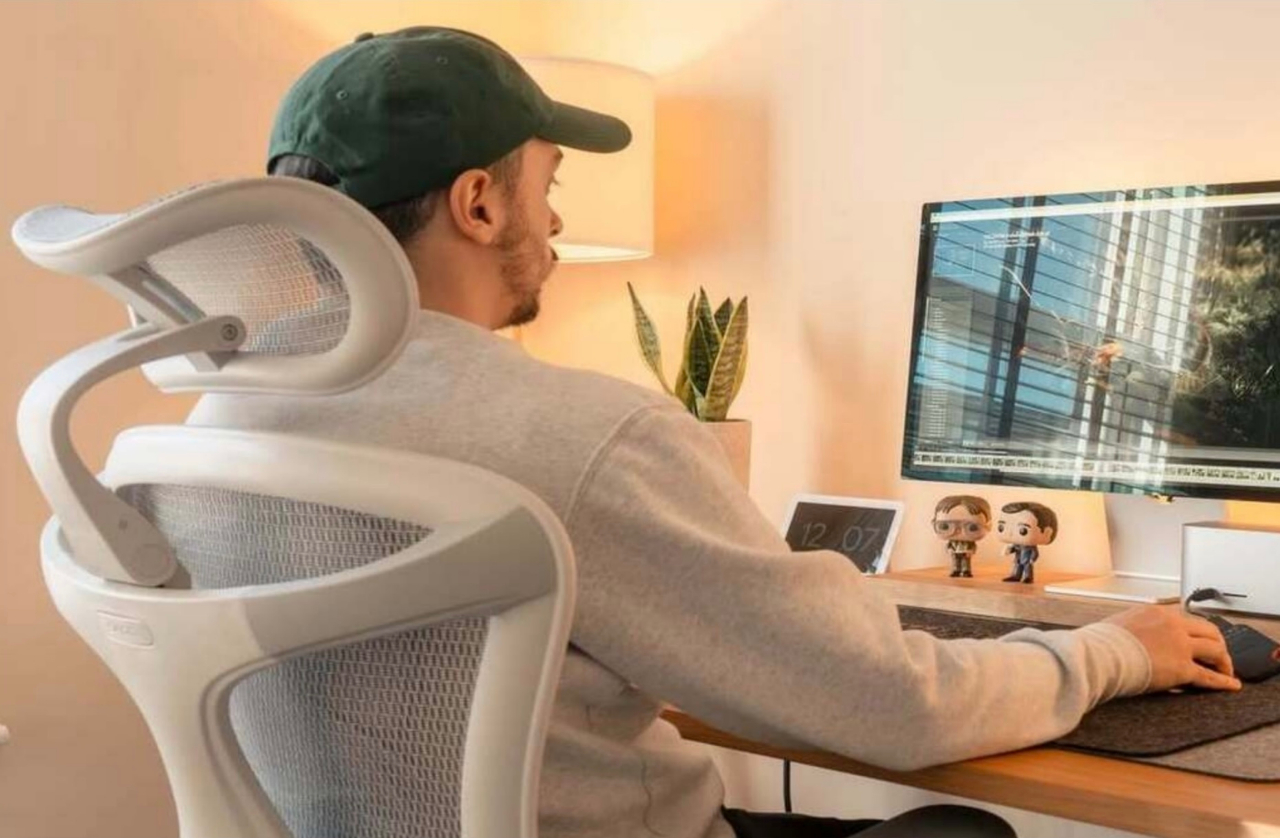
Doro C300 is designed to meet the needs of those who alternate between work and work, typing, video-calling, note-taking, creativity, reading, or just taking a break and reclining. It is most powerful because it has adaptive lumbar support, and it reacts instinctively to the change in the posture. The lumbar cushion does not require any manual adjustment since it moves with you and maintains the alignment without any interruption.
Other ergonomical characteristics are:
- A gravity-assisted reclining posture that promotes movement minus support loss.
- An adjustable headrest (3D) that prevents the neck from losing its position when one is using the screen or reading.
- Four-dimensional armrests which conform to arms when typing or leaning.
- An elastic breathable net that will remain comfortable during extended use.
- A waterfall seat design which decreases pressure in the knees.
Chairs such as C300 are not merely concerned with comfort but they indeed minimize the micro strains that build up in the daily routines.
The Doro S300: Engineered for people who sit for long, unbroken sessions
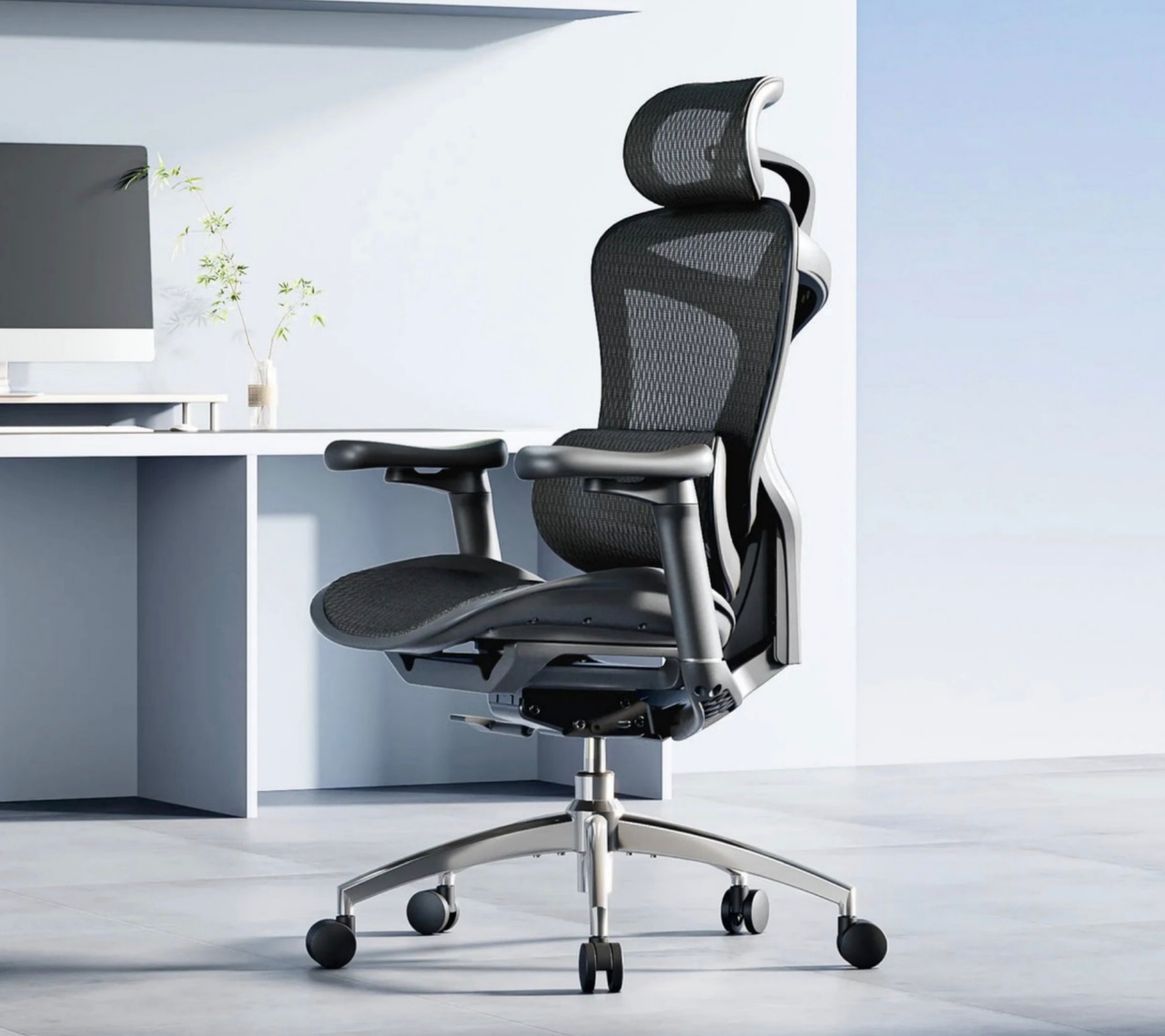
To those who have to spend much of their time in a deep-focus position, the Doro S300 provides a more sophisticated solution to ergonomic support. It is distinguished by an anti-gravity recline system constructed out of aviation grade glass fibre plates. This mechanism results in a floating effect which reduces pressure applied to the spine at recline.
The major ergonomic benefits are:
- Dual-wing lumbar support which is automatically adjusted to the lower back.
- 6D armrests aimed at conforming to natural arm motion and elimination of shoulder tension.
- Seat suspension that is shock absorbing to even out the impact and lessen fatigue.
- A reclined thinking support with the head and neck incorporated. Superior mesh fabrics that are breathable and comfortable to the skin.
The S300 is popular with the writers, designers, engineers, developers and anyone who requires much sitting time with minimum interruption.
Which chair supports which working style?
The Doro C300 is ideal if:
- All your day is characterized by different activities and changing postures.
- You like a chair which is self-adjusting to movement.
- You desire a combination of support, breathability and elasticity.
The Doro S300 is recommended if:
- You have long and continuous sit-downs.
- Accurate lumbar, armrests and recline adjustment is required.
- You wish to have high quality ergonomic experience that will last long.
Screenshot
Conclusion: Ergonomics is no longer optional
Since home working has become a regular practice in the modern lifestyle, one of the easiest methods of safeguarding long-term health and enhancing comfort in the daily routine is to invest in proper ergonomics. The absence of a chair that can be moved around, that supports the spine and takes the pressure off may be a big difference not only physically but mentally and in professional life. In case readers are interested in the ergonomic seat market, visit the Sihoo UK website.
The editorial unit




















Facebook
Twitter
Instagram
YouTube
RSS