
How to maintain fitness habits as temperatures drop
 9 December 2025
As autumn gives way to winter and days become shorter and colder, motivation to maintain a regular fitness routine can easily fade. The idea of heading out into biting cold for a walk, run or cycle can feel unappealing. However, staying active remains essential for overall health and wellbeing, and colder weather does not need to derail established habits. The following practical tips outline how fitness routines can be maintained even as temperatures fall.
Outfit matters
It’s easy to throw on a pair of practical running shorts and hit the pavements in warmer weather. Winter workouts require a bit more forethought. Dressing appropriately for the colder seasons is more than just adding layers. It’s about putting thought into materials – opting for insulating yet breathable fabrics can make a world of difference. For example, a moisture-wicking base layer helps regulate body temperature, while a water-resistant outer layer provides protection against rain or snow. It is also important to protect extremities by wearing hats, gloves and warm socks.
Indoor alternatives
When it becomes too cold to exercise outdoors, indoor activities are a sensible alternative. Gym-based exercises such as treadmill running, stationary cycling or weight training remain solid options for maintaining fitness. For those who prefer not to visit the gym, home workout routines, Pilates and yoga can also be effective. Exercising at home has the added benefit of removing travel time while offering greater convenience.
Stay motivated
Maintaining motivation can be more challenging during the colder months. One effective approach is to set new fitness goals that are specific, measurable, achievable, realistic and timely (SMART). These might include improving strength or speed, working towards weight loss or learning a new skill. Joining a fitness class or club, or training alongside a workout partner, can also help maintain accountability and make exercise more enjoyable.
Adjust
Times
Shorter daylight hours can make it difficult to fit exercise in before or after work. One option is to adjust training times or divide workouts into shorter, more manageable sessions spread across the day. This might include a brief workout at home in the early morning, a walk during a lunch break and a short exercise session in the evening.
Keep hydrated
Cooler weather does not reduce the body’s need for hydration. Dry winter air can contribute to dehydration just as easily as hot summer conditions. Drinking sufficient water before, during and after exercise remains important. Warm teas can also be a practical and comforting way to maintain fluid intake during colder months.
Warm-up and warm-down
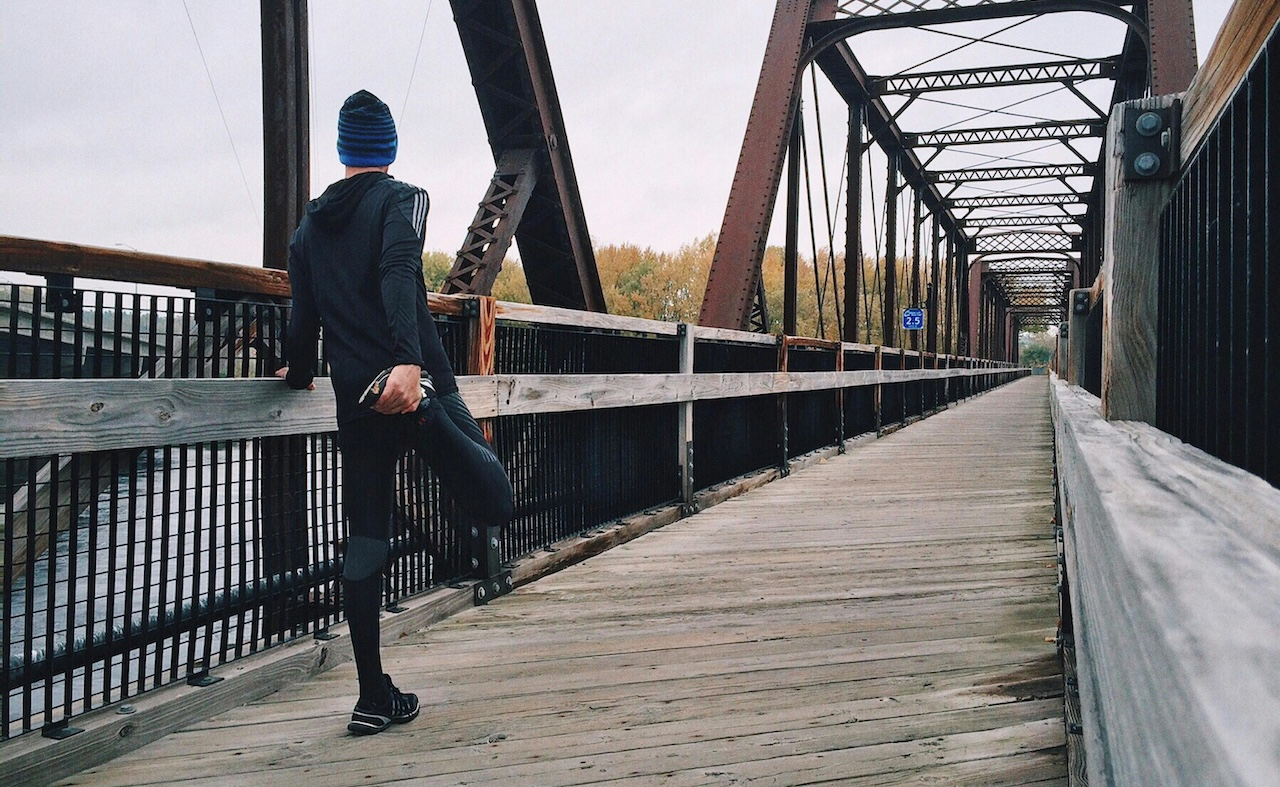
In colder conditions, muscles are more likely to tighten, which can increase the risk of injury. A proper warm-up is therefore essential to prepare the body for exercise. This should include light aerobic movement to raise body temperature, followed by dynamic stretching. Cooling down after a workout is equally important, allowing the heart rate to lower gradually while helping muscles relax through gentle stretching.
Diet considerations
Colder weather often brings stronger cravings for comfort foods and heavier meals. While a balanced diet is essential to support physical activity, it is worth being mindful of calorie-dense options. Incorporating seasonal vegetables and lean proteins can help maintain energy levels without excess. Balance remains key, and occasional treats can still have a place within a healthy routine.
Staying active does not need to be seasonal. By adjusting sportswear choices and adapting training habits to suit colder months, fitness routines can be maintained throughout the year. Lower temperatures do not have to interrupt progress when preparation, hydration and consistency remain priorities.
The editorial unit























Facebook
Twitter
Instagram
YouTube
RSS