
When the wheels steal the show: Cinema’s most iconic bike sequences
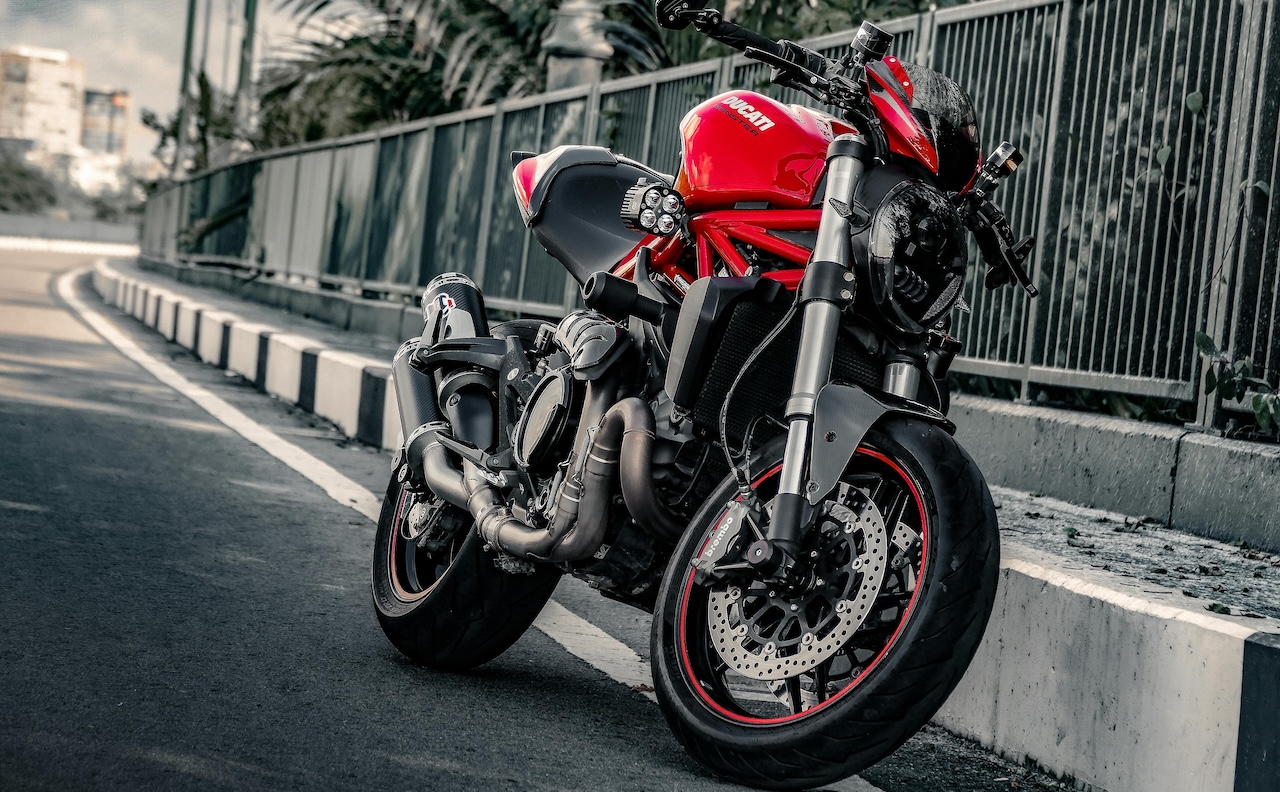

There is something striking about the way the media portrays bikes, whether bicycles or motorbikes. On the news, they often appear as a source of danger. Reports focus on traffic incidents, the serious risks faced by riders, and the rising number of motorcycle accident claims. It creates a sense that two wheels belong to a world of hazards.
Yet that is only part of the picture, because the same media also presents a completely different view. In films and television, bikes become symbols of freedom, confidence, and thrill.
A bike on screen can turn a character into someone fearless, independent, and ready for anything. The very machine that the news warns us about becomes, in storytelling, a ticket to adventure.
These contradictory emotions explain why bikes have become such a valuable storytelling tool. The presence of two wheels immediately alters the mood, adds tension, and places the character in full view. Over time, directors have mastered this effect and created sequences that remain etched in the audience’s memory.
Below are some of the most iconic bike sequences ever filmed and the reasons they became unforgettable.
E.T. The Extra Terrestrial (1982)
The flight that became childhood magic
Few images in cinema are as instantly recognisable as Elliott and E.T. rising into the night sky on a bicycle. It captures a child lifted above fear and authority by friendship and imagination. The moment balances wonder with danger, which makes it feel alive even decades later. It became so iconic that it went on to inspire a major studio’s logo.
Easy Rider (1969)
The open road as rebellion
Dennis Hopper and Peter Fonda turned two motorbikes into symbols of a generation. The long journey across the American landscape reflected a desire to break away from social expectations. The film slows down to let the audience breathe with the road. That rhythm made motorcycling feel like a form of spiritual independence. It redefined how bikes appear in cinema and altered motorcycle culture beyond the screen.
Tron (1982)
Lightcycles that changed the future of action
The Lightcycle sequence pushed the boundaries of what visual effects could do. The neon trails and sharp digital turns created a chase unlike anything seen before. Even though the world is artificial, the speed feels urgent and dangerous. It showed that a motorbike can be a futuristic weapon as much as a vehicle.
Akira (1988)
A red bike that defined cyberpunk
Kaneda’s motorcycle is one of the most influential designs in animation. The film captures the intensity of urban youth fighting for control in a city that wants to crush them. The streets of Neo Tokyo feel hostile, and the bike becomes a claim to power. The sideways slide in the opening battle has been referenced and copied across cinema, television, and games.
Terminator 2: Judgment Day (1991)
A chase that redefined blockbuster action
Arnold Schwarzenegger on a Harley in the LA drainage canals became an instant classic. The chase highlights how exposed a rider is when danger closes in. It creates a tight connection between the hero and the audience because we see every risk he takes. The motorbike adds vulnerability and power at the same time. It set a new standard for how action scenes could feel personal without slowing down the spectacle.
Mission: Impossible (various films)
Tom Cruise and the pursuit of authenticity
Across the franchise, motorbike chases have become a trademark. Tom Cruise is famously committed to doing his own riding, which brings a palpable sense of danger. From the coastal roads of Mission: Impossible 2 to the high-speed pursuit in Fallout, the action feels immediate. The vehicles provide agility that makes each escape look possible even when it seems absurd.
The Dark Knight (2008)
Gotham’s chaos on two enormous wheels
The Batpod changed the idea of what a cinematic motorbike could be. Its heavy, industrial presence matches the tone of Gotham’s streets. The camera stays close, emphasising how fast and precise Batman must be to survive. When he races through the city, the excitement feels sharp and controlled.
Skyfall (2012)
Bond at full speed over Istanbul
The opening chase combines rooftops, markets, and steep drops to showcase a motorcycle’s versatility. Daniel Craig handles the bike with an intensity and calmness that suit the character perfectly. The sequence goes from crowded streets to impossibly narrow paths without losing clarity. It presents a spy who does not wait for the perfect route.
Premium Rush (2012)
Cycling that feels more real today than when it was released
When Premium Rush arrived in cinemas, the gig economy was emerging rather than fully visible in everyday life. The story followed a Manhattan bike messenger racing through traffic. At the time, he looked like a figure from a subculture. Today, cities across the world feature millions of riders just like him. The film shows cycling as a profession shaped by pressure and split-second choices. The camera places the audience right beside the rider, so every corner feels like a gamble and every sprint feels vital. Today, the film’s energy hits with even greater force.
Why bikes keep winning the spotlight
Bikes show characters at their most exposed. There is no barrier between rider and world, and that vulnerability creates instant tension. They also embody personal freedom. Whether the scene is playful or deadly serious, a bike suggests that the rider has chosen movement over safety, and independence over control.
The news may remind us of the dangers that come with that choice, along with the very real legal consequences when things go wrong. Yet cinema continues to embrace the thrill that keeps people climbing back into the saddle. Two wheels invite risk, but they also offer drama, wonder, and unforgettable storytelling.
The editorial unit













Facebook
Twitter
Instagram
YouTube
RSS