
The sustainable flooring shift: How UK homeowners are moving from vinyl to wood
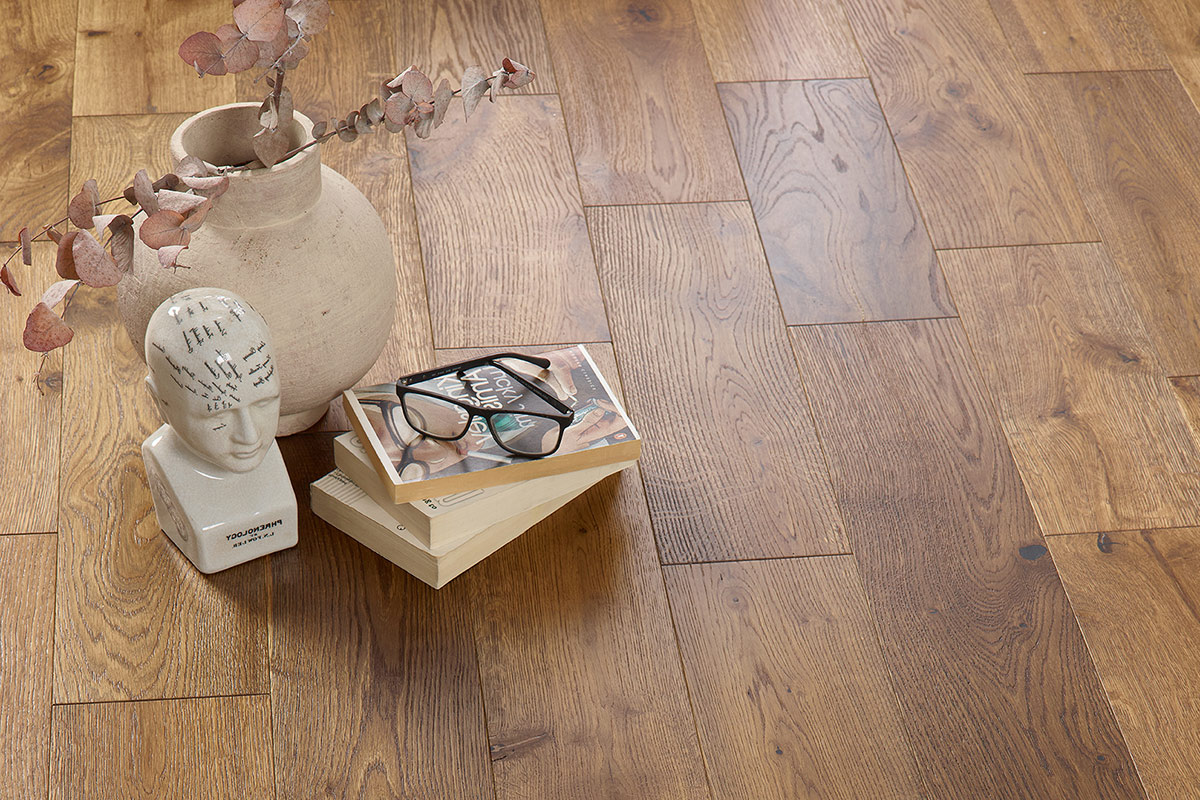

Across the United Kingdom, homeowners are quietly initiating a change. With the eco-friendly aspect becoming a higher priority in renovation projects, many individuals now choose to replace synthetic flooring with eco-friendly wood. People are increasingly regarding sustainable products as a luxury they cannot afford.
From plastic to planet-friendly
For several years now, luxury vinyl (LVT) flooring and solid plastic core (SPC) click flooring have been dominating the market, primarily due to these features – their low prices and their water resistance. Increasingly, homeowners are questioning whether the advantages of PVC outweigh the negative impact on the environment.
Wooden flooring has the advantage over vinyl in that it can be repaired and is made from renewable materials. Vinyl, on the other hand, is made from PVC, a byproduct of oil that cannot be recycled. Additionally, wooden flooring lasts for a long time. They also contribute to lower carbon emissions and sustainable forestry when they are sustainably sourced.
According to Mark from the Floor Warehouse, people have come to realise that sustainable living entails more than just purchasing environmentally friendly products which have been labelled as ‘green’.
In a world where everything is disposable, the sustainable furniture movement is about opting for items which can be used for a long time. It is about picking furniture made from materials which last for decades and can be refinished instead of being thrown away.
The rise of certified wood flooring
Consumer concerns about sustainability are reflected in increasing demand for flooring certified as complying with the FSC or PEFC woodland management standards. Sustainable forestry certifications are used to ensure that trees are harvested in such a way that new trees are planted in their place. The biodiversity of the forests is also protected by these forestry certification programs.
Additionally, low Volatile Organic Compound (VOC) products are being produced by manufacturers. These products significantly reduce the chemical emissions inside the home. Products labelled as “low VOC flooring”. Householders will have homes with cleaner air when whole-house ventilation systems are installed. It is particularly beneficial in modern homes and homes that are well-insulated because they do not have sufficient ventilation.
Aesthetic longevity over fast fashion
Sustainable flooring choices are not only the morally right option, but they also often present a more desirable appearance. Homeowners are currently favouring timeless oak tones, parquet designs and clear finishes that allow the natural beauty of the wood to shine through.
Authenticity combined with practicality is currently found in engineered wood flooring. Manufactured with a real wood veneer atop a stable backing, this product reduces the need for hardwood overall whilst retaining the beauty and warmth that comes from using timber. Because of its composite construction, it can be used with underfloor heating systems without any issues, which traditional solid wood flooring products are prone to. This makes it suitable for British homes where such systems are common.
Rethinking “value” in home renovation
Historically, the cost of flooring has been the major determining factor in the selection of flooring types. Currently, the term ‘value’ is understood as longevity, environmental responsibility and personal health.
In areas with high humidity, vinyl flooring remains in use, but engineered wood is becoming increasingly popular for installation in kitchens and living rooms, with a durable oil finish. This results in having a home that feels natural, warm, and enduring – both stylistically and structurally.
This gives a feeling of being a place that is warm, natural and long-lasting, whether one considers its architecture or its interior.
“In the long term, a little extra cash laid out for a hardwood floor which lasts may end up saving you money,” says Mark. Sustainability is no longer just about following the latest trend; it’s about building houses which age well rather than needing replacement every few years.
A shift that’s here to stay
The shift from vinyl to wood encapsulates a wider change in how the British carry out home improvements – a move from disposable towards long-lasting, from purely aesthetic to more meaningful renovations. The flooring in the UK is poised to have a more natural look thanks to eco-friendly flooring alternatives that have become cheaper and easier to get hold of.
The editorial unit




















Facebook
Twitter
Instagram
YouTube
RSS