
Massage London: The best places, therapists and treatments across the city (2026 guide)
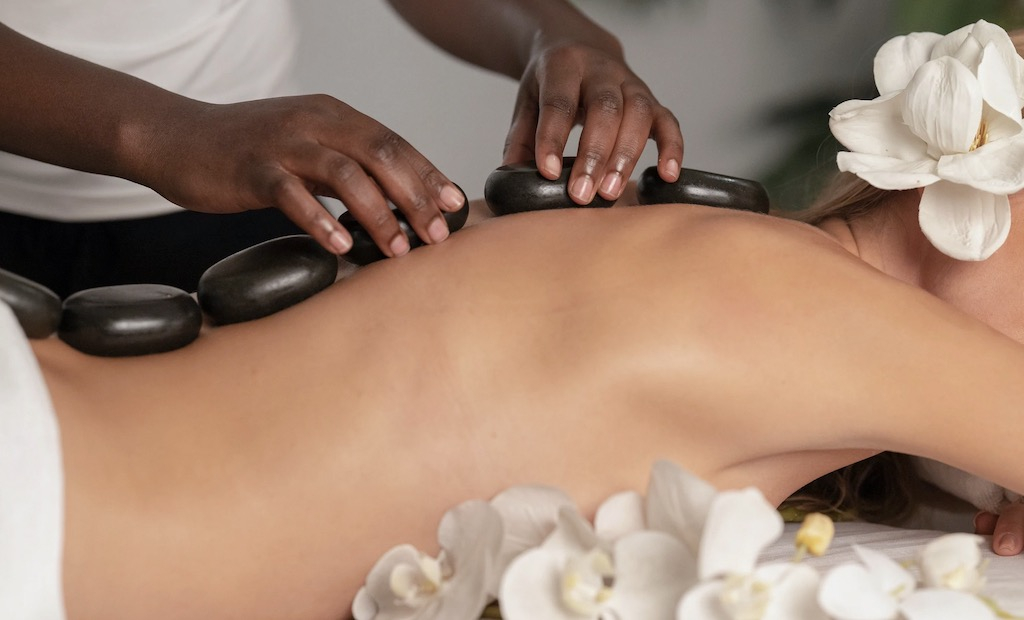

London has a way of wearing people down. Between long commutes, back-to-back meetings, hours at a desk, and the relentless pace of city life, it is little wonder that demand for massage in London has grown steadily year on year. Whether you are chasing genuine pain relief, a proper hour of mental quiet, or want someone to work out the knots that have been building since January, the city has options at every price point and in every format.
The massage scene here spans five-star hotel spas in Mayfair, specialist clinics in converted Victorian terraces, and independent mobile therapists who will come to your flat in Hackney or your hotel room in the City. This guide draws on local knowledge and platforms that connect Londoners with independent massage therapists and spaces across the city, giving you a clear and honest picture of what is on offer in 2026.
How to choose a massage in London
The best massage in London is the one that matches what you actually need right now, not simply the most expensive or the most Instagrammable. Before you book, it helps to be clear on a few things: are you in physical pain or stressed? Do you want to travel somewhere, or would staying at home suit you better? Are you on a budget, or is this a one-off treat?
Mobile vs spa: Which is right for you?
Mobile massage has become genuinely mainstream in London over the past five years. A trained therapist comes to your home, hotel, or serviced apartment, brings their own table and oils, and leaves you to rest in your own space once the session is done. There is no getting dressed, no fighting the Tube home with heavy legs, and no rigid appointment window that means rushing from the office. For parents with young children, shift workers, or anyone with limited mobility, a mobile massage can make the difference between actually booking a treatment and never quite getting round to it.
A spa or dedicated studio offers something quite different. The environment does real work before the therapist even touches you. Low lighting, a proper reception, perhaps a steam room or pool, the scent of essential oils in the air. That transition out of everyday life is part of the value, particularly if you are treating yourself or sharing the experience with a partner. Spas also tend to offer a wider menu of treatments and more elaborate pre- and post-session facilities.
Many Londoners use online directories and booking platforms, such as Massages Me, to compare mobile therapists and local massage rooms without committing to a single chain.
Popular massage types in london
Swedish massage is the most widely available and a good starting point for anyone new to massage therapy. Long, flowing strokes and gentle kneading work across the surface muscle layer, improving circulation and inducing a relaxed state. It suits most people and is particularly good for general stress relief or as a regular maintenance treatment.
Deep tissue massage uses slower, more targeted pressure to reach the deeper layers of muscle and connective tissue. It is the right choice if you have chronic tension in specific areas, particularly the neck, shoulders, or lower back. It can feel uncomfortable during the session, but most people leave with significantly more mobility than when they arrived.
Sports massage shares some techniques with deep tissue work but is structured around how the body moves. It is useful before events, during heavy training blocks, or for recovering from specific injuries. Many sports massage therapists have physiotherapy backgrounds or hold additional soft tissue qualifications.
Thai massage is performed fully clothed on a mat and involves rhythmic compression, acupressure, and assisted stretching. It is more active than most Western massage styles and leaves most people feeling loosened and energised rather than sleepy.
Pregnancy and post-natal massage requires a therapist who has been specifically trained in adapting positions, pressure, and technique for different trimesters and post-birth recovery. When well-delivered, it is one of the most effective ways to manage pregnancy-related back pain, hip discomfort, and fatigue.
Lymphatic drainage uses very light, rhythmic strokes to stimulate lymph flow and support the body’s natural detoxification process. It is not a deep or intense treatment, but it has a loyal following among people managing fluid retention, post-surgical recovery, or chronic fatigue.
Couples massage involves two therapists working simultaneously in the same room. It is a popular choice for birthdays, anniversaries, or simply a shared afternoon off. Most spas offer this as an add-on to their standard menu.
Best massages in London, by need
Rather than naming a single “best” place, this section identifies strong options for different situations. London is too varied for a one-size-fits-all recommendation.
Best for deep tissue and sports recovery
Masaj, Shoreditch and Marylebone. One of the most consistently praised independent studios in London. The check-box intake system, where clients select their music, oil, and preferred level of conversation, gives the session a genuinely personal feel. Deep tissue and sports massage are both well-executed here, and the therapists are notably skilled at calibrating pressure.
The Refinery, Mayfair. A well-established grooming and treatment space that has built a strong reputation for targeted muscle work among the professional crowd. Good for post-gym or post-travel sessions, with flexible appointment slots.
Physio-led clinics across Central London. Several physiotherapy practices in areas like Fitzrovia, Clerkenwell, and London Bridge offer remedial and sports massage as part of a wider treatment plan. If your issue is injury-related rather than stress-related, this is often the better route than a standalone spa.
Independent mobile therapists across Central and East London (available via platforms like Massages Me) offer focused deep tissue treatments you can book after work or post-gym, often with evening availability and no need to factor in travel time.
Best for relaxation and stress relief
Aire Ancient Baths, London Bridge. Bathing rituals and candle-lit pools beneath a converted warehouse. The massage treatments here are an extension of a longer water-based circuit, which means you arrive at the table already halfway unwound. Best booked as a two to three-hour experience rather than a quick appointment.
Radiance London, Fitzrovia. A smaller, quieter clinic with a strong aromatherapy menu and a reputation for therapists who genuinely listen during the consultation. The Decléor full-body aromatherapy massage is a particular favourite.
Thai Kosai, Holborn and Spitalfields. Excellent value, trained Thai therapists, and a menu that covers everything from traditional Thai to deep foot massage. A realistic option for making massage a regular habit without significant expense.
At-home relaxation massages booked through reputable directories allow you to skip the travel entirely and unwind in your own space, which many Londoners now prefer. The ability to stay in comfortable surroundings, have a bath afterwards, and not have to think about getting home is, for many people, genuinely transformative.
Best for pregnancy and post-natal massage
Finding the right therapist matters more for pregnancy massage than for most treatments. The therapist should have a recognised pregnancy massage qualification, be comfortable discussing any complications or medical history, and be willing to adapt throughout the session.
Leva Birth and Beyond Clinic, various central locations. A specialist practice staffed by midwives and therapists with obstetric backgrounds. Particularly good for clients with complicated pregnancies or specific medical considerations.
Bamford Wellness Spa, Mayfair. Offers dedicated pre-natal treatments within a luxurious setting, with well-trained staff and a calm, considered environment. Good for a special occasion booking during pregnancy.
The Birth Company Clinic, Harley Street. Integrates massage into a broader midwifery and antenatal care model. Therapists here understand pregnancy anatomy in clinical terms, which matters.
When searching for pregnancy-trained therapists, look for clear qualifications and reviews, whether you find them via recommendations, clinics, or platforms like Massages Me.
Best for luxury spa experience
The Spa at Four Seasons, Park Lane. The Deep Sleep Lavender Pouch Massage is one of the most distinctive treatments in the city, using hand-crafted lavender pouches sourced from a Kent farm. The entire experience, from arrival to the post-treatment lounge, is polished throughout.
Mandarin Oriental Spa, Knightsbridge. One of London’s most celebrated hotel spas. The OTO CBD massage, which combines traditional strokes with a bamboo roller and CBD-infused oils, is the signature treatment and worth booking well in advance.
ESPA Life at the Corinthia, Whitehall. A vast, architecturally impressive subterranean spa with an impressive therapist roster. The Mindful Massage is a well-considered 90-minute treatment that covers physical tension and mental stress in equal measure.
Chuan Body and Soul at The Langham, Regent Street. Guided by principles of traditional Chinese medicine, the Harmony massage incorporates acupressure and meridian work alongside standard relaxation techniques. Pool and spa access is included with treatment bookings.
The Akasha Spa at Hotel Café Royal, Piccadilly Circus. A serene, subterranean retreat that feels genuinely removed from street level. Particularly good for the kind of deep-tissue upper body work that office-focused Londoners tend to need most.
Find a massage near you in london
Travel time is a real factor in a city like London. A 90-minute treatment followed by a 45-minute Tube journey home largely defeats the purpose. When choosing where to go, or whether to bring a therapist to you, location is worth thinking about carefully.
Central London (Soho, Mayfair, Marylebone, City)
Central London offers the highest concentration of options at every level: hotel spas, independent studios, corporate wellness providers, and mobile therapists who specialise in serving the professional community. Mayfair and Marylebone lean towards luxury and specialist clinics; Soho and Fitzrovia have a broader range of mid-market independents. The City is less well-served by standalone spas but has strong mobile therapist coverage, particularly for desk-based workers and hotel guests. Platforms such as Massages Me make it easier to see which independent therapists actually cover your postcode and whether they travel to offices or hotels.
West London (Kensington, Chelsea, Notting Hill)
West London has a well-established wellness culture that shows in the quality of the independent studios and day spas dotted across Kensington, Chelsea, and Notting Hill. The Bamford Wellness Spa in Mayfair/Notting Hill and numerous smaller owner-run clinics along the King’s Road and Westbourne Grove attract a mix of residents and well-travelled visitors. Mobile therapists in this area tend to serve private homes and boutique hotels, and availability is generally strong throughout the week.
East London (Shoreditch, Hackney, Canary Wharf)
East London has developed its own distinct wellness scene over the past decade. Shoreditch in particular has attracted a number of independent treatment studios, including Masaj, that prioritise clarity and substance over spa theatre. Hackney and Dalston have a growing number of smaller, community-focused practices offering strong value for money. Canary Wharf is well served by clinics catering to financial sector workers, with early morning and lunchtime appointments common.
North and South London
North London, particularly around Islington, Hampstead, and Stoke Newington, has a reliable network of independent therapists and small studios, many of whom have been operating in the same location for a long time and carry strong local reputations. South London, covering areas like Clapham, Brixton, and Greenwich, tends to offer better value than central options and has some genuinely skilled independent practitioners who operate below the radar of most “best of” lists. Mobile therapists cover both areas well, and same-day availability is often possible.
Massage prices in London and what to expect
Prices for massage in London span a wide range, from community-rate community studios offering sessions under £40 to hotel spas where a 90-minute treatment can run to £300 or more. Understanding what drives the difference helps you make a better decision.
Typical Price Ranges
- 30 minutes: £35 to £65 (budget studio to mid-range clinic)
- 60 minutes: £60 to £130 (independent therapist to established spa)
- 90 minutes: £90 to £300+ (mid-range to luxury hotel spa)
Mobile massages typically sit in the mid-range of these bands and often include a small travel supplement, usually between £10 and £20 depending on the area. Luxury hotel spas sit firmly at the top of the range, though many include spa access as part of the treatment cost. For regular massage, monthly membership schemes at some studios can bring the per-session cost closer to £50 for a 60-minute treatment.
What happens during a session
Most massage sessions begin with a short consultation, either written or verbal. Your therapist will ask about any injuries, areas of tension, medical conditions, and your pressure preference. This is not box-ticking; a good therapist uses this information throughout the session. Be specific about what you want from the treatment.
During the massage itself, you will be covered by a sheet or towel at all times, with only the area being worked on exposed. Professional therapists are trained in draping technique, and your comfort and privacy are maintained throughout. If the pressure is too strong or too light at any point, say so. Therapists expect and welcome this feedback.
Afterwards, most therapists will recommend drinking water, avoiding heavy exercise for the rest of the day, and resting if possible. For deep tissue or sports massage, some muscle soreness in the following 24 to 48 hours is normal and is not a sign anything went wrong.
FAQs about getting a massage in london
Do I need to tip for a massage in London? Tipping is not expected in the same way it is in the United States, but it is appreciated. At independent studios or with mobile therapists, a tip of £5 to £10 is a genuine acknowledgement of good work. At hotel spas, a tip of 10 to 15 per cent is customary if you were pleased with the treatment. There is no obligation in either case.
What should I wear for a massage? For most massages, you will undress to your underwear or fully, depending on the treatment. Your therapist will explain what is required before you begin, and you will have privacy to undress and get settled on the table before they return. For Thai massage, you remain fully clothed in loose, comfortable clothing, which most studios provide.
How far in advance should I book? For popular studios or hotel spas, booking one to two weeks ahead is sensible, particularly at weekends. For mobile therapists, many are available with 24 to 48 hours’ notice, and same-day bookings are often possible on weekdays. If you have a specific date or time in mind, it is always worth booking early rather than hoping for availability.
Are mobile massages safe? Yes, when booked through a reputable platform or directly with a qualified therapist. Check that the therapist holds a recognised massage qualification, is insured, and has verifiable reviews. Platforms that vet their therapists and display credentials clearly make this straightforward. Trusted directories are a practical starting point for anyone who is new to mobile massage in London.
Can I get a same-day massage appointment in London? Frequently, yes. Mobile therapists tend to be the most flexible for same-day availability, particularly during weekday mornings and early evenings. Some studios in areas like Shoreditch, Brixton, and Marylebone also release same-day slots. It is worth checking directly rather than assuming there is no availability.
What is the difference between a massage studio and a spa? A massage studio is focused primarily on treatment. The environment tends to be simple, functional, and clean, without extensive facilities. A spa is a broader wellness destination, often including pools, steam rooms, relaxation lounges, and multiple treatment types. Studios are usually more affordable and focused; spas offer more of an experience but at a higher cost and with more planning required.
How to find a trusted massage therapist in london
The quality difference between a skilled therapist and an unqualified one is significant, and not always visible from a website or social media profile. Qualifications matter. In the UK, massage therapists typically hold a Level 3 or Level 4 qualification in massage therapy, and many carry additional training in specific modalities. Membership of a professional body such as the Federation of Holistic Therapists (FHT), the Complementary and Natural Healthcare Council (CNHC), or the Sports Massage Association (SMA) provides a level of accountability and indicates a therapist who maintains their professional development.
Beyond qualifications, look for clear, transparent pricing, a professional consultation process, and reviews that speak specifically to treatment quality rather than just atmosphere. A therapist who asks good questions before a session and explains what they are doing during it is a strong indicator of genuine competence.
The most reliable ways to find a good therapist remain word of mouth, recommendations from a GP or physiotherapist, and established clinics with verifiable histories. Online platforms have become an increasingly practical route, particularly for anyone new to an area or looking for a specific treatment type.
London offers an extraordinary range of massage options, from a quiet, affordable session with a local independent therapist to a full day at one of the world’s most celebrated hotel spas. The right choice comes down to what you need, how much time you have, what you are willing to spend, and whether leaving the house is part of the appeal or an obstacle to it. Whether you book through a local studio, a luxury spa, or an online professional platform with qualified therapists like Massages Me, the right massage in London should leave you feeling noticeably better in both body and mind.
The editorial unit



















Facebook
Twitter
Instagram
YouTube
RSS