Cape Fear


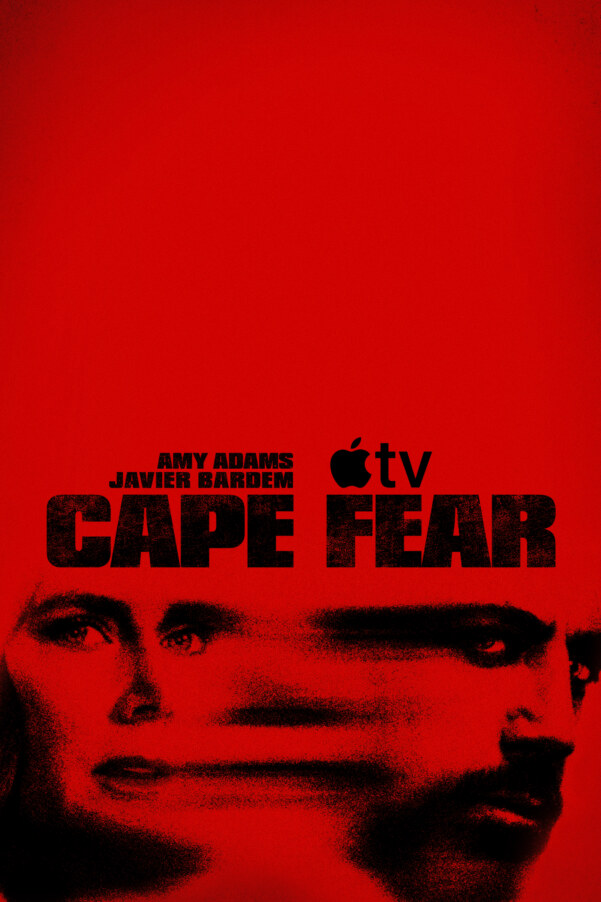
Few film scores are as iconic and instantly chilling as the four-note motif of Bernard Herrmann’s music for Cape Fear. In 1962, English director J Lee Thompson first adapted John D MacDonald’s suspense novel The Executioners, turning a criminal’s plot for revenge into a thrilling showdown between Hollywood legends Gregory Peck and Robert Mitchum. While the narrative sets out with a distinct binary between good and evil (aided by the cast’s well-established screen personas), it ultimately demonstrates how the latter corrupts everything it touches. In 1991, Martin Scorsese refashioned antagonist Max Cady into a cinematic love letter to his longstanding muse Robert De Niro. By infusing Cady with vulnerability, he became a volatile wild card and his grudge against his former lawyer was contextualised beyond a straightforward feud.
In retrospect, the two films feel like cultural pioneers in their depiction of men holding other men accountable for their behaviour towards women (Sam Bowden being instrumental to Max Cady’s rape conviction in both versions). In an era where this topic couldn’t be more pertinent, showrunner Nick Antosca makes a baffling creative choice by excising this element from the story and transforming the duel into a family affair.
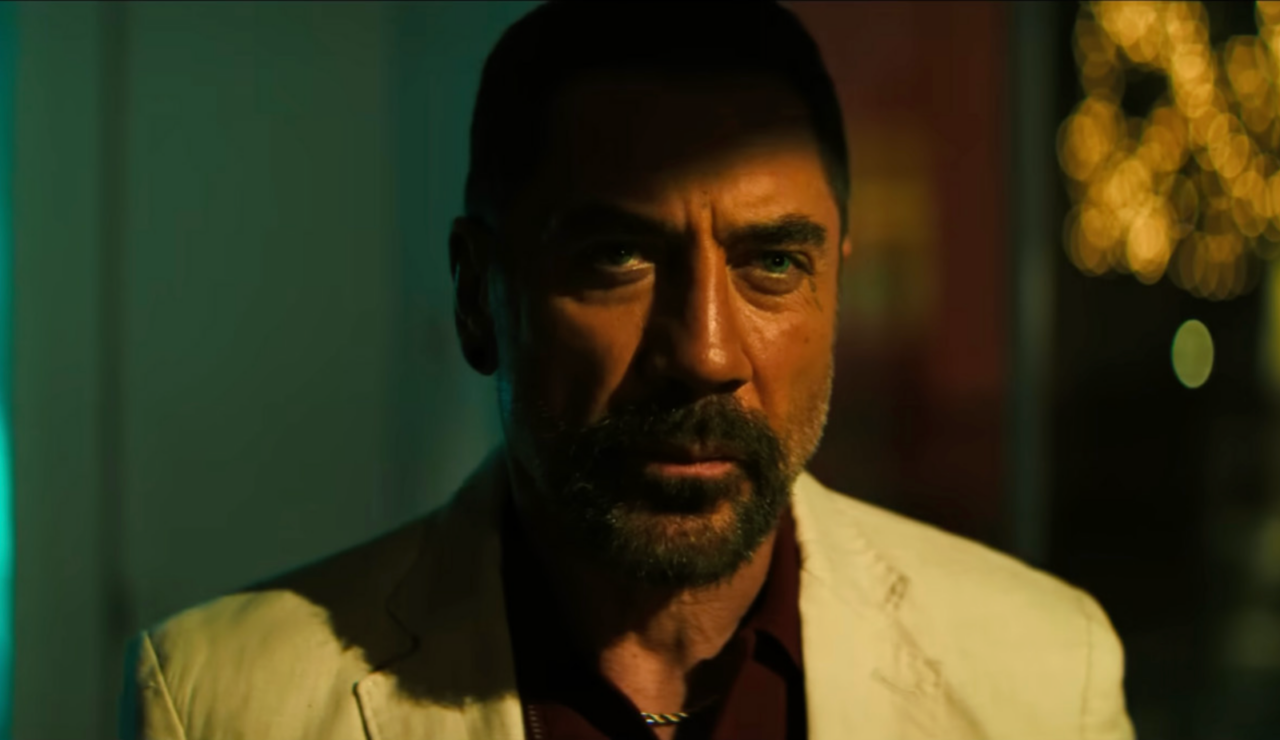
2026’s Max Cady (played by Javier Bardem) was imprisoned for murdering his wife, but when someone else confesses to the crime 17 years into his sentence, he is exonerated and released. In an ironic twist of fate, his former defence attorney Anna Bowden (Amy Adams) now specialises in correcting miscarriages of justice and is married to the prosecutor who tried his case (Patrick Wilson). She is convinced Cady is out for blood, but her social circle sees her paranoia as hypocritical, given her public stance on rehabilitation.
Executive-produced by Scorsese, the show leans heavily into his visual experimentation and artistic expression. It liberally applies the same concept of inverted colours to certain images, almost hinting at the concept of thermal vision. A garish, lurid saturation is continually present, which aggressively highlights the characters’ eyes in every scene: turning Adams’s and Wilson’s natural blue eyes unnaturally iridescent and Bardem’s light contacts downright snake-like.
The hyper-stylised framing of his physical form (complete with a torso covered in Santería-inspired tattoos) screams villain, while the script desperately clings to the idea of ambiguity on the one hand and psychological instability on the other. Stepping into a legacy defined by Mitchum and De Niro is difficult enough without the directors saddling Bardem with overtly cartoonish gimmicks, such as slow claps and laughing maniacally at the camera. Bravely weathering these over-the-top antics, the Spanish actor retains his usual magnetic presence, but as engaging as he is to watch, he is ultimately pulled in too many directions to make this character truly his own.
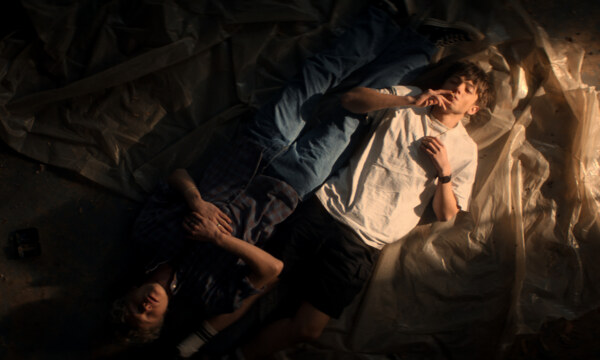
None of the cast can truly shine within this bizarre concept of exuberance that, despite its many exaggerations, still aims for a dramatic tone instead of opting for full-fledged horror or dark satire. The first five minutes of the show weave graphic images of an attempted suicide, which turns successful upon second try into the Bowden’s Fourth of July celebration – providing a flash of shock value grimly at odds with the slow-burning family drama unfolding within the next handful of episodes. While adding a larger ensemble cast and giving characters detailed backstories makes sense to fill out the series’s episode count, it does little to actually progress the story. The focus on Gen Z characters feels like a miscalculated concession to demographic targeting, and while modernising the project, it dilutes the narrative unnecessarily.
While the stylistic ambition of the series is impressive, the execution is severely undercut by its flawed storytelling. Instead of the tight, suffocating war of nerves the title has become synonymous with, this adaptation is an identity crisis of a project, stumbling between contemporary youth drama, half-baked critique of the American justice system and inspection of how modern technology facilitates stalking (without, of course, biting the hand that platforms.)
A rare miss for an Apple TV+ series, Cape Fear proves that while any source material can be stretched into a ten-hour format, not everything should be.
Selina Sondermann
Cape Fear is released on Apple TV+ on 5th June 2026.
Watch the trailer for Cape Fear here:






Facebook
Twitter
Instagram
YouTube
RSS