
Where gigs meet gameplay: The blurring line between shows and interactive worlds
 9 July 2026
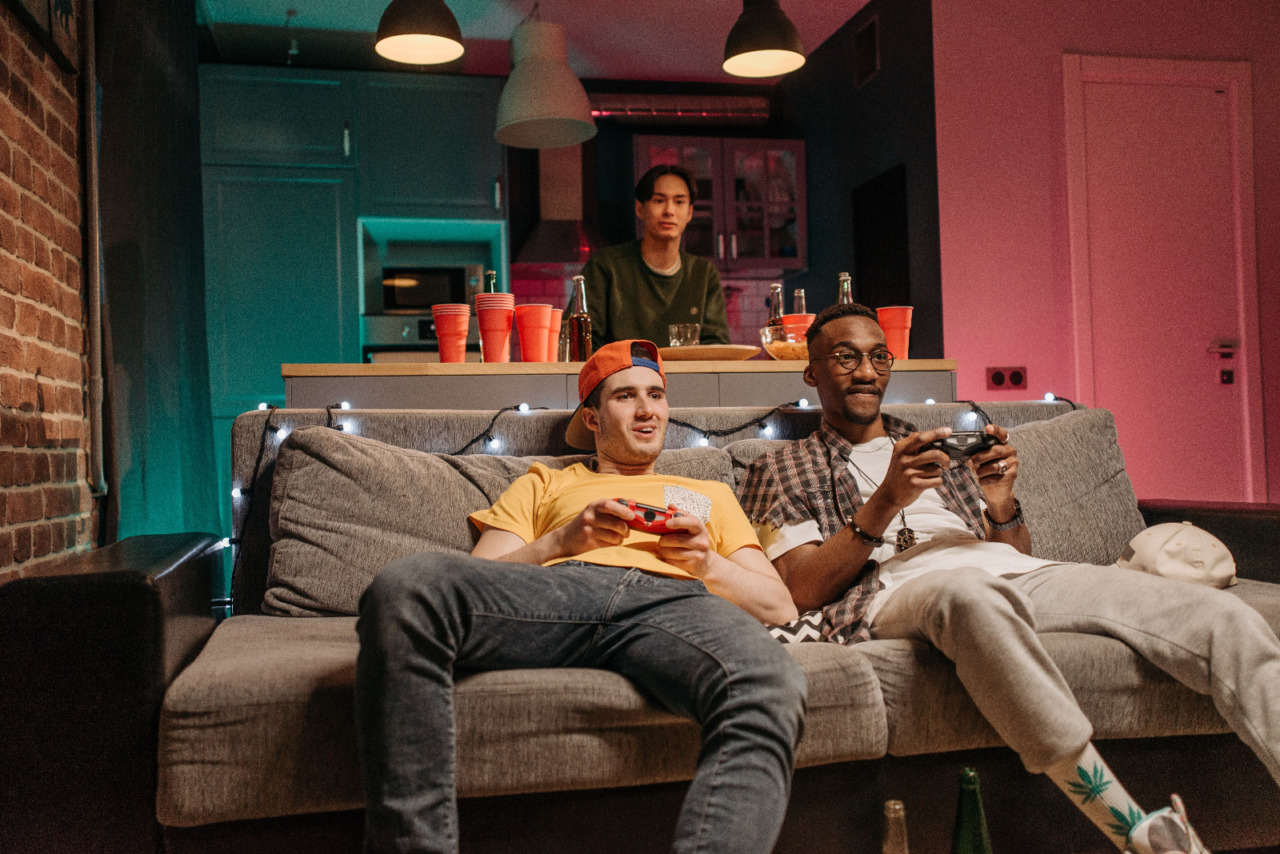
Live performances used to mean one thing: you show up, you watch, you leave. That clean separation between audience and entertainer has been quietly dissolving for years, and the pace is picking up fast.
Artists, game developers, and platform builders are working from the same blueprint now: keep people active, not passive. The result is a new kind of entertainment that sits somewhere between a concert, a game, and a social space.
From passive watching to active participation
The shift started with streaming platforms letting viewers vote on outcomes, request songs, or trigger visual effects during live broadcasts. Small interactions at first, but they changed the dynamic completely. Suddenly, the person at home had a role beyond watching. That sense of agency, however small, made people stay longer and come back more often.
Online platforms across every category picked up on this fast. Online gaming sites understood early that giving players real-time choices, live hosts, and interactive formats kept engagement far higher than static alternatives. MrQ Casino is a clear example of how digital entertainment can be built around active participation rather than passive consumption, live games, responsive interfaces, and formats that reward attention rather than just presence.
The broader lesson applies everywhere. Whether it is a ticketed virtual concert or a live-streamed product launch, the events that earn repeat audiences are the ones where the audience feels like they are doing something, not just watching something.
How live music found its way into gaming
Fortnite’s in-game concerts were a turning point that most of the industry took seriously. Millions of players attended virtual performances inside a game world, standing as their avatars in a shared space while watching an artist perform. It was not a recording. It was not a stream. It was something else, a live moment inside a constructed environment, with all the social energy of a real event.
Since then, gaming platforms have pushed further. Artists now release music inside games before it drops anywhere else. Some have built entire interactive narratives around album launches, letting fans unlock tracks by completing in-game tasks. The line between promotion and actual gameplay content has effectively disappeared in these cases.
What makes these crossovers work is that they respect both sides. They are built for people who already play the game, not just drafted in as marketing. And they give artists a format where they can do things that a stage or a screen simply cannot support, scale, visual spectacle, and genuine interactivity all at once.
The technology making it possible
Real-time rendering, low-latency streaming, and spatial audio have all matured at the same time, which is why these hybrid formats are only now becoming mainstream. Five years ago, the infrastructure was not there to support tens of thousands of people sharing a live interactive space without technical collapse.
Game engines like Unreal Engine are now being used to produce live TV broadcasts, virtual film sets, and concert visuals. The tools built for games turned out to be the best tools for building any kind of real-time visual world. Studios and artists have taken notice, and the crossover of production talent between games and live entertainment is accelerating.
Haptic technology, augmented reality headsets, and positional audio are next. These will add physical sensation and spatial presence to events that currently only offer visual and audio cues. The gap between being somewhere and watching something will keep narrowing as the hardware becomes cheaper and more widespread.
What this means for creators and audiences
For creators, the opportunity is to build events that cannot be pirated, replicated, or watched passively. A live interactive world has inherent scarcity; you had to be there, you had to participate, and your choices shaped what happened. That is a fundamentally different value proposition than a recorded performance or a static piece of content.
For audiences, it changes how entertainment fits into a schedule. Passive content can be consumed at any time. Interactive events demand presence and attention at a specific moment. That is a higher ask, but it also creates stronger memories and a greater sense of having actually been part of something.
The formats that will define the next decade of entertainment are the ones being prototyped right now, inside games, on streaming platforms, and in virtual spaces that do not have a clean category yet. What is clear is that the old model of showing up and watching is no longer the ceiling. Audiences expect more input, and the best creators are already building for that expectation.
The editorial unit
















Facebook
Twitter
Instagram
YouTube
RSS