
Public Service Broadcasting at Alexandra Palace

 Shot by Matthew Pull
27 September 2026
Shot by Matthew Pull
27 September 2026
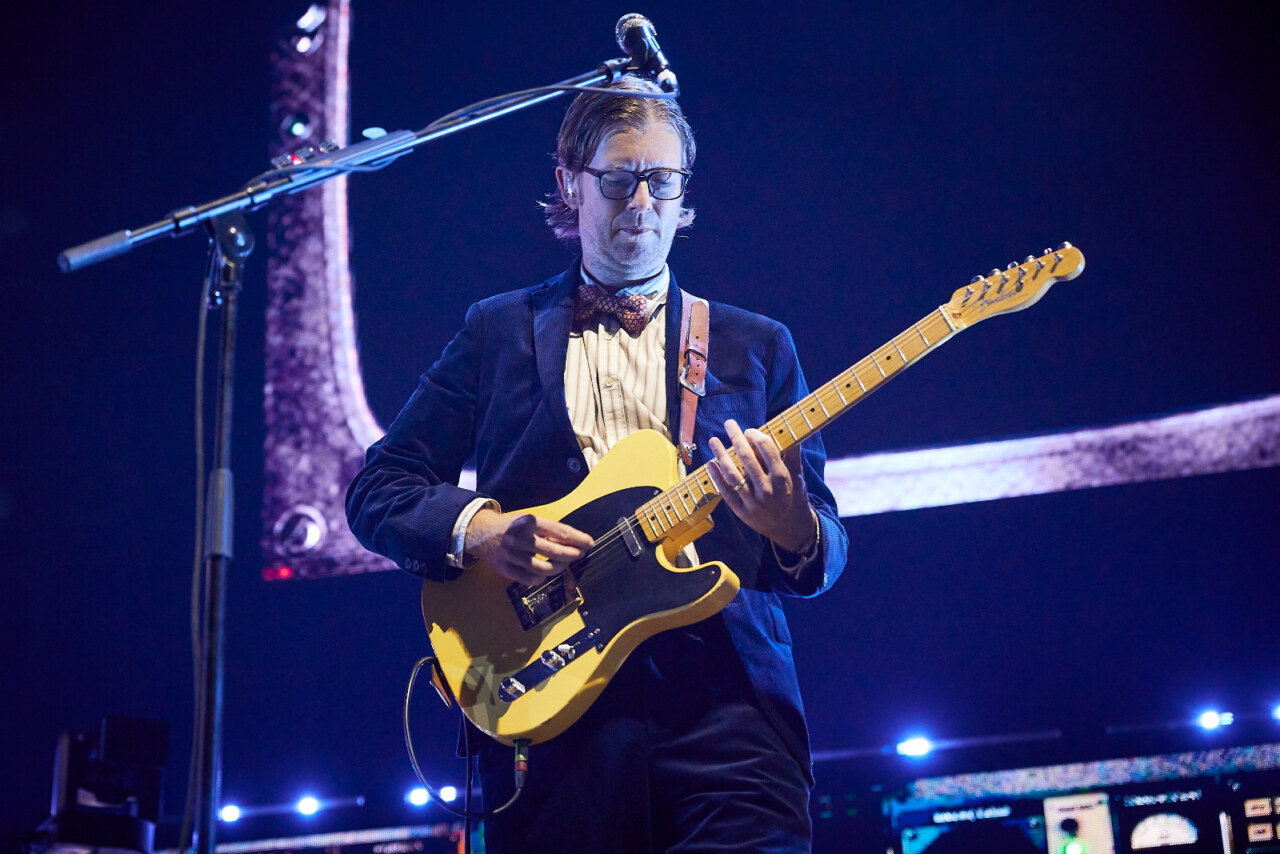
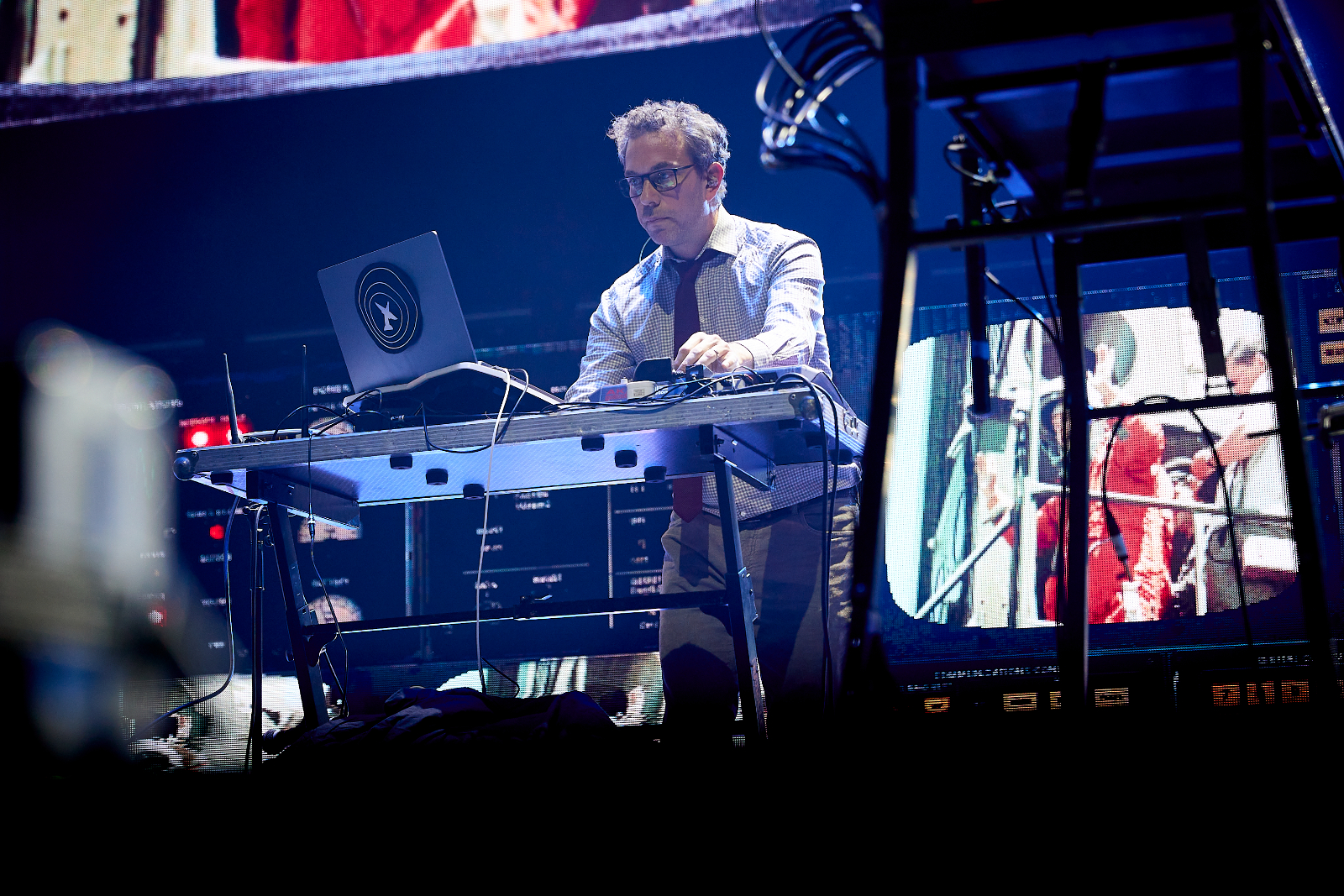
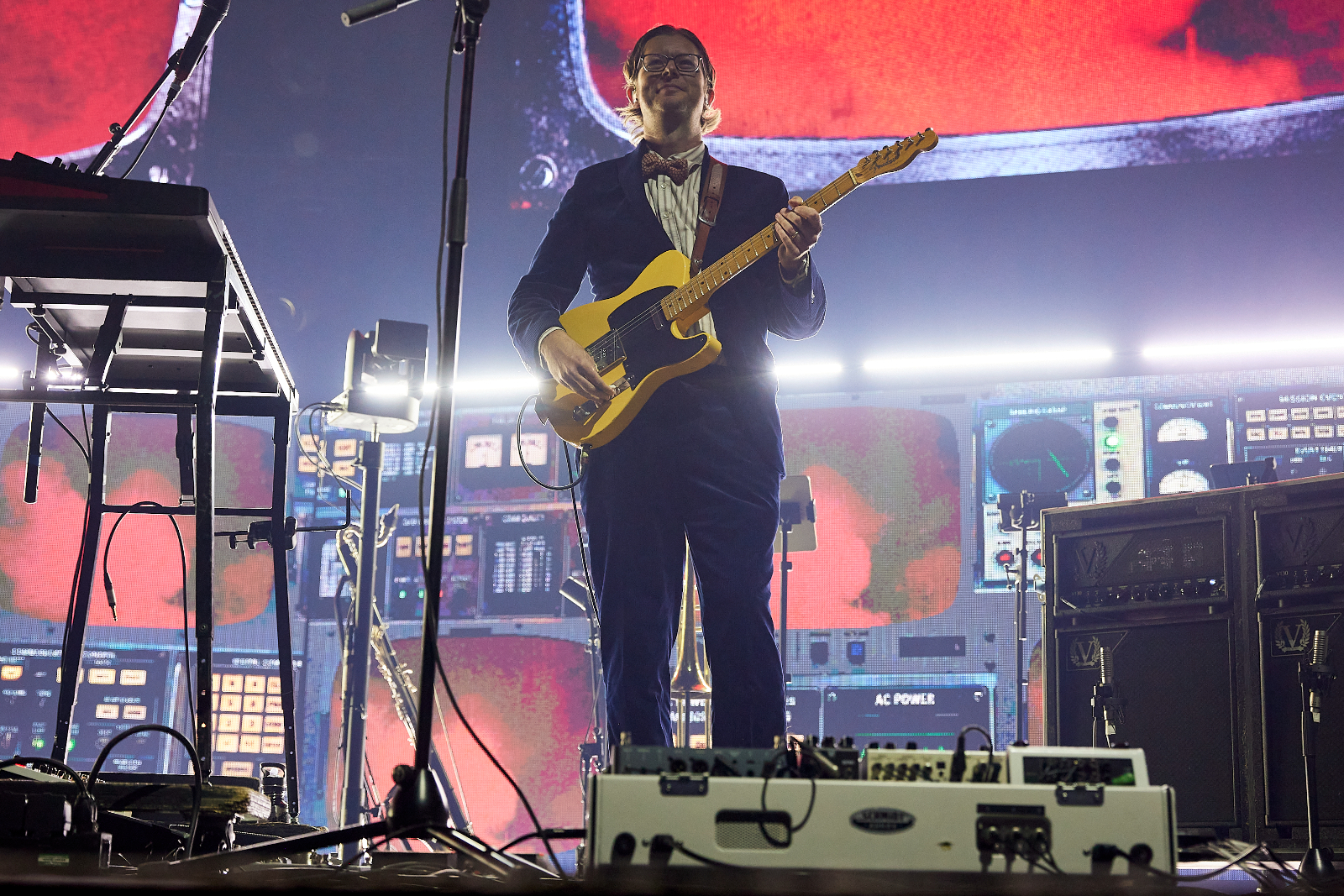
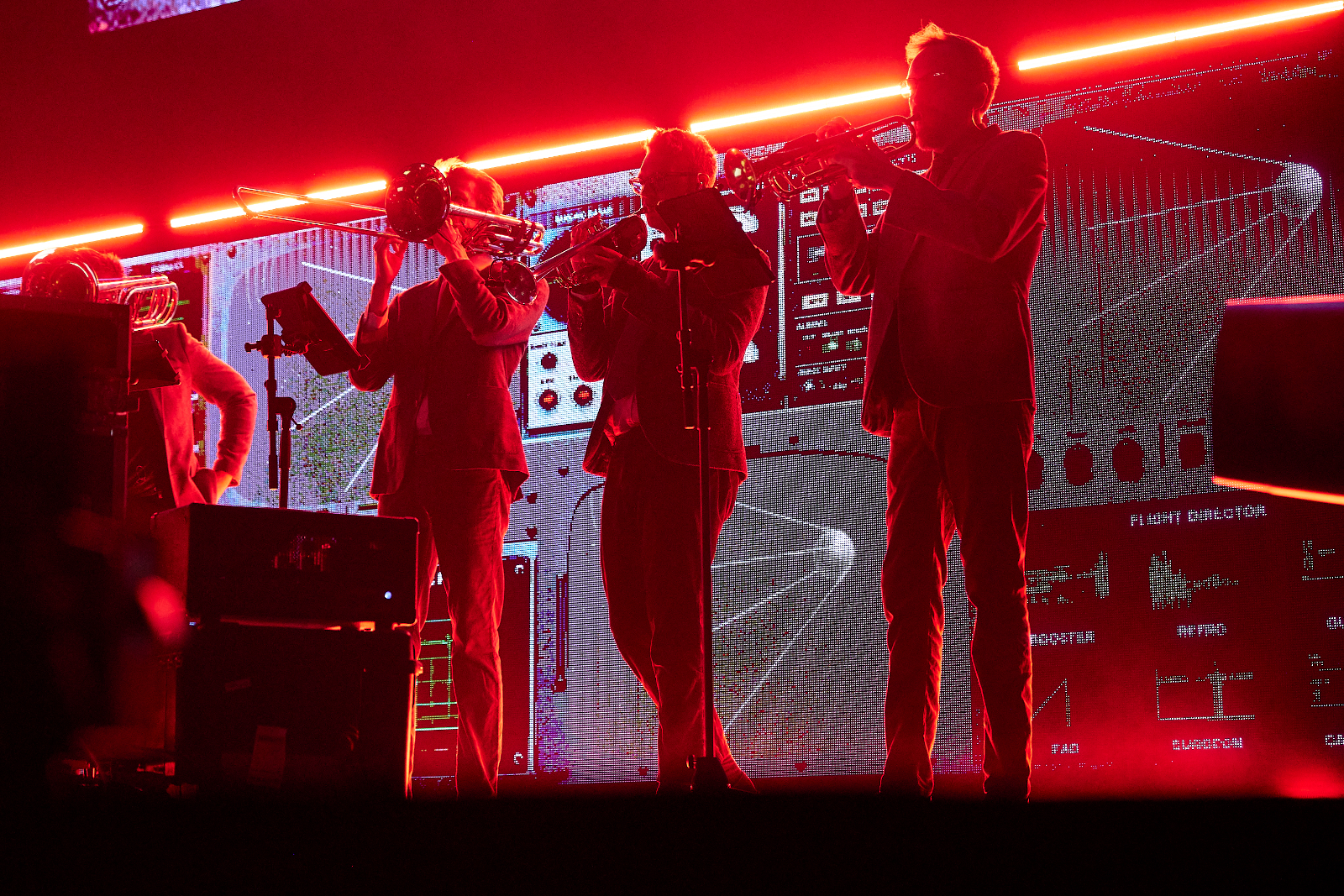
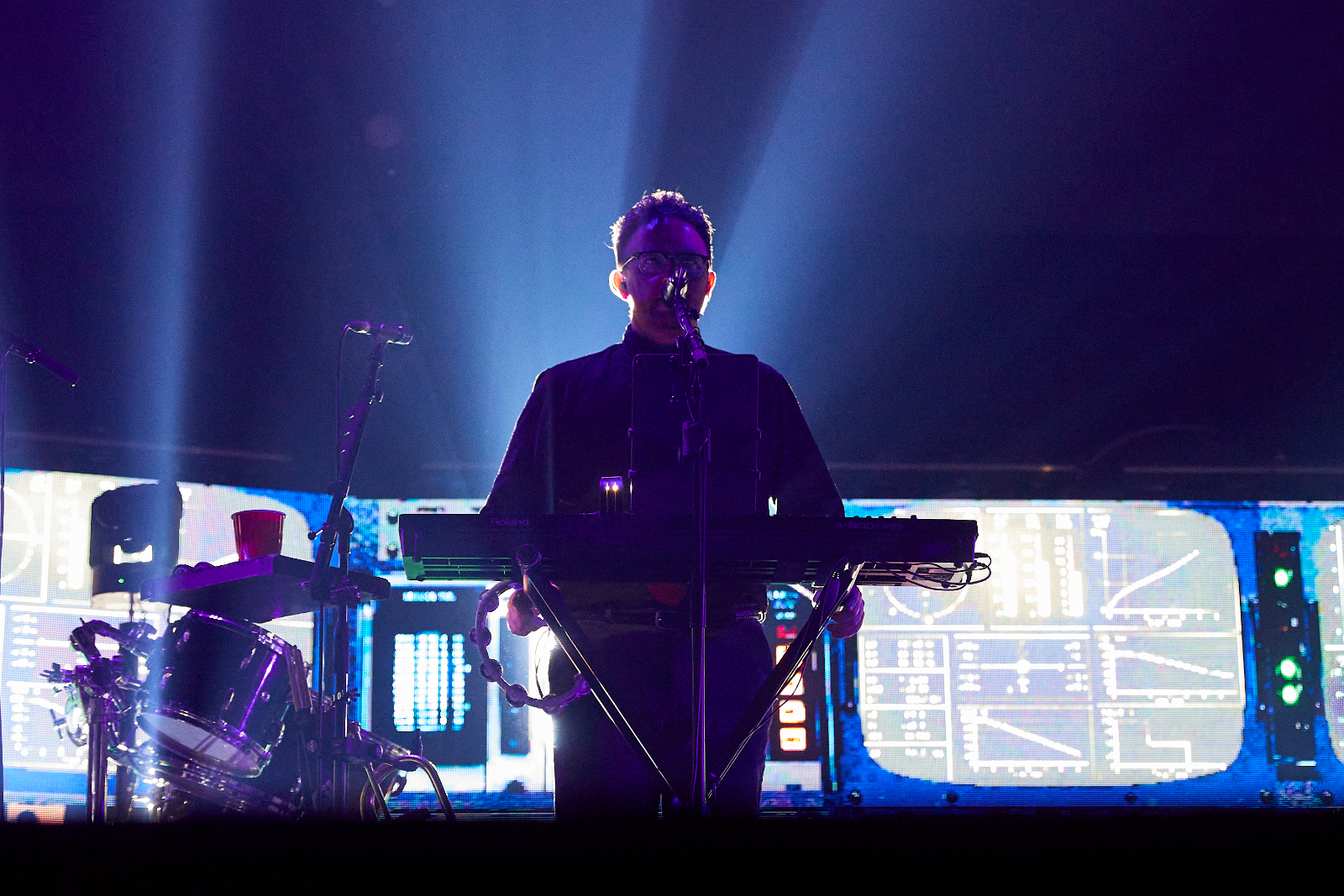
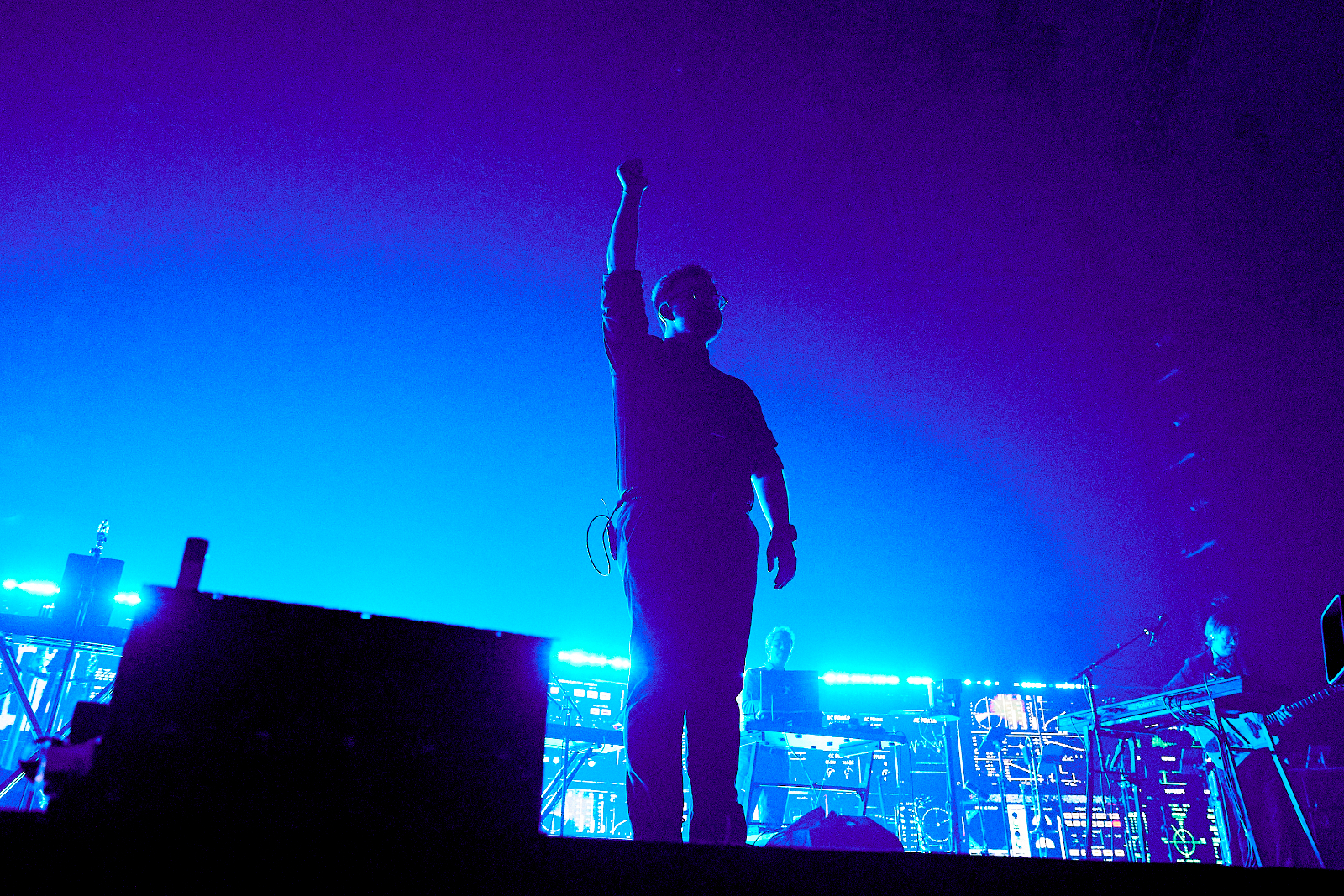
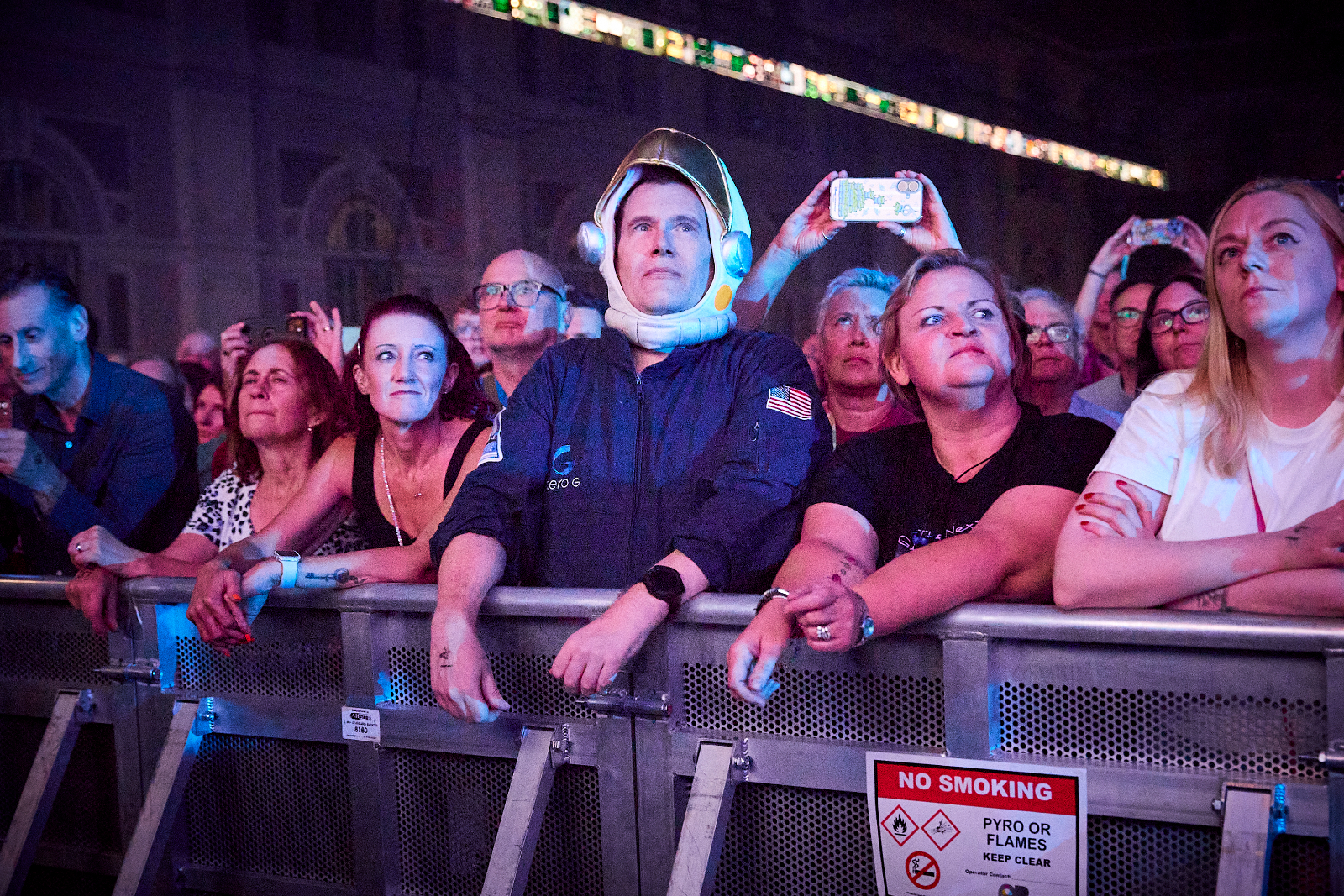
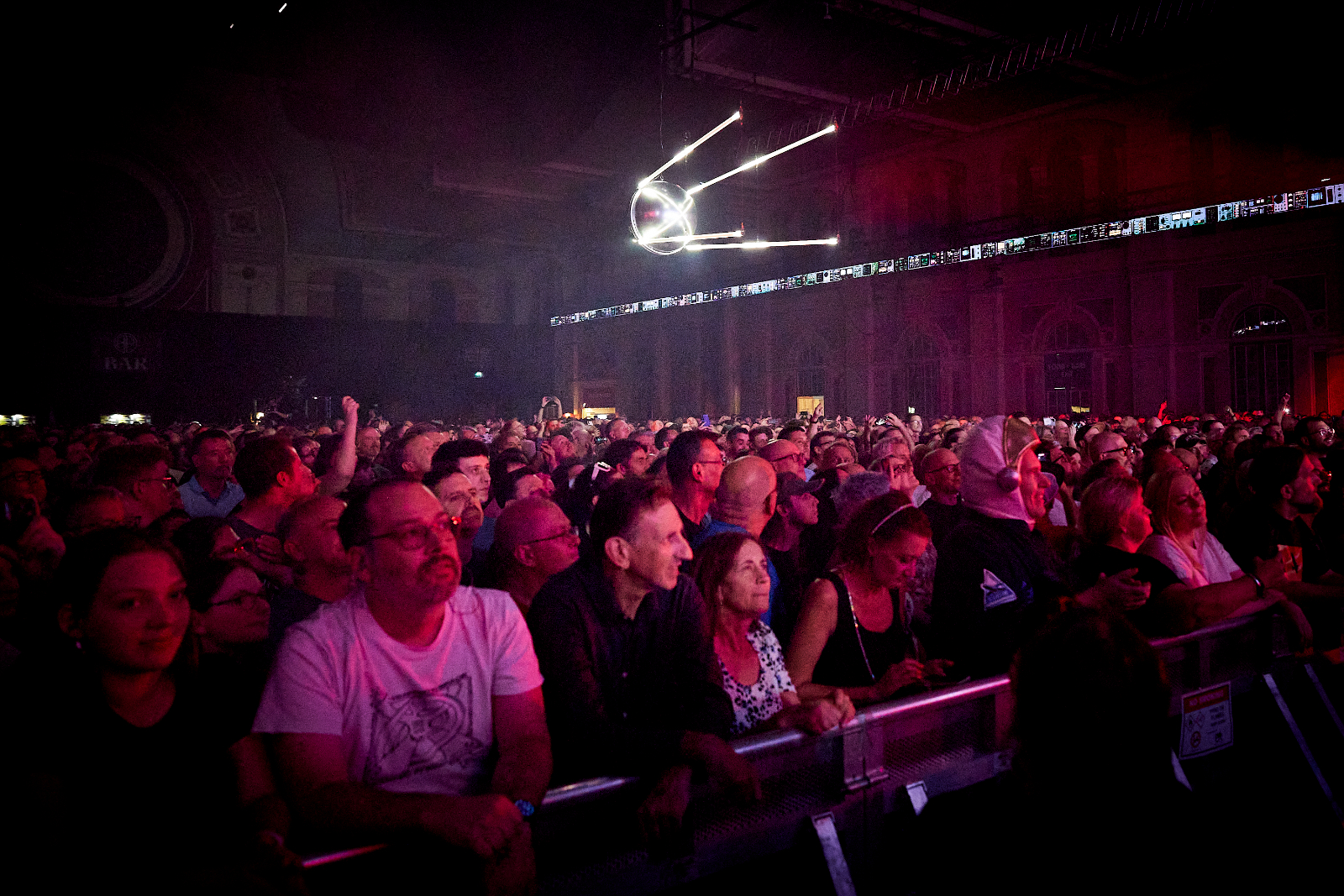
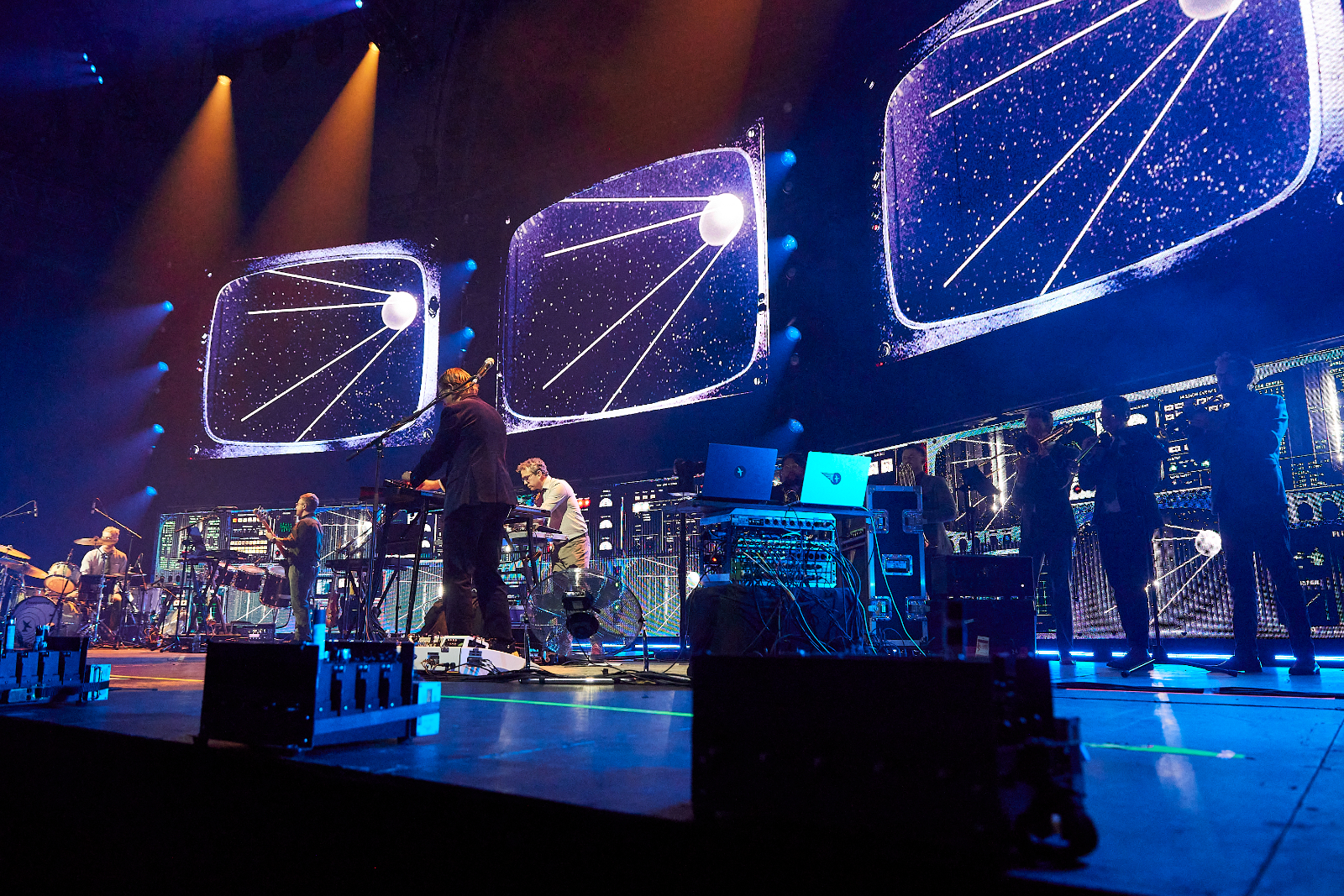
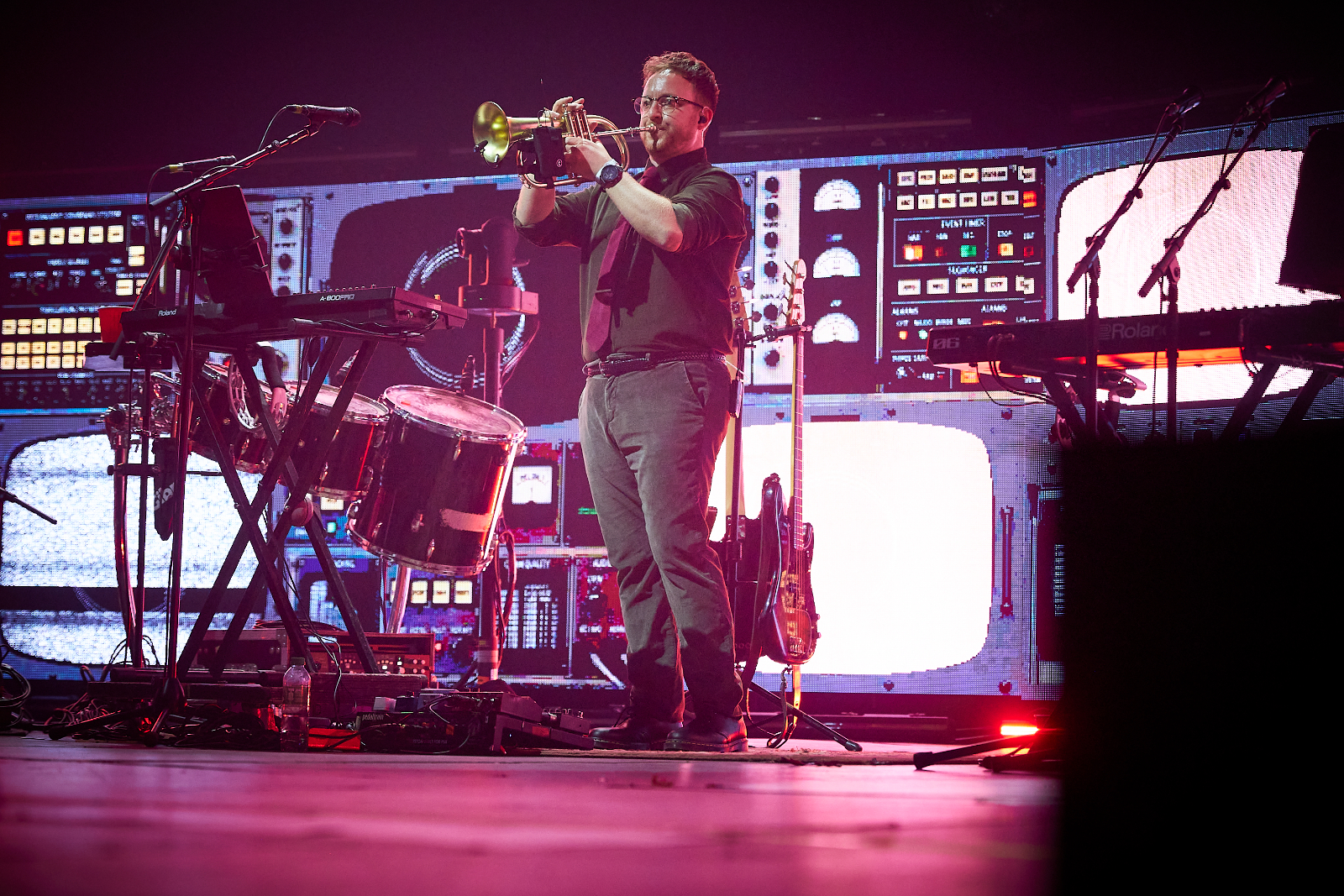
Public Service Broadcasting have established themselves as the universe builders of music, and last night, at Alexandra Palace, their biggest headline to date, London’s grandest, most iconic venue was transformed into something resembling a launch pad, a cinema, a museum and a vast communal jukebox all at once; a world of their own.
The occasion was certainly a rocket launch of its own kind, celebrating a decade since The Race for Space, the 2015 album that transformed Public Service Broadcasting’s peculiar marriage of archival speech, trance-inducing electronica and post-rock into something spectacularly unique.
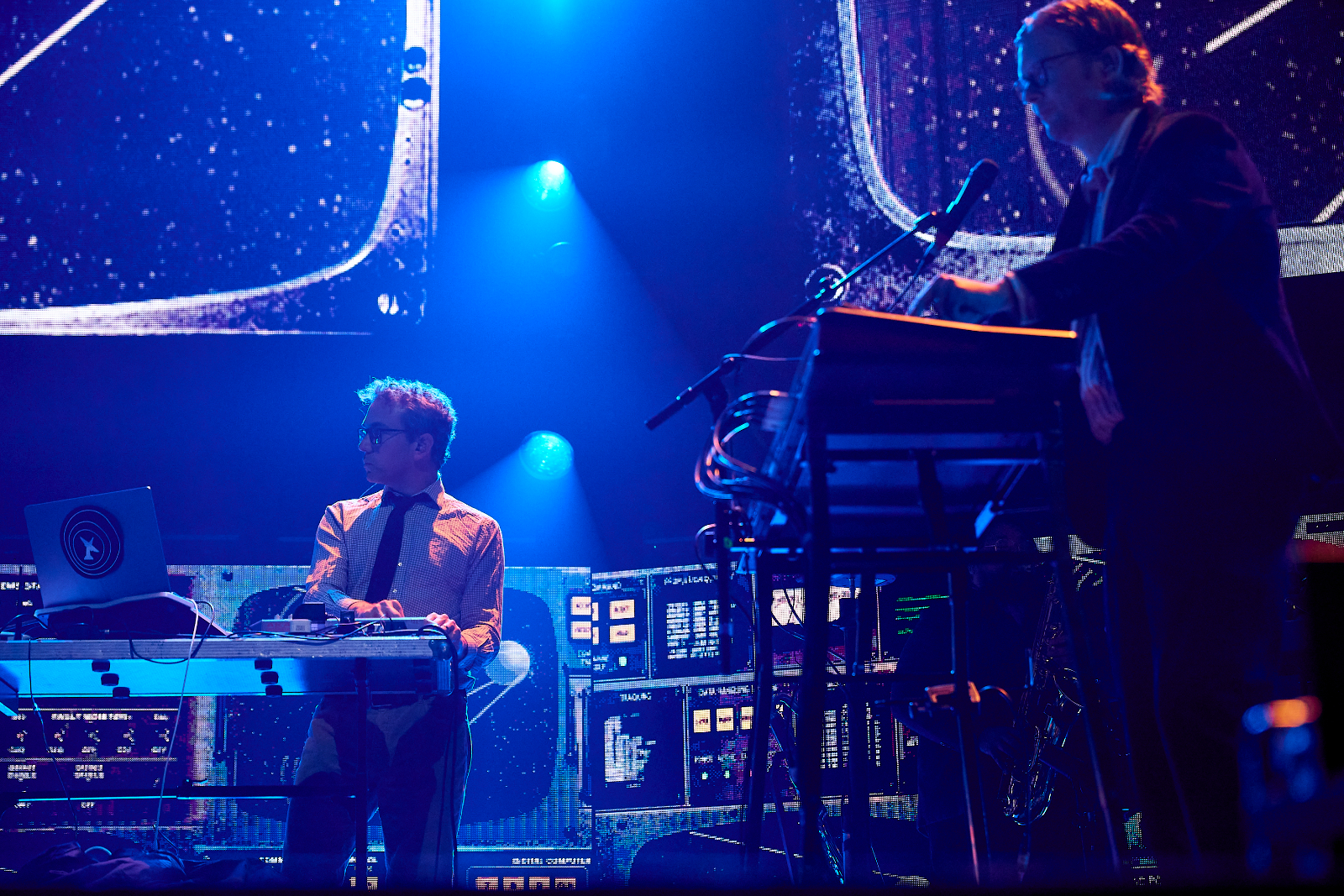
From the first flicker of archival historical audio footage across the enormous screens, the Great Hall seemed to shrink around this “musical entity”, as they refer to themselves. Their quirky names and studious appearance felt like a Star Wars homage, if it were an all-Beatles cast. Somewhere between rock band, film-score ensemble and eccentric television department, constructing music from fragments of another age and making them feel startlingly alive, the essence of this magnificently odd four-piece was a palpable explosion of Saturday night entertainment.
The Race for Space material naturally formed the emotional and dramatic spine of the evening. Sputnik brought the first great sense of lift-off; its propulsion was paired with the inevitability of a rocket clearing the launch tower. Gagarin, meanwhile, was a striking live ensemble: joyous, melodic and impossibly infectious.
Go! was the moment PSB proved the credibility of their success. Produced and composed around the language and excitement of the Apollo programme. In the vastness of Ally Pally, its sense of acceleration was amplified to infinity and beyond.
If Go! was the celebration, The Other Side was the darker, more cinematic counterpart. Its pulsing electronic core captured the Cold War space race in a very PSB fashion: less triumphal, more mysterious, always visually compelling. It was one of those moments when the band’s visuals, samples and music stopped feeling like separate components and became one enormous piece of cinematic brilliance.
And then there was Spitfire, a reminder that Public Service Broadcasting’s musical and lyrical universe extends well beyond the space programme. It remains one of their most immediately recognisable live numbers: muscular, propulsive and brilliantly British, reminding the invested audience of the band’s earlier fascination with aviation and technological daring.
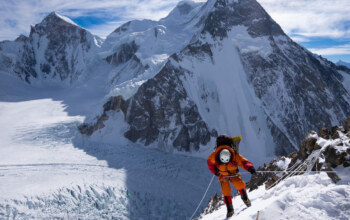
There were also moments that reached beyond the 2015 record, bringing the band’s wider catalogue and multi-dimensional repertoire into the picture. Everest carried the familiar sense of groundbreaking human achievement that runs through so much of their work. And when the newer material surfaced, it demonstrated just how far the Public Service Broadcasting concept has travelled since The Race for Space. The Amelia Earhart-inspired world of The Last Flight has a different emotional temperature, less collective technological optimism, more individual courage and uncertainty. The fact that their music can move from Gagarin to Earhart without the whole thing collapsing under its own conceptual weight is testament to the strength of the songwriting.
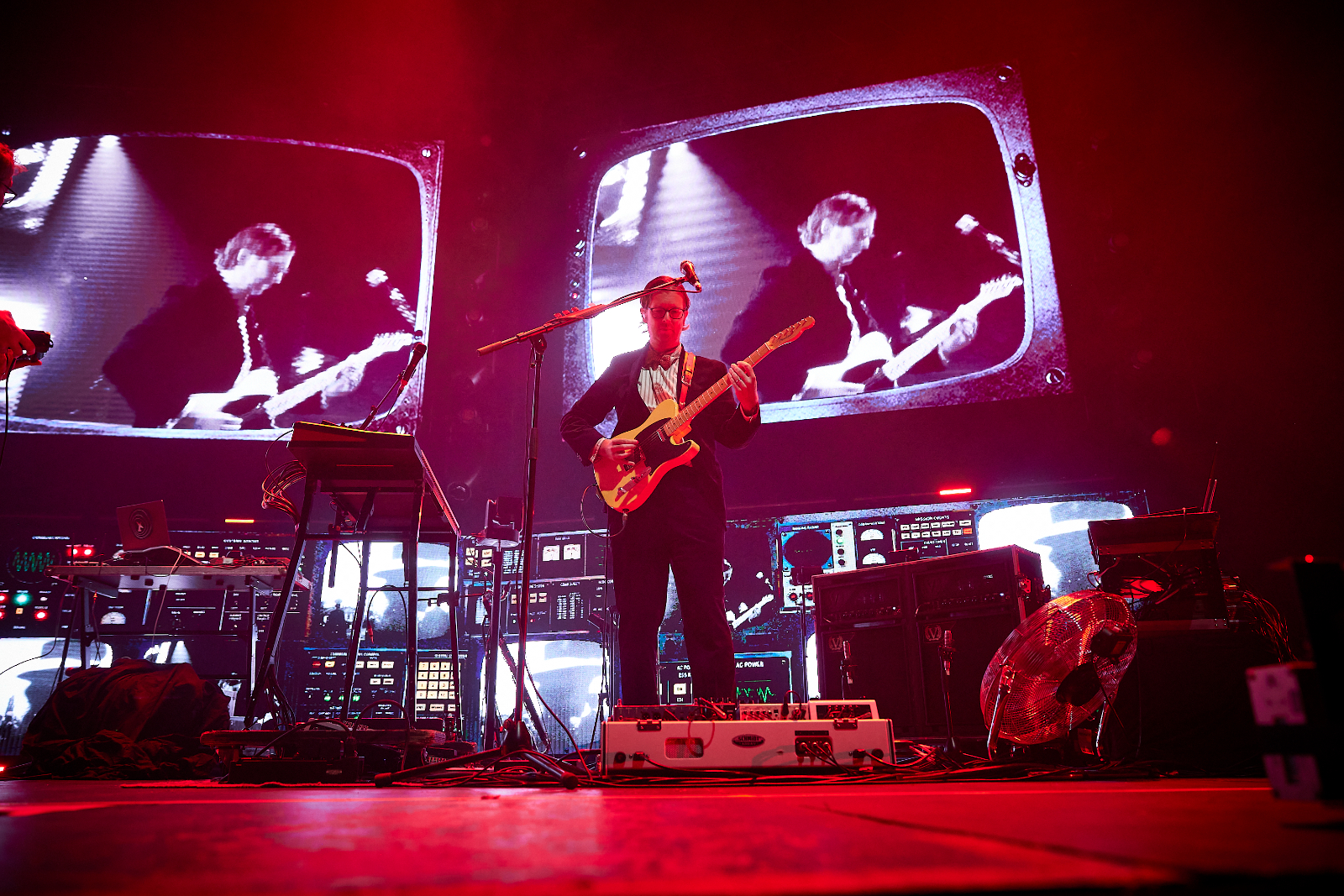
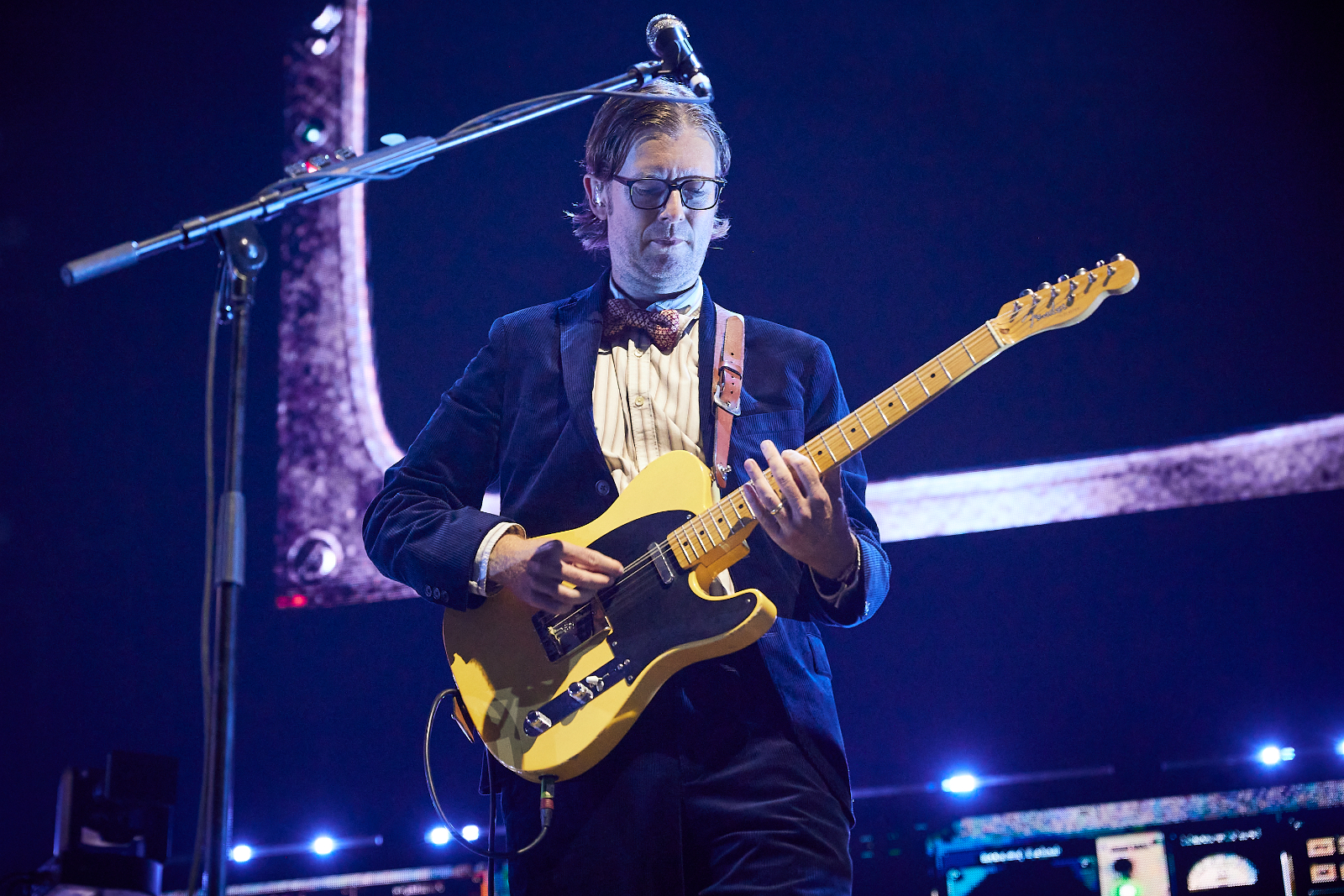
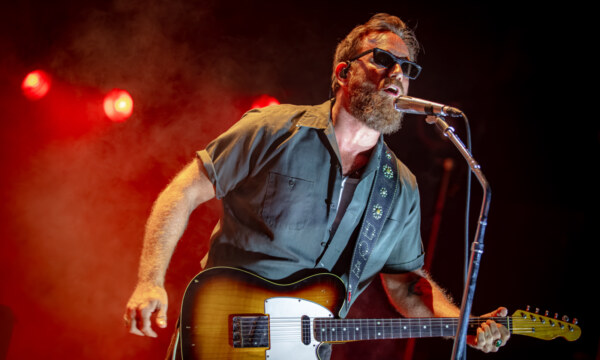
Willgoose’s wizardous guitar work is what gives the music its rock soul and deep sense of classicism; the electronics supply the propulsion; the drums provide the physical punch. Everything appears to be so meticulously arranged, but at the same time there is always a sense of erratic unpredictability in their approach to the atmosphere each song expresses. However, it works so incredibly harmoniously that it becomes an earnest celebration of record-breaking history that encapsulates an inescapable surge of positivity. Rave meets documentary; executed to perfection.
Nina Doroushi
Photos: Matthew Pull
For further information and future events, visit Public Service Broadcasting’s website here.
Watch the video for Go! here:











Facebook
Twitter
Instagram
YouTube
RSS