Once Upon a Time in Harlem
Far more than a valuable archival discovery
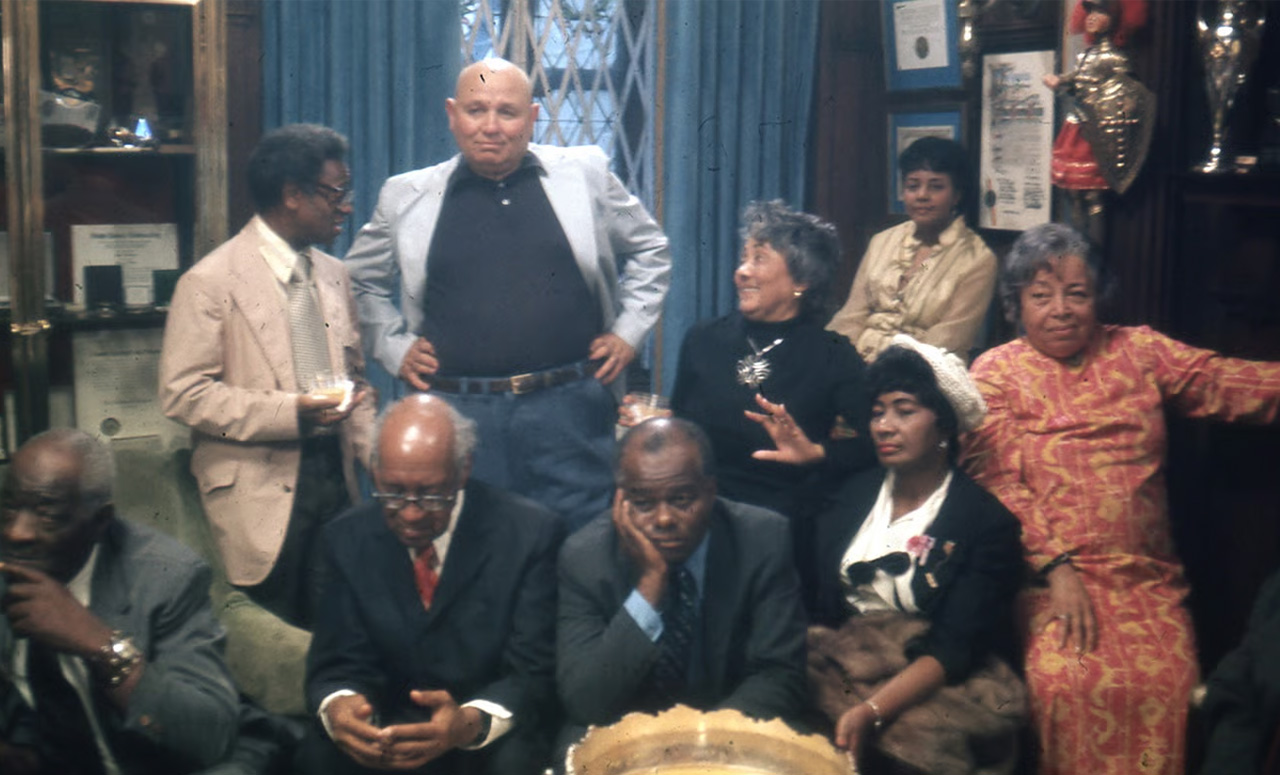
In 1972, filmmaker William Greaves brought together some of the surviving leading figures of the Harlem Renaissance at Duke Ellington’s New York townhouse to reflect on the movement they had helped shape. More than half a century later, his son David completed the documentary, Once Upon a Time in Harlem, offering an unusual perspective on a period whose very definition remains contested. Some regard it as a cultural revolution, while others question whether it constituted a renaissance at all. Rather than attempting to settle such debates, the film allows those who experienced the period firsthand to offer their own recollections, often revealing more about the movement than a conventional account of its achievements could.
Among the most outspoken participants is Ida Mae Cullen, the widow and fiercest advocate of poet Countee Cullen, who repeatedly insists upon recognising her late husband’s contributions. Her persistence is both amusing and rather touching, revealing how artistic reputations depend as much on personal loyalty as historical consensus. Equally interesting are the recollections of less celebrated figures, such as librarian Regina Andrews and journalist Gerri Major, whose contributions demonstrate the importance of the informal social networks that sustained Harlem’s artistic community.
Greaves’s relaxed approach to the gathering belies the complexity of its filming. Multiple cameras move around the room, capturing overlapping conversations, spontaneous reactions and passing remarks that might otherwise have been lost in a more conventional interview format. The editing incorporates archival photographs and artwork, providing historical context without imposing too much order on the proceedings. The result is less a formal retrospective than an opportunity to observe the personalities and relationships behind a celebrated cultural movement.
The approach has its limitations. Occasionally, conversations move on just as particularly interesting disagreements begin to emerge, while the sheer number of participants and historical references can make individual exchanges difficult to follow. Yet the relatively brisk 100-minute running time works in the documentary’s favour, preserving the liveliness of the gathering rather than attempting an exhaustive examination of every contribution.
Once Upon a Time in Harlem is far more than a valuable archival discovery. Its greatest achievement is allowing these celebrated intellectuals and artists to be opinionated, funny, contradictory and occasionally rather petty. Far from diminishing their accomplishments, this remarkably intimate portrayal makes them considerably more interesting than any reverential historical retrospective could.
Christina Yang
Read more reviews from our London Film Festival 2026 coverage here.
For further information about the event, visit the London Film Festival website here.
- 1
- 2
- 3
George Michael: The Faith Tour
Antonia Georgiou
- 4
- 5
La Roux – Old Flames
Mark Worgan
Fjord
Selina Sondermann
Prima Facie
Ronan Fawsitt
Nick Ward – Year of the Snake
Dionysia Afolabi
Hunting Alice Bell
Antonia Georgiou


(Un)Shakespearean Nightmares at The Playground Theatre
Thomas Messner
Tove Lo at Brixton Academy
Jennifer Hensey
Nero at Southwark Playhouse
Thomas Messner
Royal Blood – Dead Company
Ronan Fawsitt
Stevie Wonder at the O2 Arena
Ben Browning