Shakespeare’s Cousin at the White Bear Theatre
A compelling exploration of faith, power and conviction

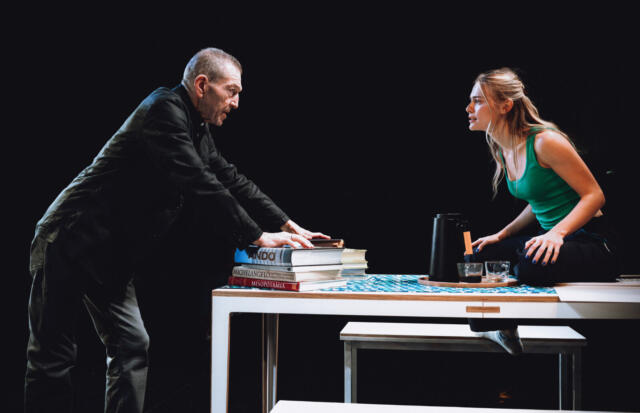
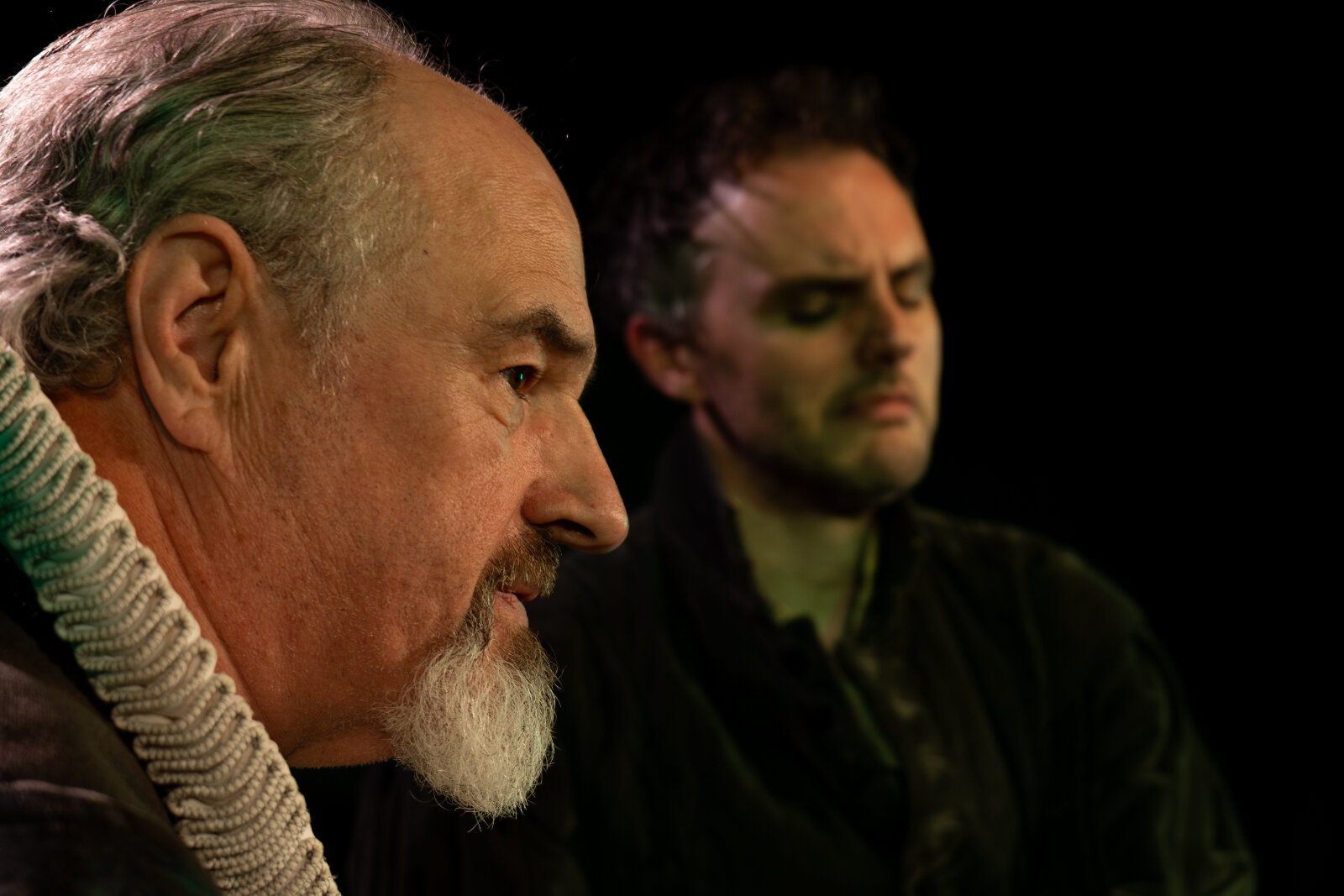
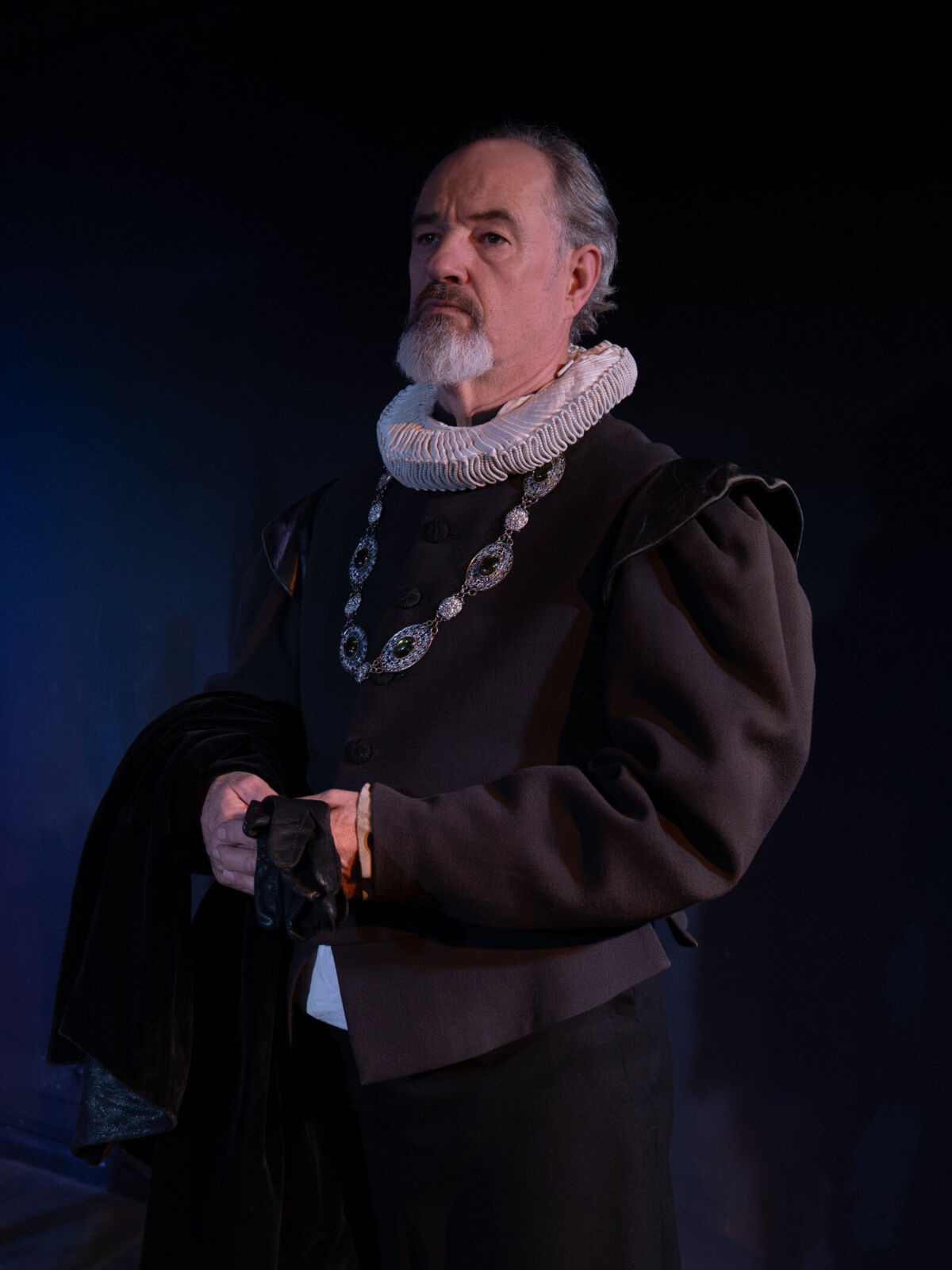
What happens when two men believe absolutely in what they are serving, but hold fundamentally opposing ideas about what is right? In Shakespeare’s Cousin, playwright and director Jonathan Moore brings together Robert Southwell, the Jesuit priest and poet, and Sir Richard Topcliffe, Elizabeth I’s notorious priest-hunter, in an interrogation exploring the uneasy relationship between conscience, religious conviction and state power.
Set against the religious persecution of Elizabethan England, the play has an obvious contemporary appeal. Censorship, xenophobia, political control and the suppression of dissent are hardly confined to the sixteenth century. Yet its most interesting question is perhaps more universal: are we to judge people by the strength of their convictions, or by the consequences of acting upon them?
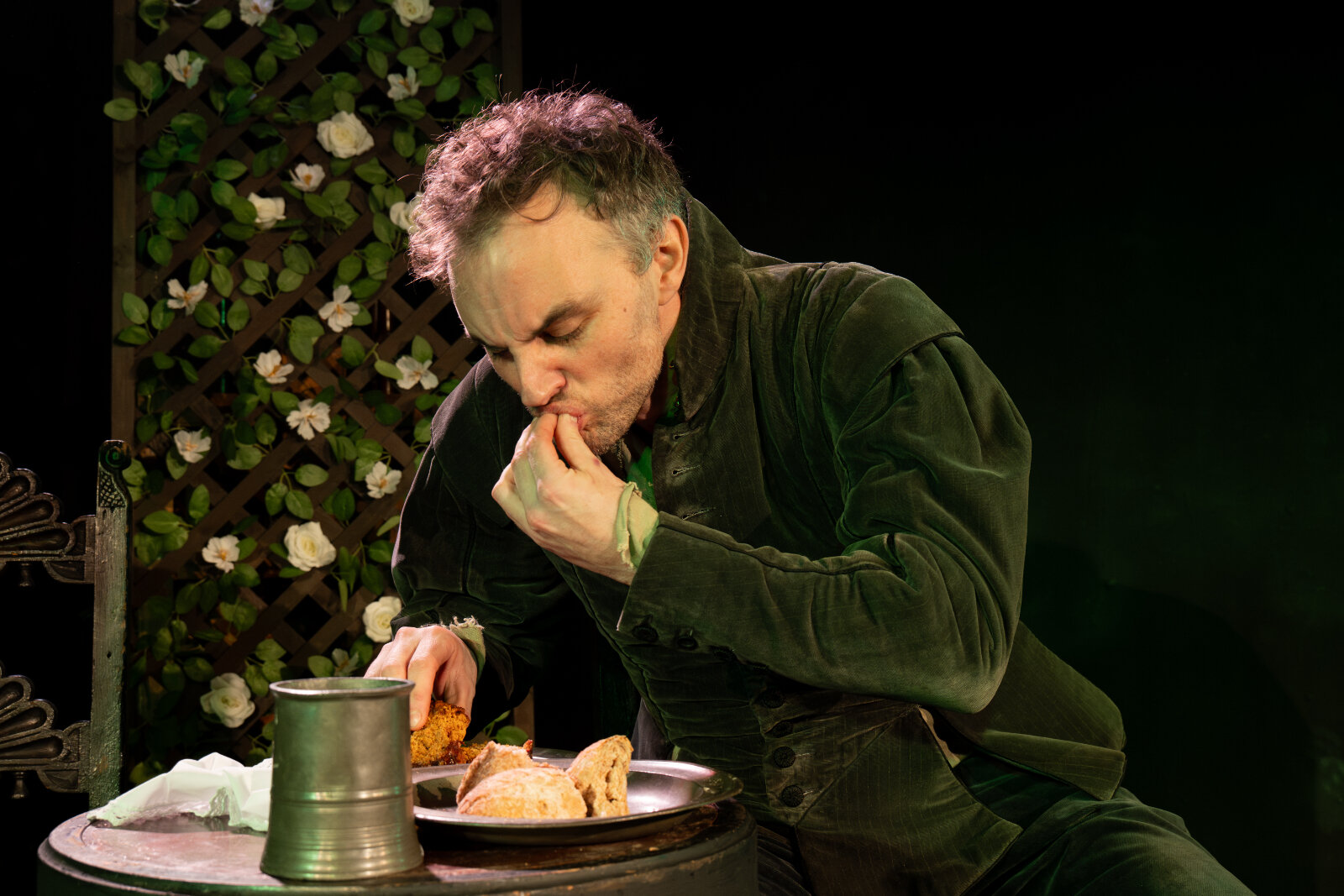
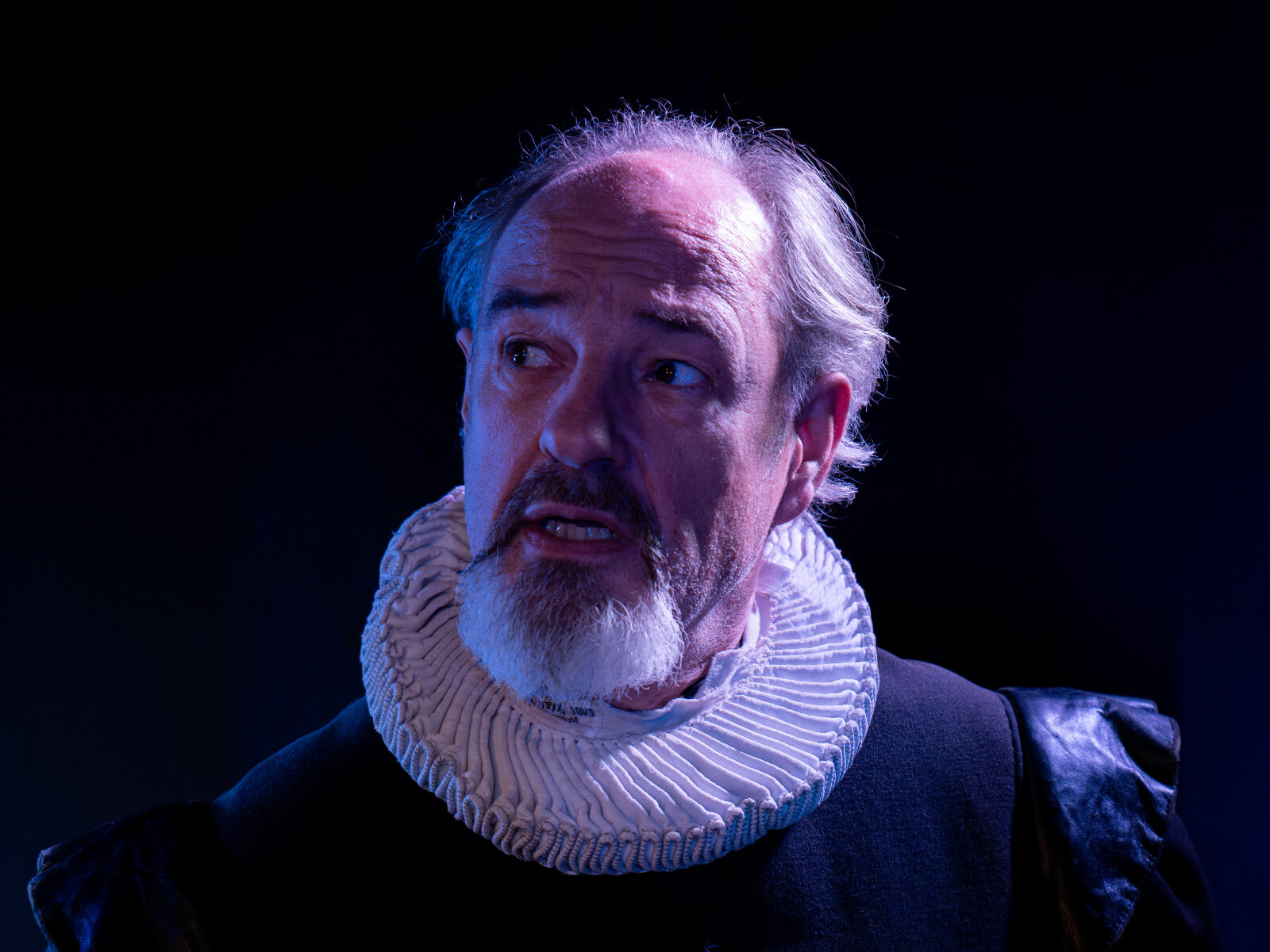
Topcliffe’s character is a strangely compelling presence. His dominance and confidence are almost seductive, creating an uncomfortable attraction to a man whose actions become increasingly difficult to stomach. Yet as the interrogation progresses, he edges towards caricature, becoming more demon than psychologically complex individual. His hatred of foreigners and selective morality invite contemporary comparisons, but his motivations remain frustratingly elusive. Southwell offers a contrast. His unwavering faith is admirable, although his apparent fear makes him less immediately engaging.
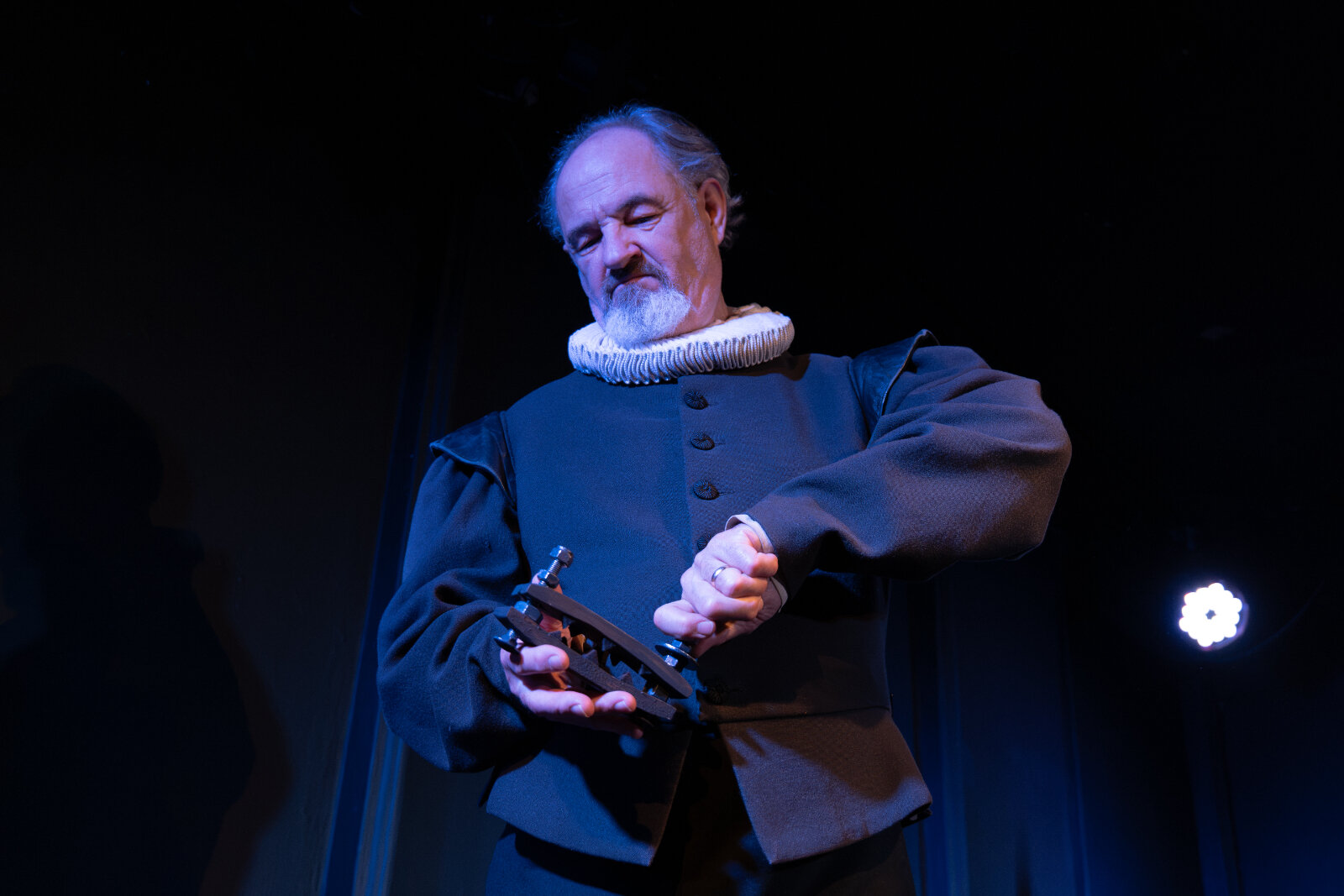
The torture sequences provide some of the production’s most memorable moments. Excellent sound effects, unsettling dissonance and the unexpected use of singing create an extraordinary contrast between theatricality and brutality. Crucially, the interrogation is careful not to become simply a battle between an immovable object and an irresistible force. However, the longer it continues, the more dramatic tension occasionally gives way to explanation.
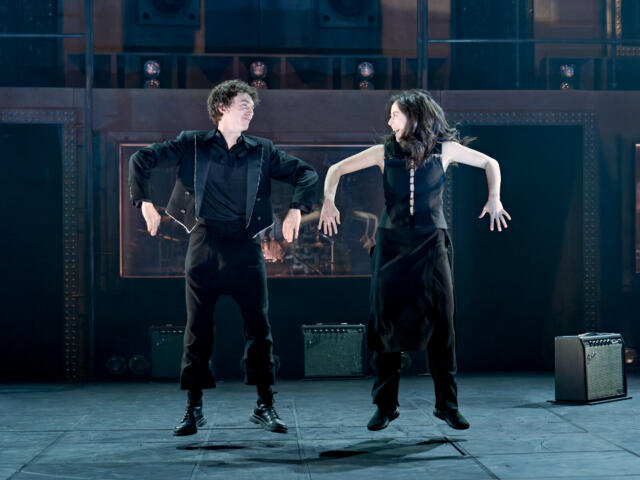
Visually, the production is refreshingly restrained. Simple staging and atmospheric lighting create an effective sense of claustrophobia, while the sound design reinforces the tension. The writing combines comedic flair, impeccable timing and intellectual sharpness, although occasionally the soliloquies linger too long, interrupting the dramatic momentum.
Perhaps the most fascinating dimension is Southwell’s relationship with his cousin, William Shakespeare. Southwell believes poetry should serve a higher spiritual purpose, criticising writers who squander their gifts on worldly pleasures. Shakespeare, meanwhile, understands humanity by inhabiting its desires and weaknesses. His belief that a dramatist must feel what his characters feel exposes their fundamentally different approaches to art. Southwell’s faith offers certainty, even in death; Shakespeare’s art thrives on uncertainty. There is wonderful irony in the suggestion that Southwell wanted his cousin to devote his gifts to God, while Shakespeare arguably found greater inspiration in exploring human contradictions.
Ultimately, would the world be better if people were less concerned with earning goodness in the next life and more committed to practising it in this one? Shakespeare’s Cousin doesn’t quite resolve this question, but its most affecting moments suggest that faith should be measured not simply by the willingness to die for it, but by the humanity it inspires while we are alive. Thought-provoking and occasionally over-explanatory, it leaves us considering the dangerous consequences of absolute conviction.
Georgina Lunn
Photos: Kai Dorovk
Shakespeare’s Cousin is at the White Bear Theatre from 10th until 28th November 2026. For further information or to book, visit the theatre’s website here.



- 1
- 2
Hunting Alice Bell
Antonia Georgiou
- 3
Andrew Lloyd Webber’s Starlight Express: Live on Stage
Jennifer Hensey
- 4
- 5





Giant – The Play
Natallia Pearmain
Hamlet Hail to the Thief at Barbican Theatre
Cristiana Ferrauti
Ebenezer
Antonia Georgiou



Wasia Project at Roundhouse
Sofia Webster