
When healing and holidays collide: Why Ekol Hospitals tells medical tourists to wait
 16 June 2025
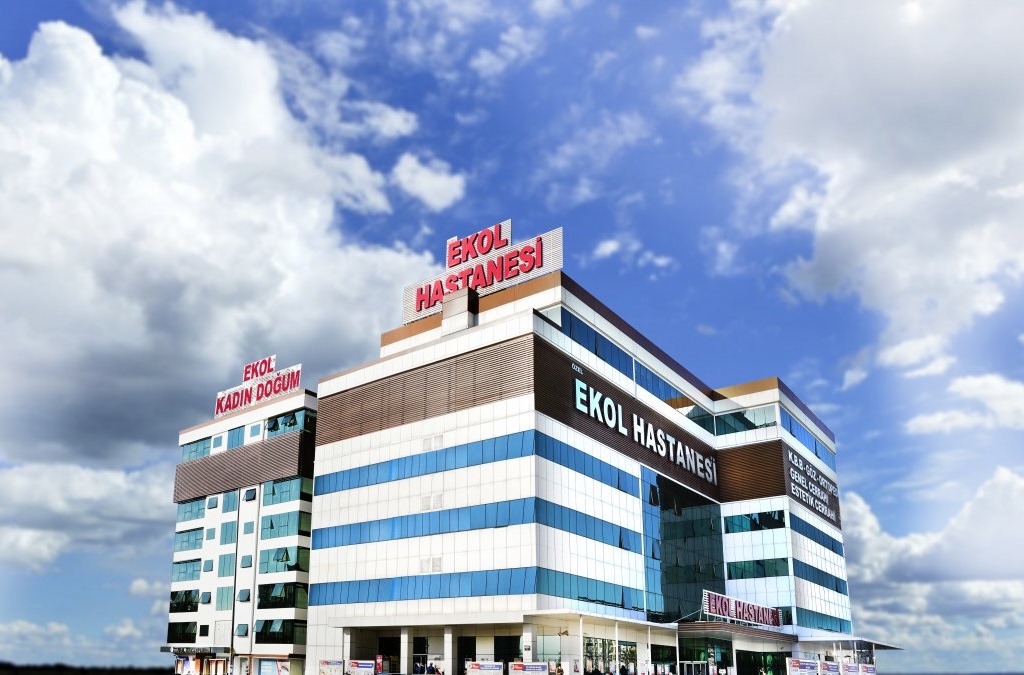
The glass-fronted campus of Ekol Hospitals rises above the Aegean skyline like an invitation to fast, affordable care. Every year, thousands of Britons and other Europeans accept that invitation, drawn by package prices that undercut domestic fees and by waiting times measured in days rather than months. But recent headlines in the UK about patients returning home with persistent infections suggest the post-op journey is not always as smooth as the brochure promises. Even the Advertising Standards Authority has begun cracking down on overly optimistic cosmetic surgery ads.
A boom outpacing the safeguards
Cross-border healthcare is no longer a niche. According to the OECD’s Tourism Trends & Policies 2024, medical travel has become one of the fastest-rebounding segments in the industry, driven by pent-up post-pandemic demand and the ongoing strain of rising living costs.
Cosmetic procedures have become a global barometer. The International Society of Aesthetic Plastic Surgery reports that 15.8 million surgical aesthetic procedures were performed worldwide in 2023. That’s a 5.5% increase over the previous year, and 40% above pre-Covid levels.
Flying too soon can be deadly

Leaving the recovery ward for the airport terminal might sound efficient, but medically, it’s risky. The World Health Organization estimates that surgical-site infections make up about 20% of all healthcare-associated infections worldwide. In lower and middle-income settings, one in ten surgical patients may be affected – and even in higher-income countries, the burden is significant.
Then there’s what researchers call “economy-class syndrome.” According to studies published in The BMJ, long-haul travel lasting more than four hours doubles the risk of venous thromboembolism, especially dangerous after major abdominal or bariatric surgery.
The American College of Surgeons adds another layer of concern. Obese patients undergoing weight-loss surgery face elevated risks of clotting, and the data suggests extended medical monitoring can be critical in preventing life-threatening events.
Inside Ekol’s clinical policy: the five-day rule
In response to these concerns, Ekol Hospitals has launched a public advisory: “Finish Healing First.” The message is clear and medically grounded. Patients are advised to remain in İzmir until they have been fever-free for at least 48 hours, can walk without assistance, and have fully sealed incisions with no signs of systemic infection. Internal audits show that these milestones are typically achieved around the fifth day post-surgery.
The hospital maintains an infection rate well below 1%, yet emphasises that the most vulnerable period begins not during the operation but after discharge – a time when complications like thrombotic events or infections may emerge silently.
Ekol’s care model reflects this reality. The facility provides 24-hour support via WhatsApp, shares encrypted records with home-country physicians, and conducts follow-up assessments on day 30 to capture potential late-onset issues. The focus is not just on performing the surgery but on ensuring recovery continues safely long after patients leave the hospital room.
Public health risks that travel with the patient
Post-operative complications don’t just impact individual patients. They contribute to global antimicrobial resistance and place strain on national health systems. The UK Health Security Agency’s 2025 report notes that over 20% of admitted-care bed occupancy is linked to infections, costing the NHS nearly £6 billion annually.
Even small improvements to international discharge policies – such as encouraging patients to remain abroad a few extra days – could significantly relieve that burden, especially as medical tourism continues to grow.
A safer path forward
Evidence consistently shows that the most cost-effective trip may not be the most medically sound. For health tourism to remain a trusted, sustainable option, both providers and patients need to align convenience with clinical prudence. That might involve extending hotel stays, scheduling remote wound assessments, or choosing facilities that ensure continuity of care across borders.
Ekol Hospitals is one such example – committed not just to performing surgery but to seeing patients through recovery. And for travellers eyeing the Aegean, the message is as simple as it is critical: wait for the body, not the boarding call.
The editorial unit
Photo: Ekol Hospitals via FL Communications


















Facebook
Twitter
Instagram
YouTube
RSS