
No Good Men




The unusually late announcement of the 76th Berlinale’s opening film – made only days before invitations to the ceremony were sent out – fuelled widespread speculation about festival director Tricia Tuttle’s pick. To the disappointment of those who had hoped for a repeat of her last London tenure, it was not the latest Emerald Fennell, nor anything with a similar high-profile cast, but a comparatively small Afghan-European co-production. Rather than chasing its former glory as one of the “Big Three”, this decision leans into the German festival’s reputation as the most politically engaged of the circuit.
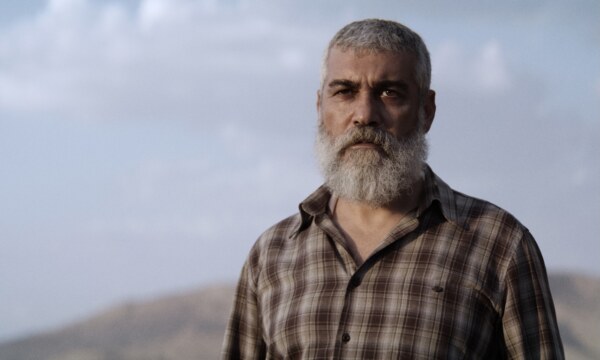
No Good Men is set in 2021 Kabul and follows camerawoman Naru’s acts of micro feminism: subtle ways of resistance towards her country’s gender apartheid. She refuses to work for the TV station’s call-in program, where women asking for help with cheating and abusive husbands are advised to “wear more makeup” to retain their partner’s affection. She fights for a spot in the news department, even if it means a Taliban member storming out of an interview, enraged at her impertinence in sharing this space. Her experience leads her to believe that there are no good men in Afghanistan, but there is one colleague who may just make her reconsider her conviction.
In her fourth feature, 35-year-old Shahrbanoo Sadat filters the systemic issues of her family’s homeland through a very modern prism, practically echoing online debate on the “male loneliness epidemic”. By way of her protagonist (which she plays), the writer and director refuses to excuse the lack of respect that women experience on a daily basis. While she is told that “change doesn’t happen overnight”, the audience is all too willing to celebrate Naru’s little victories – before the real geopolitical events catch up to the film and all of these baby steps are eradicated in an instant.
The feature’s tonal shifts – ranging from comedic bits about vibrators to harrowing acts of terrorist violence – create a sense of narrative whiplash that, on the one hand, keeps viewers on their toes, but ultimately does not work in its favour. One is seldom granted the stillness to absorb and reflect the onscreen action, but also the immersion in the depicted events is put to the test. For obvious reasons, the movie could not be shot in Afghanistan, but there are certain shots in which the substitute locations tug at the viewer’s suspension of disbelief.
Not unlike 2019’s opening title, The Kindness of Strangers, the choice to spotlight this film is one of message over craft, prioritising social and political resonance over grand cinematic spectacle or red carpet glamour.
While No Good Men may lack a certain technical polish, it serves as a vital reminder of the humanitarian crises that have faded from the headlines but continue to claim lives and livelihoods every day.
“The news is not empathetic, politics is not empathetic,” international jury president Wim Wenders said at the festival’s first press conference, as part of a larger discussion of if and how films can change the world, “but movies are, and this is our duty!”
Selina Sondermann
No Good Men does not have a release date yet.
Read more reviews from our Berlin Film Festival coverage here.
For further information about the event visit the Berlin Film Festival website here.




















Facebook
Twitter
Instagram
YouTube
RSS