
Table movies that stay true to the script

 25 May 2026
There is something irresistible about a great gaming film. The setting does a lot of the heavy lifting: flashing lights, whispered calculations, fortunes won and lost in seconds. But the best films go beyond the glamour. They understand gaming is really about people under pressure, testing their nerve and deciding when everything is on the line. Whether based on true stories or shaped by real events, these films capture the tension and psychology of competitive entertainment with surprising accuracy.
One of the most celebrated examples remains Casino. Martin Scorsese’s epic charts the mob-controlled Las Vegas of the 1970s and 1980s, with Robert De Niro as meticulous venue operator Sam “Ace” Rothstein. Inspired by the real-life Frank Rosenthal, the character brings a level of detail that makes the film feel almost documentary-like. From surveillance rooms to the movement of chips across the floor, the mechanics are as engrossing as the violence and betrayal. The games themselves are familiar too, just like what audiences would find on any major gaming platform, from card tables and spinning wheels to the constant theatre of chance.
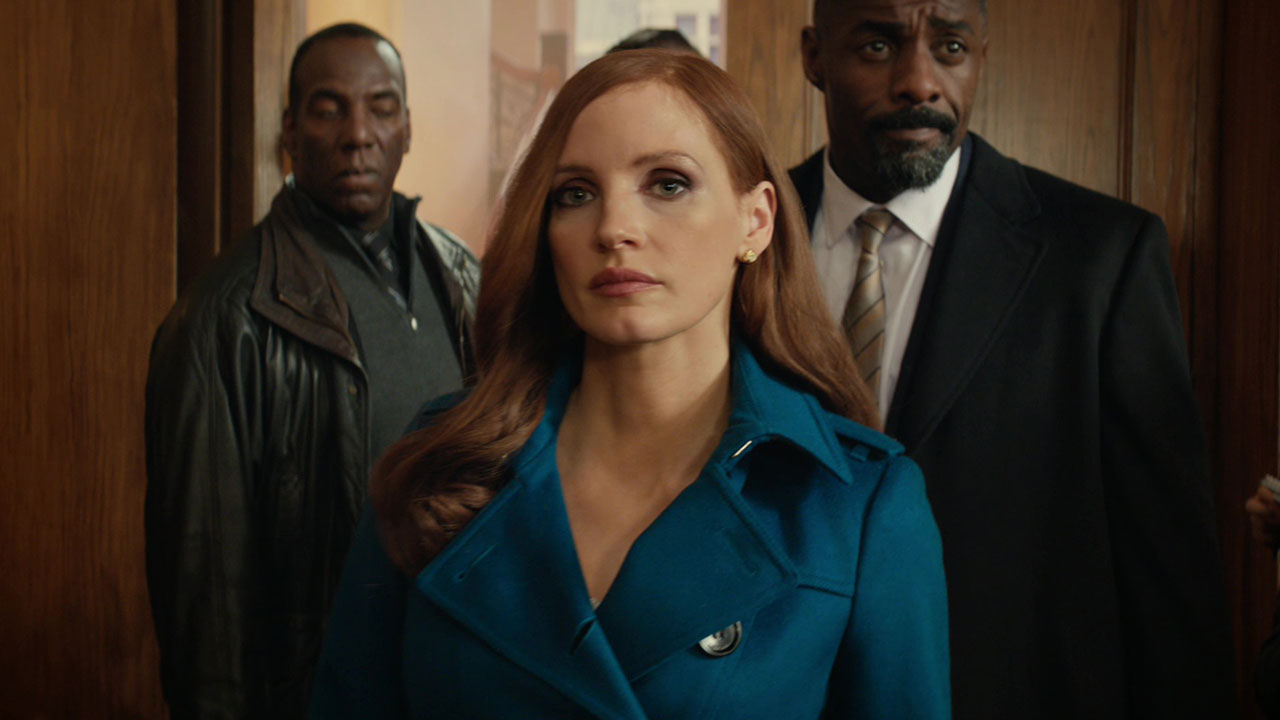
If Scorsese’s film shows the business side, Molly’s Game focuses on the personalities drawn to risk. Based on Molly Bloom’s memoir, the film follows a former Olympic hopeful who builds an exclusive underground gaming empire. Jessica Chastain gives Bloom both steel and vulnerability, while the screenplay explores the fine line between ambition and obsession. The card scenes are electric, but it is the character study that gives the story its weight.
Another true-story adaptation, 21, takes a more kinetic approach. Inspired by the MIT Blackjack Team, it follows a group of students who use strategy and mathematics to tilt the odds in their favour. The calculations behind the game become unexpectedly cinematic, with every hand carrying the possibility of exposure. While the film leans into Hollywood polish, its central idea remains rooted in a genuine and fascinating chapter of gaming history.
For card game fans, Rounders remains the gold standard. Matt Damon stars as a gifted player trying to balance his talent with the realities of everyday life. The film’s depiction of bluffing, reading opponents and psychological warfare feels authentic because it understands that competitive games are often won away from the table itself. Over two decades later, its influence can still be felt across popular gaming culture.
Not every gaming film is rooted in fact, but Ocean’s Eleven captures the allure of Las Vegas with effortless style. George Clooney leads an ensemble cast through an intricate heist that turns gaming floors and security systems into part of the spectacle. It may be more fantasy than realism, but its affection for the environment is unmistakable.
What unites these films is their respect for the world they depict. Beneath the polished surfaces and dramatic stakes, they reveal gaming as a study in discipline, temptation and human behaviour. When the script gets those details right, the results are every bit as thrilling as the games themselves.






















Facebook
Twitter
Instagram
YouTube
RSS