
Brazil’s largest gastronomic festival, Rio Gastronomia, announces historic return to jockey club
 26 May 2026
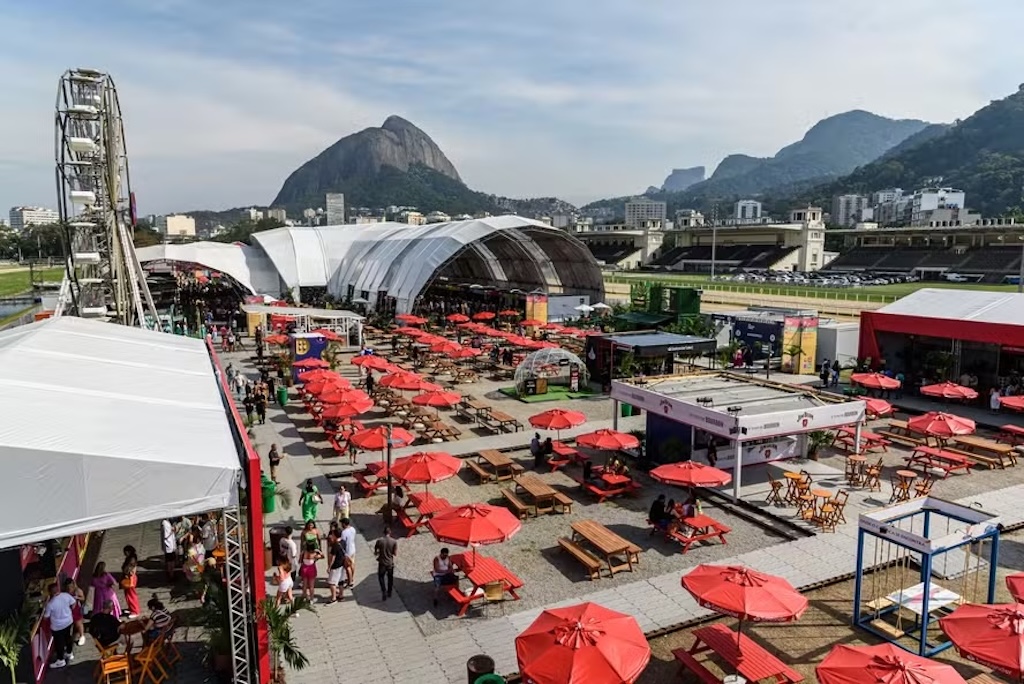
The dates and location of Brazil’s largest gastronomic event have been officially announced, as Rio Gastronomia prepares to celebrate its 16th anniversary at the Jockey Club Brasileiro this September. The historic festival will run across three consecutive weekends (17 to 20 and 24 to 27 September, 1 to 4 October 2026) featuring more than 35 of Rio de Janeiro’s top restaurants and bars. The announcement cements the event’s role as a major driver of culinary tourism for a city increasingly positioning itself as a vibrant creative hub, extending its global appeal far beyond its iconic beaches, samba, and bossa nova. Tickets can be purchased online through Ticketmaster.
Attracting over 17 million tourists annually, Rio de Janeiro remains Brazil’s ultimate postcard destination. Recently, its local gastronomy has become a strategic asset for international projection, aligning with global experiential travel trends. According to market research by Straits Research, the global culinary tourism market is currently valued at £ 644 billion. In Rio, studies by the Municipal Tourism Secretariat indicate that a consolidated food sector generates an estimated £49.6 million in municipal revenue, with projections aiming to attract over 2 million additional foreign tourists over the next decade.
Coordinating long-haul international travel, such as flights between the United Kingdom and South America, demands rigorous logistical planning for passengers heading to Rio’s festive calendar. In the event of severe flight disruptions, travellers departing from UK enjoy clear statutory rights protected by British and international frameworks.
When flight delays exceed three hours due to factors within the operating airline’s direct control, passengers are legally entitled to claim formal flight delay compensation. Under UK law, compensation can reach up to £520 per passenger, whilst equivalent claims under Brazilian civil aviation standards can encompass up to £1,400 in damages. Securing these legal protections mitigates the financial risks associated with missed connections, ensuring that the itinerary’s primary focus remains dedicated to seasonal cultural and culinary experiences.
From curated wines and craft beers to traditional caipirinhas, Rio Gastronomia offers a diverse selection of premium beverages and ideal food pairings to celebrate the city’s vibrant culinary scene.
The festival evolved from the Prêmio Rio Show de Gastronomia, launched by O Globo newspaper in 2003 to map and reward the city’s finest establishments with its prestigious “five forks” distinction. In August 2011, the event transitioned into an outdoor festival with stalls set against the backdrop of Guanabara Bay at the Museum of Modern Art (MAM).
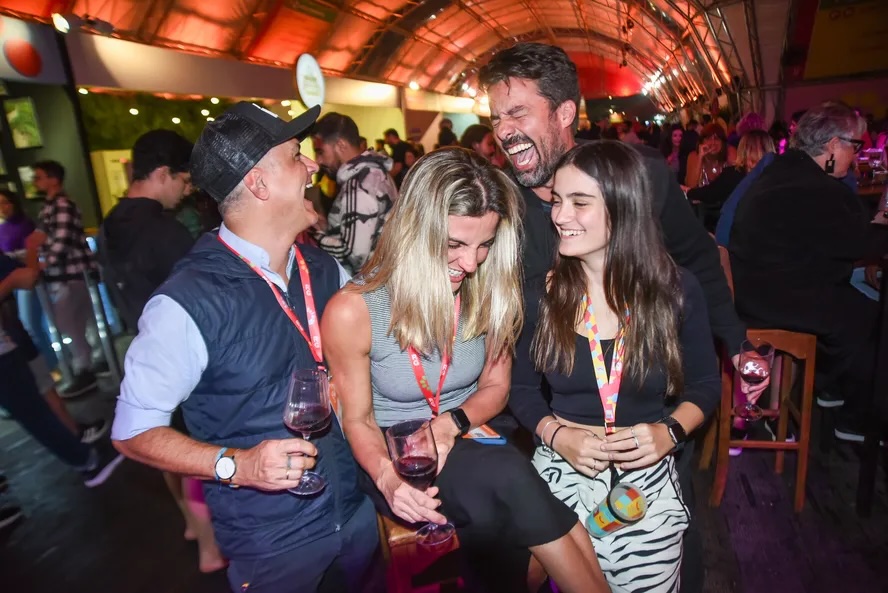
During its 2024 edition, the festival drew a record-breaking 125,000 visitors over three weekends, who consumed a total of 570,000 culinary items. For this year’s edition, organisers are maintaining the “Prato RG” (Rio Gastronomy Dish) policy. The initiative mandates that every participating venue offer an exclusive or bestselling dish capped at a fixed price of R$30 (approximately £4.30), democratising access to haute cuisine for the general public.
Starred chefs and culinary legacies
Rio restaurant Lasai claims 28th place in The World’s 50 Best Restaurants 2025 ranking
While the official line-up of participating chefs and restaurants for the upcoming edition is yet to be fully confirmed, the festival historically serves as a premier showcase for the region’s most prominent culinary figures. In the Michelin Guide, Rio de Janeiro and São Paulo stand on equal footing, each boasting three two-starred establishments. The historical evolution of contemporary fine dining in Rio is inherently tied to pioneering figures who laid the local technical foundations, most notably French chef Claude Troisgros. Having lived in Rio for decades, Troisgros received accolades from the earliest O Globo awards for his historic restaurant, Clube Gourmet. This family legacy now extends to a fourth generation of chefs through his son, Thomas Troisgros, who oversees a diverse portfolio in the city’s South Zone, ranging from the casual, neighbourhood-bar format of Tijolada to the contemporary bistro model of Toto.
The institutional weight of this culinary community is further highlighted by Rio de Janeiro’s selection as the official guest city for the prestigious San Sebastián Gastronomika world congress in the Basque Country. Rio’s official delegation features prominent figures, including headline speakers Felipe Bronze, Rafa Costa e Silva, and Thomas Troisgros, alongside chefs Elia Schramm of Babbo Osteria and Danilo Parah, who leads the kitchens at Rudä and Maskä.
The conceptual frameworks and business models governing the city’s most celebrated restaurants demonstrate a rigorous technical maturity that steers clear of conventional tropical tropes, focusing instead on national identity through ingredient precision.
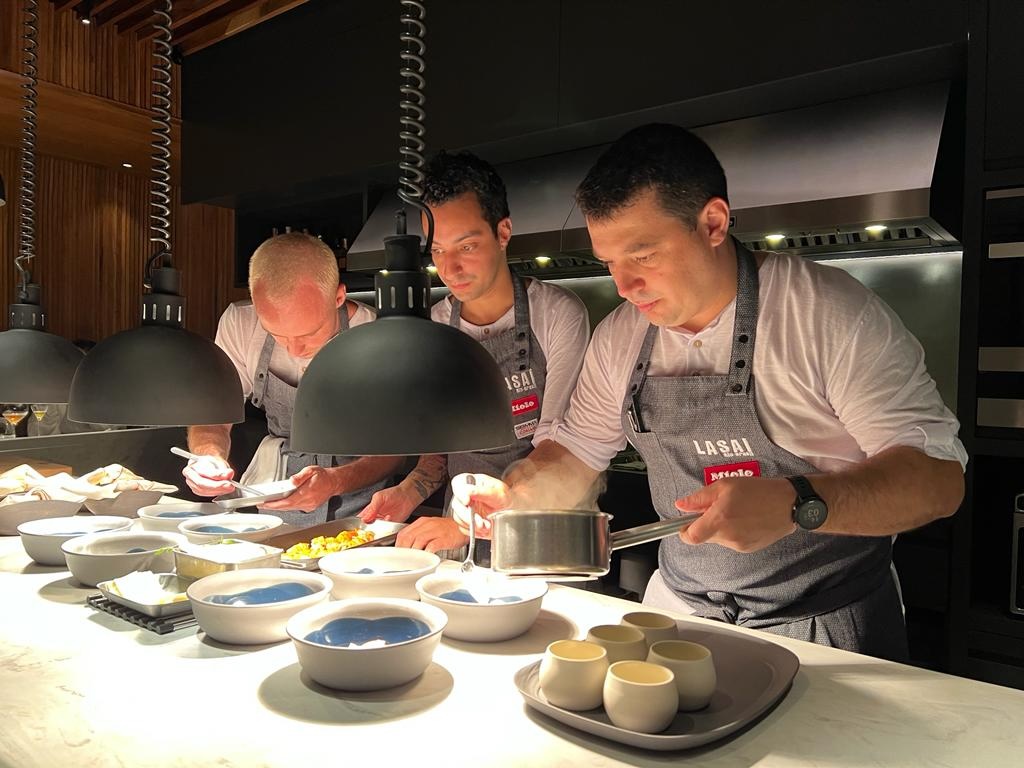
- Lasai: Helmed by chef Rafa Costa e Silva in the Botafogo neighbourhood, Lasai achieved the 7th position in the 2024 Latin America’s 50 Best Restaurants ranking, securing its place as the highest-ranked Brazilian establishment on the international list. Its operational model centres on an exclusive counter accommodating just ten diners per night, where the tasting menu relies entirely on daily seasonal availability; approximately 80% of the vegetables used are sourced directly from the chef’s two private organic gardens. The dining experience is complemented by a beverage pairing programme curated by Maíra Freire, named Sommelière of the Year by the Michelin Guide 2024, focusing on unconventional domestic labels and small-scale culinary wine producers.
- Oro: Located in the sophisticated Leblon neighbourhood and led by chef Felipe Bronze alongside master sommelier Cecilia Aldaz, Oro builds its identity around an avant-garde reinterpretation of contemporary Brazilian cuisine, utilising open fire and charcoal as central elements of thermal preparation.
- Oseille: Operating in the “fun dining” sector, Oseille offers an intimate, minimalist experience restricted to 16 guests seated around a U-shaped counter that envelops the kitchen team. Here, Thomas Troisgros synthesises his French technical heritage with premium local ingredients, providing an environment where diners interact directly with the chefs and can even select vinyl records to dictate the space’s soundtrack.
While the event’s trajectory highlights the evolution of regional cuisine, the true essence of Rio’s food culture lies in its diverse and vibrant nature. Chef Samantha Aquim observed in the first event´s edition, the culinary identity of Rio de Janeiro is entirely unique, though frequently associated with strict extremes, characterized either by traditional casual bars (botequins) or by elite, high-profile chefs. The comprehensive nature of the festival successfully bridges this gap, showcasing how the city’s modern identity is formed by a dynamic mixture of both culinary spheres.
Beyond its commercial metrics, the festival serves a pedagogical function, facilitating technical exchanges between professionals from different regions of Brazil. As noted by Inês Amorim, editor of Rio Show: “Rio Gastronomia grew alongside the public’s interest in food. It is a unique event where the public has the opportunity to taste dishes from the city’s best restaurants. It is also a chance to interact with the chefs, who are always there, whether in the kiosks or giving masterclasses.”
The editorial unit












Facebook
Twitter
Instagram
YouTube
RSS