
How to prepare for the first ski holiday without leaving the UK
 12 June 2026
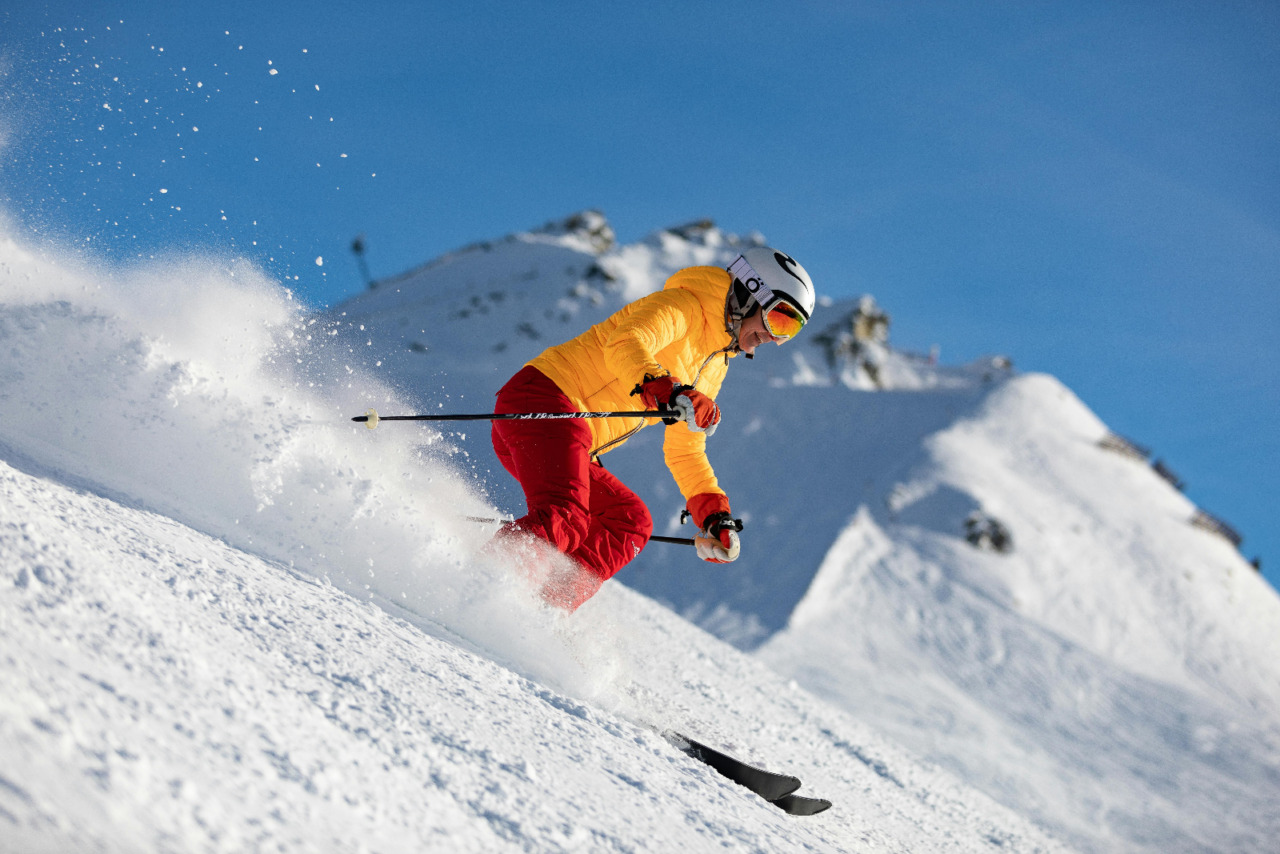
Heading off on your first ski holiday is genuinely exciting, but it can also feel a little daunting when you start thinking about everything involved. Before you’ve even seen a mountain, there’s equipment to get your head around, techniques to learn, and a whole culture of slope etiquette that nobody really tells you about in advance. The good news is that you don’t have to figure it all out once you’re already abroad.
Indoor snow slopes have quietly become one of the better ways to get ready before you go. They’re also, somewhat unexpectedly, among the more unusual things to do in Hemel Hempstead, which might surprise anyone who’s only ever driven past on the M1. For people wanting a proper introduction to skiing or snowboarding without booking a flight, they’re worth knowing about.
Why it helps to practise beforehand
Ski resorts move at a pace that can catch beginners off guard. Lifts don’t wait, slopes get busy, and your first lesson abroad often throws a lot at you in a short space of time. If you already have a rough sense of how to balance, stop, and turn, those early days become considerably less stressful.
It’s not just adults who benefit either. Families travelling with younger children often find that a session or two on an indoor slope beforehand makes a real difference. Children who’ve already had a feel for snow tend to settle into lessons abroad much more quickly, rather than spending the first day looking slightly terrified.
Getting to grips with the kit
Ski equipment is oddly specific and takes some getting used to. Ski boots in particular feel nothing like normal footwear. They’re stiff, they click in strange ways, and walking in them is its own skill. Understanding how they should fit, how the bindings work, and how to carry skis without clattering into everyone around you is genuinely useful knowledge before you’re standing at the bottom of a busy resort.
Clothing is another thing people often get wrong the first time around. The instinct is to pile on the thickest coat you own, but skiing is surprisingly physical and you’ll overheat quickly if you’re not layering properly. A decent base layer, waterproof outer layer, and good gloves will serve you far better than one enormous parka.
Speaking of physical demands, most people are caught out by how much skiing works your legs and core. Even a gentle beginner session leaves muscles aching that you didn’t know you had. Getting reasonably fit before you go, even just with regular walking or some light squats, makes the whole experience more comfortable.
Building confidence before you get there
There’s a mental side to skiing that doesn’t always get mentioned. For a lot of beginners, the mountain environment itself is the challenge: steep-looking runs, experienced skiers flying past, and conditions that change with the weather. It can feel overwhelming when you’re trying to concentrate on simply not falling over.
Indoor slopes take some of that pressure away. The conditions stay consistent, the runs are manageable, and you can repeat the same stretch as many times as you need without anyone rushing you. That kind of repetition is genuinely one of the fastest ways to build basic technique: controlling your speed, making gradual turns, and learning not to lean back when your instincts tell you to.
For snowboarders especially, this matters. The early stages of learning to snowboard involve falling. Quite a lot of falling, actually. Having already worked through some of that frustration before your holiday means you spend less time struggling on the snow and more time actually enjoying yourself.
Slope etiquette and safety
This is something beginners rarely think about until they’re out there. Ski resorts have their own set of unwritten rules – and some written ones too – around right of way, safe distances, and where you should and shouldn’t stop on a slope. None of it is particularly complicated, but not knowing the basics can make you feel anxious and, occasionally, cause problems for other skiers.
Lifts are another thing that tends to fluster people on their first trip. Chairlifts and drag lifts move continuously, and the queues don’t slow down for anyone who’s hesitating. A bit of prior exposure makes them far less intimidating when you’re actually there.
The mindset going in
A lot of first-time skiers worry about holding their group back or looking foolish in front of people who’ve been doing it for years. That anxiety is completely understandable, but it can get in the way of actually learning.
Going in with some prior experience shifts things quite a bit. You arrive with a more grounded sense of what to expect, which means you’re less likely to spend the whole trip in your own head. There’s also something straightforwardly useful about knowing what snow actually feels like before you’re standing on a mountain in it. For many people in the UK, a ski resort is their first proper encounter with snowy conditions, and familiarity counts for more than you’d think.
And practically speaking, if you’re not spending every waking moment of the holiday focused on survival-level basics, you’ll probably enjoy the rest of it more too: the resort, the food, the après-ski, the whole experience.
Why indoor slopes have found their audience
Year-round access is a big part of the appeal. You don’t have to wait until winter or plan around a holiday to get some time on snow. People use indoor slopes for all sorts of reasons – preparation, fitness, and simply wanting something different to do at the weekend – and they’ve gradually introduced snow sports to people who might never have considered them otherwise.
For some, one visit leads to a proper ski trip. For others, it simply becomes something they do regularly without ever heading to the Alps. Either way, the option is there.
Preparation won’t make you an expert; nothing replaces time on an actual mountain. But arriving with even a basic foundation makes those first few days abroad far more enjoyable and means you can focus on the parts of skiing that are genuinely brilliant rather than the parts that are just hard.
The editorial unit



















Facebook
Twitter
Instagram
YouTube
RSS