
Air passenger rights in Europe: What travellers get wrong every year
 12 June 2026
Millions of travelers in Europe encounter canceled flights, delayed flights, or overbooked flights each year. Although a legal structure to protect these travelers has existed since 2004, according to estimates made by the European Parliament, most eligible Passengers who experience disruptions do not file for compensation they are entitled to. Why? Confusion regarding when travelers are eligible for compensation; the assumption that airlines will automatically deny compensation claims filed by travelers; and, generally, a perception that filing a claim for compensation would not be worth the hassle. None of these perceptions stand up to scrutiny.
Regulation – the law that airlines wish travelers would not know about
The primary legal provision governing passenger protections on domestic and international flights from airports located inside the EU is the regulation EC 261/2004 enacted by the European Parliament and the Council. After brexit, the u.k. Established a similar regulatory framework, typically called UK261. This framework includes essentially the same provisions as the original regulation regarding the core principles.
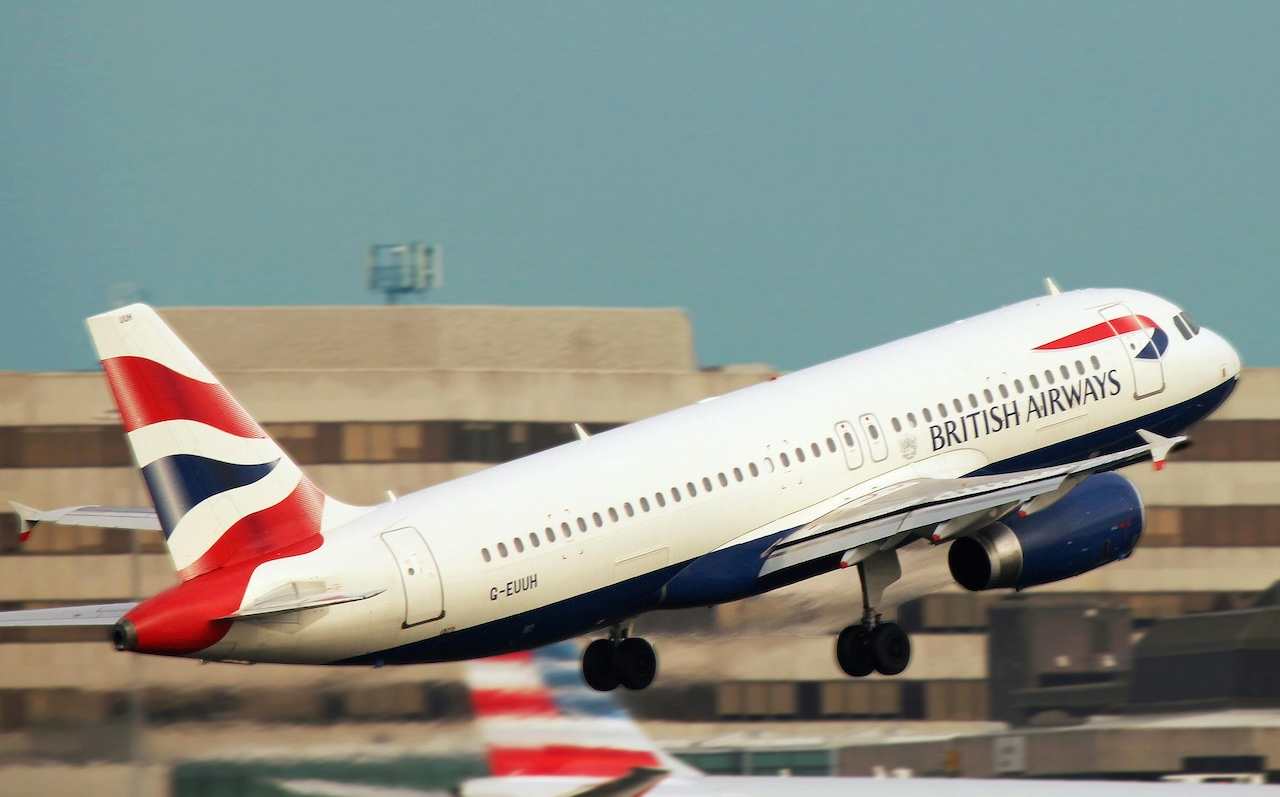
Passenger protections afforded by this regulation extend to Passengers traveling from any airport in the EU or u.k., based on the nature of their ticket purchase and regardless of which airline purchased their ticket. However, if a passenger arrives into the EU or u.k. On a flight originating from a foreign country, and the carrier operating that flight is not registered in the EU or u.k., then this regulation does not afford protections. A key example illustrates this point: if a traveler purchases a round-trip ticket from New York city to London on a u.s.-based carrier, the regulations described above would not apply. Conversely, if that same trip were booked on British Airways, it would be covered by the regulations.
Seeking flight cancellation compensation under this framework requires meeting two conditions: first, the event giving rise to the loss or inconvenience must fall within the scope of coverage established by this regulatory framework; second, the event must not be due to what this regulatory framework defines as “extraordinary Circumstances.” while both of these elements create potential areas of dispute between Passengers and airlines, and while there appears to be some agreement among airline counsel and other industry professionals regarding how courts should interpret these terms, the definition of “extraordinary Circumstances” creates perhaps the greatest area of dispute between Passengers and carriers.
How do carriers abuse extraordinary circumstances?
In addition to defining those situations that fall within the scope of coverage established by this regulatory framework, EC 261/2004 also establishes those categories of events that fall outside of coverage due to extraordinary Circumstances. The regulatory framework identifies several categories of events including: severe weather, security threats, political unrest, and air traffic control disruptions. What the regulatory framework explicitly excludes is technical failure. Despite this exclusion, however, many carriers assert that technical problems qualify as an excuse for failing to pay for disrupted travel. Courts have consistently rejected this assertion.
In Wallentin-Hermann v Alitalia (2008), the Court of Justice of the European Union held that technical difficulties encountered during routine maintenance procedures did not amount to an extraordinary circumstance unless they arose out of factors entirely beyond the control of an airline. Examples of such factors might include hidden manufacturing defects. Routine mechanical failures clearly do not. Technical malfunctions are repeatedly identified by airlines as justifications for denying compensation claims submitted by passengers. More frequently than not, however, these assertions fail to withstand judicial review.
Compensation amounts depend upon distances traveled. Passengers traveling shorter routes (i.e., less than 1,500 kilometers) receive compensation equal to €250 per passenger. Those traveling intermediate-length routes (i.e., greater than 1500 km and less than 3500 km) receive €400. Passengers traveling longer routes (i.e., greater than 3500 km) are entitled to compensation of €600 per passenger so long as their arrival times exceed their scheduled arrival times by more than four hours. These figures cannot be negotiated nor are they discretionary.
Gaps in implementation contribute directly to lost revenue for Passengers
Amongst numerous misconceptions associated with passenger protections, one involves notification prior to cancellation of flights. Where an airline cancels a flight and notifies a passenger fewer than fourteen days prior to the date originally set forth in the ticket for departure, and assuming no suitable replacement option was provided to the passenger within specified time limits, then the airline owes compensation to the passenger. The fourteen day period constitutes a strict limitation. Therefore, an airline that provides a passenger with notification thirteen days prior to departure shall be denied opportunity to avoid providing compensation by asserting that it provided sufficient advance notice.
Similarly, delays are addressed under the same regulatory framework although through a different mechanism. As stated previously in connection with sturgeon v condor (2009), Passengers whose flights arrive more than three hours past their scheduled arrival times are entitled to seek compensation equal to that available to Passengers whose flights are canceled pursuant to article 5(1)(a), absent evidence of extraordinary Circumstances. Many carriers fought against adoption of this interpretation for many years. Documentation constitutes another common area in which valid claims may fail. Passengers should maintain their boarding passes, confirmations of reservation or purchase related to their flight(s), and documentation related to communications sent by their respective carriers concerning disruptions experienced by them. Additionally, when notified by an airline representative concerning a disruption at the gate or check-in desk, note the explanation precisely as this information will serve as a factual foundation for your claim. Pursuant to articles 11 and 17 of EC 261/2004 and article 12 of UK261 respectively, airlines must notify Passengers of their rights at check-in or at the gate at the time of a disruption. Unfortunately, compliance varies widely.
Claims must be initiated directly with your airline. Under UK261, airlines are given 28 days to issue responses. Once an unsatisfactory response is received or no response is received from your airline within the allotted timeframe, you may submit your complaint to either an alternative dispute resolution (adr) body or an approved scheme for dispute resolution. two organizations – CEDR and Aviation ADR – currently represent the only two entities recognized by the United Kingdom as qualified bodies for resolving complaints arising from most airlines operating in England. Your local civil aviation authority maintains a current listing of which airlines operate under which body.
While navigating the formalised processes used to resolve disputes may appear arduous, identifying what you are owed is merely step one toward actually receiving compensation.
The editorial unit






















Facebook
Twitter
Instagram
YouTube
RSS