
“The way we watch has changed enormously, but the power of storytelling remains exactly the same”: Cécile Menoni on 65 years of the Monte-Carlo Television Festival
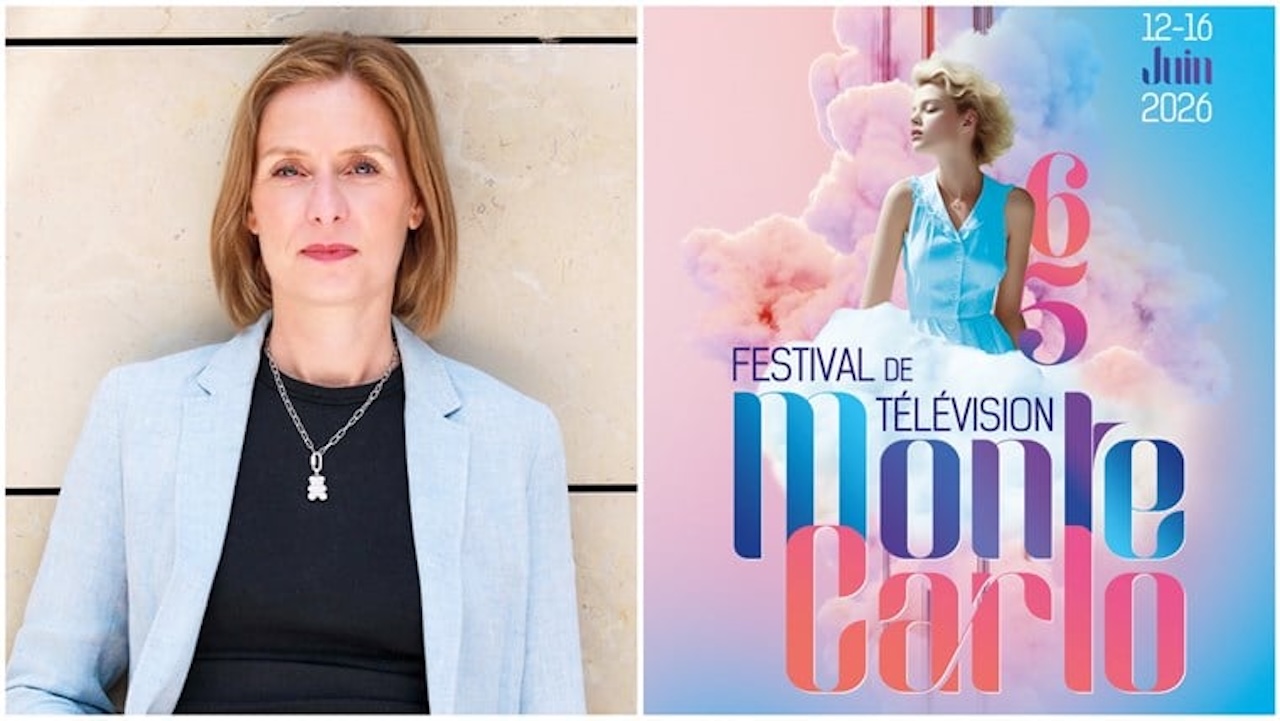


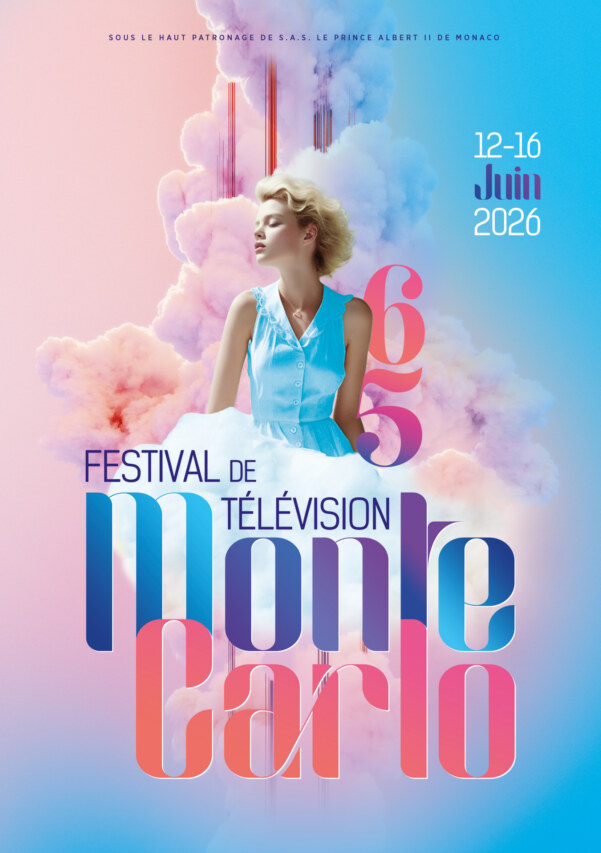
As we touch down in Monaco for our first-ever Monte-Carlo Television Festival, we are bursting with excitement to see what this eminent celebration of the small screen has to offer.
Often described as television’s answer to Cannes, the annual event is known for bringing together some of the biggest names on the small screen, from shows past and present, and from across the globe, and this year is no different. The Walking Dead stars Jeffrey Dean Morgan and Lauren Cohan are kicking things off with tonight’s premiere of The Walking Dead: Dead City, while the likes of Kristin Scott Thomas, Kurt Russell, Lesley Manville, Greg Daniels and Yasmin Finney will all be making appearances.
And although Monte-Carlo will no doubt be giving Cannes a run for its money on the glamour stakes, we’re also curious to delve into discussions about the medium itself, from how it’s evolved to what different viewing experiences can mean for creators and audiences.
Ahead of our first visit – as an official media partner, no less – we caught up with executive director Cécile Menoni to get the inside scoop on what to expect from this year’s edition. From opening with The Walking Dead: Dead City to celebrating 65 years of television history, she reflected on how the medium has changed, why festivals still matter in an age of on-demand viewing and the challenge of balancing television’s rich past with its future.
As the festival celebrates its 65th anniversary, you’ve had the chance to look back at decades of television history. Was there anything that struck you about how much the medium has changed – or perhaps how much has stayed the same?
What strikes me most is how much television has evolved technically and creatively, while keeping the same purpose at its core. We have moved from a world of scheduled programming to one of global platforms and on-demand viewing, but audiences are still looking for the same thing: great stories and characters that resonate emotionally. The way we watch has changed enormously, but the power of storytelling remains exactly the same.
Monte-Carlo occupies an unusual space between a public-facing festival and an industry event. How do you strike that balance without losing what makes each side special?
That balance is really part of the festival’s DNA. We want professionals to have a place where they can meet, exchange ideas and discuss the future of the industry, but we also want audiences to feel part of the experience. Television is ultimately created for viewers, so it’s important that the festival remains open and accessible. I think that combination is one of the reasons Monte-Carlo feels so unique.
We consume television very differently now than we did even a decade ago, often watching alone and on demand. Has that made festivals like Monte-Carlo more important as places where audiences and creators can come together around a shared experience?
Absolutely. We watch more content than ever before, but often in a very individual way. Festivals create those shared moments again. They allow audiences to meet the people behind the stories they love and give creators the opportunity to see firsthand how their work connects with viewers. There is something very special about experiencing that enthusiasm together.
This year’s programme mixes long-running television institutions with newer global hits such as The Walking Dead: Dead City. For a 65th anniversary edition, how important was it to reflect both where television has come from and where it’s heading?
It was very important. This anniversary is about celebrating television’s legacy, but also recognising its future. Opening with The Walking Dead: Dead City reflects the global impact of contemporary television, while the competition itself showcases a wide range of storytelling, from established creative voices to the next generation of talent and creators. That balance felt very natural for a 65th edition.
The festival now embraces everything from traditional broadcasters and streamers to digital creators and online-first content. Has your own idea of what “television” is changed over the years?
Yes, definitely. Today, audiences don’t necessarily think in terms of platforms or broadcasters anymore – they simply look for great content. The boundaries between television, streaming and digital storytelling have become much more fluid. That’s one of the reasons why we launched our first official Digital Competition this year. It reflects how storytelling continues to evolve while remaining part of the same creative ecosystem.
Kristin Scott Thomas and Kurt Russell are this year’s Crystal Nymph recipients. What was it about their careers that made them particularly fitting choices for this anniversary edition?
They both represent remarkable careers that have stood the test of time while continuing to evolve. Kristin Scott Thomas has built an extraordinary body of work across international film and television, while Kurt Russell has remained one of the most respected and beloved actors of his generation. They both embody excellence, longevity and a genuine connection with audiences, which makes them perfect choices for this anniversary year.
Looking at this year’s juries, there’s an interesting mix of experience and perspectives, from Lesley Manville and Greg Daniels to Yasmin Finney. How important is that balance between established voices and emerging talent?
It’s very important because it reflects the industry itself. Established figures bring experience, perspective and a deep understanding of storytelling, while younger voices often bring fresh ideas and different ways of looking at the world. Having both around the table creates richer conversations and, ultimately, stronger decisions.
The anniversary documentary revisits six decades of festival history. Was there a particular story, guest or moment that stood out to you while looking back through the archives?
There are so many incredible moments throughout the festival’s history that it’s difficult to choose just one. What stands out most is seeing how the festival has always managed to attract some of the biggest names in international television while remaining true to its original mission. Looking through the archives, you really get a sense of how closely the festival’s history is intertwined with the history of television itself.
Monte-Carlo has long had strong ties to American television, but we’re also living through a period where international series travel further than ever before. Are there any countries, regions or television industries producing particularly exciting work at the moment?
What’s exciting today is that great stories are coming from everywhere. We continue to see outstanding work from the United States and the United Kingdom, but countries like Spain, Italy, South Korea, Germany and many others are producing increasingly ambitious and internationally successful content. This year’s competition reflects that perfectly, with productions from across Europe and beyond competing at an incredibly high level.
Finally, after months of preparation, what are you personally most looking forward to once this year’s festival gets underway?
Honestly, seeing everything come to life. So much work happens behind the scenes throughout the year, and there’s always a special moment when the first guests arrive, the screenings begin and the festival starts buzzing with energy. Seeing audiences, talent, creators and industry professionals all together in Monaco is always incredibly rewarding. That’s when the festival truly comes alive.
Sarah Bradbury
Image: Courtesy of Monte-Carlo Television Festival
The 65th Monte-Carlo Television Festival takes place from 12th to 16th June 2026. For more information, visit the website here.
Read all our Monte-Carlo Television Festival 2026 coverage here.




Facebook
Twitter
Instagram
YouTube
RSS