
Irish log cabins: Traditional meets smart living
 29 June 2026
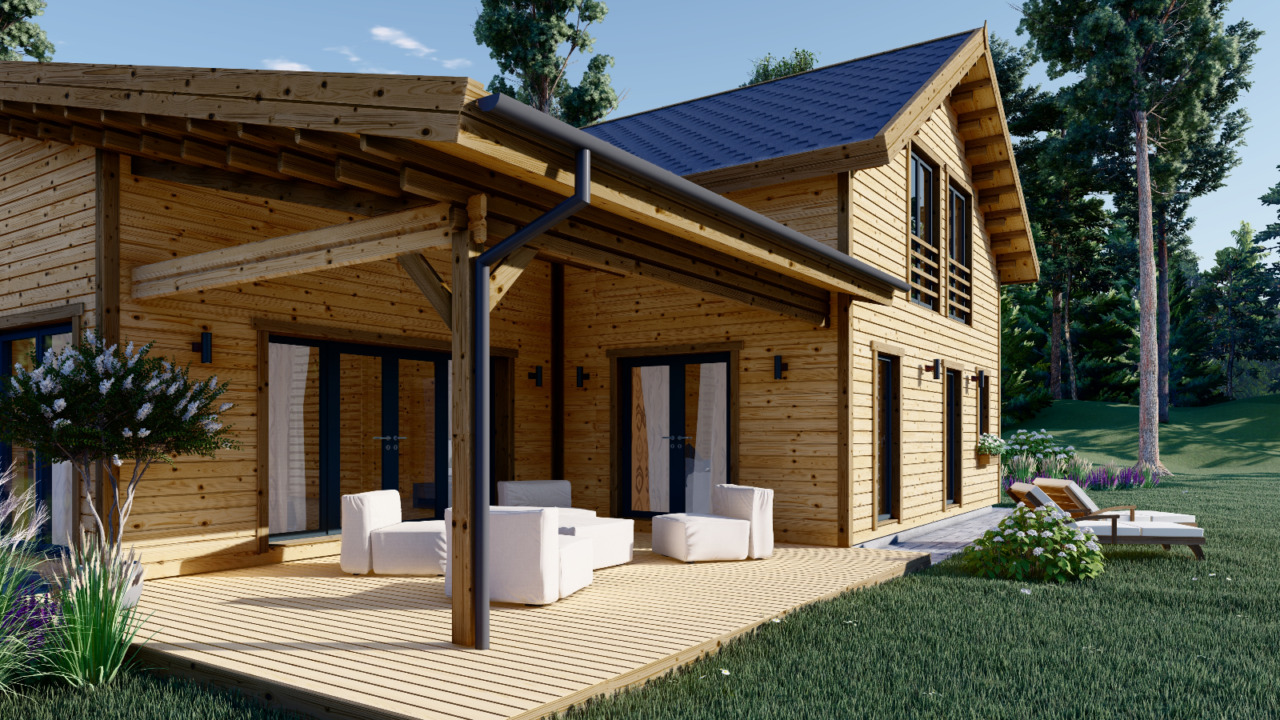
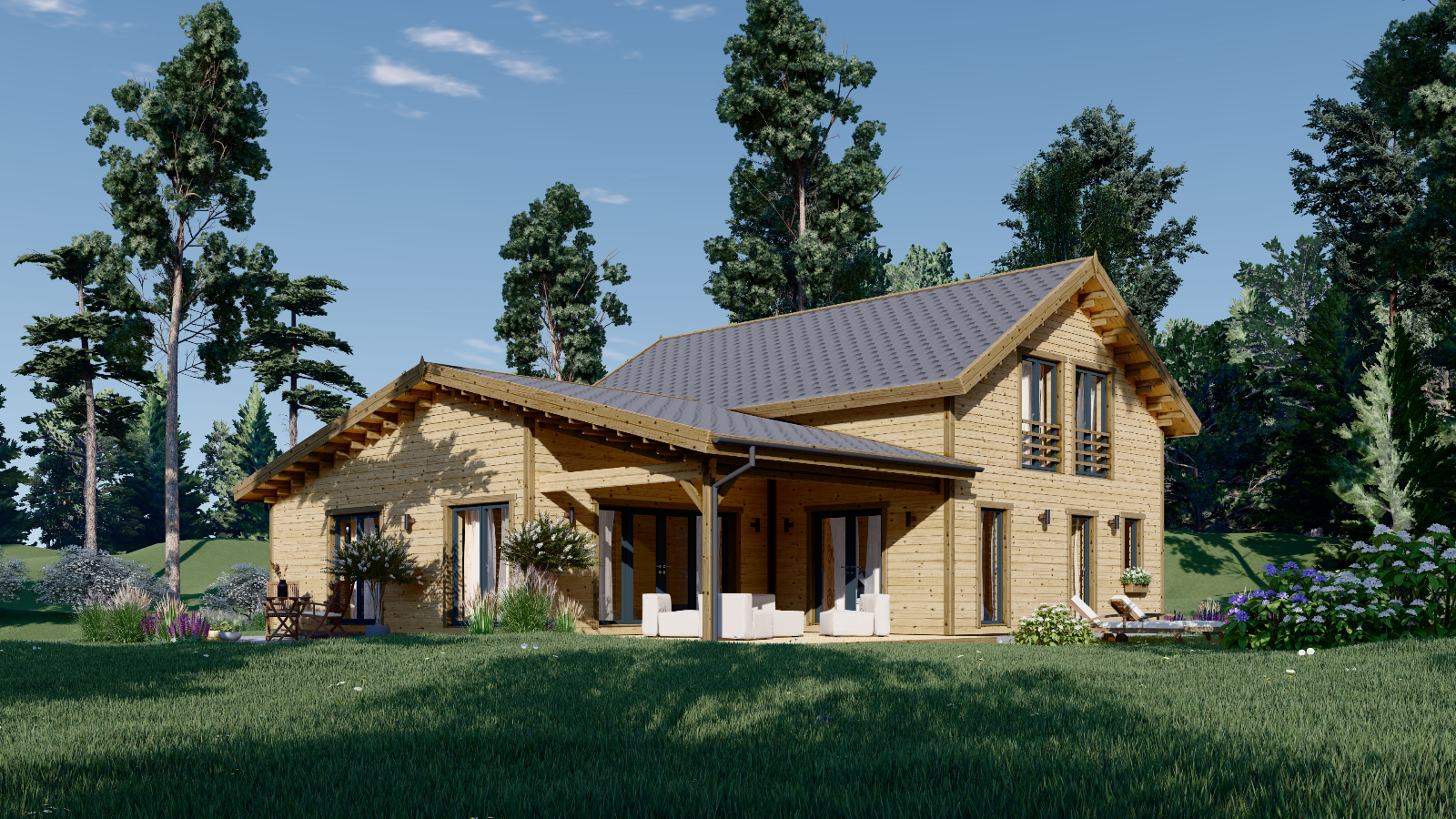
Irish log cabins are making a comeback, combining rustic charm with smart home automation technology to create sustainable modern living spaces. Timber structures that were once mainly popular as holiday homes are now becoming increasingly popular as primary residences. Irish homeowners and developers are increasingly opting for these structures as strong, energy-efficient, and high-tech solutions. This evolution has transformed the log cabin into a smart home adapted to Ireland’s climate and regulations in 2026. Modern Irish buyers appreciate log cabins due to their sustainability and the ability to incorporate smart features, from climate control to security systems. For those interested in exploring high-quality Irish log cabins, click here to discover more options designed for modern living.
The combination of smart construction and natural materials ensures that these homes blend harmoniously with nature while remaining intelligent enough to support everyday living. This provides significant advantages in terms of comfort, efficiency, and environmental impact.
What traditional Irish log cabin features endure?
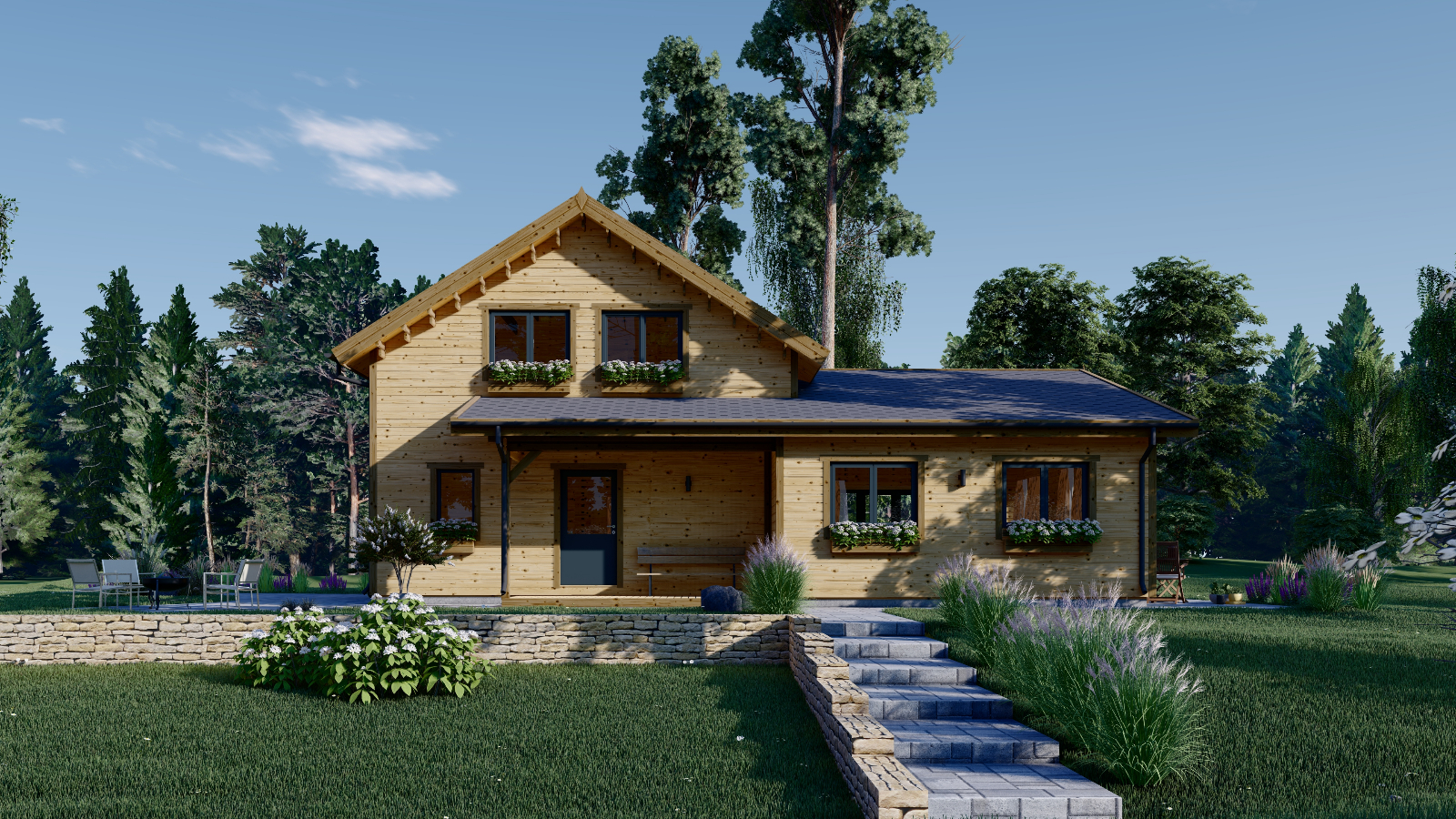
Traditional Irish log cabin construction prioritises weather conditions and temperature control. It also requires timber species that are best suited to Ireland’s climate. European larch, spruce, and Scots pine are preferred for their performance and aesthetics, with timber increasingly sourced from Irish forests where structural performance has remained strong over the last 40 years. Key traditional features include:
Interlocking Logs: The use of interlocking logs provides structural integrity and some insulation.
Dovetail Joints: Provide exceptional strength and create a tight seal against external elements.
Pitched Roofs: Essential for handling rainwater properly in the Irish climate.
Wide Eaves: Designed to maintain the logs as dry as possible, requiring minimal maintenance on the log walls.
Thermal Mass: Logs absorb and release heat gradually, helping to regulate indoor temperatures naturally.
These enduring features are crucial for meeting modern Irish building regulations, which emphasize energy efficiency and weather resilience. For instance, proper timber selection and traditional joinery contribute to the airtightness and thermal performance required for a high Building Energy Rating (BER).
How does smart living integrate into modern Irish log cabins?
Smart living integration in modern Irish log cabins focuses on enhancing comfort, energy efficiency, and security, directly addressing the challenges of Ireland’s climate and energy costs. The adoption of smart home technology in Ireland continues to grow, with many households embracing connected solutions in recent years. Essential smart systems for Irish cabins include optimized heating, energy monitoring, and robust security solutions. Popular smart home platforms like Google Home, Amazon Alexa, and Apple HomeKit are compatible with log cabin construction, offering centralized control. Installing smart features during the initial build is generally more cost-effective than retrofitting, as it allows for seamless integration of wiring and sensors. For example, a County Wicklow cabin that implemented automated climate control observed a significant reduction in heating costs, illustrating the tangible benefits of smart integration.
The 3-Zone Climate Control Framework for Irish log cabins
The 3-Zone Climate Control Framework is a proprietary approach developed for Irish log cabins, dividing the space into three separate climate zones supported by smart automation. This system is specially designed for Ireland’s damp climate, helping to maximise energy efficiency while reducing the risk of condensation problems.
Zone 1 (Living areas): Smart thermostats with integrated humidity sensors precisely control heating and ventilation in well-used spaces. These systems automatically adjust heating based on occupancy and external weather conditions, reducing energy waste while maintaining comfort.
Zone 2 (Sleeping areas): Automated ventilation systems designed to mitigate condensation and mould growth are particularly essential in bedrooms due to moisture from breathing. Heat Recovery Ventilation (HRV/MVHR) units and smart vents provide a continuous flow of fresh air with minimal heat loss.
Zone 3 (Utility spaces): Automated dehumidification and moisture monitoring systems help protect bathrooms, kitchens, and other utility spaces from excessive humidity. Automatic humidity-sensor smart exhaust fans activate when needed to help prevent moisture build-up.
This targeted approach ensures that each area of the log cabin maintains optimal conditions while reducing the risk of dampness and maintenance issues.
Cost analysis: Traditional vs smart-enabled Irish log cabins
The cost of building a log cabin in Ireland varies depending on its size, purpose, and level of smart integration. The starting price for a high-quality fully finished log cabin is approximately €1,000–€1,200/m² in 2026. A turnkey residential log house can cost €1,500–€2,000+/m². This compares favourably with standard residential construction costs in Ireland, which can range from €2,200–€3,000 per m². Smart features may cost more, but the returns can be well worth the investment. Smart thermostat systems can help reduce heating bills by 15–30%, potentially offsetting their cost within a few years. Irish banks provide financing options for sustainable projects. Irish banks offer energy upgrade loan schemes that can help fund sustainable improvements. These schemes can make smart-enabled buildings more affordable.
Conclusion: The future of Irish log cabin living
Irish log cabins that combine traditional craftsmanship with smart technology could be the answer to sustainable, comfortable living in 2026. They retain the age-old charm and natural benefits of timber while also providing climate-resilient and energy-efficient solutions to modern challenges. Irish homeowners and builders can invest in homes that are beautiful, connected to their surroundings, intelligent, efficient, and built to last. Future developments like integrated solar panels, rainwater harvesting and off-grid capability will further improve these smart log cabins’ self-sufficiency and environmental impact. Before starting any project, careful consideration of planning rules and regulations, timber choice for the Irish climate and smart system integration will help ensure a successful and rewarding outcome.
The editorial unit




















Facebook
Twitter
Instagram
YouTube
RSS