
Why modern people think luxury comes without maintenance
 2 July 2026
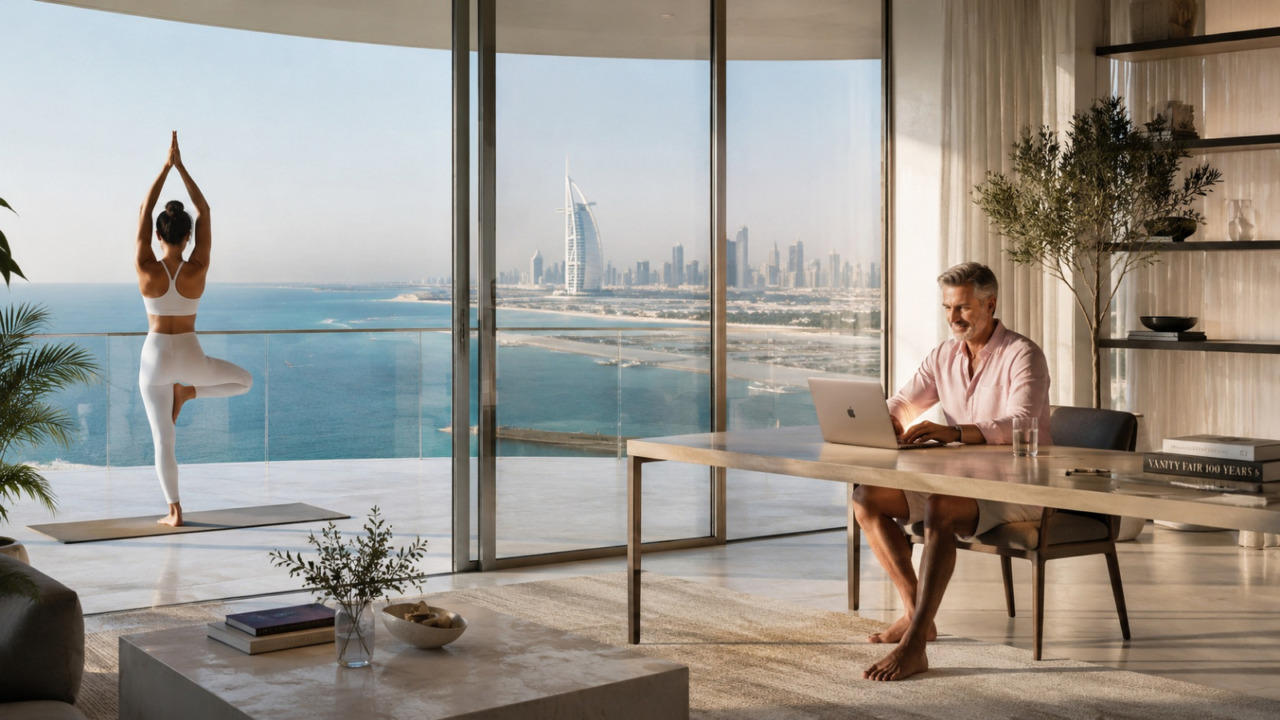
When luxury finally stopped requiring maintenance
About twenty years ago, success looked quite heavy. A heavy mansion. A heavy SUV. A heavy Swiss chronograph. And, preferably, a heavy oak table where the whole family gathered to discuss who forgot to pay the insurance on the second yacht again.
Today, everything has changed. And, surprisingly, it has changed for the better.
We live in a world where artificial intelligence writes emails faster than a secretary, a robot vacuum knows the apartment better than its owner, and a car parks itself while the driver chooses a playlist. It seems that humanity has finally realized a simple thought: if something doesn’t have to be maintained by you – let someone else do it.
That is why the modern successful person increasingly asks himself the question:
“If technologies free me from routine, why does my property create more of it?”
At some point, luxury unexpectedly stopped meaning the number of things. Now it means the quantity of things that do not require your participation.
Because ownership is almost always maintenance.
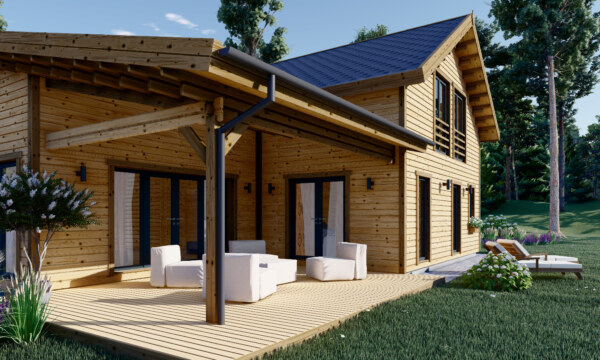
A house requires repairs. A car requires servicing. A yacht requires a crew, mooring, insurance and endless bills capable of ruining even the most beautiful sunset.
Sometimes it seems that the most expensive part of a yacht is not the engine at all, but the accountant.
Today, affluent people are buying fewer things – and more freedom. Marriage is no longer mandatory.
Not so long ago, the life scenario looked almost the same throughout the entire Western world.
- Get an education
- Find a job
- Get married
- Buy a house
- Have children
- Repeat the route of the parents
Modern life has neatly crossed out this checklist
According to Pew Research Center (2025), in the United States the share of people aged 30–40 who have never been married has grown to 38% (compared to 12% in 1980). In Germany this figure is approaching 35%, and in Scandinavia (Sweden, Norway) the average age of first marriage has already exceeded 34 years for men and 32 years for women.
And the reason is not at all that people have stopped loving. They have simply stopped rushing.
Previously, the main fear was to be left alone. Today, the main fear has become to choose the wrong person. And, to be honest, divorce statistics perfectly explain this caution.
Modern people are ready to search for compatibility for a long time, because divorce today costs significantly more than a wedding cake.
Who do they choose as companions today?
The modern successful person is looking not for the perfect partner, but for someone who makes life feel lighter.
A study by EliteSingles (2025) among people with an income above $150,000 per year showed that the main criteria became:
- intellectual compatibility – 71%
- emotional maturity – 68%
- coincidence of lifestyle and energy level – 64%
Money and social status have become secondary. Far more important is having someone by your side who brings peace rather than complexity, shares your values, and makes everyday life feel lighter.
Someone who doesn’t turn a text answered twenty minutes late into a United Nations summit.
That is why more and more people choose not drama, but compatibility.
It is no coincidence that the very idea of the access economy is gaining popularity. We rent yachts, use closed clubs, travel by subscription and more and more often choose services instead of ownership.
The same logic is gradually coming into the social sphere as well. People are beginning to value the quality of interaction above formal obligations. This idea is discussed in detail in the article Luxury Without Ownership: The Lifestyle of Modern Success, where modern luxury is considered not as ownership, but as freedom of choice.
And, perhaps, it is here that the main difference of the new generation lies.
It does not try to own everything. It tries to make sure that nothing owns it.
Where do they live if they can live anywhere
Previously, a successful person built one big house.
Today, a successful person more often opens an airline app.
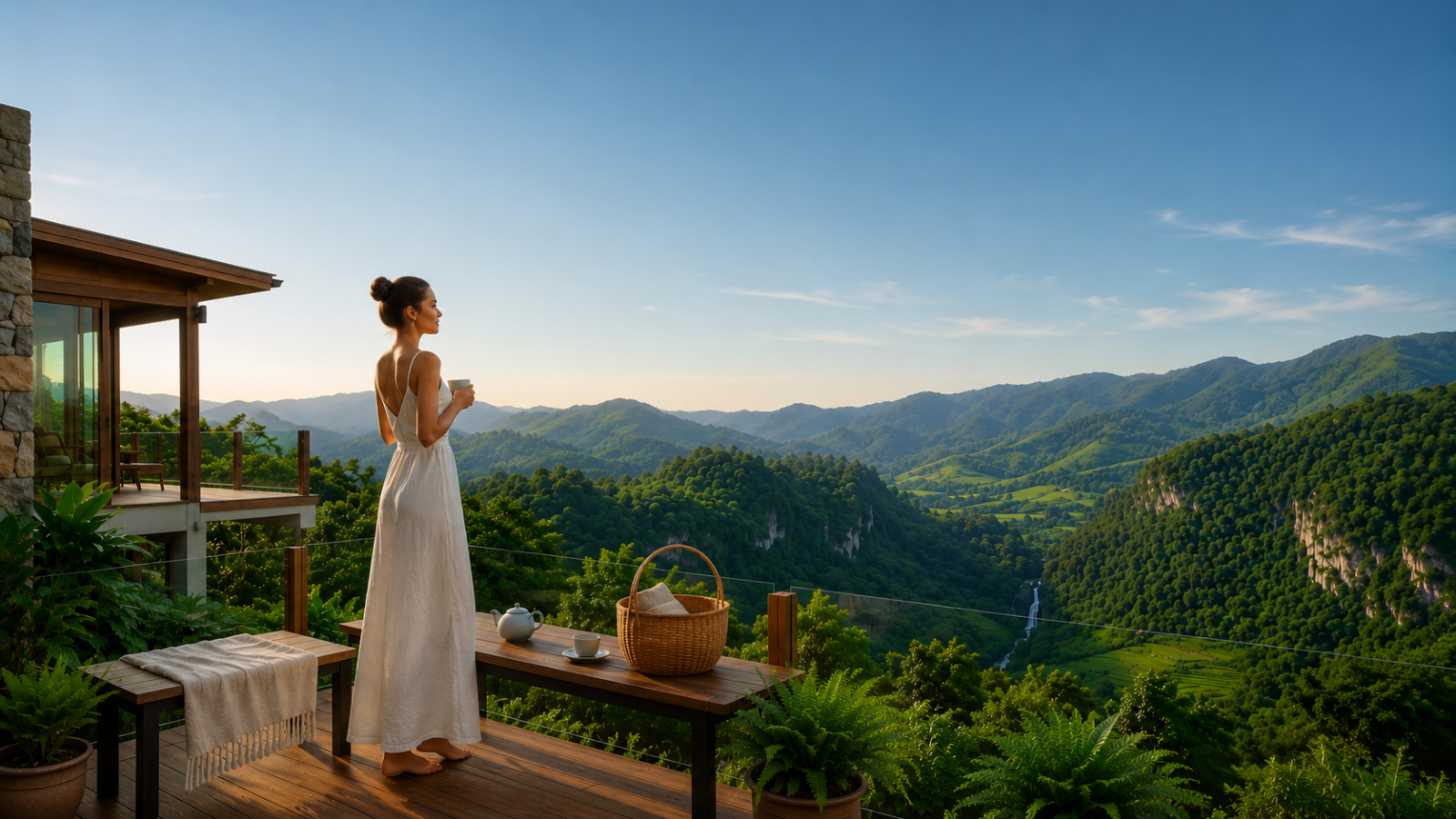
Work is no longer tied to one office. Money is no longer tied to one bank. And life is no longer tied to one address.
According to international studies, the number of high-income people who have more than one residence or regularly live between two countries continues to grow. Especially among entrepreneurs, investors and business owners.
They no longer ask:
“Where is my home?”
They ask:
“Where is it better for me to live right now?”
The most in-demand locations for those who have chosen “light luxury” are cities where you can quickly get everything you need and just as quickly give it up.
According to the Knight Frank Wealth Report 2025, Dubai, Singapore, London, Zurich, Lisbon and Miami are in the top among HNWI. Many live in two countries: 6–8 months in one, 4–6 in the other. Why tie yourself to one place if you can choose the best every season?
Nice and Lisbon have long become favorite cities for entrepreneurs who have understood a simple thing: if you can work with a sea view, why work with a parking lot view?
The house has gradually ceased to be a place. It has become a state.
Travel is no longer considered a vacation
Previously, people waited eleven months for two weeks of vacation.
Today, many successful professionals have stopped dividing life into work and rest altogether.
According to American Express Global Travel Trends, affluent travelers make an average of five to eight international trips per year, and young entrepreneurs increasingly combine work, rest and learning in one trip.
- Travel has become a new meeting room
- A new office
- A new university
- A place to recharge
Today you can have a business meeting in the morning in London, be in Milan in the evening, and work in Copenhagen two days later.
People travel to change their way of thinking. Because sometimes the best way to solve a problem is to look at it from a different time zone.
And let’s be honest.
Sometimes a ticket to Italy costs less than another week of fighting your own burnout
What do they invest in today
Once upon a time, the sign of success was a second car. Then – a second apartment.
Now more and more often – a second source of income. Modern capital has become surprisingly pragmatic. Yes, real estate remains popular. Yes, the stock market continues to attract investors.
But new categories of investments are appearing
According to UBS Billionaire Ambitions Report 2025, 58% of HNWI have increased spending on experiential luxury: private travel, wellness programs, exclusive events and personal companionship. Only 27% are actively buying additional real estate.
The fastest growing investment of recent years is one’s own productivity.
- People invest money in health
- In personalised medicine
- In biohacking
- In quality sleep
- In learning
- In artificial intelligence.
In services that save hours, and sometimes years of life.
After all, capital today is measured not only by annual percentages.
It is measured by the amount of free time.
It is no coincidence that more and more analysts say that the most scarce resource of the 21st century is not money at all.
But attention.
The main goal is no longer a billion
Perhaps this is the most unexpected change.
Fifty years ago, success meant accumulation.
Today, success more and more often means the opportunity to give up.
- Unnecessary meetings
- Meaningless purchases
- Toxic relationships
- The need to constantly maintain something
The modern person no longer dreams of becoming the owner of everything.
He dreams of being free enough to choose.
- When to work
- Where to live
- With whom to spend time
- When to turn off the phone.
That is why services that remove unnecessary complexity from life are gaining more and more value. This applies not only to travel, real estate or closed clubs, but also to human communication itself. BankModels is built on the same philosophy: fewer accidents, more compatibility, respect for time and quality interaction.
Long-term goals and values
The main goal of the new generation of successful people is not the maximum amount of property, but the maximum freedom and quality of life.
They want to wake up and not think about a leaking roof, property taxes, or a yacht that is standing in the port and requires constant investments. They want to choose. Every day. Without guilt and a huge list of “must-dos.”
That is why more and more people are turning to agencies like BankModels – not out of necessity, but out of a preference for doing things beautifully, safely, conveniently, and without unnecessary headaches.
The editorial unit

















Facebook
Twitter
Instagram
YouTube
RSS