
My Father’s Island


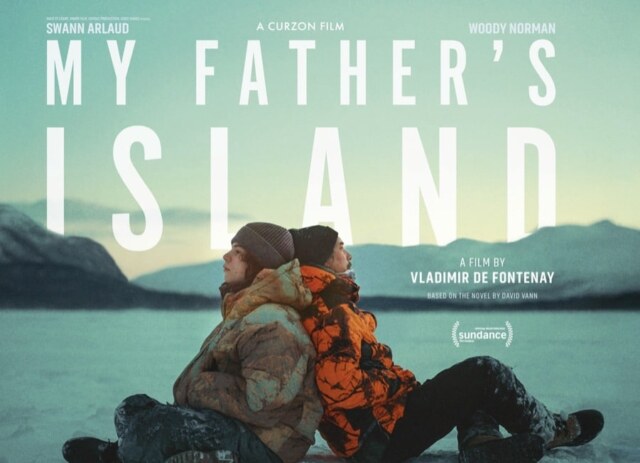
Ever since international audiences discovered Anatomy of a Fall, French actor Swann Arlaud has enjoyed a new level of global recognition and with it, an online fanbase that eagerly seeks out every new performance of his. Their enthusiasm is rewarded this year: Arlaud recently returned to Cannes with A Man of His Time (which won the Prize for Best Script), and mere months after the release of François Ozon’s The Stranger, his next project arrives in UK cinemas.
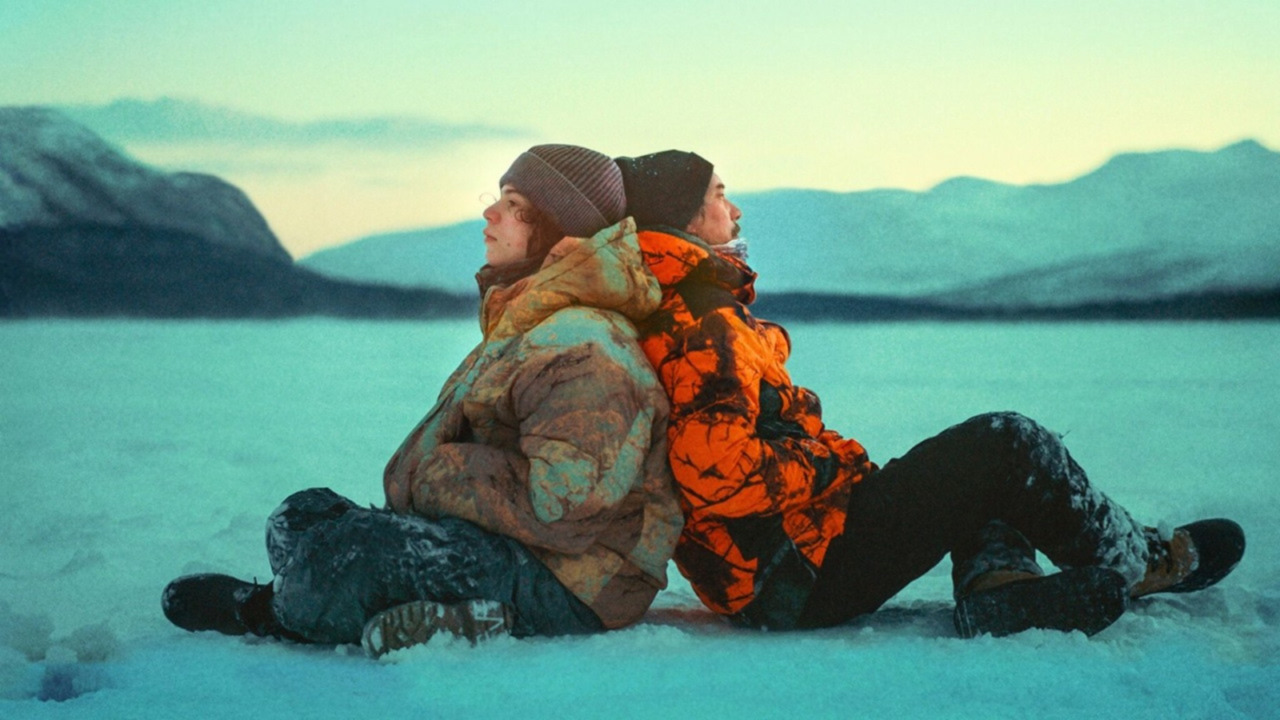
In My Father’s Island he plays the titular parent, who invites his estranged teenage son (C’mon C’mon‘s Woody Norman) to live with him on an uninhabited Norwegian island and return to “la vie sauvage”. As part of a male bonding exercise, the two are to live in a cabin off the grid, hunt their own food and weather the wilderness together.
Adapted from David Vann’s semi-autobiographical novella, the film reframes the author’s premise around a central twist – a choice that could potentially divide viewers, as it interferes with the story’s emotional complexity.
This particular genre of film built around retrospective understanding – an adult looking back on a formative childhood trip, only belatedly recognising the dysfunction they couldn’t see at the time – has become popular with Aftersun. Unlike Charlotte Wells, director Vladimir de Fontenay is not interested in subtlety or ambiguity regarding the father’s mental wellbeing. As such, certain scenes in which Arlaud is asked to oscillate from one extreme state of being to another can feel rather heavy-handed. For instance, it’s a difficult task for any actor to deliver a breakdown in composure over a phone call, where there is no reciprocal energy to feed off of, but doing so with overly simplistic dialogue that practically infantilises the character drains the scene of any impact it seeks to achieve.
In this harsh, isolated setting, trust is paramount. When the father’s instability places the son in real danger, the film starts to teeter on the edge of a survival thriller – an intriguing premise but slightly at odds with the reconciliatory nature of the rest of the film.
Set against the breathtaking landscapes of rural Norway and its uniquely radiant natural light, the feature never allows the scenery to overshadow its protagonists. The camera’s attention is kept squarely on the two men and how they navigate the spaces around them. Even the vastness of the outdoors can feel constricting amid their psychological distress.
There are a number of effective individual sequences in My Father’s Island: moments in which the fragile father-son relationship is observed with uncomfortable intimacy or scenes of unsettling atmospheric foreboding. But the film struggles to coalesce its competing impulses and rather timidly, defers its emotional payoff to the closing title cards. Beyond dedicated Arlaud completists, it is difficult to imagine this being a satisfactory viewing experience.
Selina Sondermann
My Father’s Island is released in select cinemas on 3rd July 2026.
Watch the trailer for My Father’s Island here:













Facebook
Twitter
Instagram
YouTube
RSS