
Why football remains the world’s biggest shared cultural event
 26 July 2026
On December 18, 2022, Argentina and France drew 3–3 after extra time before Argentina won the World Cup final 4–2 on penalties at Lusail Stadium. Lionel Messi scored twice, Kylian Mbappé had a hat trick, and FIFA later said about 1.42 billion people watched worldwide. Then everything seemed to pause. One player at the spot, a goalkeeper on the line, and a single whistle need no explanation, no matter where you’re watching.
One ball now fills 16 cities
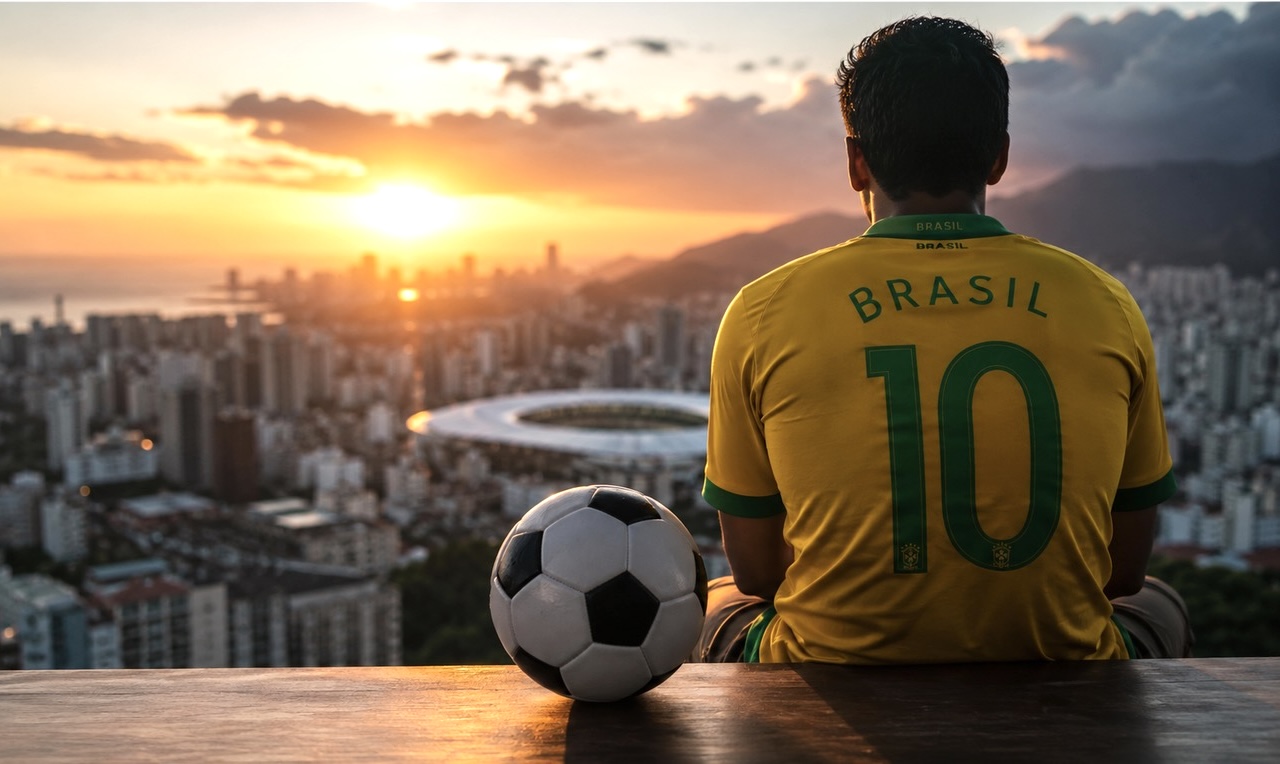
With the 2026 World Cup entering its final week, the sheer size of the tournament shows in the numbers: 48 teams, 104 matches, 16 host cities, and three countries. The final will be played on July 19 at New York New Jersey Stadium, wrapping up a competition spread across Canada, Mexico, and the United States. From Casablanca to Seoul, whether in crowded bars or group chats, football sets a shared moment on the calendar and gives millions the same 90 minutes to watch and make sense of together.
Anfield turned a corner into folklore
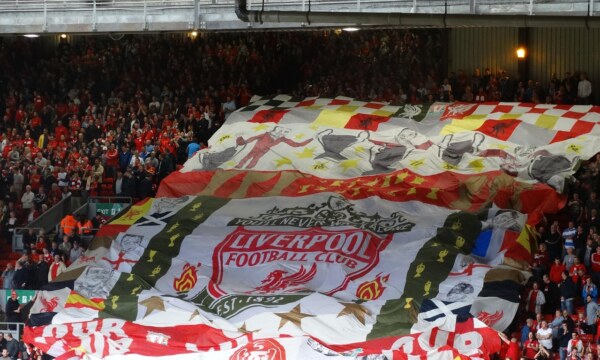
On May 7, 2019, Liverpool went into the second leg of their Champions League semifinal down 3–0 to Barcelona and somehow walked out of Anfield with a 4–0 win. Divock Origi scored the fourth in the 79th minute after Trent Alexander-Arnold spotted Barcelona switching off and took the corner quickly. It was a brief lapse, but it’s stuck in people’s minds ever since. Even fans who weren’t there can picture the ball’s path, Origi’s finish at the near post, and the noise that followed.
The match now lives on two screens
UEFA says about 2.7 million people went to Euro 2024 matches in Germany, and another 6.2 million visits were logged at 18 official fan zones. In the stands and in those fan areas, plenty of people were also glancing at sports (French: paris sportif) on their phones, checking lineups, shot maps, quick replay clips, live tables, and odds as the games played out. For a lot of adult fans now, odds sit alongside team sheets and expected-goals numbers as just another way of keeping track of what’s happening. Markets shift quickly after a red card, an injury, or a tactical change, such as dropping into a low block. A fixed bankroll and small stake remain practical controls because one deflection can erase a sound reading of 80 minutes.
New flags keep reaching the knockouts
The 2023 Women’s World Cup felt bigger than ever. Several countries made their first appearance, adding fresh energy to the competition. In the final at Stadium Australia, Spain narrowly beat England, with Olga Carmona scoring the only goal in front of a full crowd. Morocco, Jamaica, and South Africa all made it to the knockout rounds for the first time, while the Philippines and Zambia picked up their first-ever wins. Moments like these brought new faces, stories, and identities into the game’s growing history.
Morocco made one header carry a continent
Morocco beat Portugal 1-0 at Al Thumama Stadium on December 10, 2022, becoming the first African men’s team to reach a World Cup semifinal. Youssef En-Nesyri scored in the 42nd minute, but the result also rested on compact distances, protected central lanes, and disciplined recovery runs against Portugal’s possession. The scoreline said 1-0, but the reaction went far beyond that. In cafés and public squares, people felt the weight of the moment. That clean sheet turned into something families would talk about for years, not just in Morocco but across its diaspora and much of Africa.
The stadium fits inside a phone
Mobile coverage keeps a fixture active between the team announcement and the market’s final settlement. Live odds shift with what’s happening on the pitch, but on a small screen, it’s easy to miss the bookmaker’s margin, temporary suspensions, or the rules for abandoned matches and player props. On a phone, fans using the MelBet app can move between pre-match and in-play football markets while keeping an eye on stats and the live score.
The final whistle leaves evidence behind
Football is loved because its biggest games produce moments that are hard to forget. Argentina’s third goal at Lusail, Alexander-Arnold’s 79th-minute corner, and Morocco’s disciplined defending all get fans talking: were they down to careful planning, composure under pressure, or just a bit of luck? Those conversations don’t end when the match does. And when the next game kicks off, new lineups, tactical tweaks, refereeing calls, and set pieces give everyone something new to pick apart.
The editorial unit






















Facebook
Twitter
Instagram
YouTube
RSS