
When cinema takes a chance and how gaming culture took over the big screen
 25 July 2026
From the smooth heists in Ocean’s Eleven to Netflix’s latest gaming dramas, films set in luxury resorts never really disappeared.
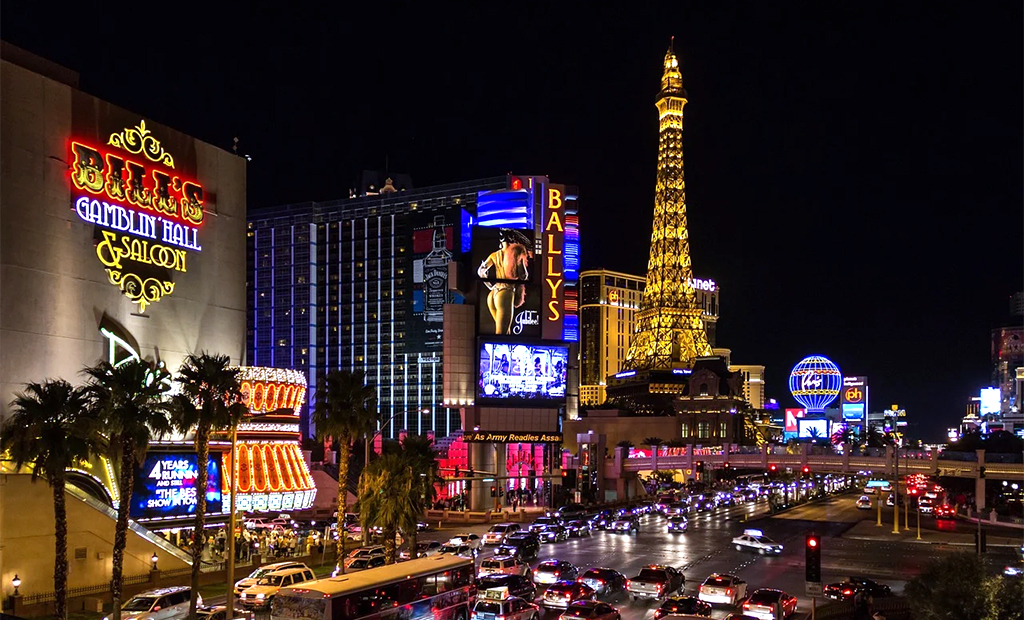
Visit a cinema at any point in the past 25 years and chances are, a card table, spinning wheel or smoky backroom contest will appear somewhere in the plot. Gaming and resort backdrops quietly became some of the most reliable settings for films: They feature in everything from crime thrillers and comedies to zombie action films. However, films do not use these venues in the same way as they did in the early 2000s, and that change reveals a great deal about what audiences expect from entertainment.
What it means for audiences
What is the direction of film themes? Mostly, audiences are becoming more selective, rather than bored. People still attend a strong franchise chapter or a sharp resort caper, but weak entries face criticism more quickly than before. There is now a greater appetite for stories that combine familiar settings with a personal twist: Perhaps it is the psychological collapse of a troubled player or a piece of social commentary within a modern horror film.
It is also worth noting how onscreen gaming culture reflects real-life habits. Many viewers who enjoy the tension of a strategic card game on screen become curious about experiencing something similar, and modern digital entertainment makes that possible from home. Numerous online gaming platforms and casinos online offer interactive titles, table-based experiences and live-hosted options designed to recreate the atmosphere of a luxury venue from a living room, providing excitement without travelling to major global entertainment destinations.
The Ocean’s Eleven effect
In 2001, Steven Soderbergh’s Ocean’s Eleven completely changed Hollywood’s portrayal of Las Vegas. The film moved away from the rough, crime-controlled city shown in earlier dramas and introduced tailored suits, precise heist plans and a cast so prominent that it effectively created its own genre. Ocean’s Eleven established the mood for the following decade: Luxury resorts became symbols of style, wit and teamwork, rather than simply danger.
The film produced two sequels and a wave of imitators, and its influence remains visible today. Warner Bros is reportedly developing a prequel about the original con artist couple who inspired Danny Ocean, set within a lively 1960s resort scene. Evidently, audiences still value this polished, organised approach to high-stakes drama.
From glamour to grit and back again
During the 2010s, the tone changed. Films such as Uncut Gems and The Card Counter returned gaming stories to darker territory, exploring obsession, personal decline and the consequences of pursuing one more thrill. These films are not about success, but about an inability to stop. That darker side of the genre has remained. In 2025, Netflix released Ballad of a Small Player, with Colin Farrell portraying a disgraced financier hiding in Macau’s luxury resorts while burdened by debts and his past. The film embraces the older idea of risk as a gradual disaster rather than glamour, and received a San Sebastián International Film Festival nomination after appearing on the festival circuit.
Notably, both styles, polished heists and bruising character studies, continue to be produced simultaneously. Audiences appear to value both the fantasy and the warning, sometimes within the same week.
Horror’s unlikely takeover
Meanwhile, while gaming-themed films maintained a steady presence, horror became the genre that significantly expanded its share of cinema audiences after the 2000s. Box office reports from Sherwood News indicate that horror increased from 9.8% of US ticket sales in 2024 to 12.1% in 2025, approaching the record 12.9% achieved in 2021.
Films such as Sinners, Weapons and The Conjuring: Last Rites demonstrated that original concepts and established franchises can succeed alongside one another, even during the same month. This indicates that genre trends are not always driven by one style replacing another, but often by which genres studios are currently prepared to support.
Superhero fatigue and the search for something new
By comparison, superhero films dominated the 2010s. For years, adding a cape and a sequel number to a film appeared to guarantee success. That is no longer the case. Experts quoted by Variety highlighted weaker performances from titles such as Thunderbolts and Kraven the Hunter, suggesting that audiences expect more than a comic-book label.
The same pattern appears across repeated sequels and reboots. Screen Rant reported that only one original film entered the 2025 box office top ten, demonstrating how heavily studios continue to depend on familiar intellectual property rather than new stories.
A genre that keeps reinventing itself
Gaming and entertainment films have remained prominent since the 2000s, moving between polished group capers and dark, personal stories while horror steadily gained box office strength and superhero films demonstrated that audience loyalty has limits.
The central lesson is that audiences reward craft and originality over familiar branding, regardless of the setting.
The editorial unit




















Facebook
Twitter
Instagram
YouTube
RSS