
How film, fashion and music keep borrowing from one another
 27 July 2026
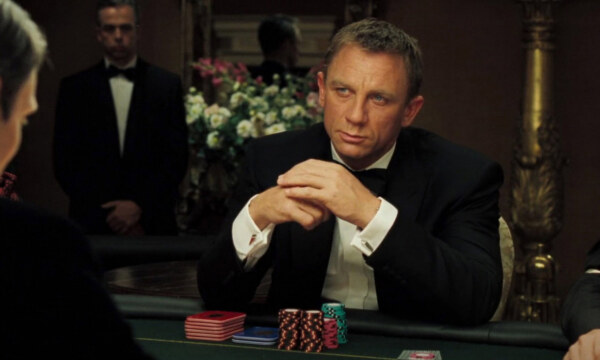
We often call an aesthetic “iconic” without asking a fairly obvious question: where did we actually learn to recognise it? Take casino glamour. You may never have sat at a roulette table in Monte Carlo, yet you already know the scene – or think you do. The clothes, the lighting and even the way people are supposed to behave arrived long before any real experience of the place. Cinema had already done the introductions.
Then the image began travelling and appearing on stages and in pop culture overall. This is how popular culture often operates: someone picks up a concept, other media make it a trend, and most people don’t even know much about the origin. But what if it is not the most interesting part? What makes certain aesthetics so tempting that culture keeps returning to them?
How a screen look becomes a trend
Why do we remember a character’s jacket years after the finer points of the plot have faded? The jacket absorbed something from the person who wore it. On a hanger, it was simply clothing. On screen, it became part of an entrance we remember.
That effect begins with costume design, where clothing helps establish a character before the dialogue has done much work. Occasionally, the audience wants to carry a little of that character beyond the cinema. From there, the process usually unfolds in four stages:
- The character claims the look. One memorable scene gives the outfit its attitude. From that moment, the two belong together in the viewer’s memory.
- The audience picks out a detail. Perhaps it is the jacket from that entrance. Soon, similar pieces begin appearing on mood boards and in search results.
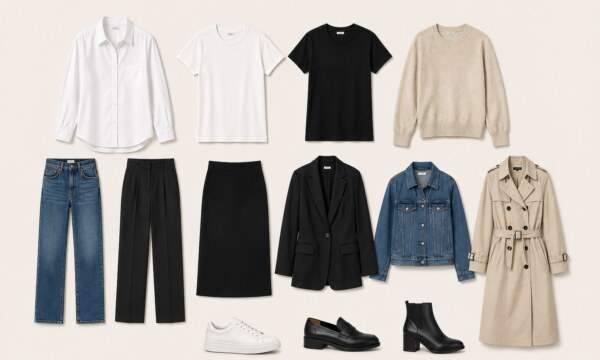
- Fashion adapts it for ordinary life. The exaggerated collar becomes the defining feature of an otherwise practical coat. Enough of the original survives to trigger recognition, while the piece itself fits comfortably into a weekday wardrobe.
- The connection grows distant. Shops fill with new versions, and the style finds an audience far beyond the film’s viewers. What began as part of a character now looks like the natural choice for the season.
Sometimes cinema starts this process. Sometimes it arrives just as an older style is ready to return and gives the revival a face. Either way, the screen provides something fashion can use: a reason to look at familiar clothes differently.
How culture reframed gaming
The gaming venue that appears in popular culture is a carefully edited version of the real place. Each medium takes the part it can use and leaves its own interpretation behind. What survives the journey? Usually, the details can tell a story before anyone explains the activity:
The film holds on to the tension. A challenge left unresolved can delay an answer for several seconds, giving the actors time to study one another. The activity becomes a conversation conducted through pauses. Fashion takes the dress code. Entertainment style offers a familiar kind of glamour: the wearer looks prepared for attention. Once removed from the venue, that attitude can carry an entire campaign.
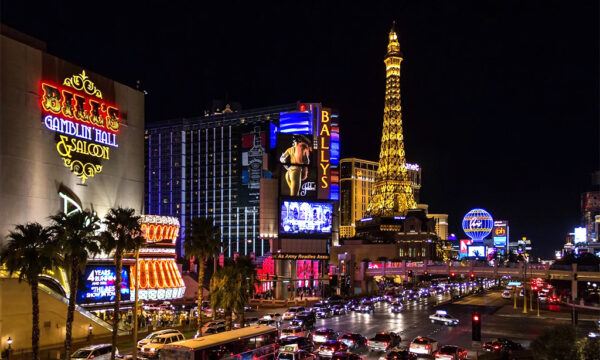
Music turns the setting into a measure of success. Las Vegas has become shorthand for reaching the point where the show grows larger than the performer. The entertainment backdrop makes that success visible. Digital platforms bring back participation. The audience moves from watching the action to interacting with it, while the imagery keeps the experience connected to the entertainment scenes people already recognise.
What changed when gaming moved online
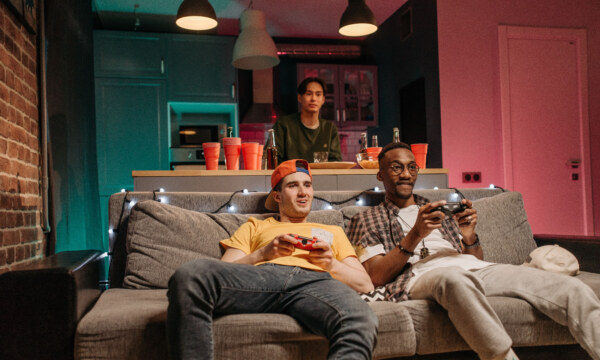
Smartphones created a new stage before the experience itself: choosing a platform. The grand entrance was replaced by search pages and comparison tools, giving services such as Platforms Analyzer a role in how users approach the experience. Among the offer categories covered by such resources are sign-up rewards with no initial deposit, along with practical information about the terms attached to them.
When fashion becomes part of the performance
At what point does a film-inspired outfit become ordinary clothing? Usually, the answer depends on who wears it next. Take the tailored evening look associated with casino films. On screen, it belongs to a particular character and a high-stakes scene. Place the same idea in a fashion shoot, and the wearer gets to decide what that confidence means.
Aotearoa New Zealand offers a more interesting example of this exchange than any neat theory could. The Auckland collective Pacific Sisters brought fashion together with performance, music and film while expressing Māori and Pacific identities. Their work drew its force from that combination. Clothing became something to perform in and communicate through, with each creative form adding to the others.
That example also changes how we think about borrowing. A recognisable aesthetic may provide the starting point, but the next wearer can take it somewhere highly personal. Casino tailoring can suggest control in a film and become playful in a music video. In the hands of a local creative community, a reference can gain an entirely different cultural purpose. Fashion participates in the conversation by putting the image on a real body and asking a simple question: Who does it belong to now?
When viewers take over
Who turns an on-screen outfit into a trend? Quite often, it is the viewer who spots one usable detail and decides to copy it. An elaborate costume might inspire a search for a similar jacket in a vintage shop. Once that jacket appears in an everyday outfit, the original reference has already been edited into something easier to wear.
Social media lets us watch this editing happen almost in real time. A recognisable look appears on screen, and within days, people begin rebuilding it with the clothes they can find. Their versions reveal which detail caught the public imagination. Fashion brands eventually respond to the same signal, but the audience has already done the creative work: it chose the part worth repeating and found a place for it beyond the screen.
Why music videos make a look memorable
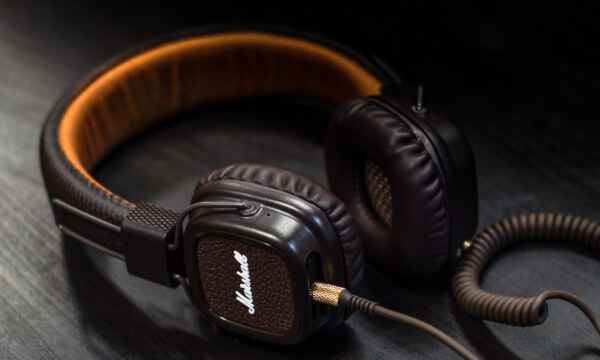
A music video has only a few minutes to connect a song with a visual world. That limit encourages strong choices. Colours, looks, and outfits are what make a video more memorable and make us connect with certain clothing designs.
Consider Lorde’s Green Light: her magenta dress remains the brightest point as she moves through the night, which makes it easy for the eye to follow. Same thing with Twenty One Pilots: their black clothes and red hats became a massive trend 10 years ago, as well as yellow trench coats later in 2019. This is how music can change your wardrobe: artists don’t make fashion statements, but they do inspire trends.
Music videos show how quickly an existing reference can acquire a new owner. We may recognise a casino-inspired suit because film taught us what it represents, but the performer decides how we read it this time. That is the exchange linking this entire story. One creative work gives us a familiar image, and the next gives us a fresh reason to remember it. When the borrowing works, both versions remain visible – and perhaps that is exactly what makes us look twice.
The editorial unit









Facebook
Twitter
Instagram
YouTube
RSS