
For Colored Girls Who Have Considered Suicide / When the Rainbow Is Enuf at Yard Theatre
 10 September 2026
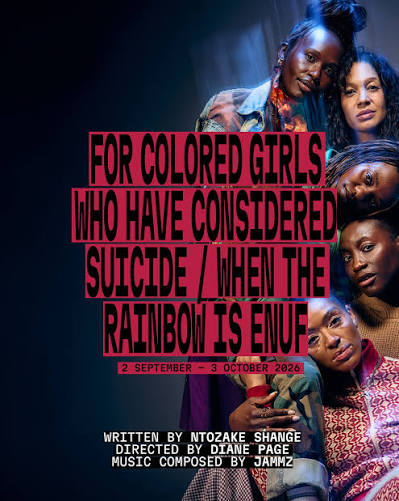
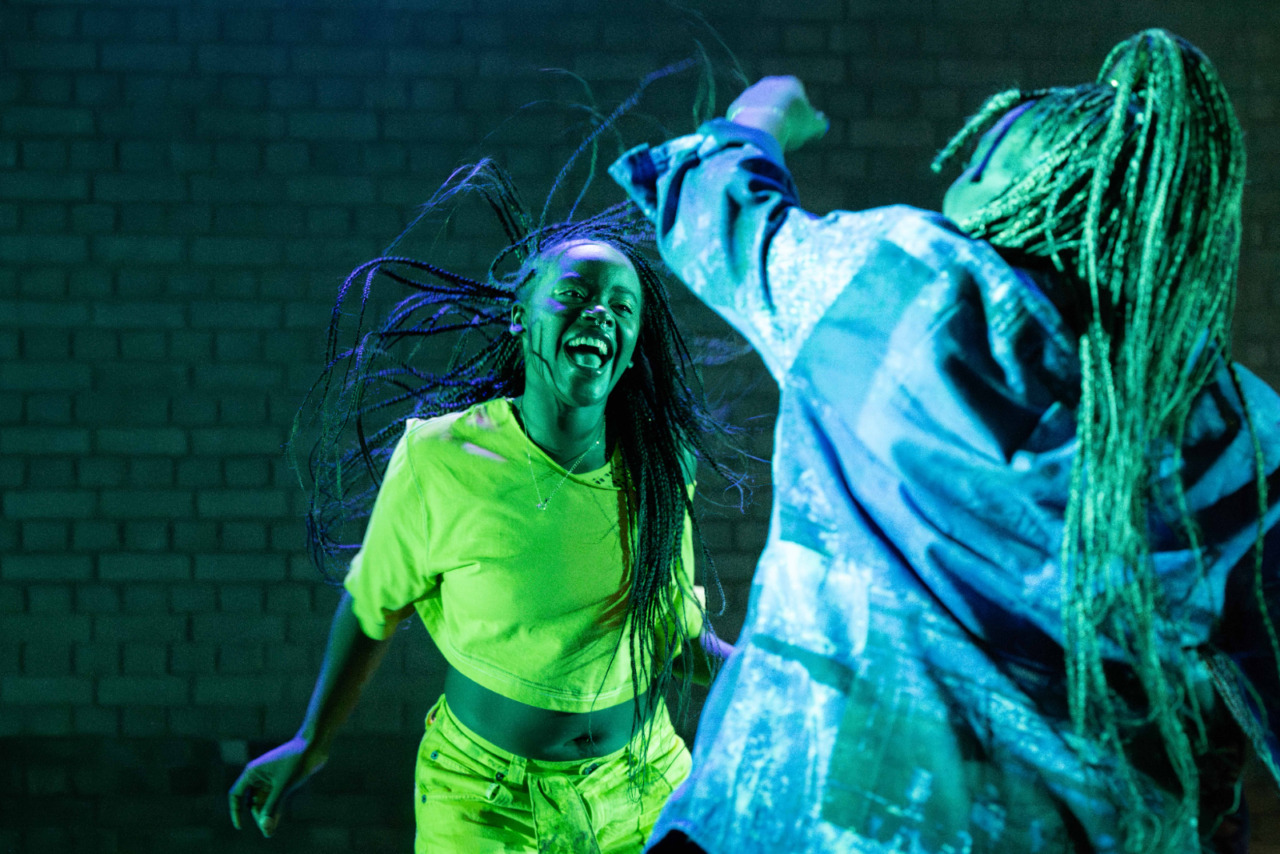
50 years since its Broadway premiere, For Colored Girls Who Have Considered Suicide / When the Rainbow Is Enuf has opened at the Yard Theatre in Hackney, London. Written by Ntozake Shange, the show is her seminal choreopoem, following the stories of several women whose tumultuous lives have led them to and through graphic, painful moments. It covers the topics of rape and sexual violence, domestic violence, abortion, drug use, infanticide and suicide. Still, the women also embody love (of self and other) and the rebirth that can come from trauma. They are flirtatious, dancing women who are poised to reclaim themselves. It immediately feels like a work whose comprehension of Black womanhood crosses borders, even when its references don’t always travel as easily. For readers less familiar with Black theatre, some background on the cultural meaning of choreopoems might help one to appreciate the show more.
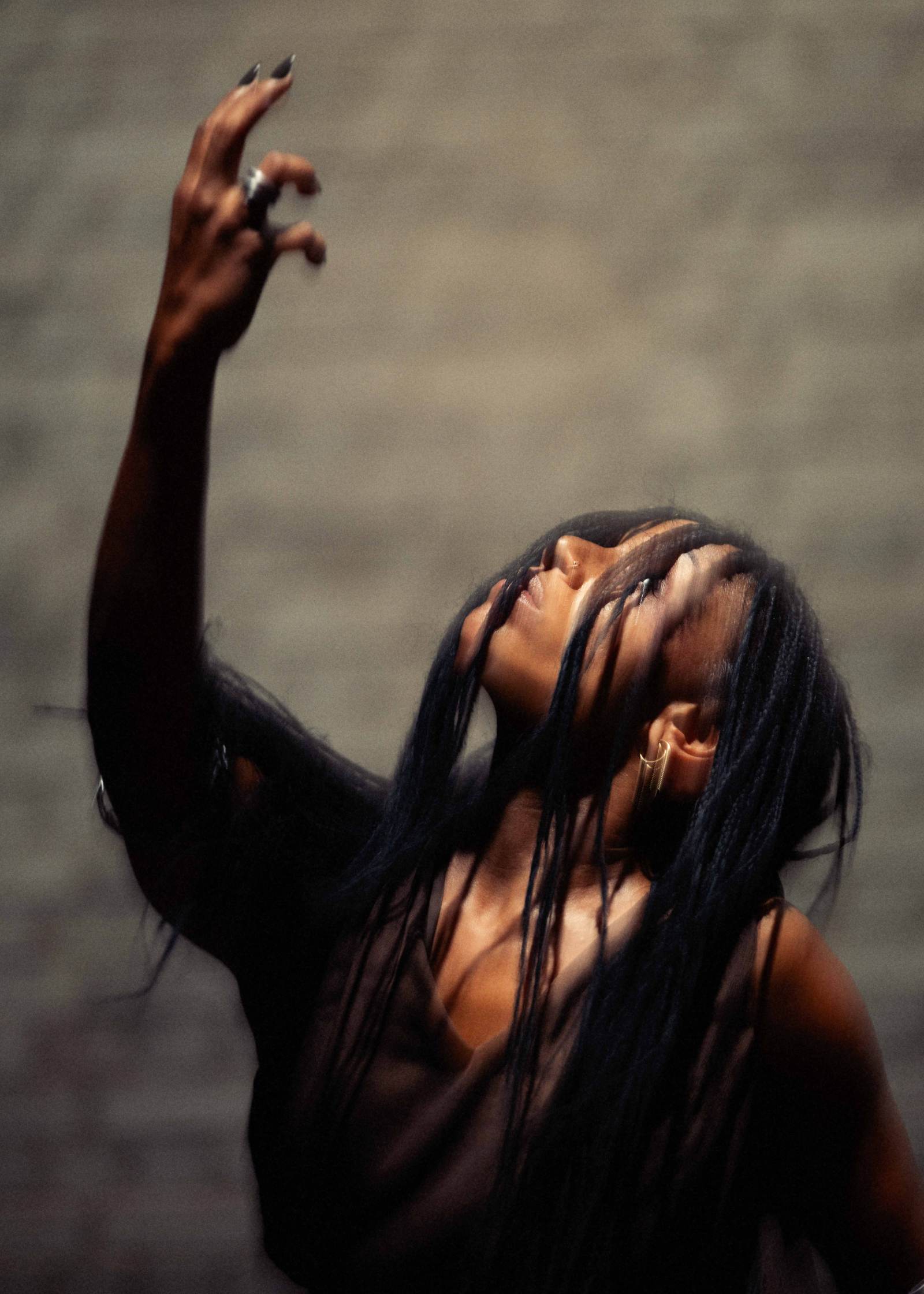
For Colored Girls begins with “Lady in Brown” (Ibilola Rossi) reciting a monologue about being a Black girl and the trials and tribulations that come with trying to squeeze into the peg hole that doesn’t quite fit the shape or life of a Black woman. This powerful movement sequence and monologue draw audiences into the narrative on the verge of unfolding: a safe place for these women of colour to bear witness to the sorrows that have led them to the brink, and the stories that made them who they are. The cast’s dynamic in these opening sequences is fundamental to the show, and they achieve a unity in their differences that makes these movement passages so effective.
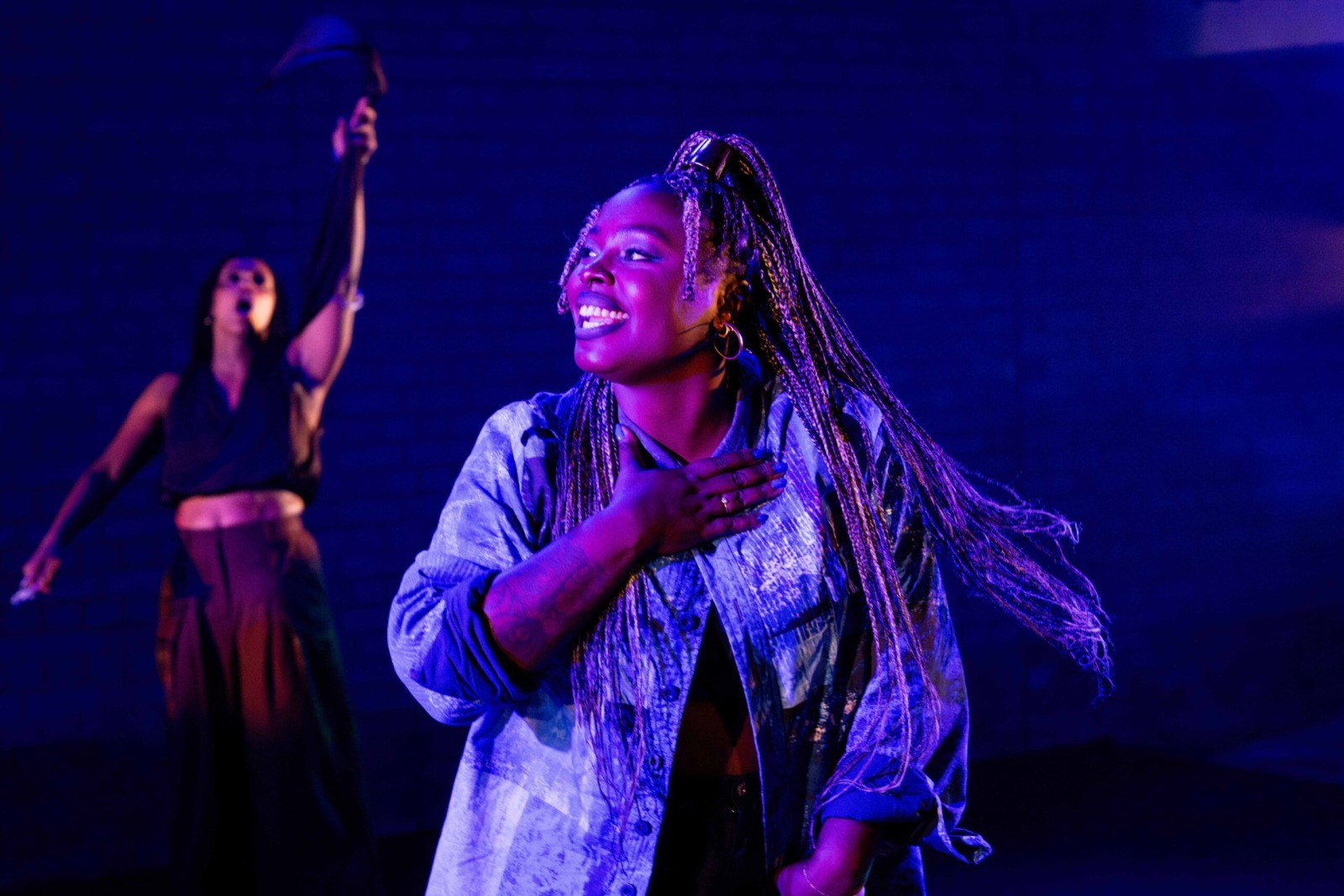
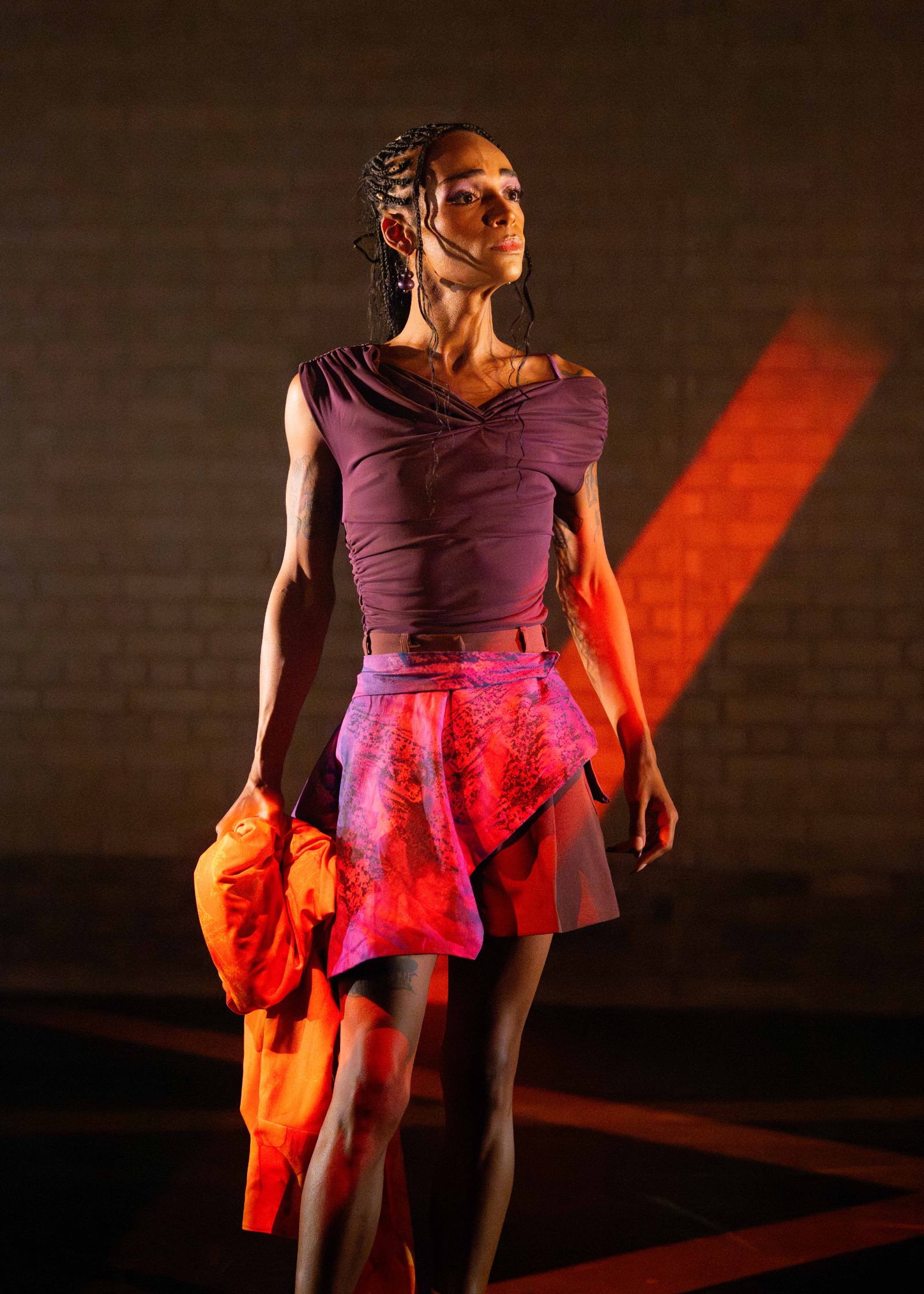
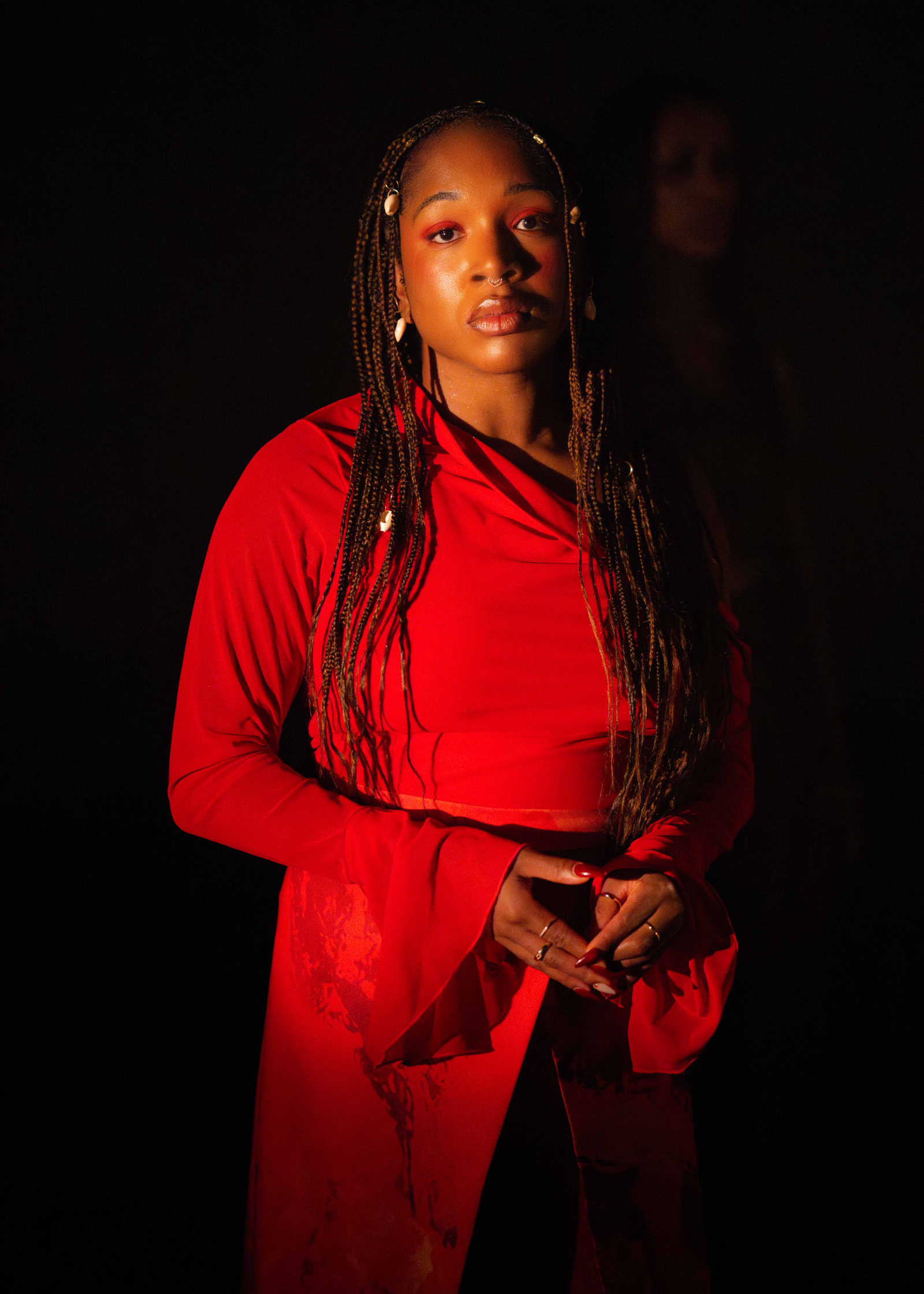
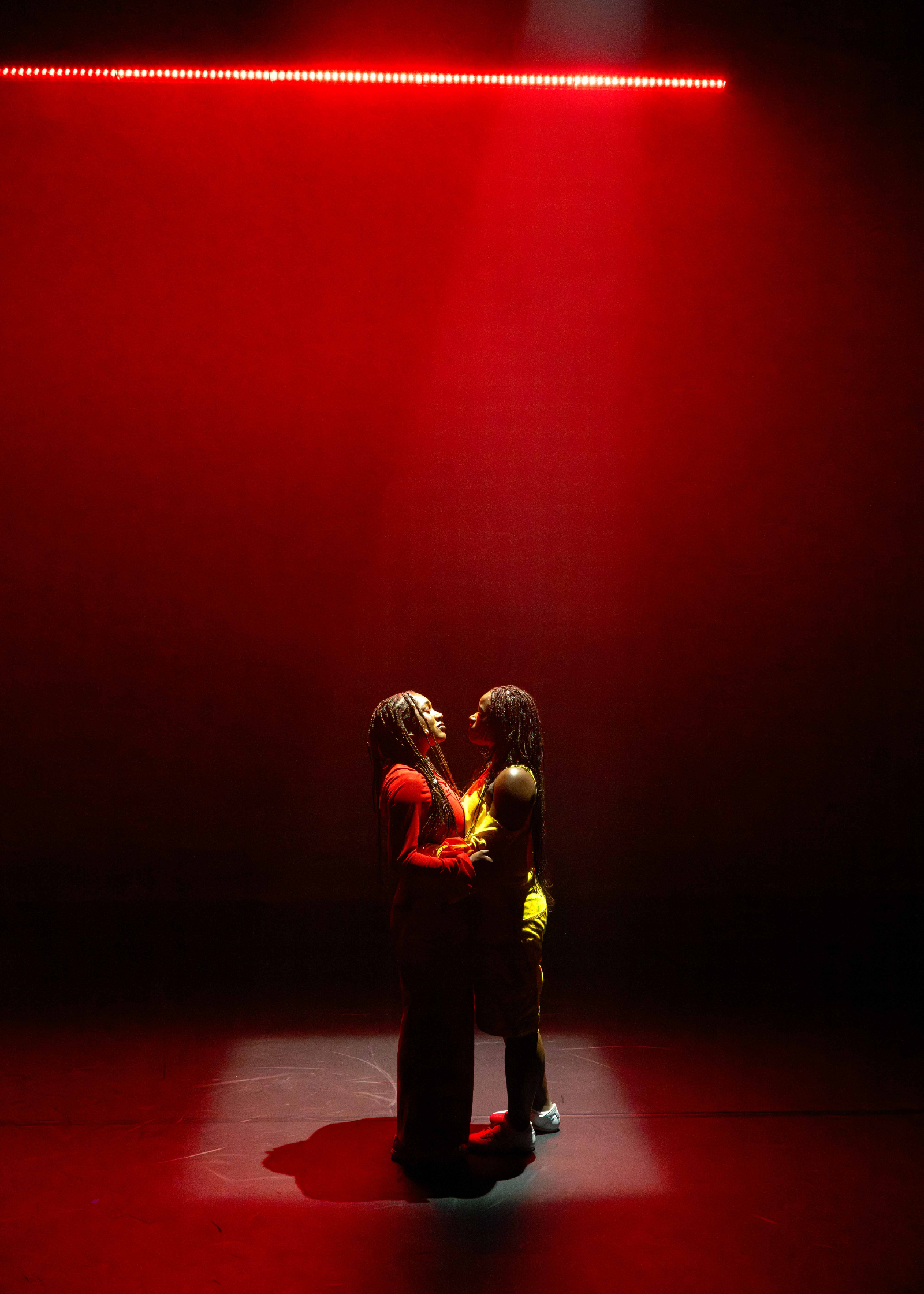
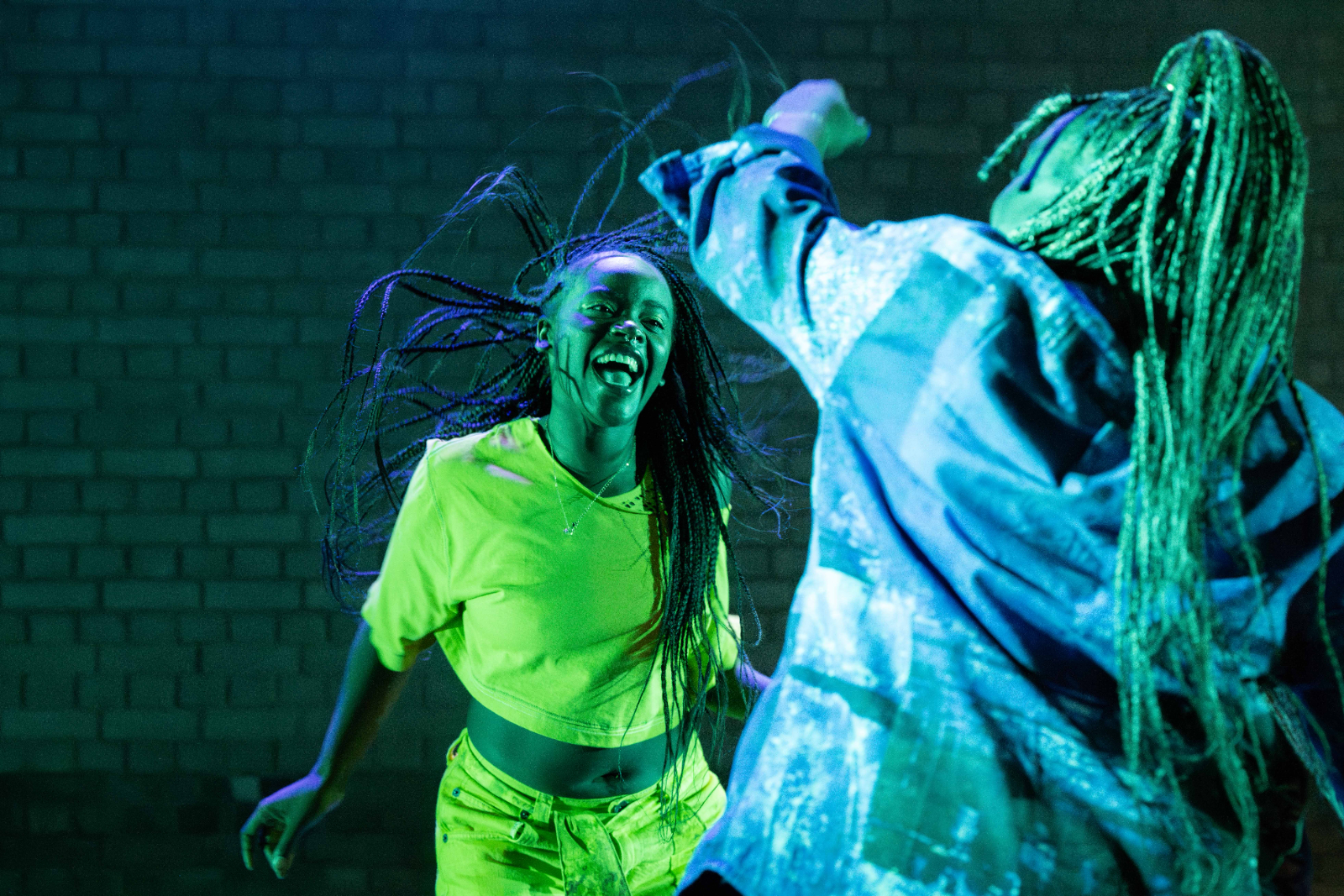
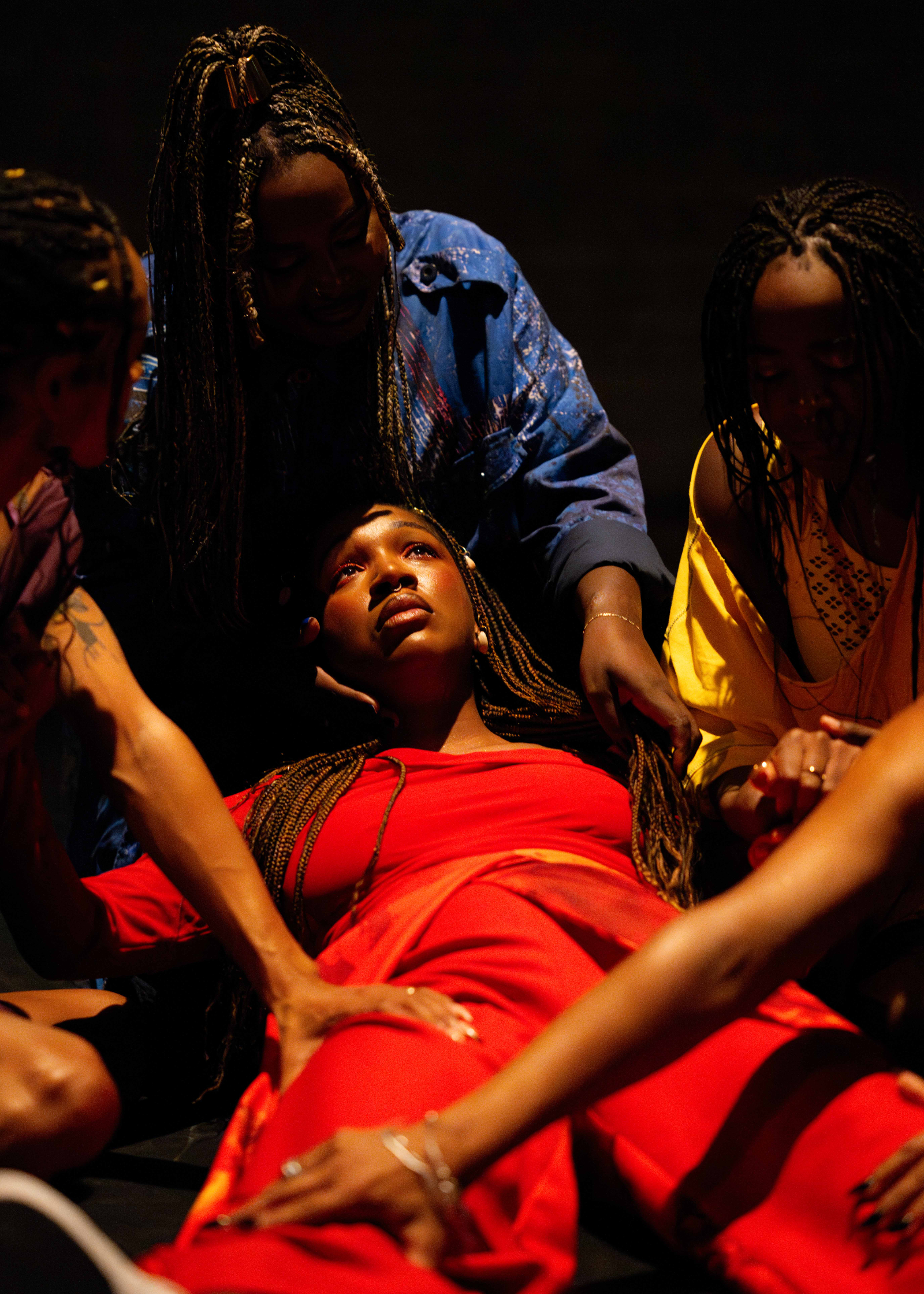
What ensues is an hour-and-a-half exploration of beauty in pain, and of some very difficult topics in a way that made it safe for all who were watching, especially the women of colour in the audience and on stage. “Lady in Blue” (Nadine Higgin) was simply sensational. Her raw, soulful voice carried every story she told into the hearts of those watching. Cherrelle Skeete’s “Lady in Red” is the production’s emotional rupture. She lets the horror of her material emerge through unnerving control that eventually gives way. Her performance was the most shattering of the evening, moving from composure to devastation with such force that the room seemed to contract around her. Tatenda Matshvai’s “Lady in Yellow” brings a very different electricity to the show. Her almost buoyant, comical assurance makes her character’s vulnerability considerably more impactful. Her joy becomes not simply a pause between different traumas, but an essential part of the woman she is revealing. She begins quite girlish, but by the end, what Shange conveys through “Lady in Yellow” becomes apparent, and her body finds the rhythm well before the words land.
At times, Diane Page’s production trusts the text’s cultural context to carry itself, which may leave some references feeling distant and encourage the audience to appreciate the depth of these instances. The transitions between scenes can occasionally feel uncomfortable, as viewers aren’t always given enough time to process what just happened on stage before moving on to the next scene. However, this rapid pacing reflects the unrelenting nature of the Black female struggle depicted, and understanding this approach, which strives to capture viewers in the ongoing emotional journey, can enhance appreciation of the show’s design.
In this piece, the joy the women manage to hold on to despite the painful experiences they have been through becomes an act of survival, a protest to the rhetoric that they are meant to suffer. Their affirmation, “I found God in myself, and I love her, I love her fiercely,” becomes almost a rebellious chant that permeates the audience and stays with the viewer long after the show ends.
Natallia Pearmain
Photos: Camilla Greenwell
for colored girls who have considered suicide / when the rainbow is enuf is at Yard Theatre from 2nd September until 17th October 2026. For further information or to book, visit the theatre’s website here.















Facebook
Twitter
Instagram
YouTube
RSS