Nero at Southwark Playhouse
Endearingly ambitious
Creator Steven Sater traces the inception of his and composer Duncan Sheik’s wilfully garish, perpetually in-development historical musical spectacular Nero to 1st May 2003 and the beginning of US occupation in Iraq, inspired by the contemporary resonances while, according to Sater and Sheik, not beholden to them. Through a 2004 workshop at Cornell University and an official 2006 launch at San Francisco’s Magic Theatre, the creators remained adamant that their creation was a play with songs (around six total, to be exact) rather than a full-fledged musical. “We’ve been musicaled out a little bit”, Sheik declared, perhaps alluding to the storm on the horizon that was Spring Awakening, the Broadway smash that would net them four Tonys and two Grammys between themselves. Plus, for Sheik, the core appeal of the project’s music was that it didn’t play by musical rules. Their unashamed showboat of a protagonist would have cause to sing on occasions of note (this is the emperor who ostensibly fiddled as Rome burned, after all), freeing the music until what’s there is “not an artificial construction of people breaking into song for no reason”. Naturally, come its next iteration in two New York workshops (one featuring Idina Menzel and Lea Michele amongst the cast), Nero had reneged on this statement of intent and was attempting a full leap into musical theatredom, where it would stay over the years-long creative freeze to follow.
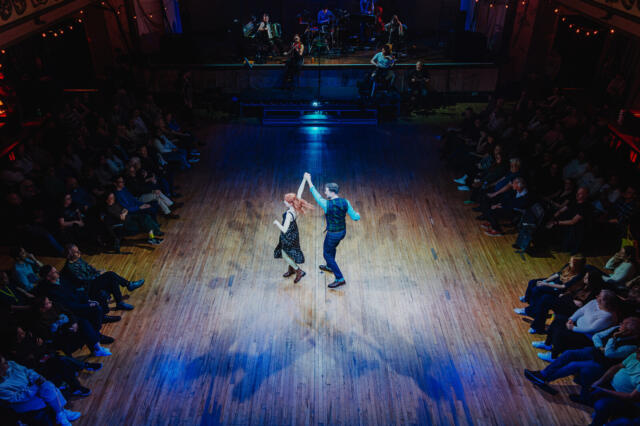
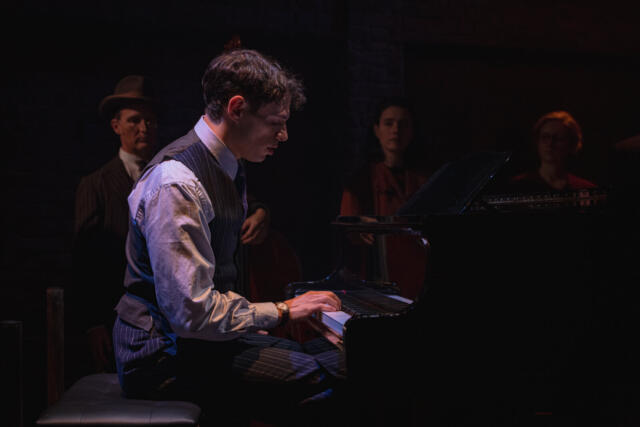
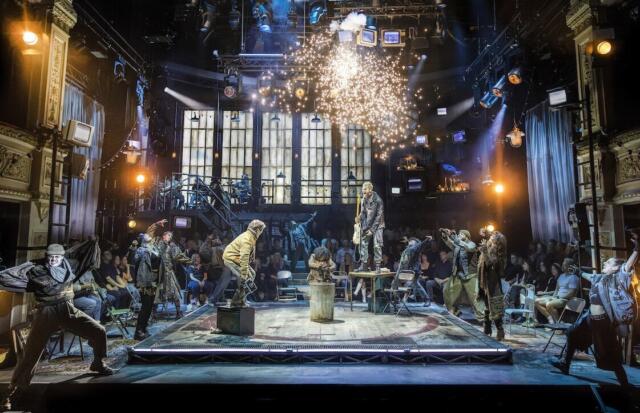
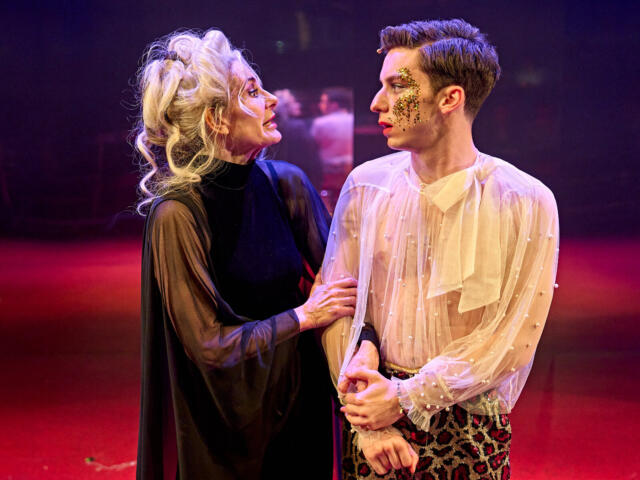
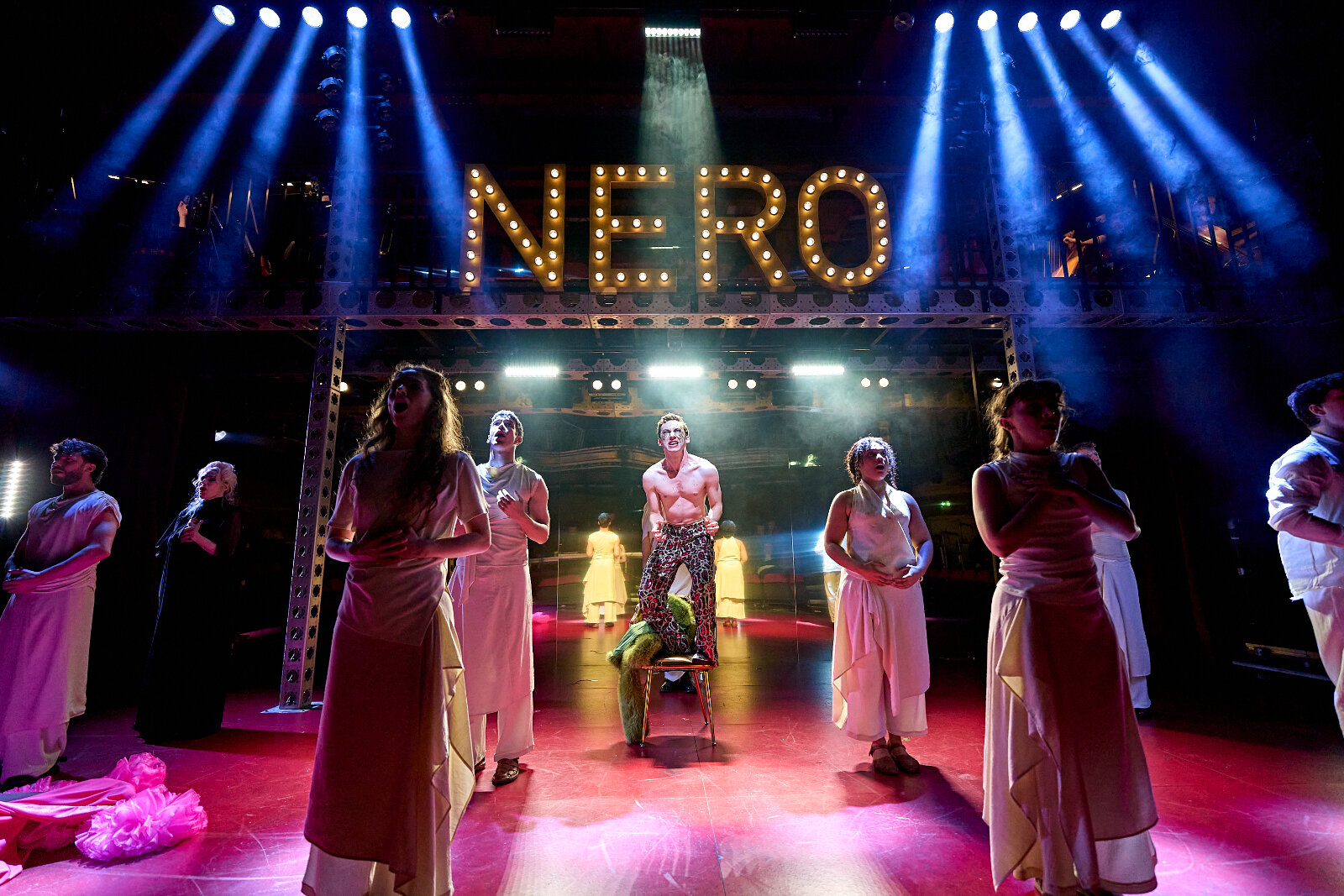
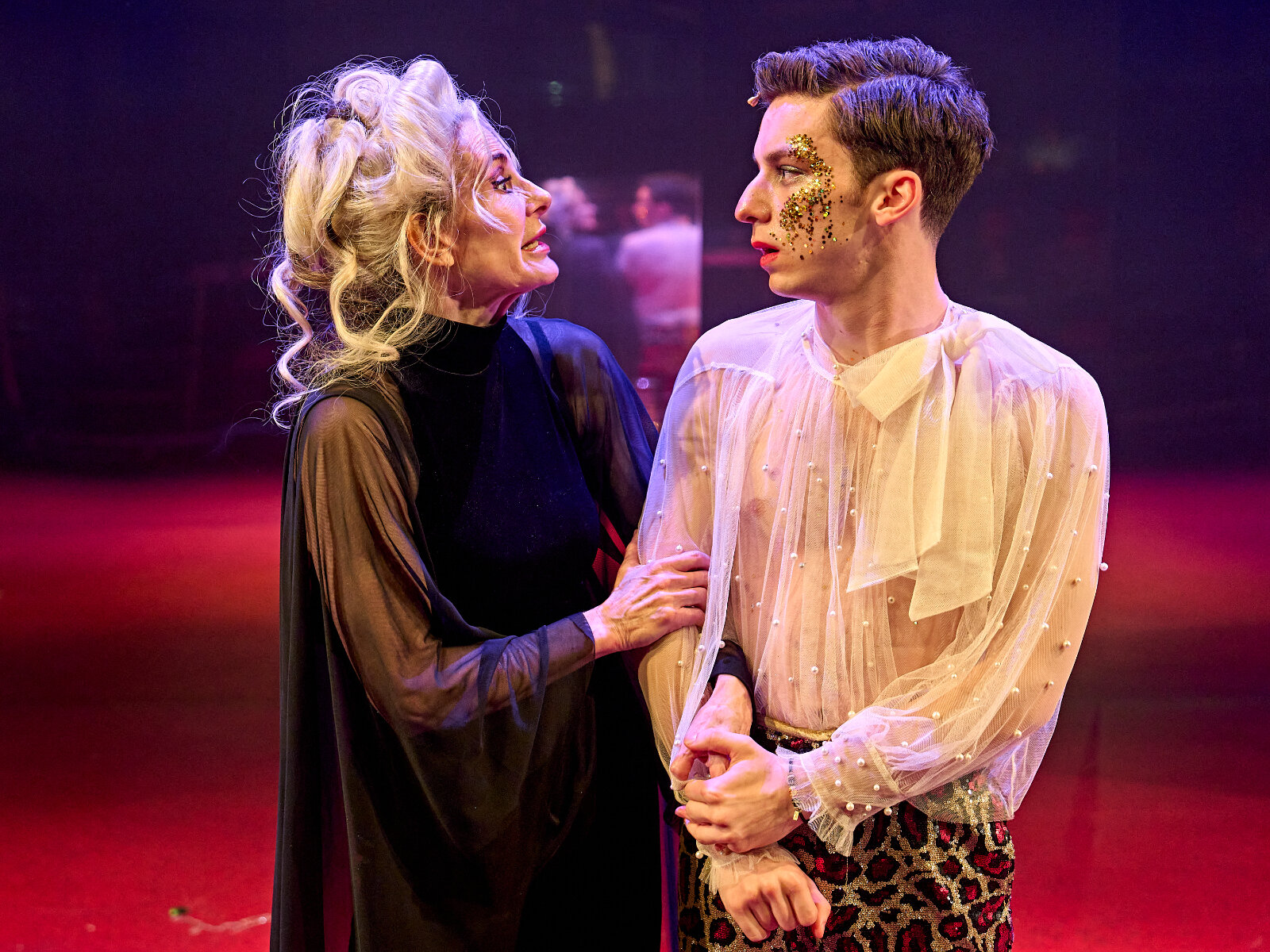
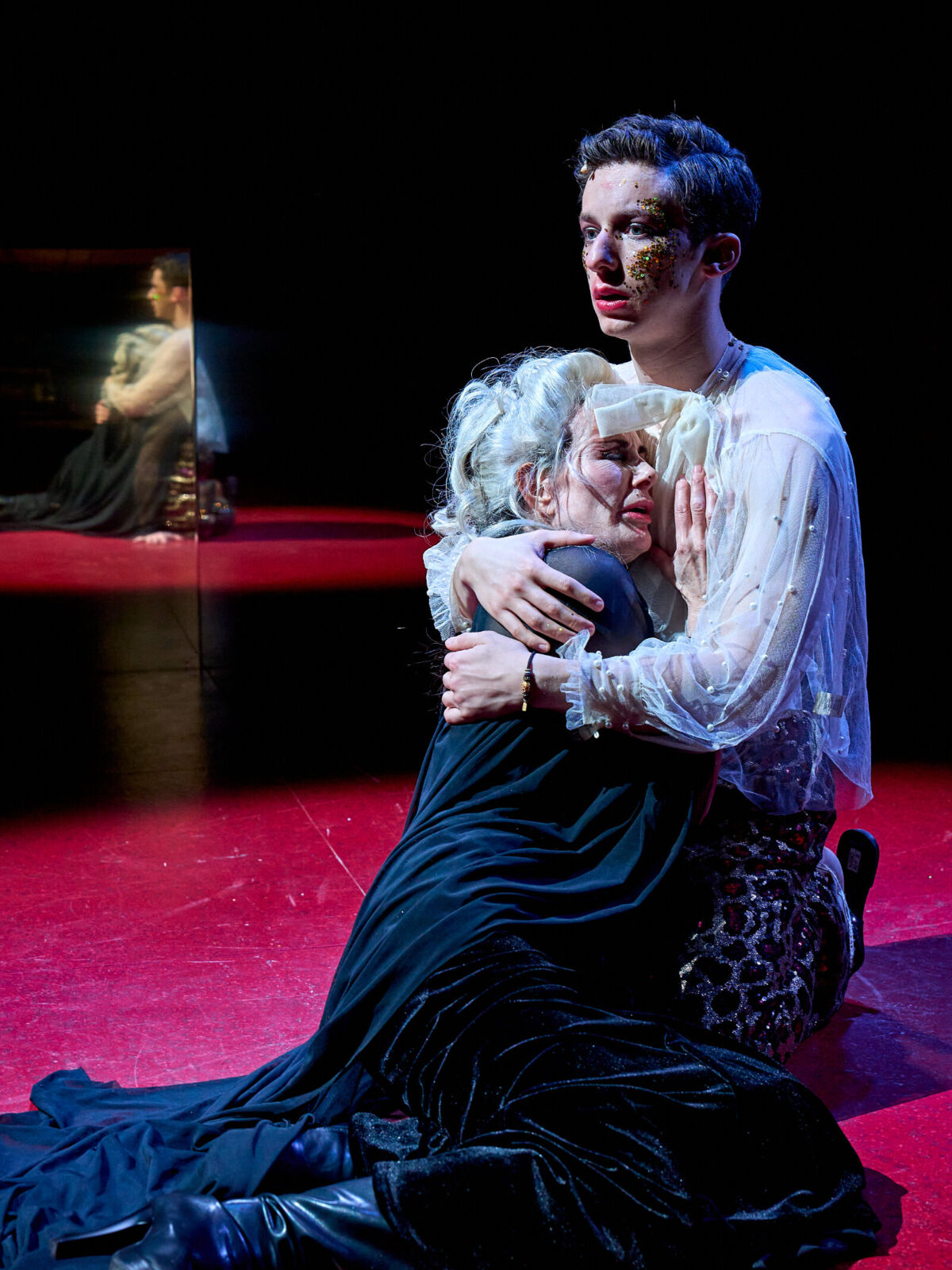
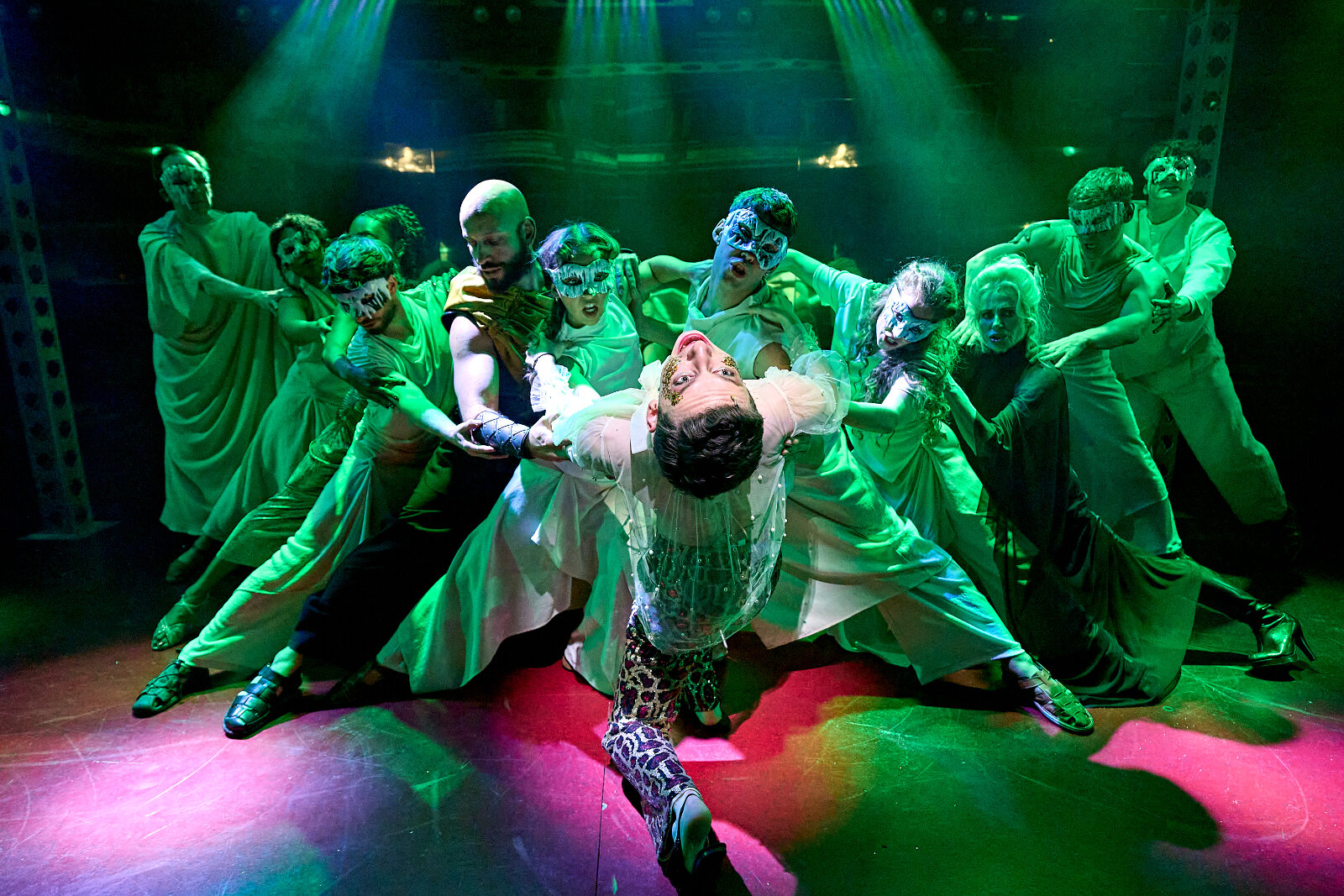
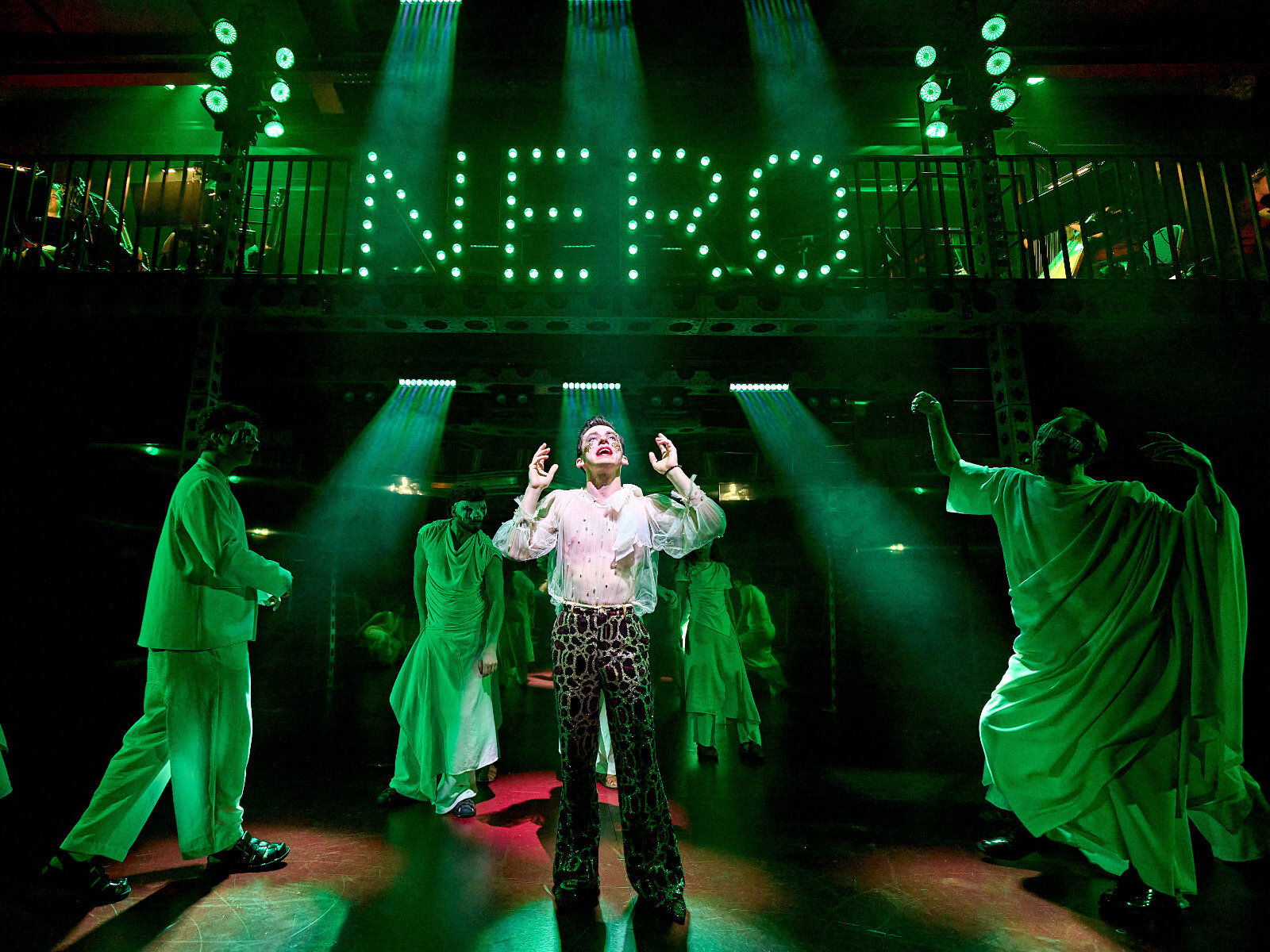
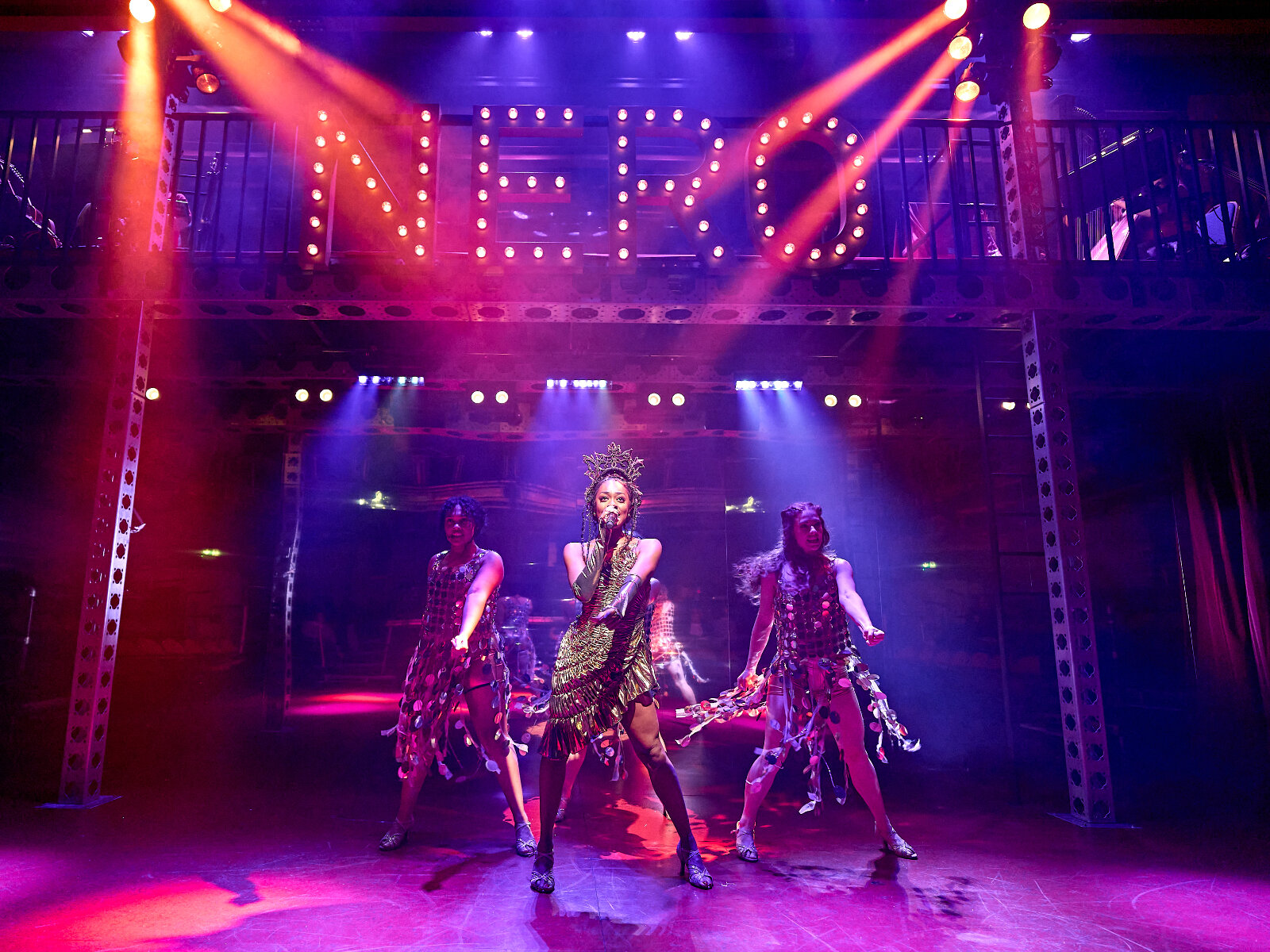
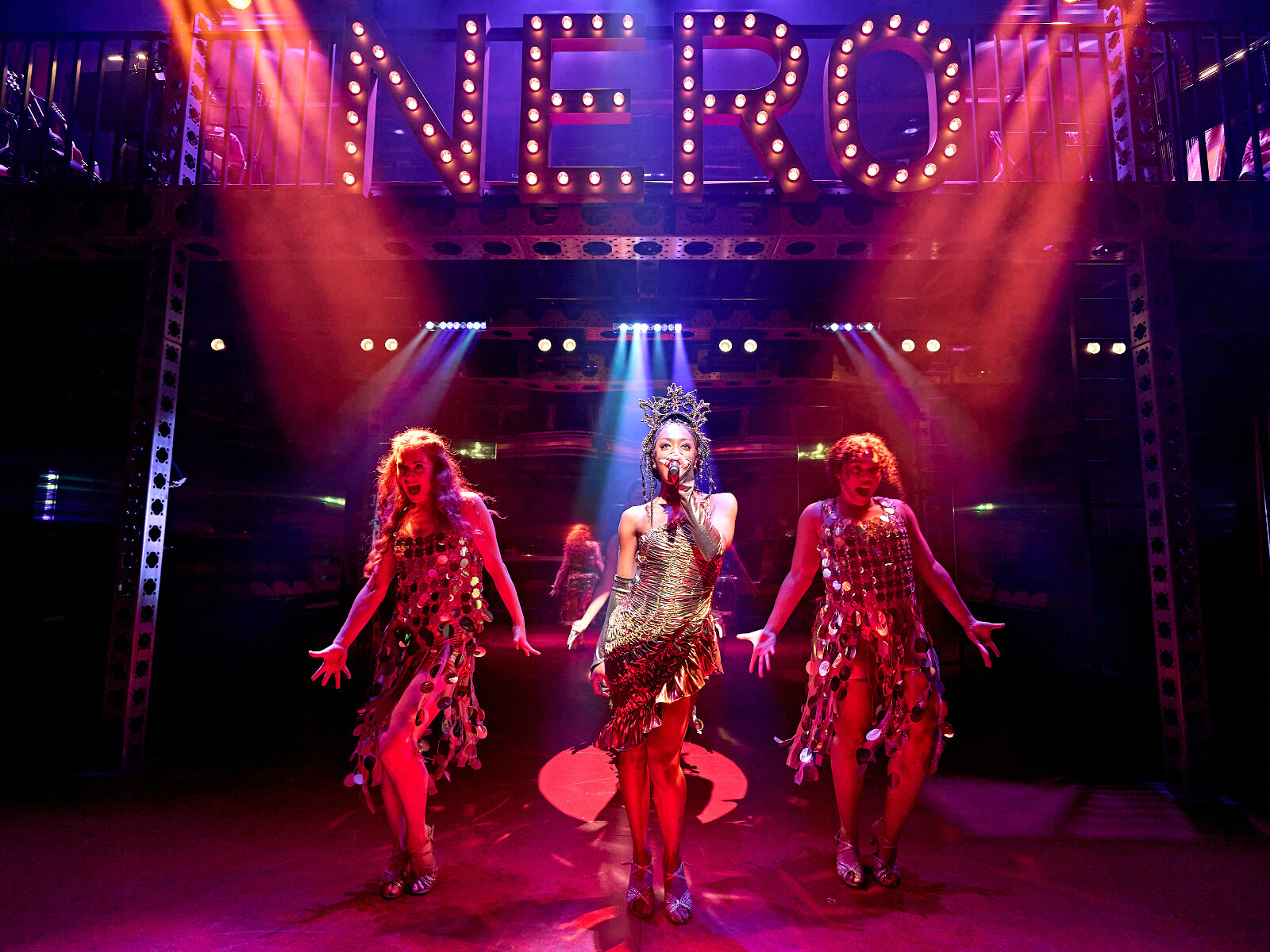
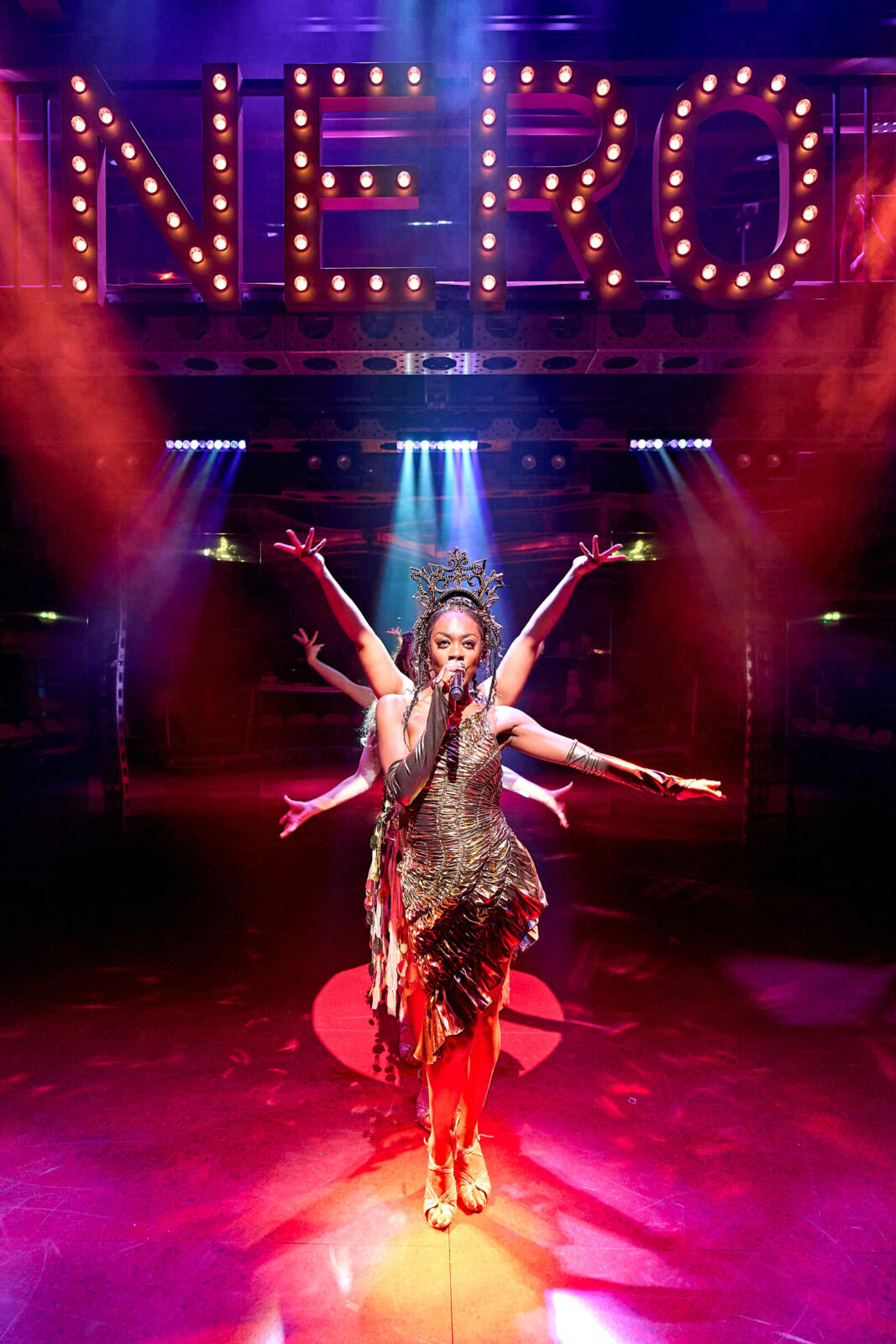
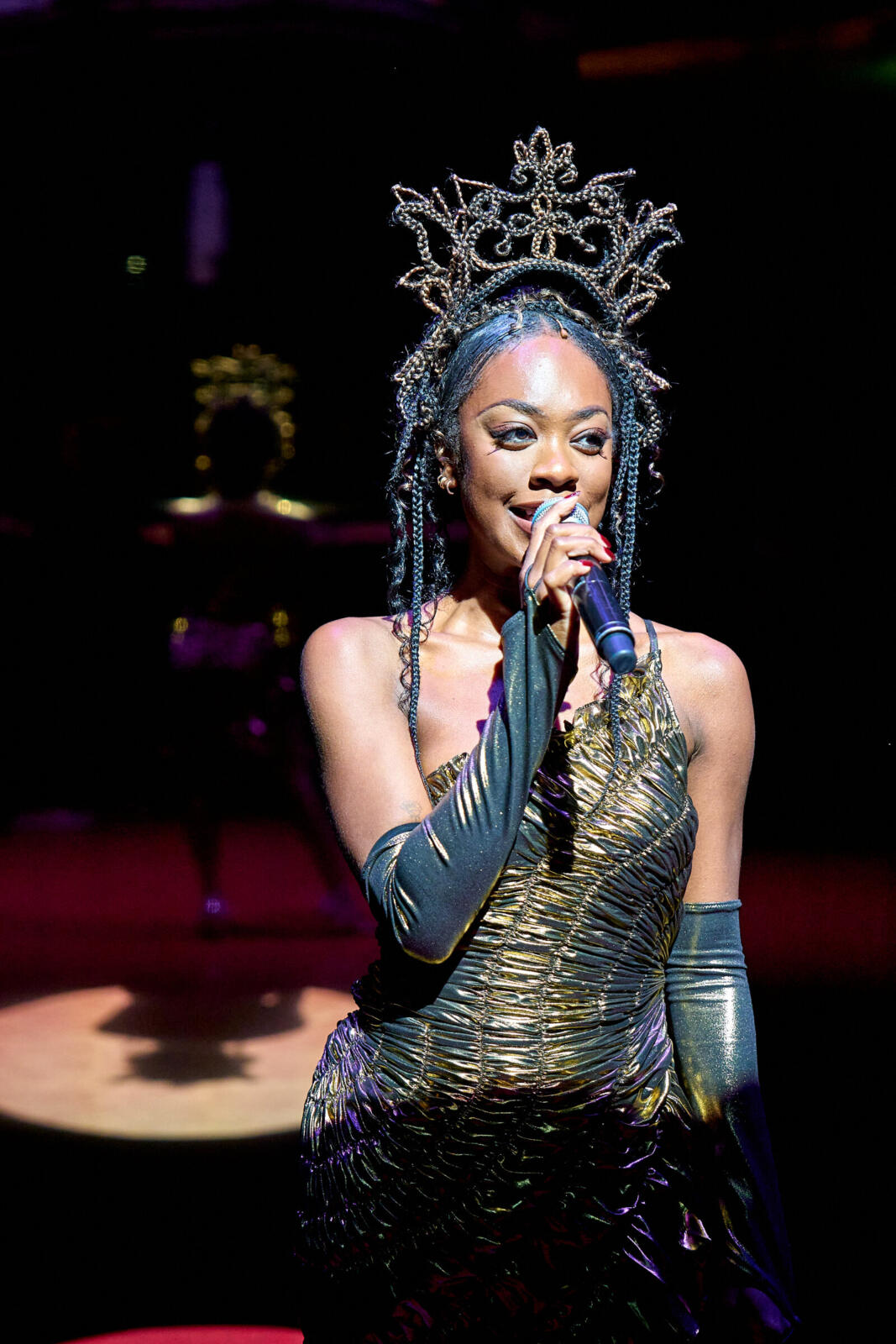
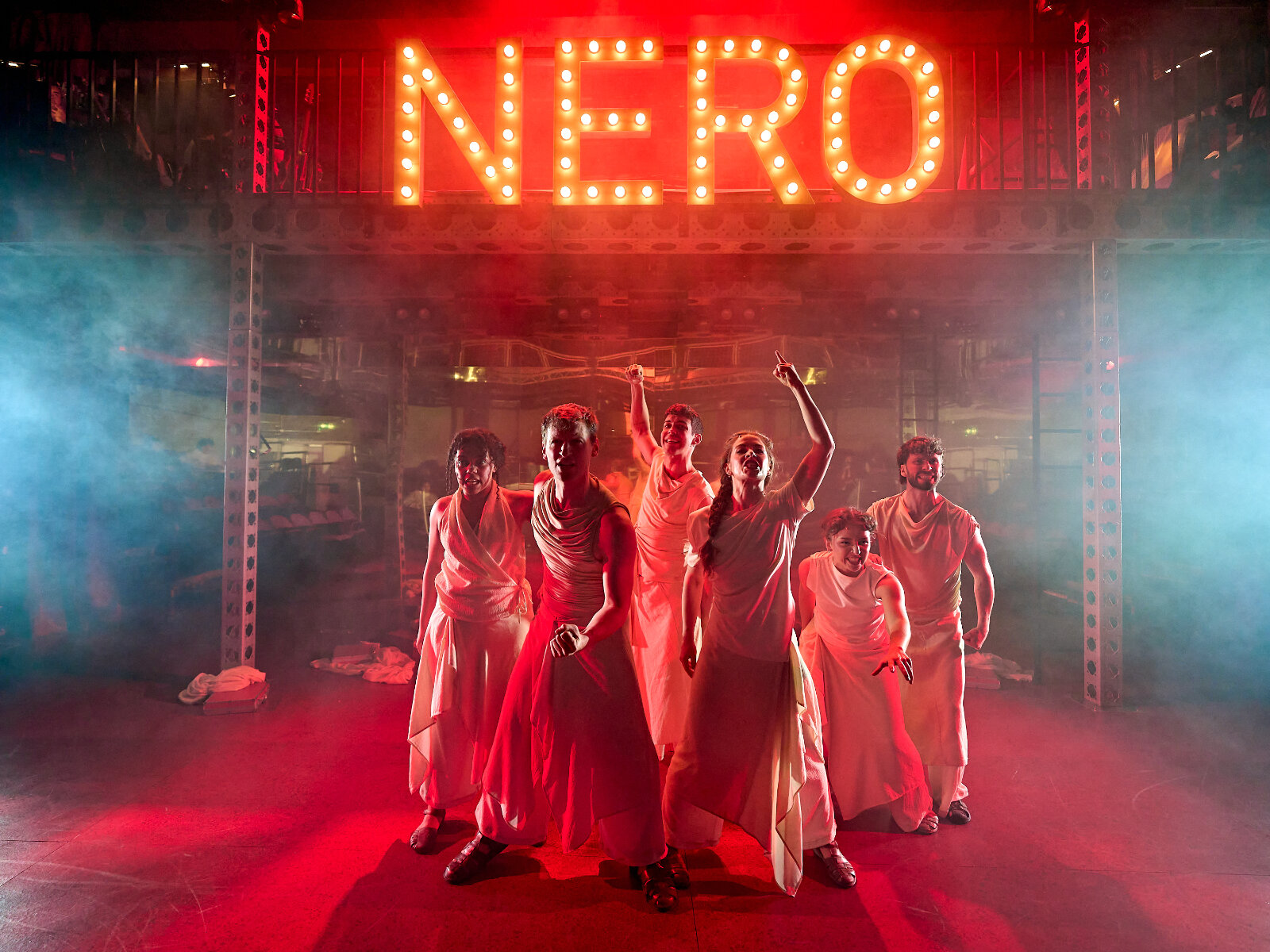
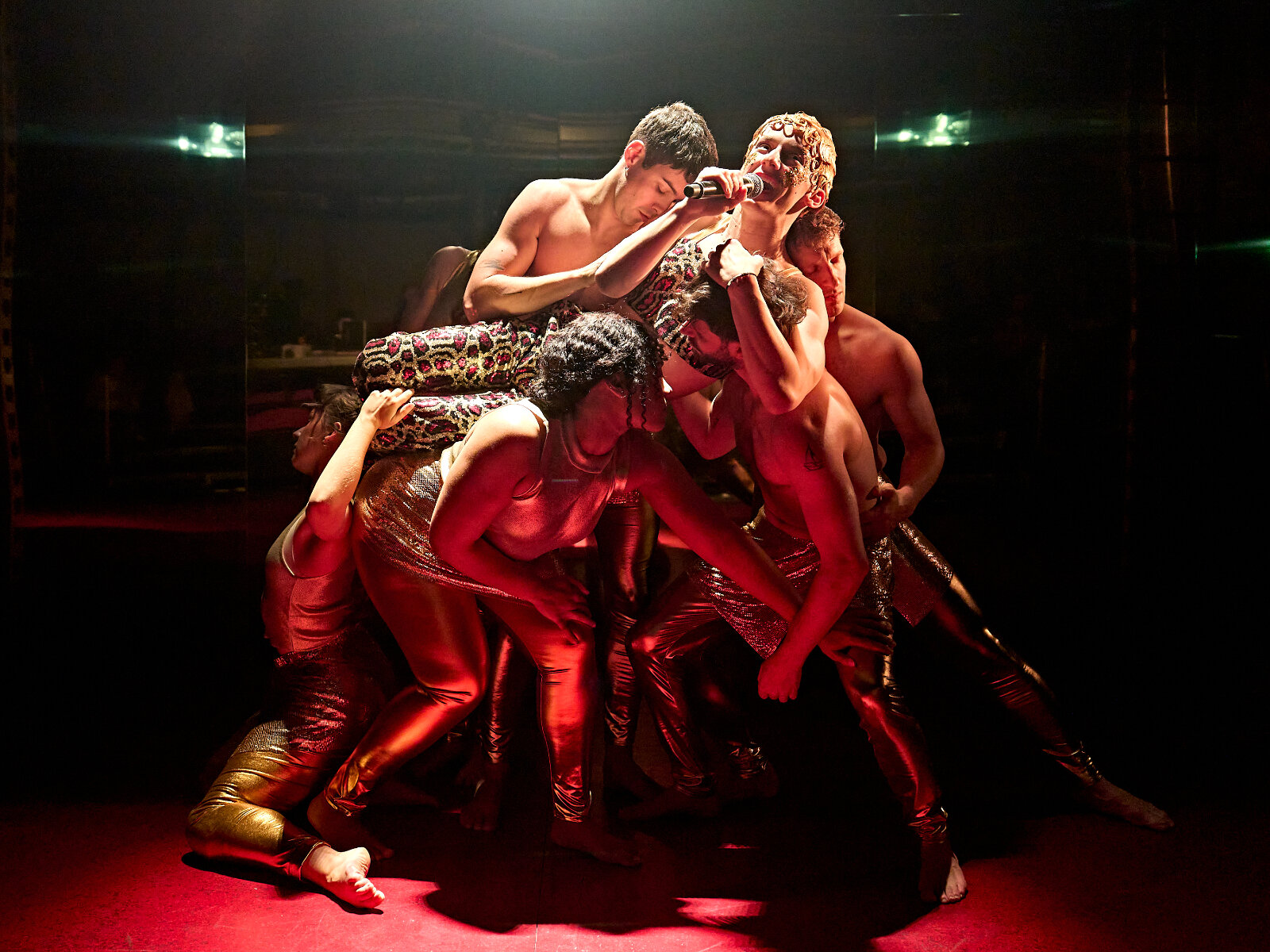
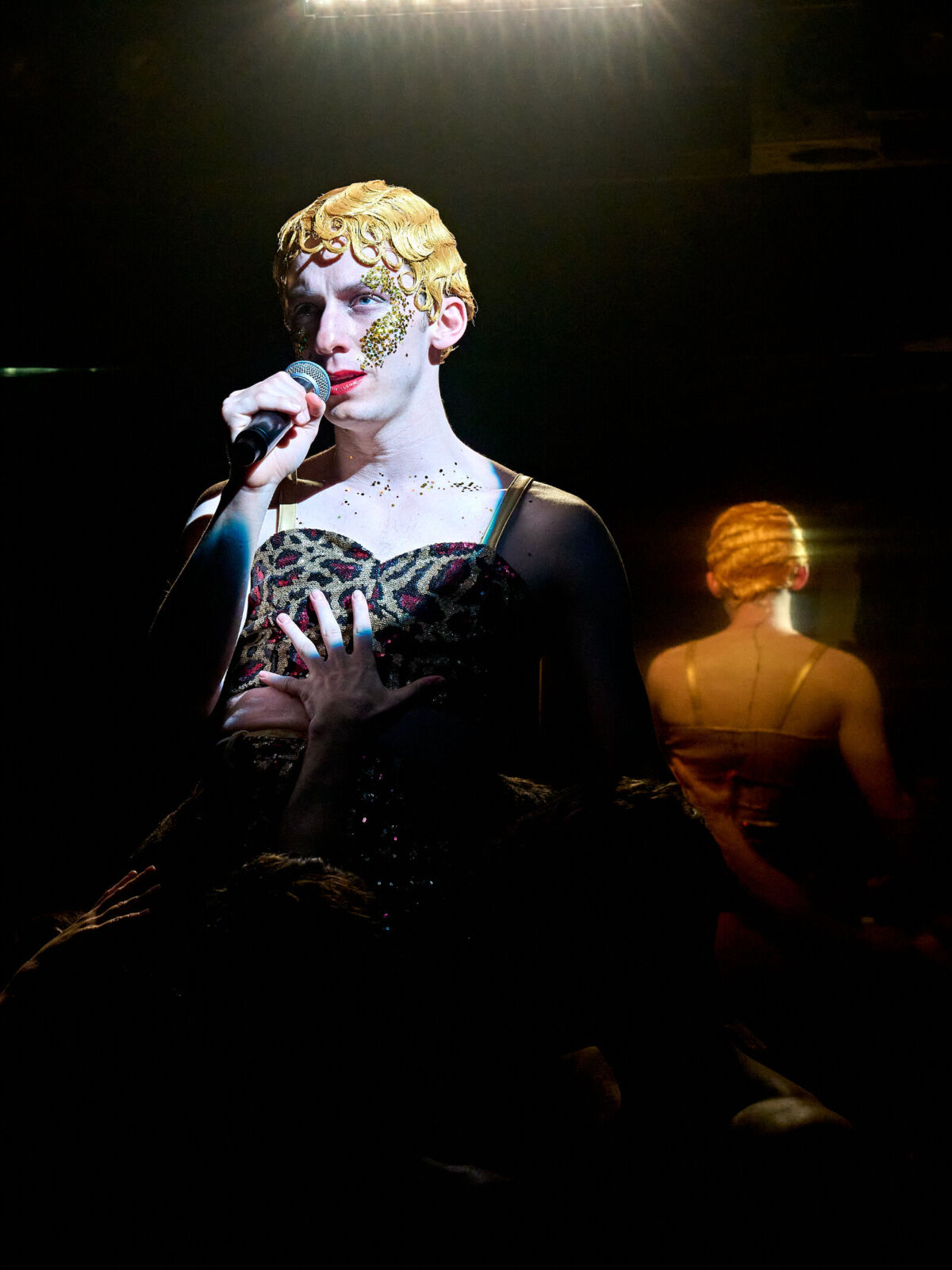
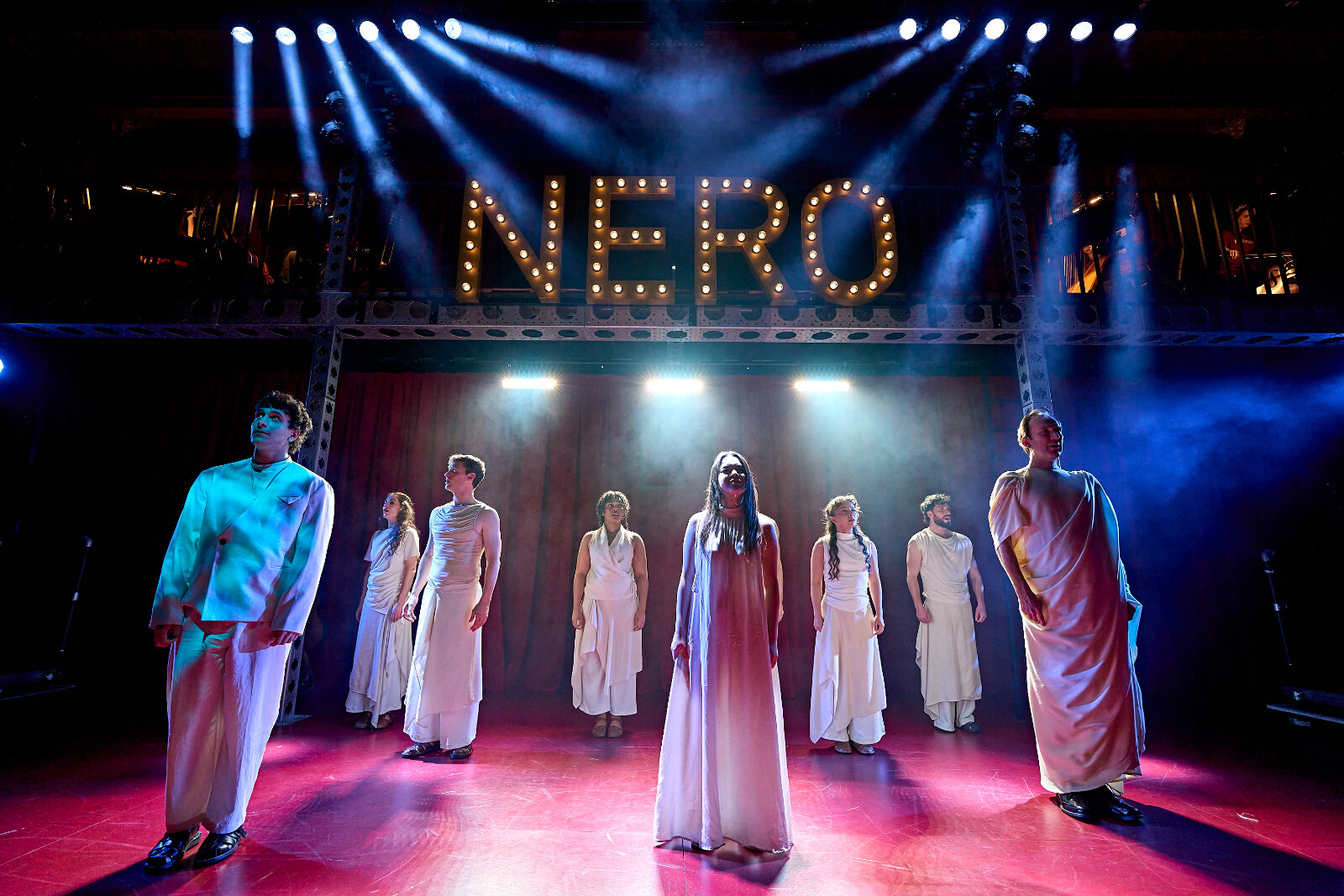
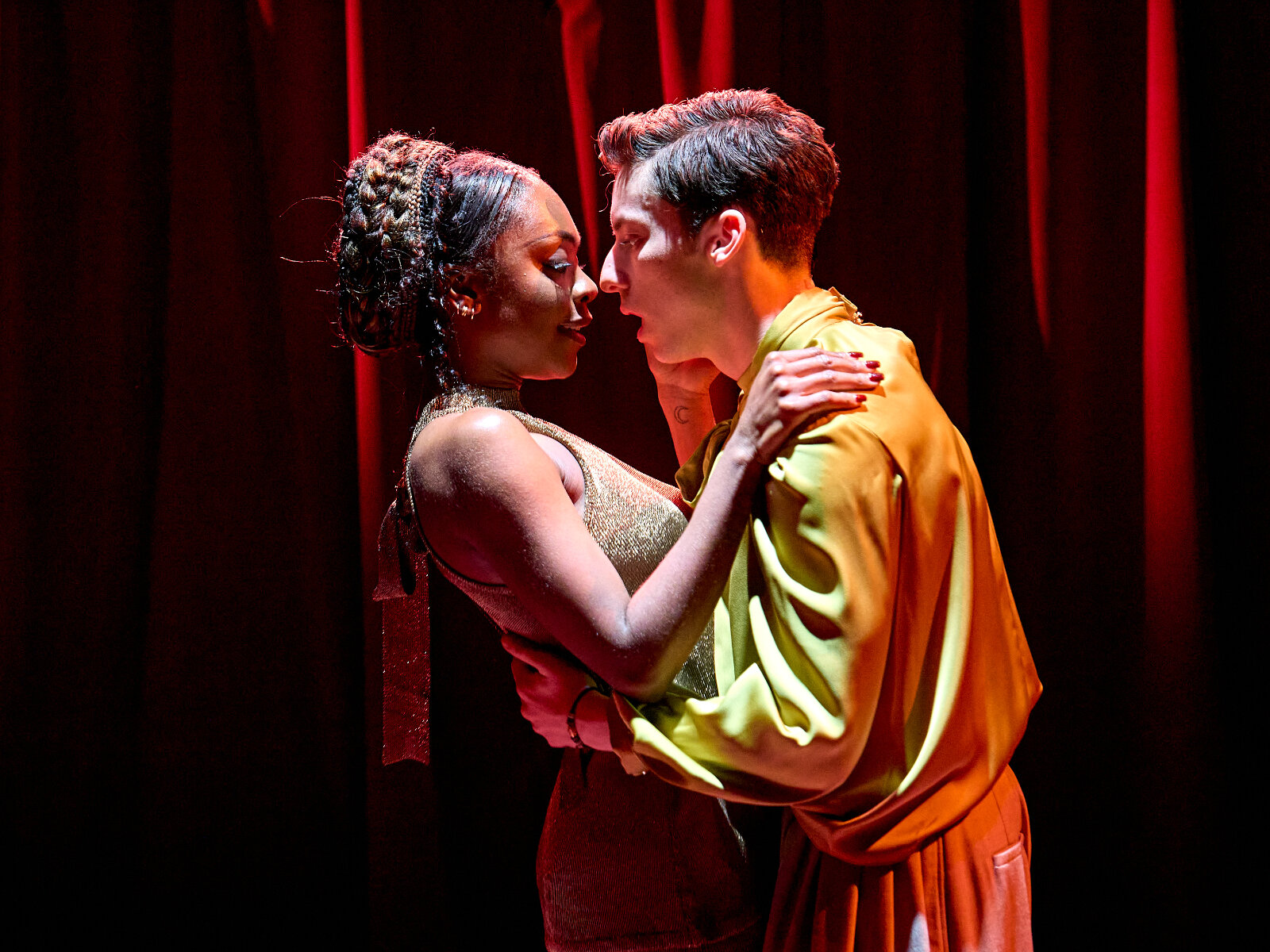
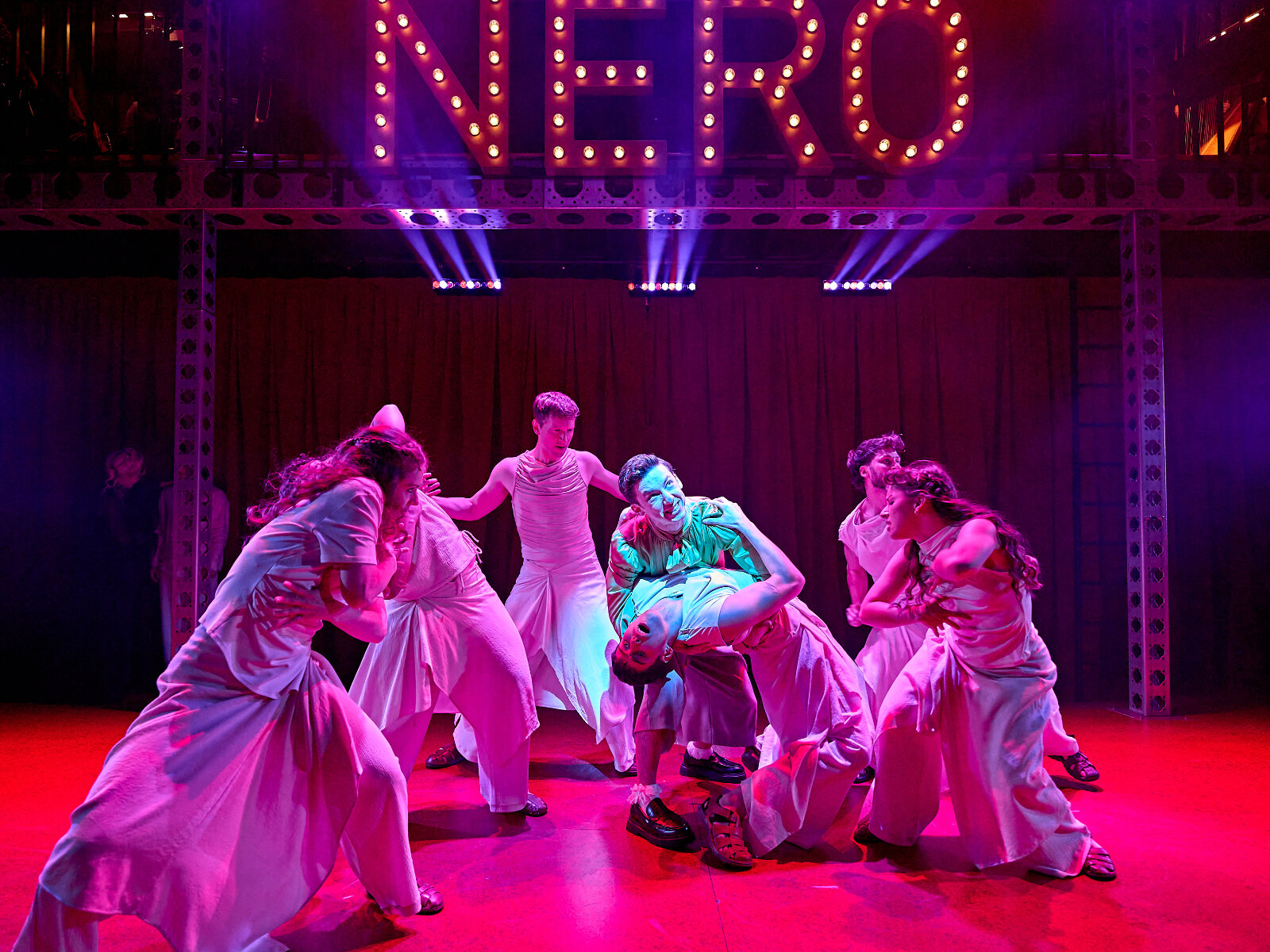
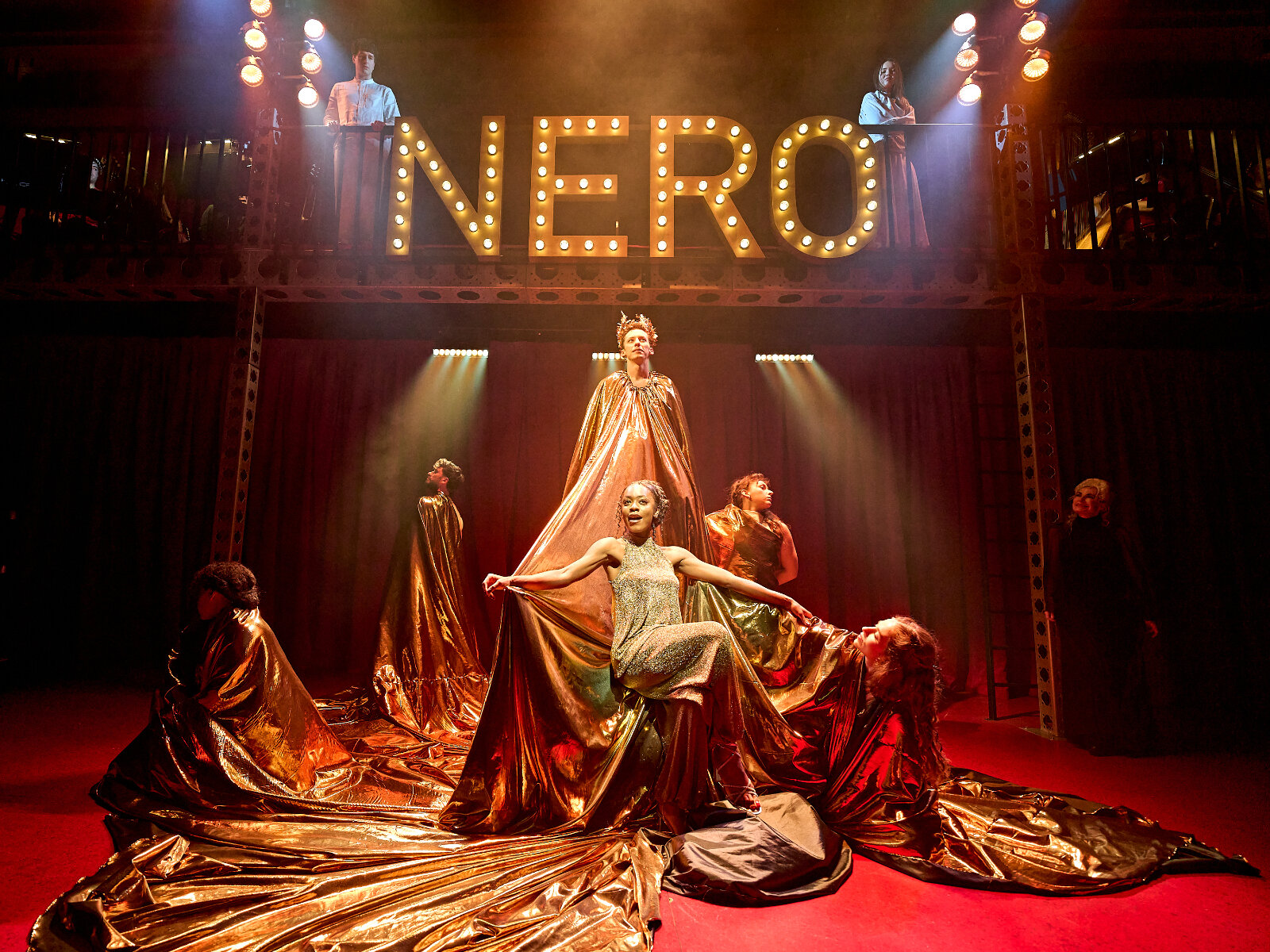
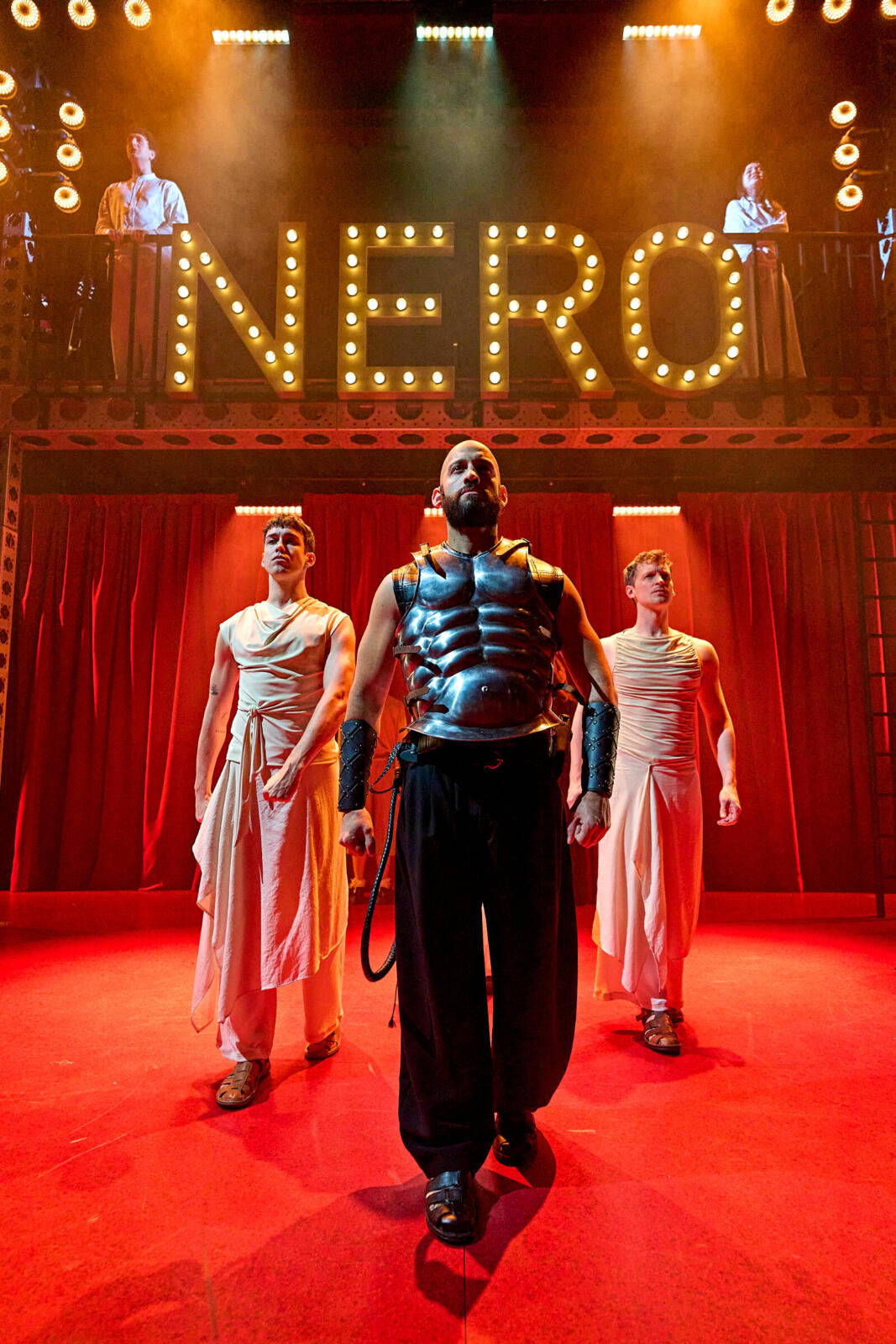
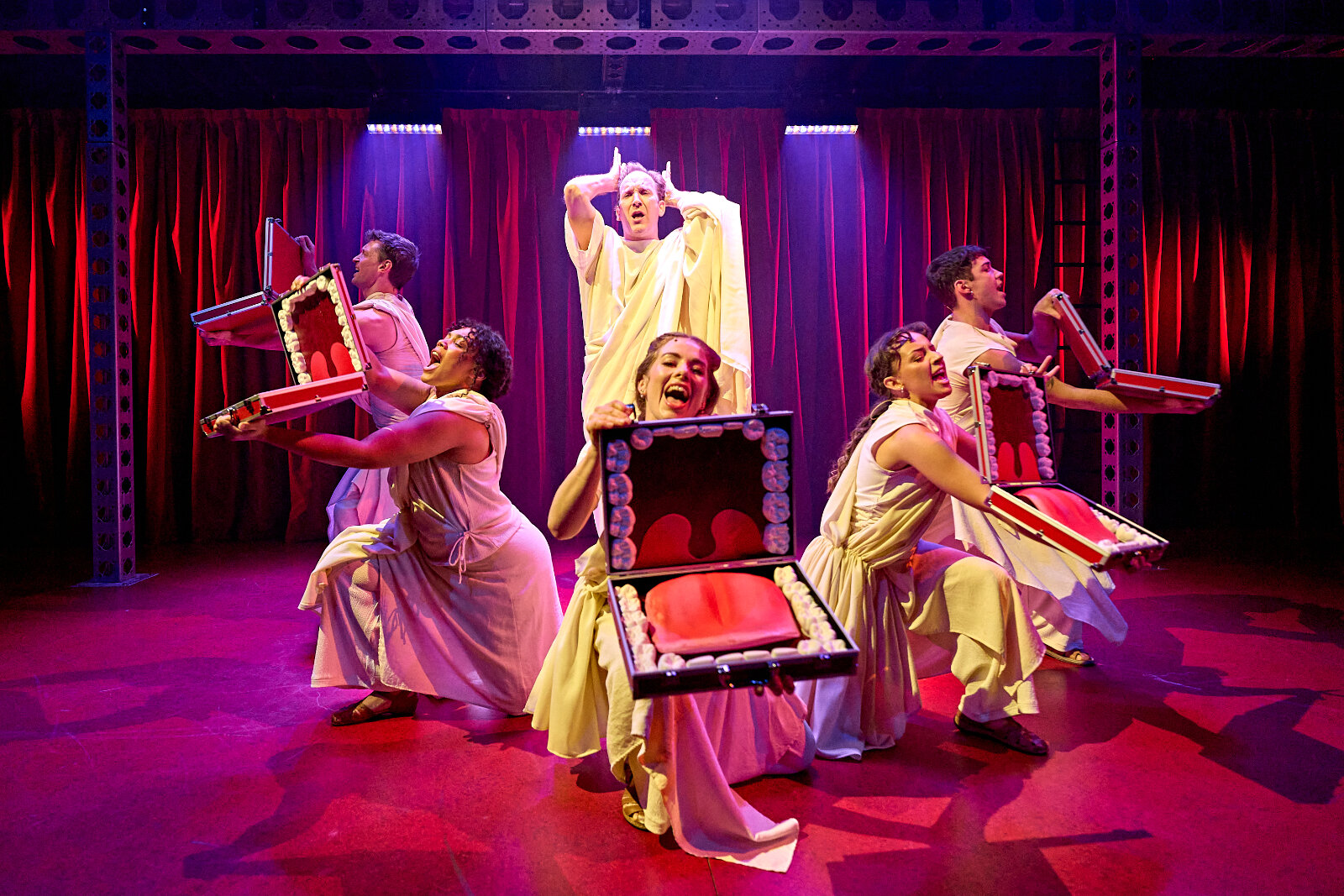
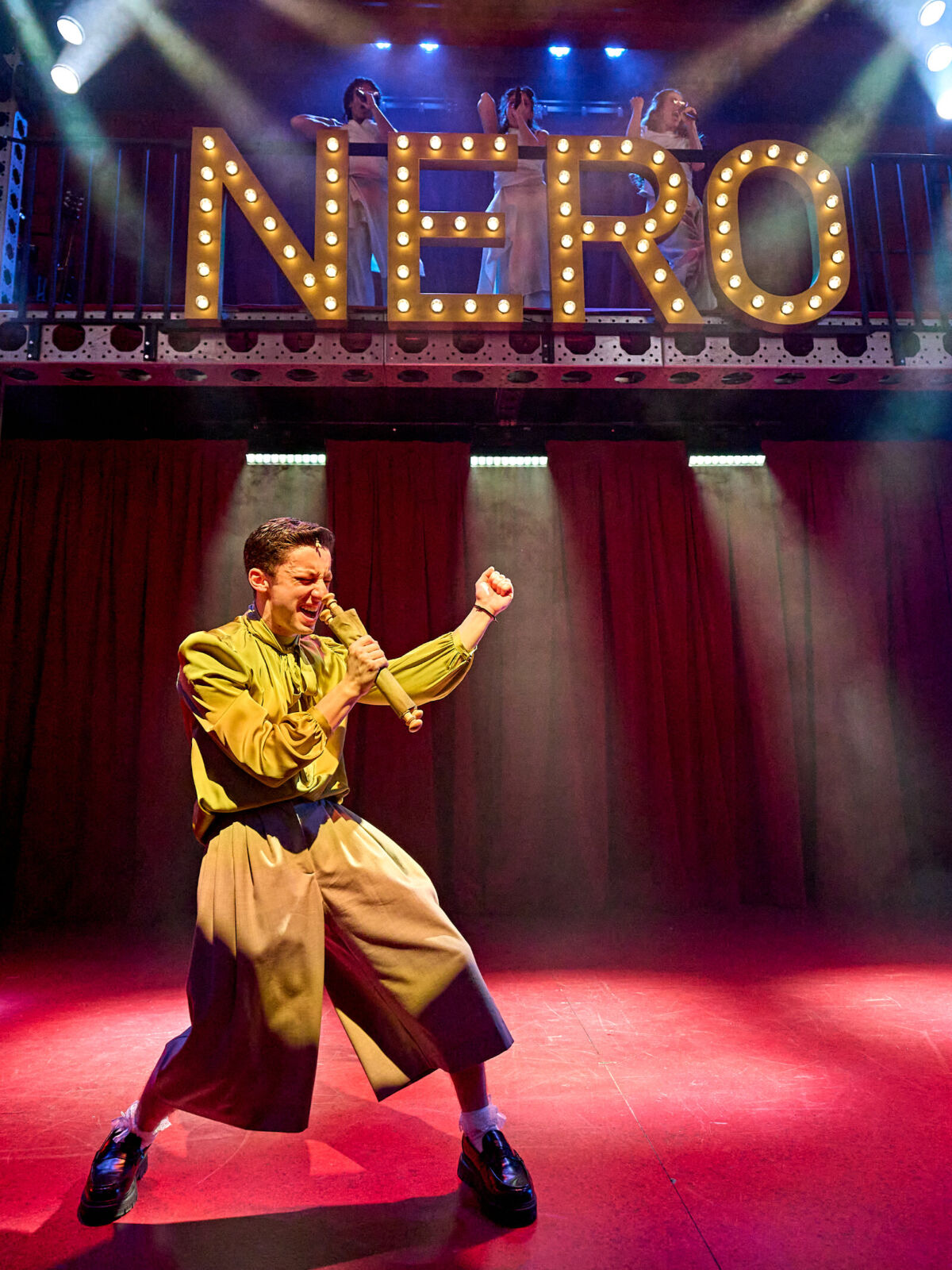
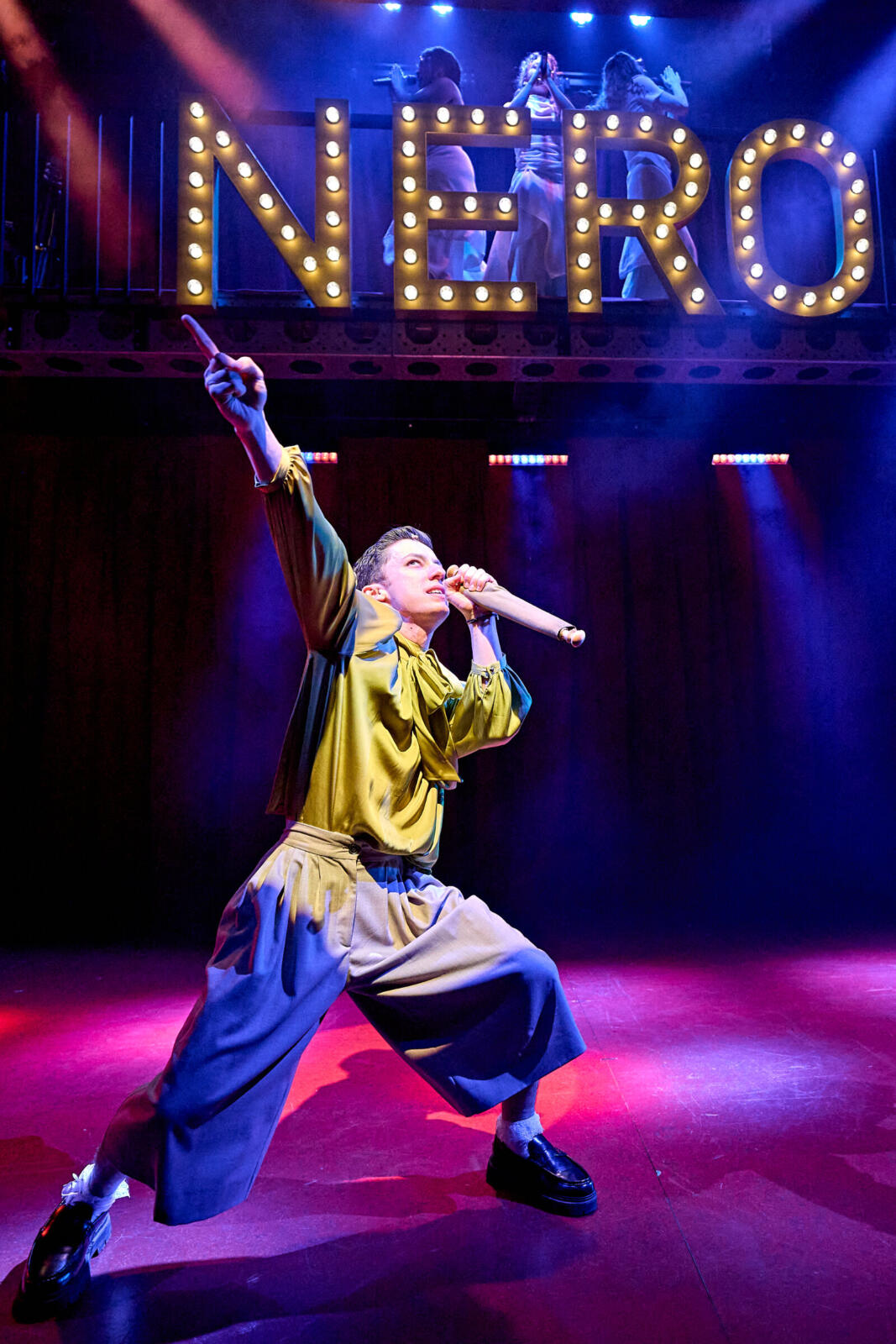
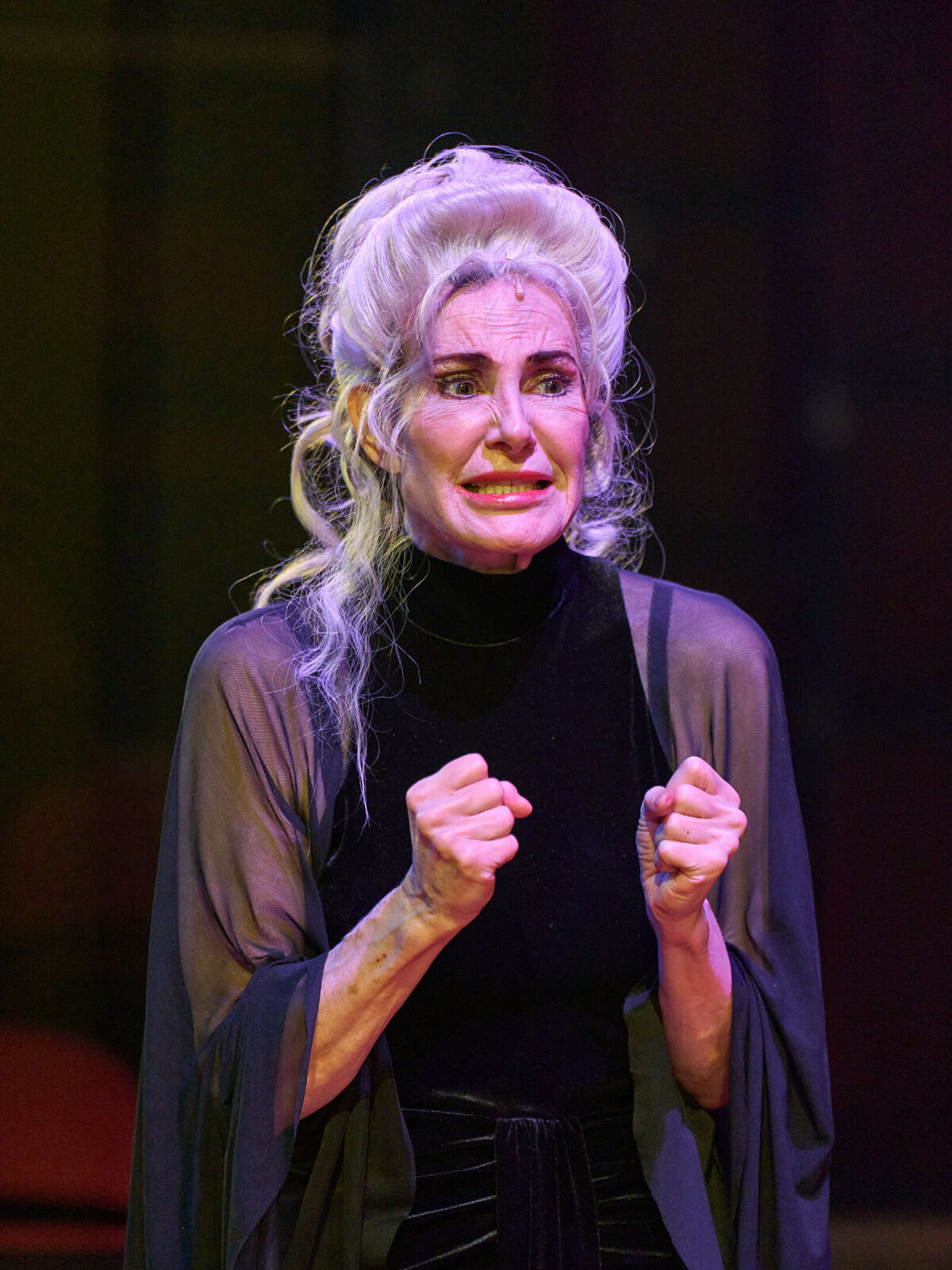
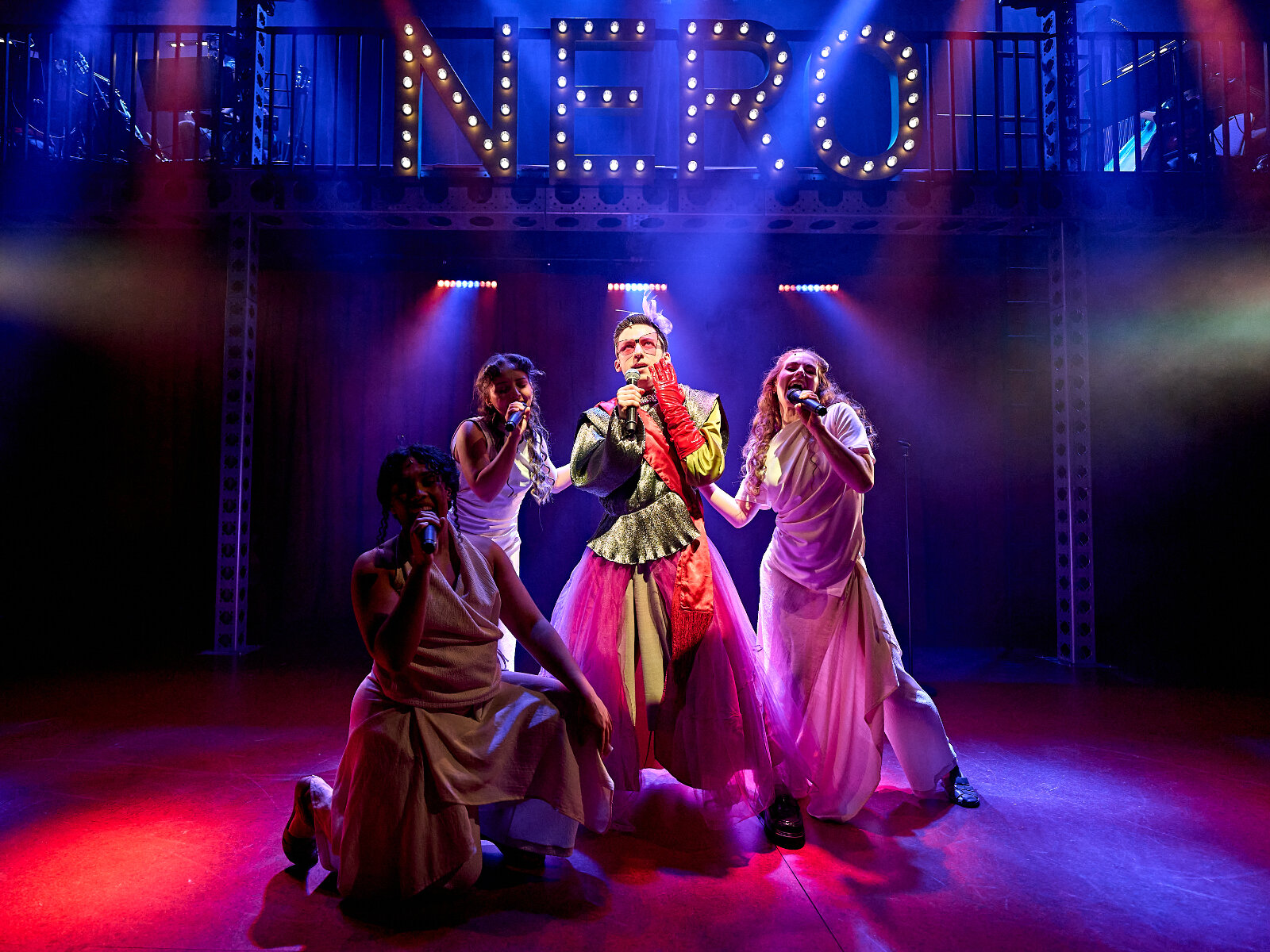
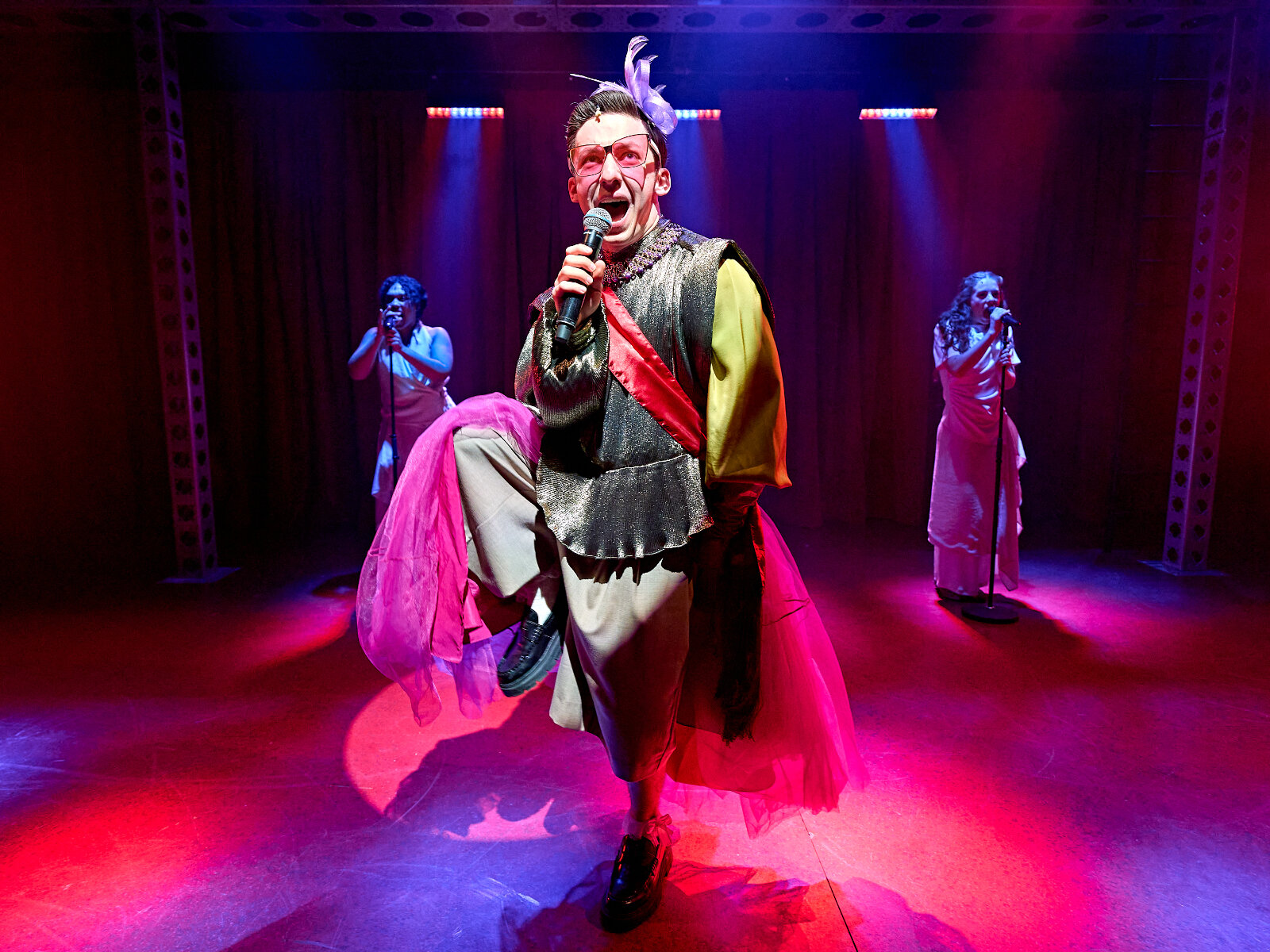
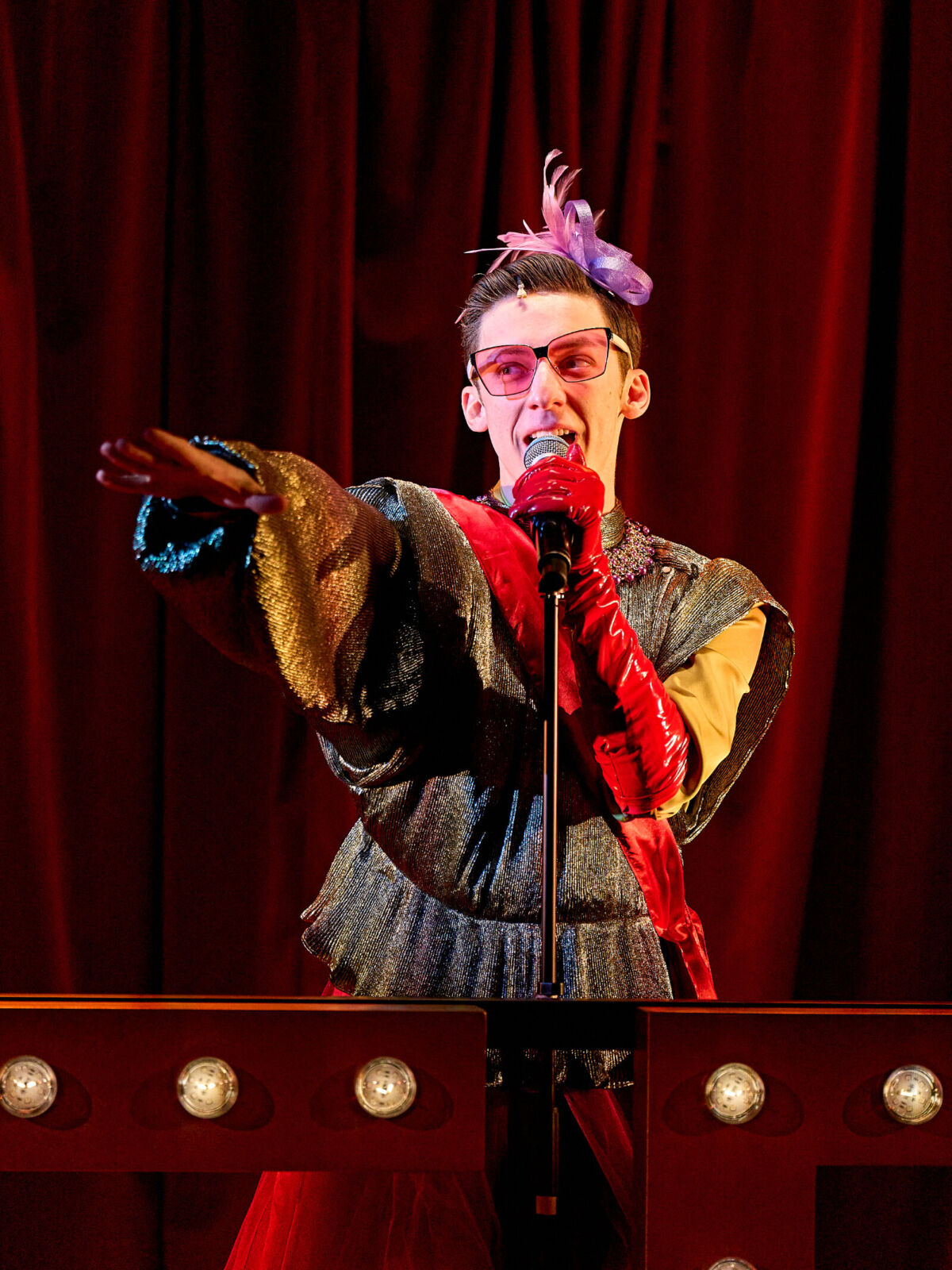
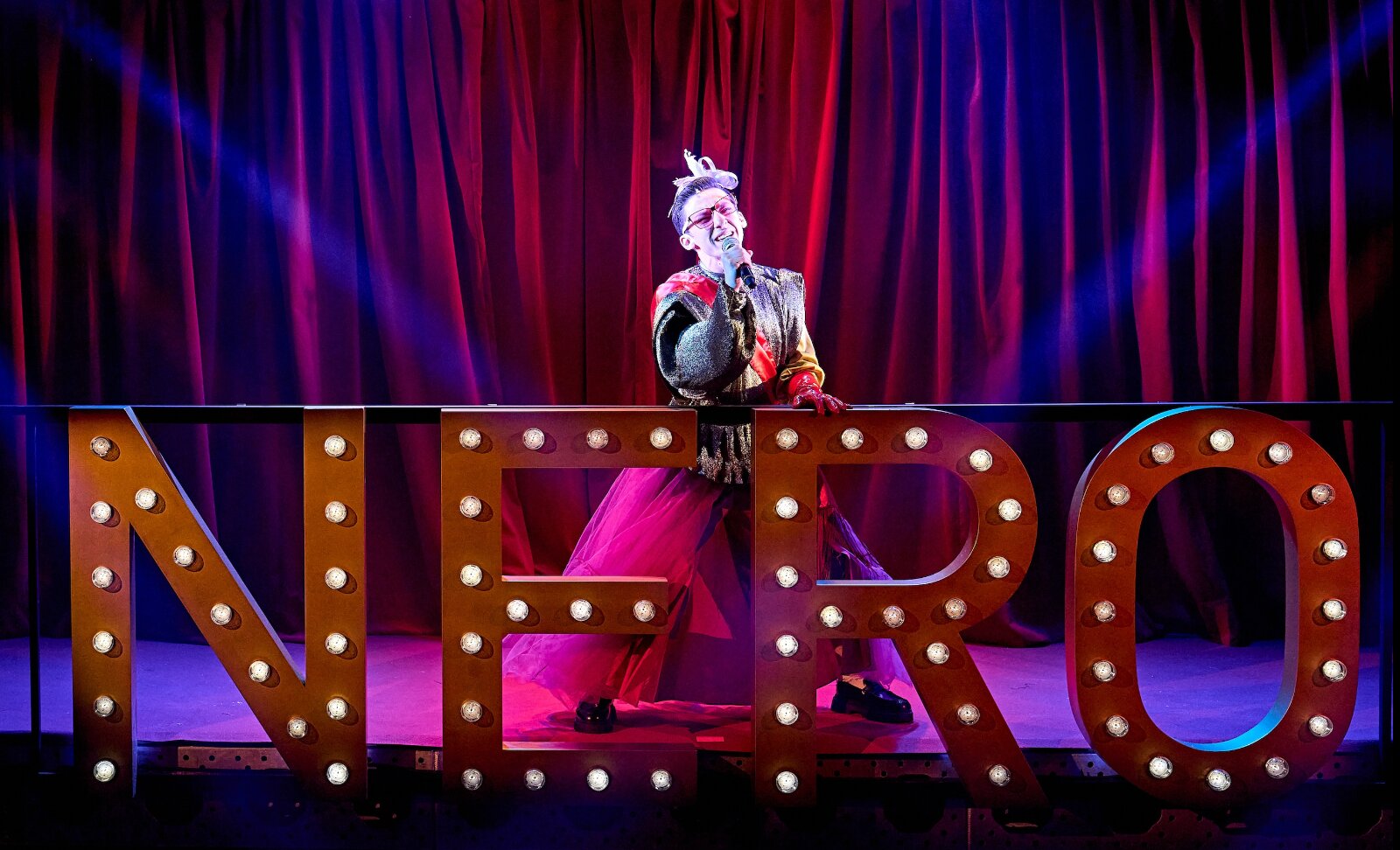
Now, the show arrives at Southwark Playhouse Elephant with a full song list, muscular backing from director Lindsay Posner and the Seensee theatre company, and, crushingly, without its composer, Sheik having passed away not even two months ago at age 56. All these years later, it’s still pointedly incomplete, still ambitious, still seeking the go-ahead to realise them on much bigger stages. It also very much retains the feeling of a play with songs grafted on, though there are now enough of those songs to effectively segment Nero into two shows. One is song-free and uneven, but with potential to grow. Sater’s book commits to the bit, diving headfirst into the unnervingly close, bordering-on incestuous (but let’s forget the “bordering” part) relationship between preening showbiz baby Nero (Andrew Barth Feldman) and power-hungry helicopter mum Agrippina (Sally Dexter) and the quite literal cutthroat nature of the power game. His dialogue may be clunky, but it also has some spit and venom in it, enough to ensure one is on steady rails whenever Dexter is permitted to rant and rave about her uncle-husband’s tiny member and her fatigue with the “c**t-addicted son” on whom she’s staked her legacy. That show’s time-bending aesthetic identity is only semi-coherent, but it produces striking imagery at the least (behold Roman Emperor Nero staring down a suicide bomber primed and ready to blow, or his mother in a decadent pair of shades). Taking the charitable view, with a few more workarounds, one could see Nero arriving at something closer to the purposeful schizophrenia in Norman Jewison’s 1973 film of Jesus Christ Superstar, where a pile of guns is pointedly on sale at the Jerusalem Temple. Then there’s the other show, an unpersuasive musical that never catches fire.
The main culprit may ultimately be Sater’s lyrics, which still feel like first draft efforts, be it rhyming “itch” with “come at me, bitch!”, or, when it comes time for Stephen Carlile’s slithery advisor Seneca to launch into a villainous number, largely swapping out lyrics altogether for repeated recitations of “Ha ha ha ha ha!”. 23 years later, Nero still feels all musicaled out, and perhaps a production that retained Sheik’s moody harp for atmosphere and little else of the score would serve the show’s strongest material best. As it stands, the endearingly messy show they have is not embarrassed of being a musical, but can’t make much of a compelling case for being one. Yes, Nero as celebrity entertainer obsessed by his own imagined talent is the primary driver of Sater’s interest in the subject, but his starry-eyed introductory solo tells the audience to expect a farce when what follows often plays as sordid but straightforward historical drama. Similarly jarring is the note of camp struck by Agrippina’s slinky tango A Little Dip of Darkness (by far the stickiest song in the mix here) that arrives just as one is expected to lock in and take it all more seriously.
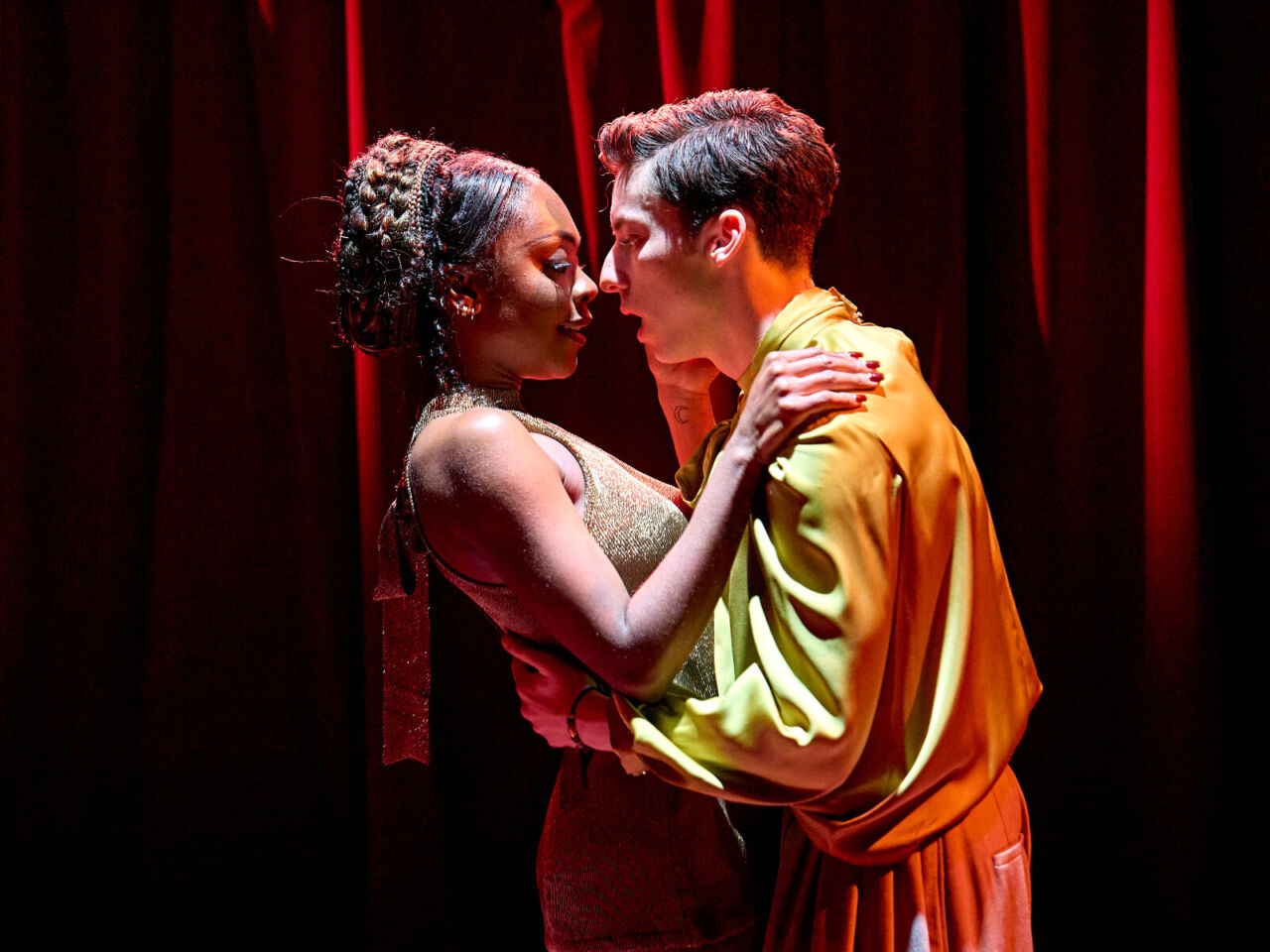
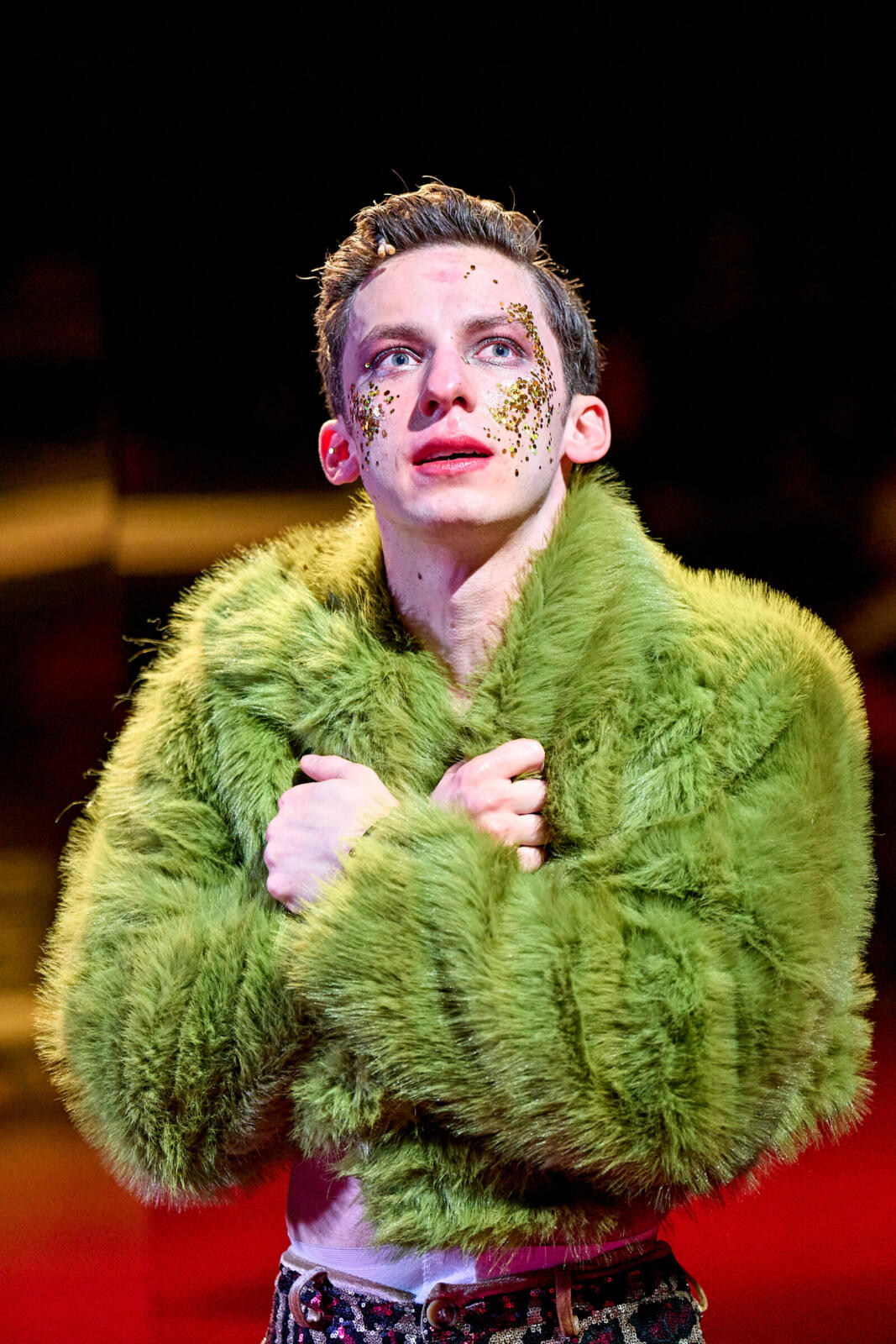
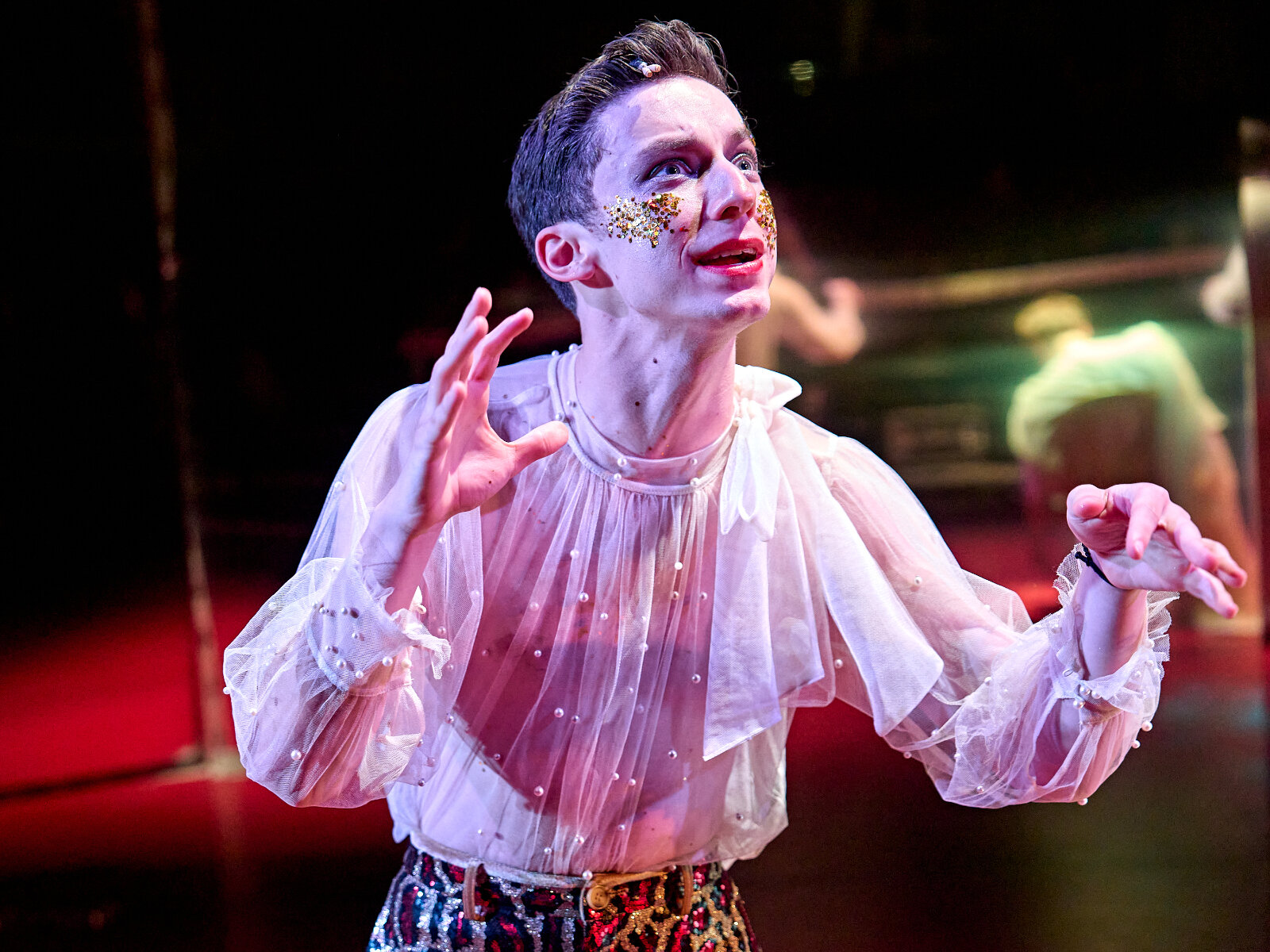
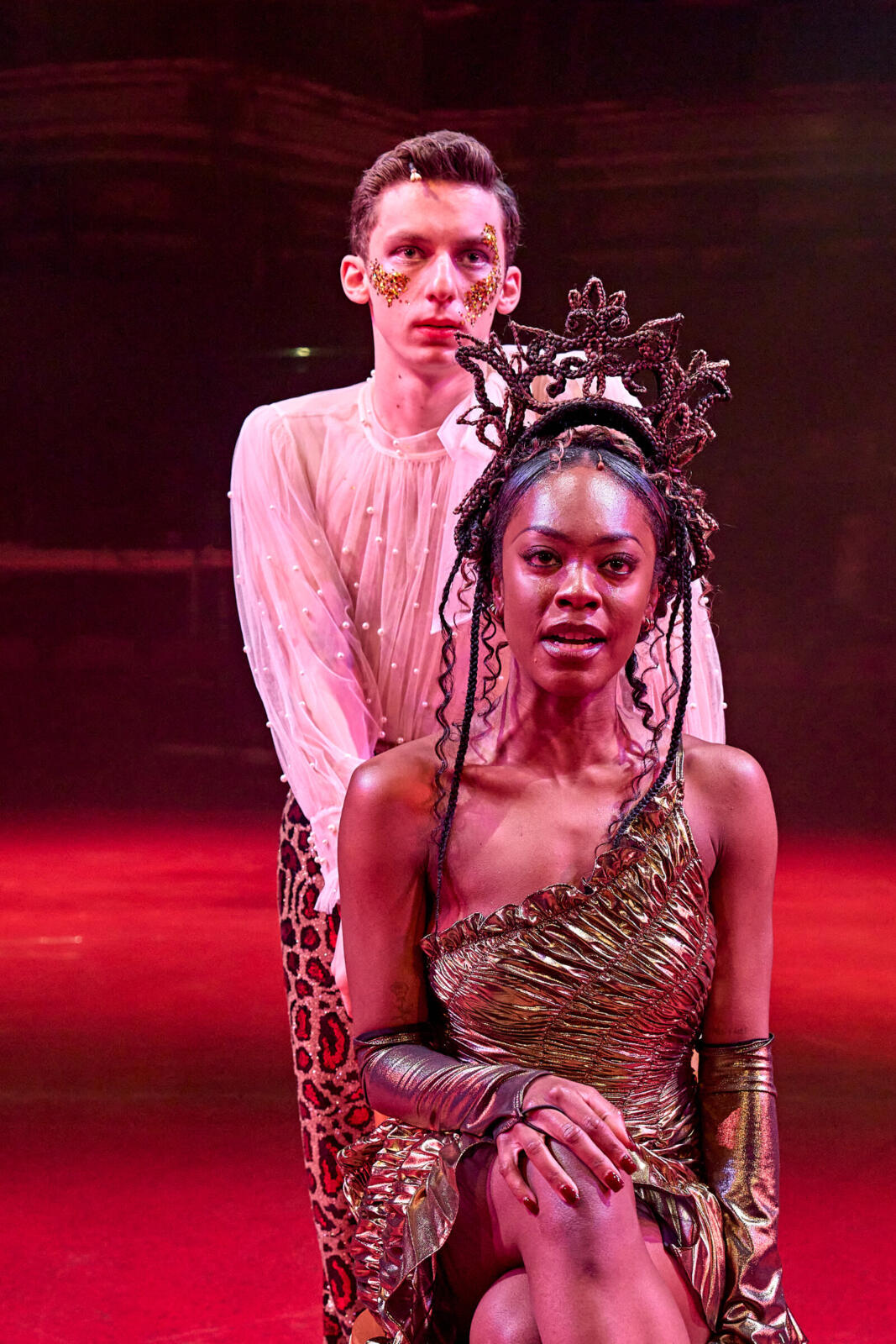
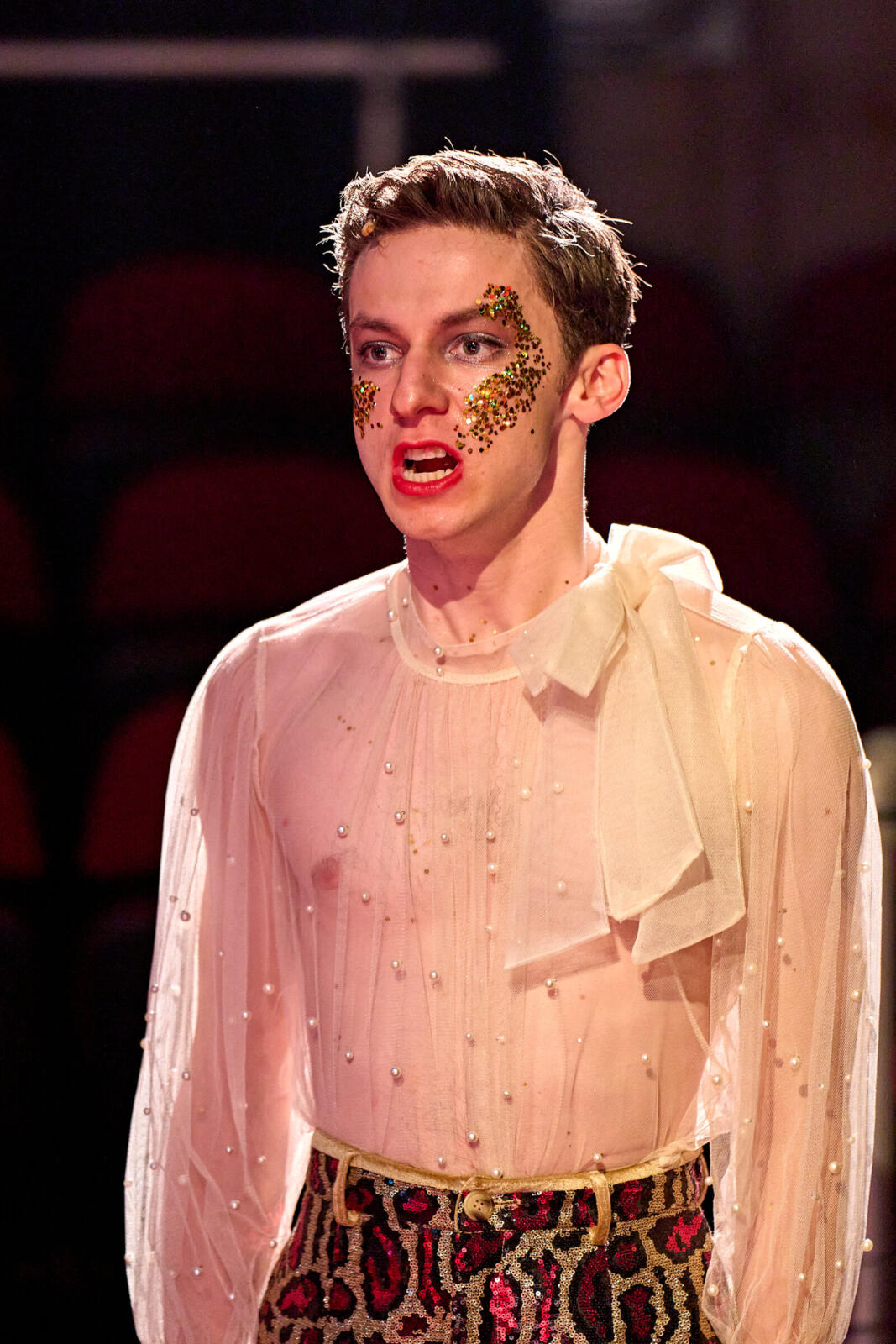
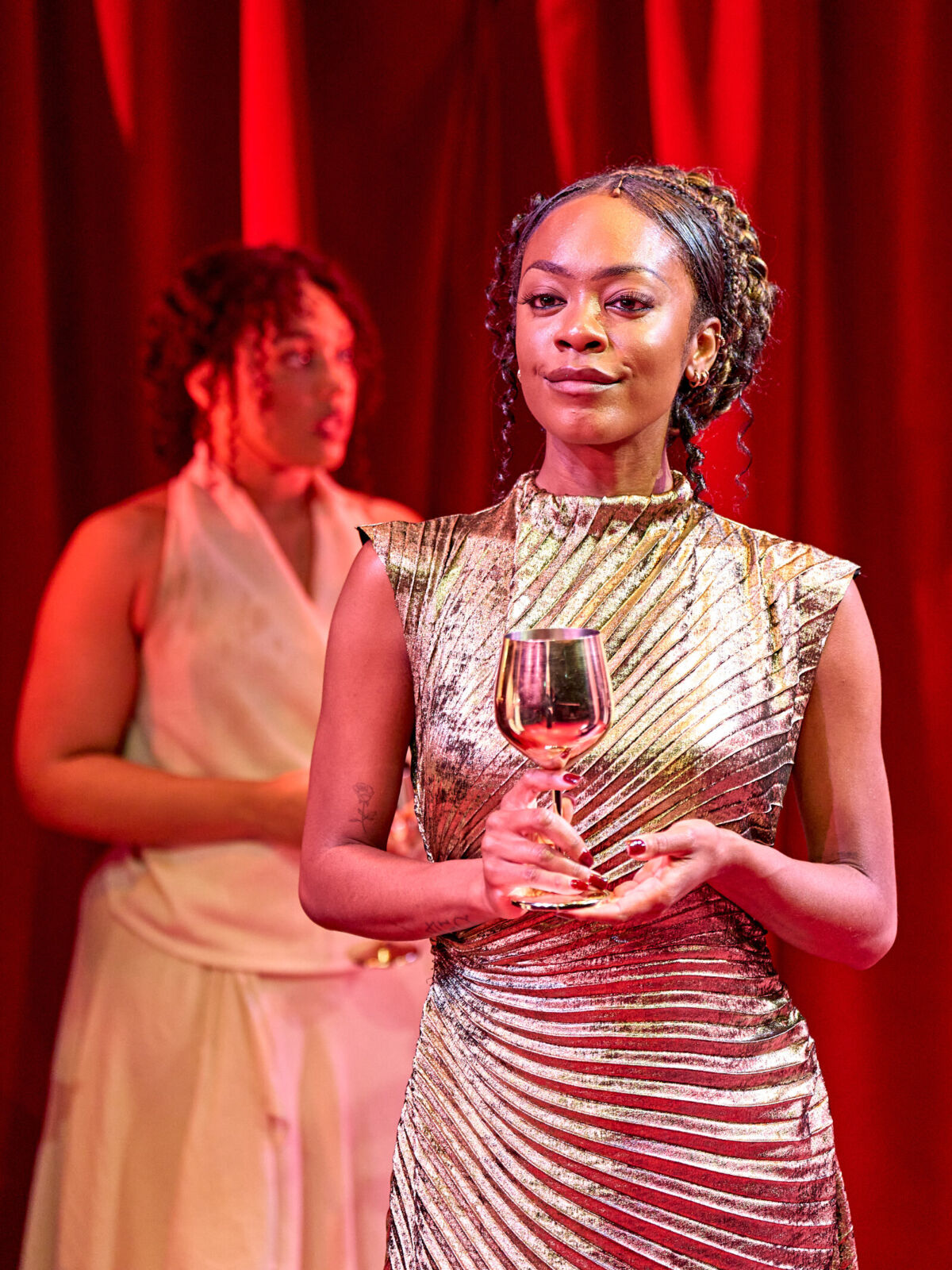
Through it all, the performers are as committed as one could ask of them, with Feldman a suitably petulant boy king with an ego and temper of great enough size to dwarf his slight frame a million times over, while Rhianne-Louise McCaulsky brings conviction to the thankless role of Nero’s much-used and abused second wife Poppea. One wishes greater unity of vision (and better songs) for them to work with.
Ultimately, this long-gestating historical musical/satire/epic/unashamed hot mess gains in dramatic momentum as it goes, has strong performances at its core and striking individual moments to spare. Still, for all its barbed conviction, it remains an indifferent-feeling musical shackled to underbaked songs and a confused tone. The gestation period will likely continue, then, but there’s enough here to root for a complete version of Nero to one day find itself, a quest not unlike the superstar emperor whose true artistic ambitions are persistently thwarted by the churn of matters of the court.
Thomas Messner
Photos: Manuel Harlan
Nero is at Southwark Playhouse from 2nd November until 5th December 2026. For further information or to book, visit the theatre’s website here.
Watch the trailer for Nero at Southwark Playhouse here:
- 1
- 2
- 3
George Michael: The Faith Tour
Antonia Georgiou
- 4
- 5
La Roux – Old Flames
Mark Worgan


Hunting Alice Bell
Antonia Georgiou
Stevie Wonder at the O2 Arena
Ben Browning
Meet Jessica Rosval, the world’s best female chef
Food & Travel Desk



Godzilla Minus Zero
Christopher Connor
I Play Rocky
Umar Ali
Think of England
Antonia Georgiou