I See Buildings Fall Like Lightning: On the red carpet with the cast and creatives at London Film Festival 2026

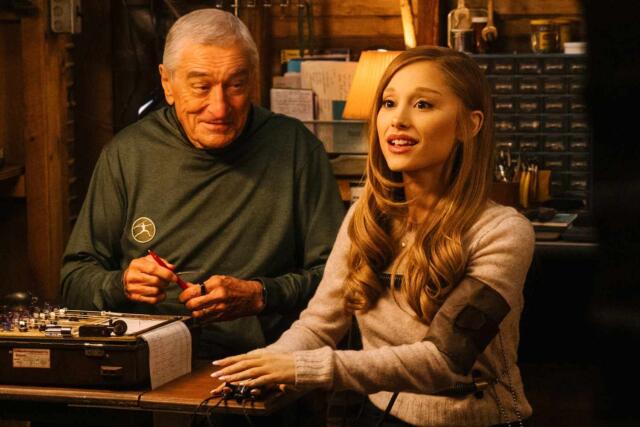
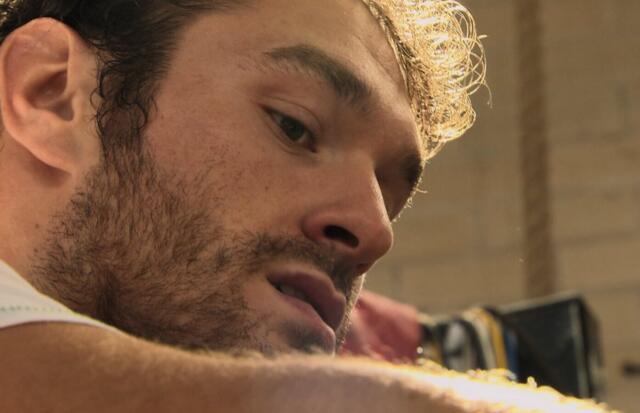
A heartbreakingly honest and highly relevant piece, I See Buildings Fall Like Lightning is a beautiful look into the lives of five childhood friends and the woes of growing up in a working-class environment, as they navigate relationships and failed ambitions. It stars an impressive roster of young talent with intense chemistry that carries its emotional core. Beyond its social commentary on government failures, housing difficulties and class division, the film endears the audience to each lead character, with arcs that focus on the idea of starting over and the frustrations of never meeting one’s full potential – especially with the constant limitations in life and social mobility. Every character, though fulfilled in some ways, is lacking in others, and it’s their friendship that connects their stories. Adapted from Keiran Goddard’s novel of the same name, this picture is a love letter to the adults lost in life, uncertain of what the future may hold.
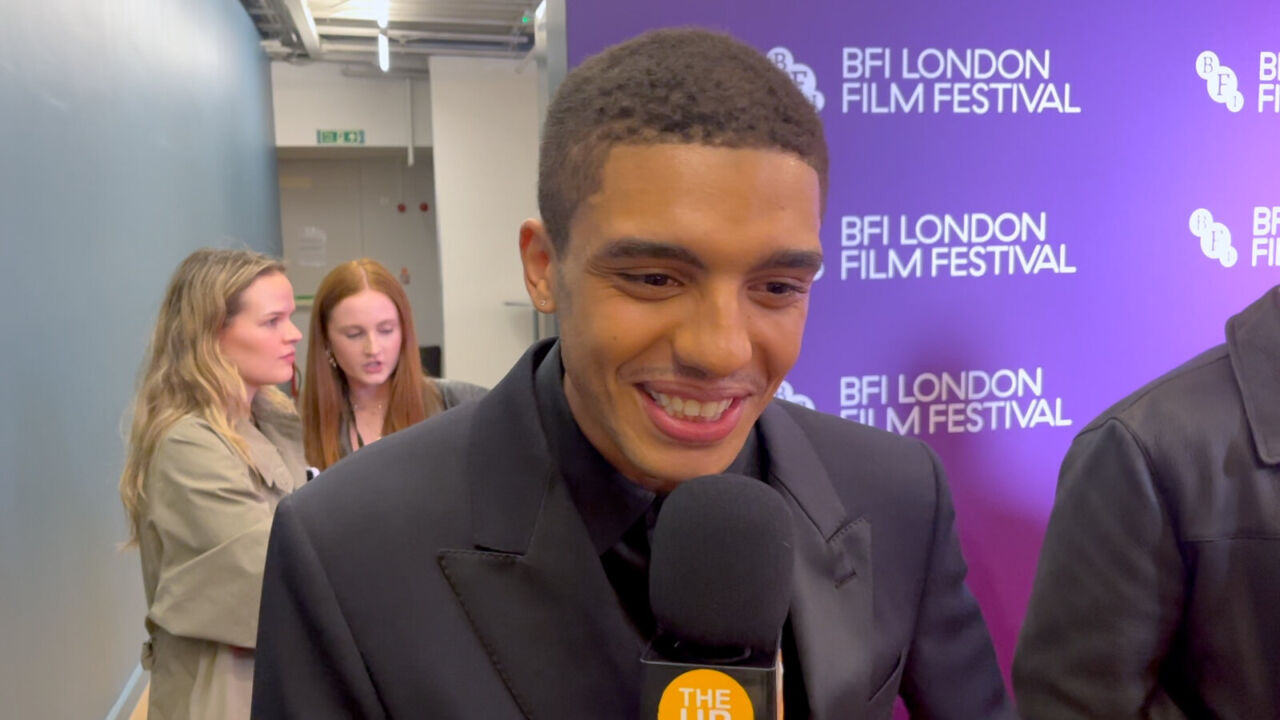
The Upcoming caught up with the people behind this gut-wrenching story, starting with Goddard, who talked us through writing the novel and its initial premise, using the familiar motif and metaphor of buildings falling and creating something new from the broken rubble left behind. With many coming-of-age stories focusing on children and teens, the author noted the boundless possibilities excluded in these narratives, emphasising his desire to spotlight stories of when things don’t work out for those past that age. Goddard also touched on the collaborative process of making the feature and the lessons he learned throughout production, especially his appreciation for the community aspect of movie-making – from the little details like props and costumes – as opposed to the solitary experience of writing a novel.
James Eeles plays a small but impactful role in the piece: a necessary insight into how a person’s choices not only affect and harm themselves but also their loved ones. He highlighted the importance of telling a story like I See Buildings Fall Like Lightning, especially regarding his character, whose screen time may be brief, but is still representative of many individuals who find themselves in similar circumstances. He also explained what it was about the role that drew him in – specifically the familiarity of the people and the setting to individuals and places in his life. He expanded on how his environment growing up helped in his research for the role. When discussing the idea of starting over, Eeles mentioned COVID as an example of people of all ages having to rebuild their lives and once again underlined why these issues need to be addressed.
Jay Lycurgo’s character, Oli, opens the film with his 30th birthday, marking a significant step into adulthood. The actor noted the significance of Oli’s childlike behaviour in contrast to his age, and highlighted the complexity hidden beneath – from his mental health struggles, his work as a drug dealer and his constant search for home and stability. He talked about the theme of friendship in the picture, especially the idea of not struggling alone and making sure to check in on friends. Lycurgo read Goddard’s book after the auditions, and explained to us how he used the structure of Oli’s inner monologue in his first-person account as a guide for his portrayal of the character. He also related to the notion of being lost in his 20s and recounted the personal struggles he too faced during the production of I See Buildings Fall Like Lightning.
Joe Cole dons the role of Rian – the one person in the group who found financial success with his business, a sky-rise apartment in London and a constant search for a relationship through online dating apps. He talked about his references for his character, mainly how he followed director Clio Barnard’s use of the book to add context and emotion to the dialogues and scenes. The actor also highlighted the significance of having five characters dealing with a variety of problems in their lives. This allows for universality in the story – not just in the political and socio-economic struggles they face, but also in the interpersonal relationships and navigating feelings of loneliness and regret. Cole reminded us of the importance of connecting with friends, even if adulthood makes it difficult and schedules often clash.
Lucie Shorthouse’s character Sophie isn’t one of the childhood friends. Instead, she’s the partner of Conor, navigating through newfound motherhood as well as her deteriorating relationship with an alcoholic partner. Shorthouse gave us a brilliant rundown of the feature and its core themes. She dived deep into the younger generation and the pressure of expectations thrust upon them by their own hopes and dreams, as well as the older generation, and why, despite all of that, it’s important to find “your tribe” and friends who can support and help through times of struggle. She briefly discussed the difficulty in expressing the need for help, especially the difference in approach to this between men and women, and how the movie also covers that divide. Shorthouse encouraged viewers to read the novel because of its visceral, heart-wrenching storytelling and affirmed their piece as a great ode to the text.
Daryl McCormack followed after his on-screen wife and underlined the troubles faced by the characters, specifically his character Conor – financial hardships and building a family amidst all of that. He explained Conor’s role in the story: a construction worker who is also a new dad, crumbling under the pressure of all these different things. The actor read the novel and spoke to Goddard for insight into the story and this particular individual he plays, as many of the characters in the novel were drawn from the author’s own experience growing up in Birmingham. Another thing he found useful for getting into Conor’s headspace was meeting and working alongside a construction worker from Birmingham, whom he spoke with and asked questions about the industry. McCormack found the turning point of the 30s interesting, with the different directions life takes people, and especially the misguided idea of having one’s life together by this age.
Director Barnard stopped by to have a chat with us about initially coming into contact with the novel, mainly writer Enda Walsh reaching out to her to ask about directing his screenplay. She was glad Goddard trusted her with his work, especially because of his generous collaboration and the joyful experience she took from it with the welcoming community they shot in. She mulled over the recent generation’s woes of finding stability, whether that’s in finance or housing. Barnard voiced her hope for her future projects to find a similar sense of goodwill and generosity from people.
Finally, Anthony Boyle briefly stopped by to close this round of carpet interviews with a rapid-fire cluster. He first discussed cast chemistry and spoke highly of working with his childhood friend Lola Petticrew, and showcasing their bond on-screen. He talked about their five-day rehearsal doing improv and going on nights out with the other actors to truly foster the chemistry between the characters. He also touched on adult coming-of-age narratives, the delayed response to the struggles of growing up and adulthood, and the honour he found in telling these characters’ story through I See Buildings Fall Like Lightning.
Mae Trumata
I See Buildings Fall Like Lightning is released nationwide on 4th December 2026.
Read more reviews from our London Film Festival 2026 coverage here.
For further information about the event, visit the London Film Festival website here.
Watch the trailer for I See Buildings Fall Like Lightning here:
- 1
A Talent for Murder
Umar Ali
- 2
- 3
- 4
Giant – The Play
Natallia Pearmain
- 5
Hexed
Umar Ali

The Afronauts at the Royal Court Theatre
Sophia Moss




Hexed
Umar Ali
Focker-in-Law
Antonia Georgiou