
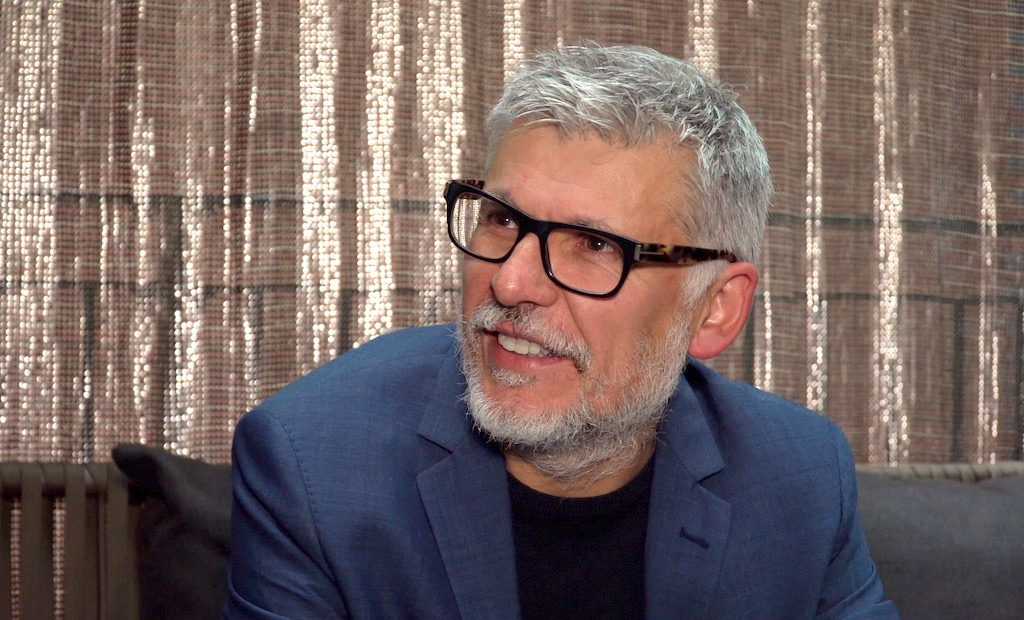
“It’s about a working-class family hit by the last financial crisis harshness”: Paddy Breathnach on Rosie

 Shot by Filippo L'Astorina

Rosie is the Ireland-set, Ken Loach-esque film written by Roddy Doyle (The Commitments, Family, Two Lives: Hell for Leather) and directed Paddy Breathnach (I Went Down, Viva, Freakdog) providing a glimpse into the world of homelessness.
Rosie, played by Sarah Greene, is a mother of four living in North Dublin with her partner John Paul (Moe Dunford) until their landlord decides to sell the house they rent and their living situation is thrown into doubt. Unable to afford the rental costs of available alternatives, they are put at the mercy of social services who reluctantly provide temporary hotel rooms but the threat of needing to resort to their car as their only refuge nears ever closer, all the while they pretend to the outside world that nothing has changed.
We sat down with director Paddy Breathnach ahead of the film’s release to discuss what inspired the story, his experience of making the film and what he hopes audiences will take away.
Sarah Bradbury
Video: Filippo L’Astorina
Rosie is released in select cinemas on 8th March 2019.
Watch the trailer for Rosie here:









Facebook
Twitter
Instagram
YouTube
RSS