
Reduce, reuse, recycle: The case for the cardboard baler
 19 January 2021
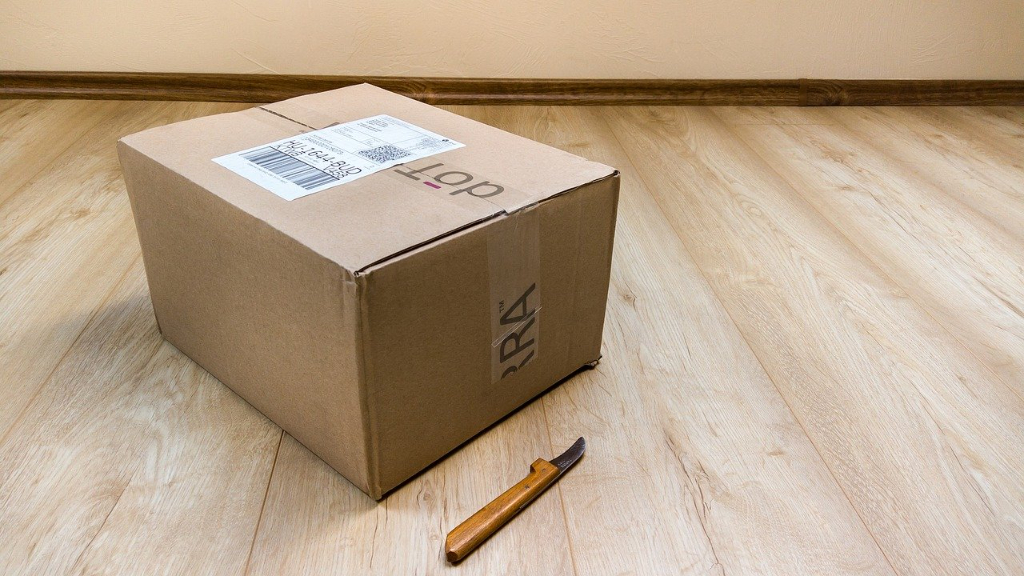
Nowadays, much of the world is striving to reduce their impact on the planet. In the midst of lockdown, online purchasing and deliveries in cardboard boxes are booming, so the potential for waste is huge. Friendly local recycling services do a good job of helping most used packaging find its way to recycling facilities, but the space it takes up till the next visit from the bin men is a problem. Arguably, the solution is to buy less, but if that’s not on the cards, it might be worth considering a baler for cardboard.
A cardboard baler is a device that compacts cardboard (and other waste materials), making it easy for storage, recycling or other future disposal options. Balers are often found in large commercial establishments, including manufacturing facilities, retail settings, medical centres, educational facilities and factories, and there are many types available in the market today. Some use thermal rollers to compress the materials, while others come with mechanical parts. Regardless, any baler should have certain features to make it efficient and ensure its productivity.
First and foremost, balers for cardboard should have a compaction system that will ensure their full use. The machine should be able to compact waste into a very manageable shape, while still ensuring that air can circulate within it. Proper circulation of air, as well as the removal of moisture from the materials, ensures that they remain dry and dust-free. The speed at which a baler for cardboard works should also be considered: the faster the cycle time, the faster the process overall.
Cardboard and paper recycling, while equally important, involve very different processes. For large-scale recycling, both balers for cardboard and loading bays for paper are needed. As with the process of recycling other materials, the way that balers are made plays a part in the recyclability of the materials, particularly since the design of this equipment is such that the material cannot simply be thrown away. Many equipment options are able to handle large used objects, including cardboard boxes, tin cans and plastic packaging, with various designs to handle different types of waste. The speed these can be compacted depends on the force of the baler rotating on its axis: a vertical bale reaser is able to speed up the process considerably compared with a horizontal bale reaser. Other examples of industrial equipment include vertical and horizontal digesters.
Any cardboard baler performs a very important job in making sure that waste is recycled easily, reducing the amount of solid waste that goes into landfill. The end result is that the users of cardboard boxes can reduce their carbon footprint, protect the environment and reduce their dependence on other sources of raw materials.
The editorial unit





















Facebook
Twitter
Instagram
YouTube
RSS