The two-minute window: how a sold-out gig turns buyers into targets

Sponsored content
It is a few minutes past ten on a Friday morning, and the waiting-room page has turned from “you are in the queue” to “no tickets available”. Thousands of people close the tab and open a social app, where somebody has already posted a spare pair at a price just under face value.
That gap, between sold out and the night itself, is where ticket fraud does its trading.
Why a sold-out show is the busiest season for fraud
The clearest recent picture comes from the Oasis reunion. Lloyds Banking Group estimated that fans had lost more than £2m since tickets went on sale, with at least 5,000 victims across the UK. Its own customer reports showed Oasis buyers making up 56 per cent of concert-ticket scams in the first months of 2025, losing £436 on average, roughly £200 more than the typical concert scam. The bank was clear that this was extrapolated from its own customers, so the true total may differ. The pattern behind it is easier to trust than any single number.
Demand outruns supply, face value stops mattering, and buyers become willing to pay well above face value. The biggest single loss Lloyds recorded was more than £1,700. The listings tend to appear in the same places: fake adverts, posts and unofficial buying-and-selling groups on social media.
The payment is the tell
The ticket itself is rarely the giveaway. A convincing PDF costs a scammer nothing. The request for payment is where the story usually breaks. When Lloyds reported a 36 per cent rise in football ticket scams this season, Citizens Advice scam guidance described the same script that gig fans know: a spare ticket advertised on social media, a move to WhatsApp, then a bank transfer. Once the money is sent, the seller blocks the buyer. The average loss in that report was £215.
So, the useful habit is to look at how the payment is being requested. A bank transfer to a private account, a “friends and family” payment, or a request to read out a voucher code are all signs of a seller who does not want the payment to be traceable. No genuine ticket seller asks for a voucher code. For the ticket itself, the safer route is an official seller or a verified resale platform, paid by card, which usually gives the buyer a way to dispute the charge that a transfer to a stranger never does.
Paying by card is the right call for the ticket itself. For the smaller online spending that builds up around a big night (the streaming month, the app subscriptions, the sites that want to save a card for next time), some people prefer a different trade-off. Prepaid vouchers are one option. A voucher such as Paysafecard is bought for a fixed value, in a shop or online, and used with a PIN, so no bank or card details are shared and the spending stops when the value does. The limits are just as clear: there is no buyer protection if something goes wrong.
It is a tool for personal purchases, not for paying a private seller, and only certain merchants accept it. Whatever the voucher is for, it makes sense to decide the amount before the page loads, not after.
The same care applies to online gaming, which in the UK is open to over-18s only and comes with age and identity checks. Comparison guides such as Online-Casinos.com list which UK platforms accept Paysafecard and how, which is worth checking first: many sites now require a verified Paysafecard account rather than just a PIN, and the verification steps differ from one platform to the next. Anyone who plays should treat it as entertainment, set time limits, take regular breaks and use the safer-play tools the platforms provide.
What a careful gig night looks like
Rarity is what makes a stranger’s “spare” tempting. When Babyshambles played their first London show since 2014, the room was sold out and the occasion was the point. Melanie C told a sold-out Brixton Academy it was the biggest gig she had played as a solo artist. Nights like those are when a seat is worth more than its face value to someone, and a scammer prices accordingly. A few habits cover most of the risk.
Buy from the venue, the promoter or the official resale page, even if it means paying face value to a platform that charges a fee. If a seller wants to leave the platform for WhatsApp, treat that as the end of the conversation. Ask for the booking reference and check it with the venue. Be wary of any price that sits well below what the rest of the market is asking, and of anyone who is in a hurry.
Anyone who has already paid and senses something is wrong should contact their bank at once and report it to the national fraud reporting service. The first hour matters more than the first week.
The next on-sale will open at ten. The fake listings will usually be up by five past.
The editorial unit
- 1
- 2
- 3
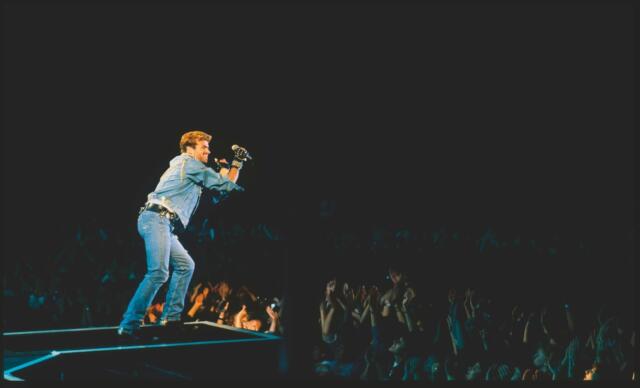
George Michael: The Faith Tour
Antonia Georgiou
- 4
La Roux – Old Flames
Mark Worgan
- 5


Burger & Beyond launches Christmas menu in London and Brighton
Food & Travel Desk
Fjord
Selina Sondermann
Prima Facie
Ronan Fawsitt





Nick Ward – Year of the Snake
Dionysia Afolabi
Hunting Alice Bell
Antonia Georgiou
(Un)Shakespearean Nightmares at The Playground Theatre
Thomas Messner
Tove Lo at Brixton Academy
Jennifer Hensey
Nero at Southwark Playhouse
Thomas Messner