
Quests, levels and leaderboards: How gamification reshapes digital games


Alright, let’s talk about gamification, that thing where everyday stuff suddenly feels like a game. Fitness trackers turn steps into “quests”, apps reward streaks with confetti explosions… and now it has completely reshaped casual and mobile gaming. These are not the flat, repetitive games people remember from years ago. Modern titles borrow heavily from Fortnite, Candy Crush and other mainstream hits, with quests, level-ups and bragging-rights leaderboards baked in. It is no longer just about completing a single task on repeat. It is about unlocking something, progressing, and hitting small milestones along the way. The experience becomes closely tied to player loyalty. As emotional engagement and enjoyment increase, players are more likely to return, follow updates and keep an eye on new features or events released by the platform. To stay up to date and get a clearer picture of which games are offering the most interesting mechanics right now, take a closer look at today’s highest-paying online slots as well as comparison hubs and gaming news sites are often the easiest place to look, as features and updates change frequently. It genuinely feels like casual games have had a full video game makeover.
Why casual games feel like RPGs now
Remember those clunky old games with basic graphics and no real sense of progression? Yeah, not today. Now, games come packed with storylines and surprises. Take adventure puzzle titles inspired by classic action films, where completing levels unlocks hidden areas, new environments and boosted abilities. Or fantasy games where triggering a rare event opens up a special side quest or bonus chapter. And some games do not even try to hide their video-game DNA. You are mining gems, dodging traps and racing against collapsing terrain while chasing the next objective. It is chaotic in the best way. Developers worked out that when core mechanics are wrapped inside a narrative, players stay longer. Why log off when the next level, boss or world unlock is just one challenge away?
The secret sauce: Games borrowing gamer psychology
So what makes these games sticky? It’s all about dangling carrots. Quests, for starters, small missions like “complete 20 challenges this week” that reward players with unlocks, boosts or cosmetic items. Many adventure and strategy games use this approach, letting players work through themed objectives tied to worlds, characters or story arcs.
Then there’s levelling up. Games track progress and experience, allowing players to climb tiers and access better features, a bit like loyalty systems but more playful. Some titles even lock powerful abilities or new areas behind level gates: play more, unlock more. And leaderboards? They are pure social fuel. Seeing a username above a colleague or friend in a weekly challenge taps straight into competitive instinct and keeps players engaged.
The bright side (and the slippery slope)
Gamification undeniably turns up the fun. Small rewards, like unlocking a bonus level or a side challenge mid-session, help keep frustration low and motivation high. Some platforms even use AI agents to adjust difficulty or pacing in real time, learning which mechanics keep players engaged.
The catch is that when games lean heavily into these systems, it becomes easy to lose track of time. The same techniques appear in productivity apps or language-learning platforms, where streaks and rewards encourage “just one more round”. Layers of quests and progress bars can stretch a short session into a much longer one. Anyone who has stayed up late trying to finish one last in-game objective will recognise the effect.
Keeping it fun, and safe
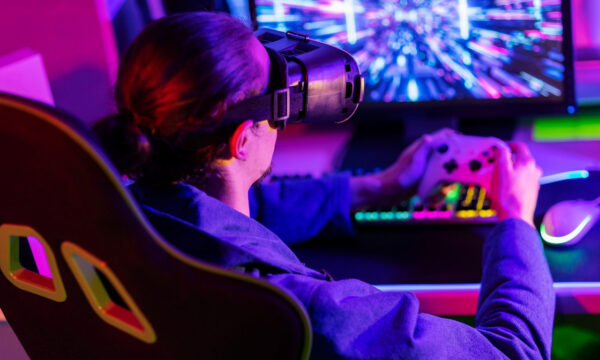
Technology keeps pushing things forward. VR worlds, AR scavenger hunts, social challenges and live events are becoming more common across games and entertainment platforms. With that growth comes more discussion about design responsibility. The loot box debates in gaming showed how easily rewards can tip from playful to overwhelming. Some games now sell boosters or shortcuts that affect progression or competition. The solution is clarity. Understanding how challenges work, what rewards unlock and how leaderboards are calculated matters more than ever. Setting time limits and treating sessions like a planned activity rather than an endless loop helps keep the experience enjoyable rather than exhausting.
Bottom line: Fun first, folks
Gamification has turned digital entertainment into something richer. Adventures, friendly competition and light-hearted challenges all add colour to play. But just like a good rollercoaster, guardrails matter. The best experiences come from smart design and mindful use. When sessions end on a high note and logging off still feels satisfying, the system is working. After all, the real win is finishing a game smiling, maybe after finally topping that leaderboard, without letting Dave from Accounting claim the last victory.
The editorial unit



















Facebook
Twitter
Instagram
YouTube
RSS