
Beyond the Giza Plateau: Unearthing Egypt’s hidden gems
 22 January 2026
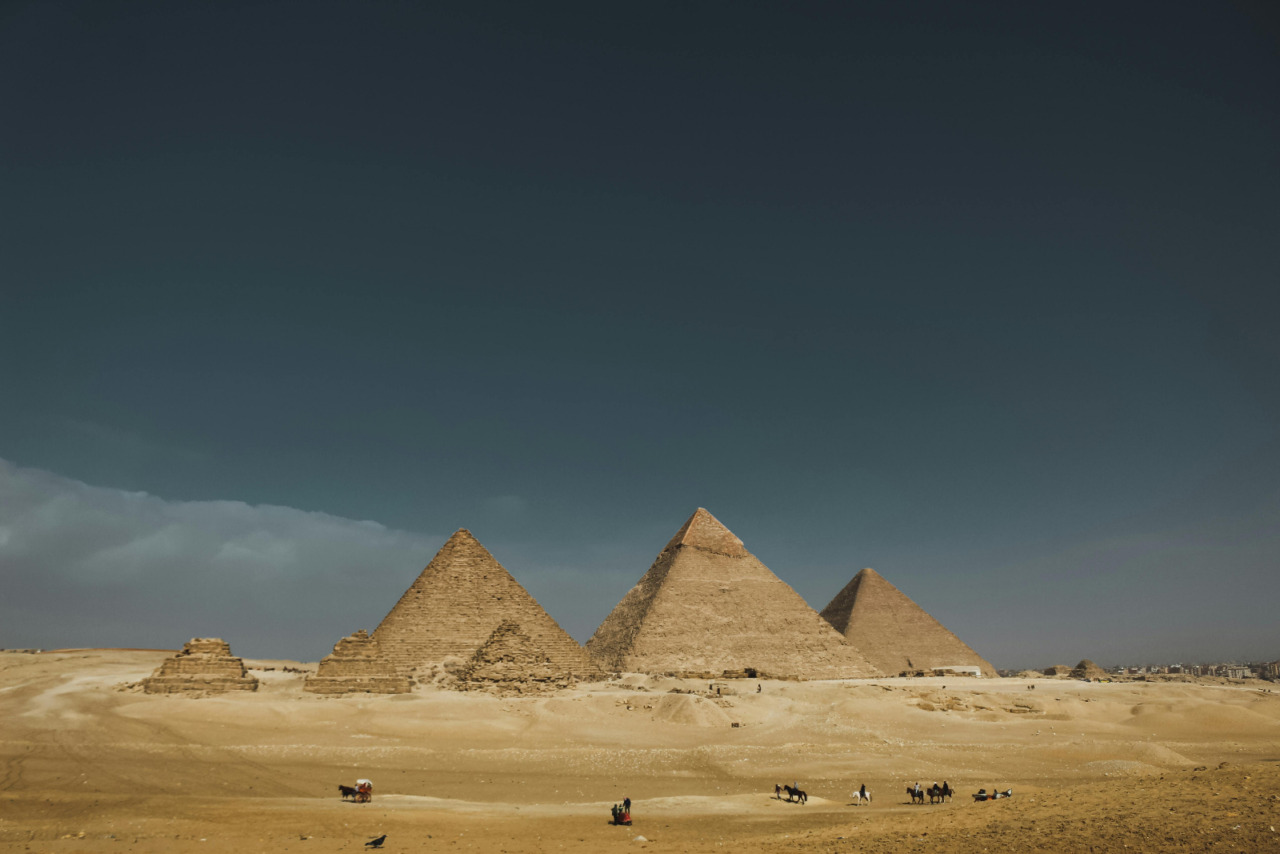
To speak of Egypt is, almost inevitably, to speak of the Great Pyramids. They are the monoliths of our collective imagination, the bucket-list titans that draw millions of travellers to the chaotic, smog-choked outskirts of Cairo every single year. And rightfully so. Standing beneath the shadow of Khufu is a visceral reminder of human ambition that every person should experience once.
But there is a problem with the Pyramids, and indeed with the standard Nile Cruise itinerary that shuffles tourists from Luxor to Aswan like cattle on a conveyor belt. It offers a version of Egypt that is curated, crowded, and often overwhelming. It’s the “Greatest Hits” album, played at maximum volume.
For the traveller willing to venture off the beaten path – or at least, willing to endure a few extra hours on a desert road – there is another Egypt waiting. It’s a place of salt lakes, Coptic silence, and temples that retain their paint so vividly you’ll swear the artist just put down their brush.
If you are looking to swap the hawkers of Giza for something a little more profound, here is your guide to the Egypt that the tour buses leave behind.
The allure of the aesthetic
Before we dive into the geography, it’s worth asking: why are we so obsessed with this place? The iconography of Ancient Egypt is perhaps the most enduring brand in human history. It transcends borders and generations.
You see it everywhere in our modern entertainment. It dominates our cinema, our literature, and even our leisure time. You only have to look at the world of iGaming to see how deep the fascination runs. Walk into any casino from Las Vegas to London, or scroll through an online lobby, and you’ll be bombarded with Egyptian imagery.
Slots like Legacy of Egypt, Dawn of Egypt, and the absolute genre classic Cleopatra remain perennial favourites. Developers know that the symbols of this civilisation – the scarabs, the hieroglyphs, the piles of gold – are universal shorthand for mystery, wealth, and high-stakes drama. We are drawn to games like Diamonds of Egypt because they promise a digital treasure hunt, tapping into that childhood fantasy of unearthing a tomb. Sister Site, which is one of the key review and comparison sites in the online casino world, rates these slots as being among the most popular of all time.
But while the digital thrill of a Cleopatra slot machine offers a quick dopamine hit of ancient glamour, the payout of standing in front of the real history is a currency that no jackpot can match. And the best “wins” are found away from the crowds.
Siwa: The oracle at the end of the world
If you want isolation, you go to Siwa. Located near the Libyan border, a solid ten-hour drive from Cairo, this oasis feels like a different planet.
Siwa is distinct culturally and linguistically from the rest of Egypt. The people here are Berbers (Amazigh), and the pace of life is dictated not by the frenetic energy of the capital, but by the slow drift of the date harvest and the afternoon heat.
The headline act here isn’t a pyramid, but the Temple of the Oracle of Amun. This is where Alexander the Great travelled in 331 BC to ask if he was the son of a god. Standing in the ruins today, looking out over the endless palm groves, you can understand why he chose this spot. There is a spiritual weight to the air.
But the real magic of Siwa is the water. The oasis is dotted with salt lakes – turquoise pools of water so saline that you cannot sink. Floating on the surface of a Siwan salt lake, watching the sun dip behind the dunes of the Great Sand Sea, is an experience of pure, weightless tranquility. Just remember to rinse off immediately afterwards, or your skin will feel like it’s turned to parchment.
Dendera and Abydos: The technicolour temples
Most tourists fly straight to Luxor, visit Karnak, and call it a day. They’re missing a trick. A few hours north lie two of the most spectacular, yet criminally under-visited, sites in the country: Dendera and Abydos.
The Temple of Hathor at Dendera is a revelation for one specific reason: the roof. Unlike many other temples that have been bleached white by centuries of sun and sand, the ceiling of Dendera retains its original colour. We’re talking vibrant blues, greens, and ochres that look as fresh as the day they were applied two millennia ago. The famous “Dendera Light” relief is here, hidden in a claustrophobic crypt beneath the floor, fueling ancient alien conspiracy theories for decades.
Further north is Abydos, home to the Temple of Seti I. This is often called the most beautiful temple in Egypt due to the quality of its bas-reliefs. The carving here is exquisite – fine, delicate, and incredibly detailed. It’s also home to the “Osireion,” a mysterious, subterranean structure filled with water that predates the main temple and baffles archaeologists to this day.
The Silence of the Red Sea Monasteries
Egypt isn’t just Islamic and Pharaonic history; it’s also the cradle of Christian monasticism. Hidden high in the Red Sea mountains, about three hours from Hurghada, lie the monasteries of St. Anthony and St. Paul.
St. Anthony is widely considered the father of monasticism, the first man to wander into the desert to seek God in silence. Today, the monastery named after him is a fortress of faith, enclosed by high walls to protect against Bedouin raids of centuries past.
Visiting here offers a stark contrast to the opulence of the Pharaohs. It’s humble, quiet, and deeply atmospheric. You can hike up the mountain to the cave where St. Anthony lived for decades. The view from the top, looking out over the barren, copper-coloured mountains towards the Red Sea, is starkly beautiful. It’s a reminder that Egypt’s desert has always been a place of retreat and introspection.
Al-Muizz Street: The open-air museum
Back in Cairo, if you want to escape the tour buses but still soak up history, skip the Citadel and head to Al-Muizz li-Din Allah Al-Fatimi Street at night.
This one-kilometre stretch of road in Islamic Cairo contains the greatest concentration of medieval architectural treasures in the Islamic world. We’re talking about mosques, madrasas, and mausoleums dating back to the Fatimid and Mamluk eras.
Stop at the Qalawun Complex, a massive structure that included a hospital, a school, and a mausoleum. The intricate stonework and the stained glass windows are breathtaking. Afterwards, sit at a local ahwa (coffee shop), order a mint tea and a shisha, and just watch the street life. This is the beating heart of Cairo, far removed from the sterile hotel lobbies of the city centre.
Egypt is a country that rewards the curious. It rewards the person who looks at the map and asks, “What’s over there?” So, by all means, see the Pyramids. Take the selfie. But then, get in a car and drive west to the salt lakes, or south to the painted ceilings of Dendera. That’s where the real joy lies.
The editorial unit
















Facebook
Twitter
Instagram
YouTube
RSS